
Fuel Solutions That Keep Agricultural Operations Running
In modern agriculture, maintaining a consistent and dependable fuel supply is essential to daily operations. Without reliable fuel solutions, critical activities such as planting, irrigation, transportation, and harvesting can quickly come to a halt. Farm managers increasingly recognize that fuel is more than a line-item expense—it is a key driver of productivity. Any disruption in fuel availability can lead to equipment downtime, lost time, and increased costs, especially during peak seasons. As fuel pricing and delivery conditions fluctuate, proactive planning becomes increasingly important.
Effective agricultural fuel strategies go beyond simply sourcing diesel. They include forecasting usage, working with dependable suppliers, and maintaining adequate on-site storage. Operations that take a structured approach to fuel management can better align workflows and avoid costly interruptions. In addition, tools such as fuel usage monitoring and tank-level tracking systems help improve visibility and operational readiness. Reliable fuel delivery plays a direct role in keeping agricultural operations balanced, efficient, and profitable.
Fuel Selection Strategies for Reliable Farm Operations
Choosing the right fuel for a wide range of agricultural equipment directly affects performance, durability, and overall reliability. Most farm equipment operates on diesel due to its power output and ability to perform under heavy loads. However, different machines and applications may require specific fuel formulations to meet operational demands.
Selecting the proper fuel starts with manufacturer recommendations and the operating requirements of each piece of equipment. Factors such as engine design, workload intensity, and operating conditions influence which fuel delivers the best results. For example, cold-weather operations often require winter-treated diesel to prevent fuel flow issues, while high-output equipment may benefit from premium diesel formulations designed to support torque and consistent performance.
Aligning fuel selection with equipment needs helps engines run smoothly, reduces maintenance demands, and extends equipment service life. Making informed fuel choices supports dependable operation and strengthens long-term agricultural productivity.
Why Dependable Fuel Delivery Matters in Agriculture
A dependable diesel delivery partner is critical to keeping agricultural operations running smoothly. With seasonal demand spikes and changing operating conditions, on-time fuel delivery becomes a strategic necessity—not a convenience. Reliable providers understand the pace of agricultural work and offer delivery schedules that align with each operation’s needs.
Diesel delivery services extend beyond transporting fuel. Many providers offer guidance on on-site fuel storage, safety requirements, and emergency deliveries during peak demand periods. For larger operations with extensive equipment fleets, scheduled deliveries help prevent shortages during critical work windows. Monitoring tools and automated scheduling can also improve visibility into fuel levels and simplify inventory management.
Working with a responsive and communicative delivery partner reduces operational risk and removes fuel logistics from daily concerns. This allows farm managers to focus on fieldwork and production priorities while maintaining confidence that fuel needs are covered.
Why Proper Fuel Storage Matters on the Farm
Proper fuel storage is a critical, yet often overlooked, part of successful farm operations. Fuel storage involves more than placing a tank on-site—it requires planning around capacity, safety, accessibility, and operational efficiency. With the right storage strategy, farms can maintain a steady fuel supply, manage costs more effectively, and stay prepared during peak work periods.
Strategic fuel storage starts with selecting the right tank location. Tanks should be positioned near primary work areas while remaining secure and protected from contamination risks. Storage systems must meet industry standards and include spill-prevention features, secondary containment, and routine inspection schedules. Maintaining fuel quality is equally important and includes filtering incoming deliveries and regularly checking stored fuel for water or sediment buildup.
Strong record-keeping practices help track fuel usage patterns and anticipate future needs. With proper planning and consistent maintenance, effective fuel storage solutions support reliable equipment operation, reduce disruptions, and keep agricultural operations running smoothly year-round.
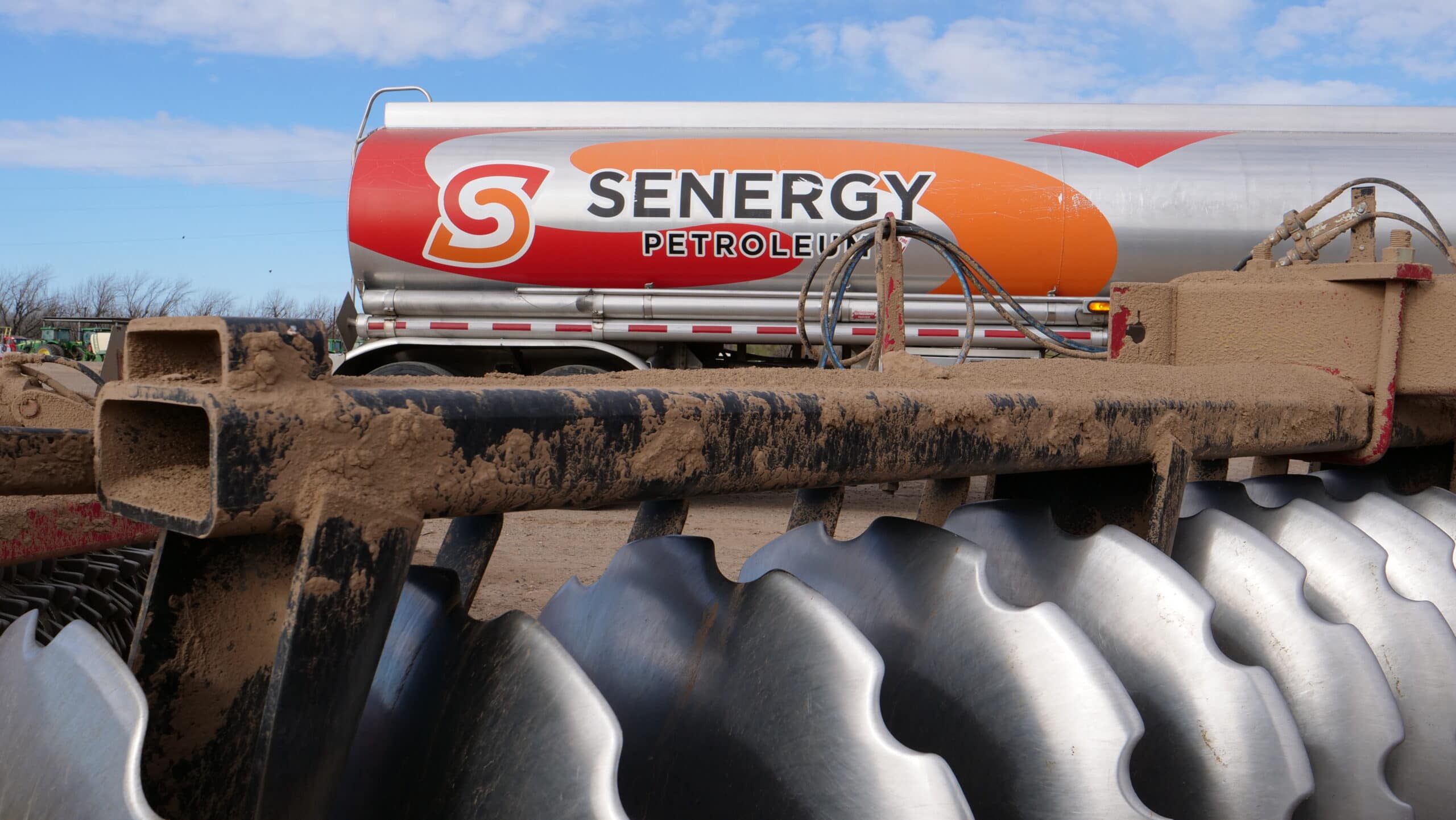

How Fuel Control Systems Improve Efficiency on the Farm
Fuel control systems are transforming how farms monitor and manage fuel usage. These solutions combine hardware and software to track consumption at the individual equipment level, providing real-time visibility that supports better operational decisions. By knowing exactly how much fuel is used, when it is used, and where it is consumed, farm managers can eliminate guesswork and improve planning.
One of the key benefits of fuel control systems is the ability to identify inefficiencies. For example, unusually high fuel usage by a specific piece of equipment may indicate mechanical issues or operator training needs. Automated tracking helps farms recognize patterns, reduce waste, and schedule preventive maintenance before problems escalate. Many systems also offer remote monitoring, low-fuel alerts, and integration with inventory management tools.
These capabilities improve accountability and support more accurate budgeting while reducing the risk of fuel shortages. Although the initial investment may require planning, the long-term benefits: greater efficiency, reduced downtime, and more predictable fuel costs—make fuel control systems a valuable tool for modern agricultural operations.
Planning Fuel Supply Around Agricultural Seasons
Seasonal cycles influence nearly every part of agricultural operations, including fuel usage. During planting and harvest, demand increases as tractors, combines, irrigation systems, and transport vehicles operate for extended hours. A well-planned seasonal fuel strategy helps ensure adequate diesel supply and flexible delivery schedules to meet changing operational needs.
Effective planning starts with reviewing historical fuel usage, equipment schedules, and projected workload. This data-driven approach supports proactive ordering and helps avoid last-minute shortages when suppliers are under peak demand. Early coordination with fuel providers also allows operations to secure bulk deliveries before seasonal price increases take effect.
Seasonal fuel planning should also include contingencies for unexpected disruptions. Backup generators, additional on-site storage, or secondary delivery agreements help ensure operations remain productive even when unplanned issues arise.
Managing Diesel Fuel Safely on the Farm
Handling agricultural fuel, particularly diesel, involves important safety and compliance responsibilities. Proper fuel storage and transfer procedures protect employees, equipment, and daily operations. Adopting established best practices and following regulatory requirements helps reduce risk and maintain a safe work environment.
Safety begins with proper training for anyone involved in fuel handling. Personnel should understand correct pump operation, recognize potential hazards, and know how to respond to spills or equipment issues. Storage systems should include secondary containment and clearly defined safety measures to limit exposure and prevent operational disruptions. Following industry guidelines for storage, handling, and cleanup procedures supports consistency and compliance.
Maintaining accurate inspection records and documenting incidents strengthens accountability and supports regulatory oversight. Prioritizing fuel safety and compliance helps ensure agricultural operations remain productive, protected, and prepared for daily demands.
Smart Fuel Management
Managing fuel efficiently while keeping operations running smoothly is essential for every farm. Strategies like bulk purchasing, reliable supplier agreements, regular equipment maintenance, and mindful fuel use help maximize performance and control costs.
Tracking fuel usage and adjusting strategies over time allows farms to make informed decisions and maintain reliable operations. Prioritizing efficiency without compromising reliability ensures agricultural operations stay productive and prepared for demanding conditions.