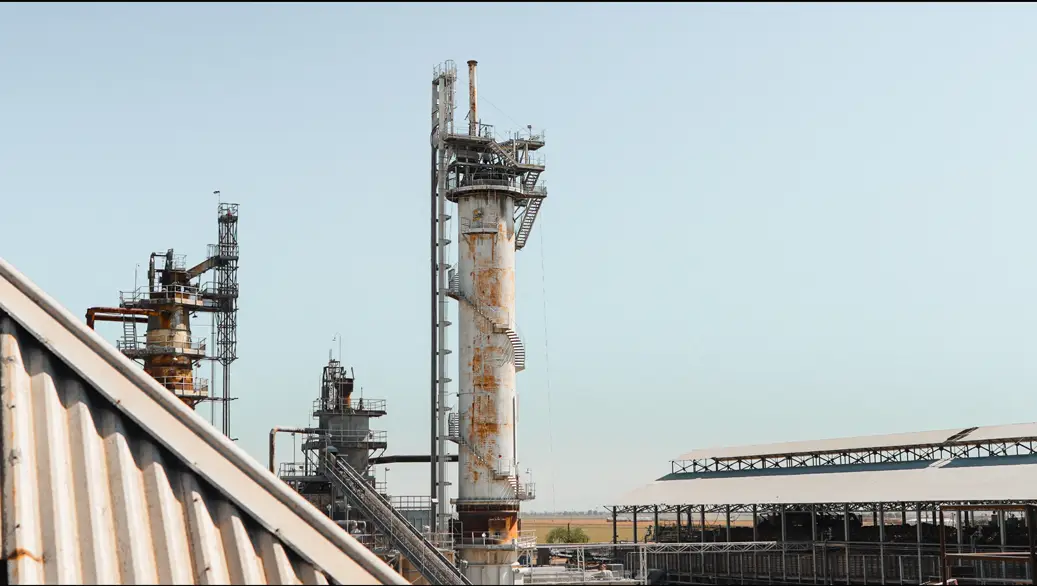
Fuel Solutions for Remote Mining Operations
Some of the most demanding industrial environments are remote mining operations. Often located hundreds of miles from major infrastructure, these sites rely on a continuous fuel supply to power heavy equipment, vehicles, generators, and other essential machinery. Without a dependable fuel strategy in place, productivity can quickly decline, leading to costly delays and operational disruptions.
A well-designed mining fuel supply system helps maximize equipment utilization, minimize downtime, and improve overall site efficiency. From reliable remote fuel delivery to fuel quality management and storage solutions, every component plays a critical role in supporting successful mining operations.
As mining companies expand into increasingly remote locations, fuel management has become a strategic operational priority. Investing in efficient fuel solutions helps organizations improve reliability, control costs, and strengthen operational resilience, providing a competitive advantage in challenging environments.
The Importance of Reliable Fuel Supply
Fuel is essential to every mining operation. Excavators, haul trucks, loaders, drills, generators, and support equipment all rely on a steady fuel supply to maintain productivity. In remote locations, dependable fuel access becomes even more important.
However, a fuel supply disruption can halt production within hours. Because remote mining sites often have limited sourcing options, they depend on carefully planned delivery schedules. Additionally, weather, transportation issues, and supply chain disruptions can create costly operational challenges.
To address these risks, reliable fuel solutions help ensure equipment receives fuel when and where it is needed. In addition, a well-planned strategy helps forecast demand, control operating costs, and reduce emergency fuel purchases.
As operations grow, effective fuel management becomes increasingly important. Ultimately, strategic planning helps maintain productivity, reduce risk, and support uninterrupted operations.
Overcoming Fuel Supply Challenges
Managing fuel supplies in remote mining locations presents unique challenges. Mining sites are often far from fuel terminals, transportation hubs, and service providers, making delivery coordination more complex.
Harsh weather, rugged terrain, and limited road access can delay shipments and affect supply reliability. To avoid disruptions, many mining operations plan fuel deliveries weeks or months in advance.
Fuel storage is another key consideration. Remote sites need enough reserves to support operations during unexpected disruptions without creating unnecessary maintenance costs.
Fuel quality must also be maintained throughout the supply chain. Proper handling, storage, and transportation help prevent contamination, water intrusion, and fuel degradation.
Successful mining operations address these challenges through fuel forecasting, transportation planning, risk assessment, and contingency planning. Taking a proactive approach helps minimize disruptions and maintain reliable operations.
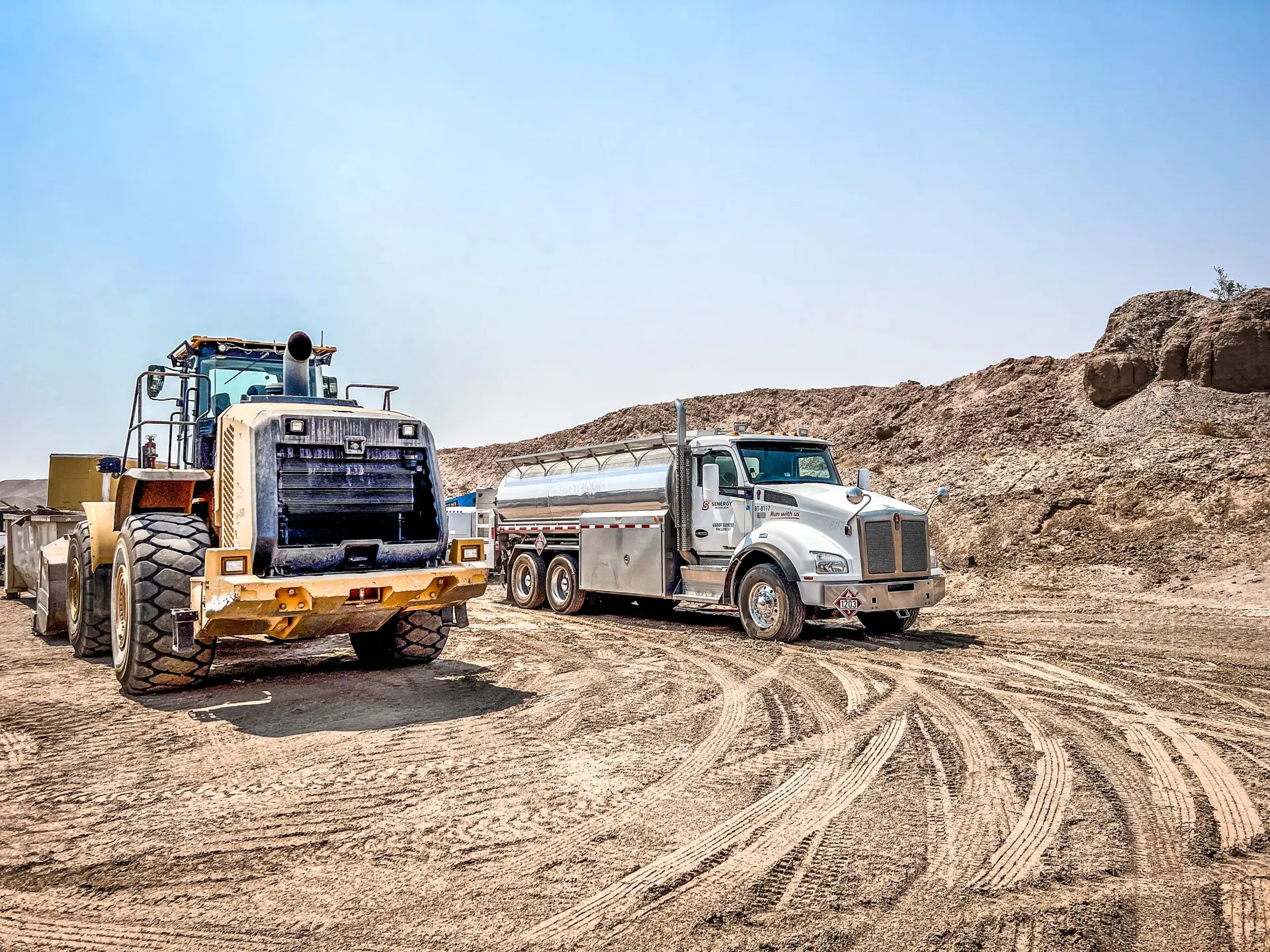

The Role of Off-Road Diesel in Mining Performance
Off-road diesel is a critical component of mining operations, providing the power and reliability required for heavy-duty equipment in demanding environments. From large haul trucks and excavators to loaders and earthmoving machinery, diesel fuel remains the primary energy source for many mining applications.
High-quality off-road diesel supports consistent combustion, efficient power generation, and reliable performance under challenging operating conditions. Because mining equipment often operates around the clock, fuel quality plays a significant role in maintaining productivity and maximizing equipment performance.
Using properly formulated off-road diesel can also help reduce maintenance requirements and extend equipment service life. Higher-quality fuel supports engine performance, helps protect fuel system components, and reduces downtime caused by mechanical issues.
In remote mining locations, where repair services and replacement parts may not be readily available, fuel quality becomes even more important. Equipment failures can lead to costly production interruptions and increased operating expenses.
Mining companies that prioritize fuel quality management often benefit from improved equipment reliability, greater fuel efficiency, and more consistent operations. As equipment technology continues to advance, access to high-quality off-road diesel will remain essential for optimizing performance and maximizing the value of mining assets.
The Value of Clean Fluid Solutions in Mining Operations
Clean Fluid Solutions play an important role in improving equipment reliability and operational efficiency in modern mining environments. While fuel management remains a key priority, the quality and cleanliness of all fluids throughout an operation significantly impact equipment performance and longevity.
Effective clean fluid management includes maintaining fuel cleanliness, controlling contamination, managing lubricants, and ensuring hydraulic systems operate efficiently. These practices help reduce wear on critical components and support reliable equipment performance.
In remote mining operations, equipment reliability is especially important, as maintenance resources and repair services may not be immediately available. Clean fuel and fluid systems help reduce the risk of unexpected breakdowns that can disrupt production schedules and increase operating costs.
Proper fluid management also helps extend equipment service life and lower maintenance expenses. Contamination can accelerate wear and lead to premature failures in engines, pumps, injectors, and hydraulic system components.
As mining companies continue to focus on operational efficiency and asset performance, Clean Fluid Solutions remain a critical part of comprehensive equipment management strategies. Organizations that prioritize fluid quality often benefit from improved productivity, enhanced reliability, and reduced operating costs.
Fuel Management Lessons for Mining
The automotive and construction industries offer valuable fuel management practices that can be applied to mining operations. Over time, both sectors have developed advanced strategies focused on optimizing fuel usage, reducing waste, and improving equipment performance.
For example, fleet tracking systems are widely used to monitor fuel consumption, identify inefficiencies, and improve vehicle utilization. Similarly, these technologies can provide mining companies with greater visibility into fuel usage across large equipment fleets, supporting more informed operational decisions.
In addition, the construction industry has extensive experience managing fuel requirements at remote job sites. Mobile fueling systems, inventory tracking tools, and predictive scheduling practices used in construction can be adapted to support mining operations.
Likewise, preventive maintenance and fuel quality monitoring play a key role in extending asset life and reducing downtime in both industries. These objectives closely align with the priorities of remote mining operations, where equipment reliability is essential to maintaining productivity.
As a result, mining companies can strengthen supply chain performance, improve fuel visibility, and support more consistent operations by adopting proven fuel management practices from the automotive and construction sectors.
Building a Strong Mining Fuel Strategy
Understanding fuel consumption patterns, forecasting demand, and maintaining proper inventory levels help reduce disruptions and control operating costs.
Investments in fuel monitoring, remote fuel delivery, and Clean Fluid Solutions further strengthen operational reliability and support informed decision-making. Combined with dependable access to off-road diesel, these strategies help mining companies improve efficiency, maintain productivity, and support long-term growth.