Fuel Management Strategies for Multi-Site Operations
Managing fuel across several business locations is far more involved than keeping storage tanks full. Companies operating construction sites, trucking terminals, utility yards, farms, or industrial facilities often deal with different delivery schedules, varying fuel demand, and inconsistent inventory records. Without a clear process, these issues can increase operating costs, delay projects, and reduce overall productivity. Effective fuel management creates consistency by helping businesses monitor fuel usage, control expenses, and maintain reliable supply across every location. The importance of centralized oversight, inventory visibility, and operational efficiency is consistently emphasized in leading competitor content.
Organizations with multiple sites also face changing market prices, transportation challenges, and strict environmental regulations. Rather than treating each location independently, many successful companies build connected systems that combine inventory tracking, remote monitoring, and data reporting into a single platform. This approach improves decision-making while reducing unnecessary deliveries and unexpected shortages. Businesses that invest in stronger planning are better prepared to support daily operations without interrupting production or fleet activity.
The Challenges of Managing Fuel Across Multiple Locations
Every facility has unique operating demands. A construction project may require heavy diesel consumption during one season, while another site experiences only moderate fuel use. Without standardized reporting, managers may struggle to understand where fuel is being consumed, where inventory is sitting unused, or when additional deliveries are actually needed. These gaps often lead to emergency orders, higher transportation costs, and inefficient resource allocation.
Many competitors focus on centralized visibility because it allows businesses to monitor every storage tank, vehicle fleet, and fueling station from one dashboard. Instead of relying on manual inventory checks, organizations can use remote tank monitoring, GPS tracking, and cloud-based reporting to improve fuel inventory accuracy. Better oversight also strengthens fuel logistics, making it easier to coordinate deliveries, adjust schedules, and maintain steady operations even when demand changes unexpectedly.
Building a Centralized Fuel Management Strategy
A successful strategy begins with standard operating procedures that apply across every business location. Establishing consistent reporting methods, inventory checks, supplier communication, and fuel authorization policies helps reduce confusion between sites. Centralized management also provides leadership with a complete picture of fuel consumption, operating costs, and purchasing trends instead of isolated reports from individual facilities.
Technology plays a major role in supporting this process. Modern fuel management software integrates with telematics, IoT fuel sensors, fleet management platforms, and mobile applications to deliver real-time updates. Managers can monitor fuel levels, review consumption trends, receive automated alerts, and identify unusual activity before it becomes a costly issue. These connected systems simplify planning while supporting better forecasting for future fuel requirements.

Improving Fuel Inventory and Delivery Planning
Maintaining the appropriate fuel inventory at every location requires more than estimating weekly demand. Businesses should evaluate historical usage patterns, seasonal workloads, equipment schedules, and upcoming projects when planning inventory levels. Tracking reorder points and maintaining appropriate safety stock reduces the likelihood of emergency deliveries while preventing excess fuel from sitting in storage for extended periods.
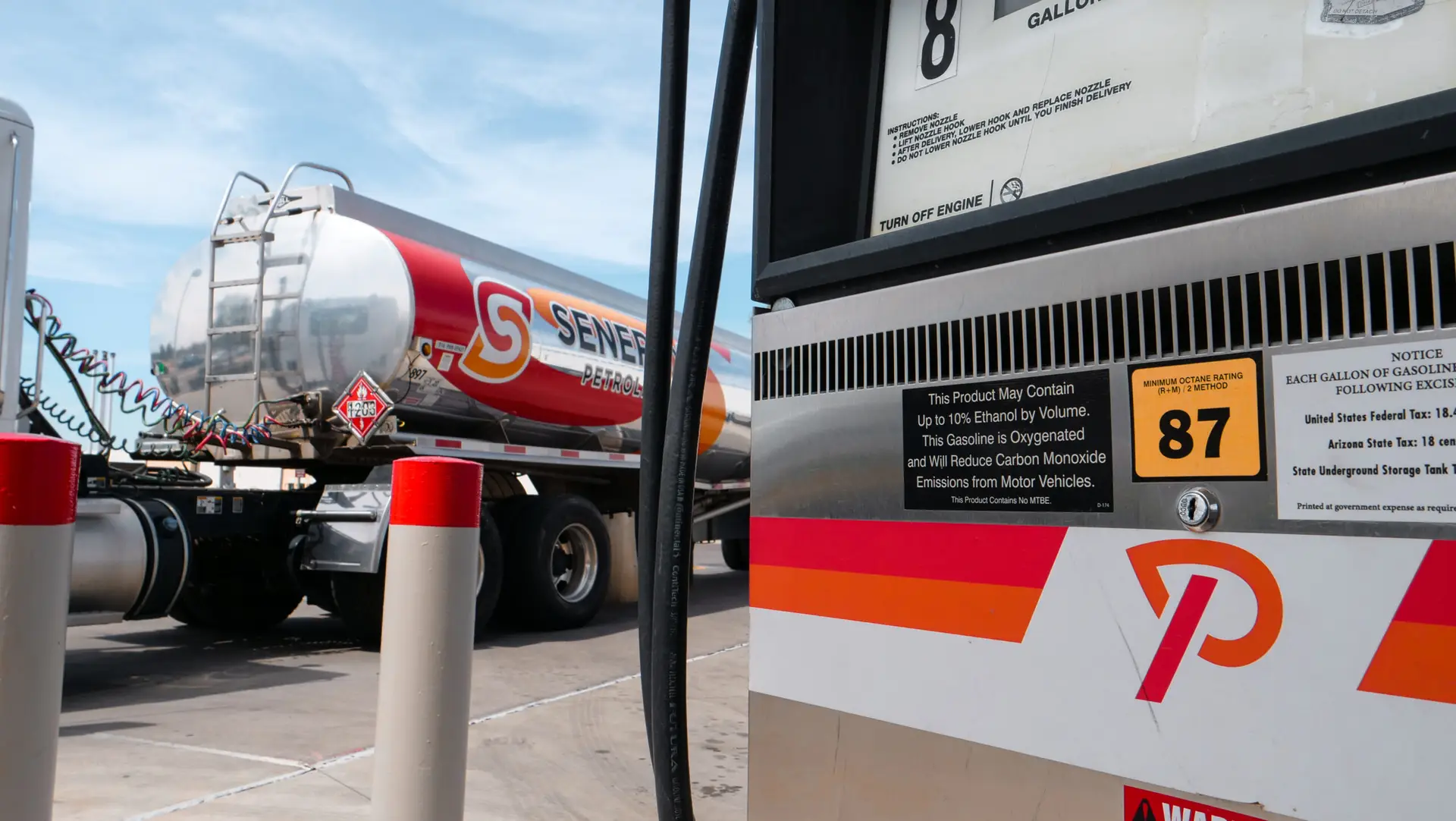
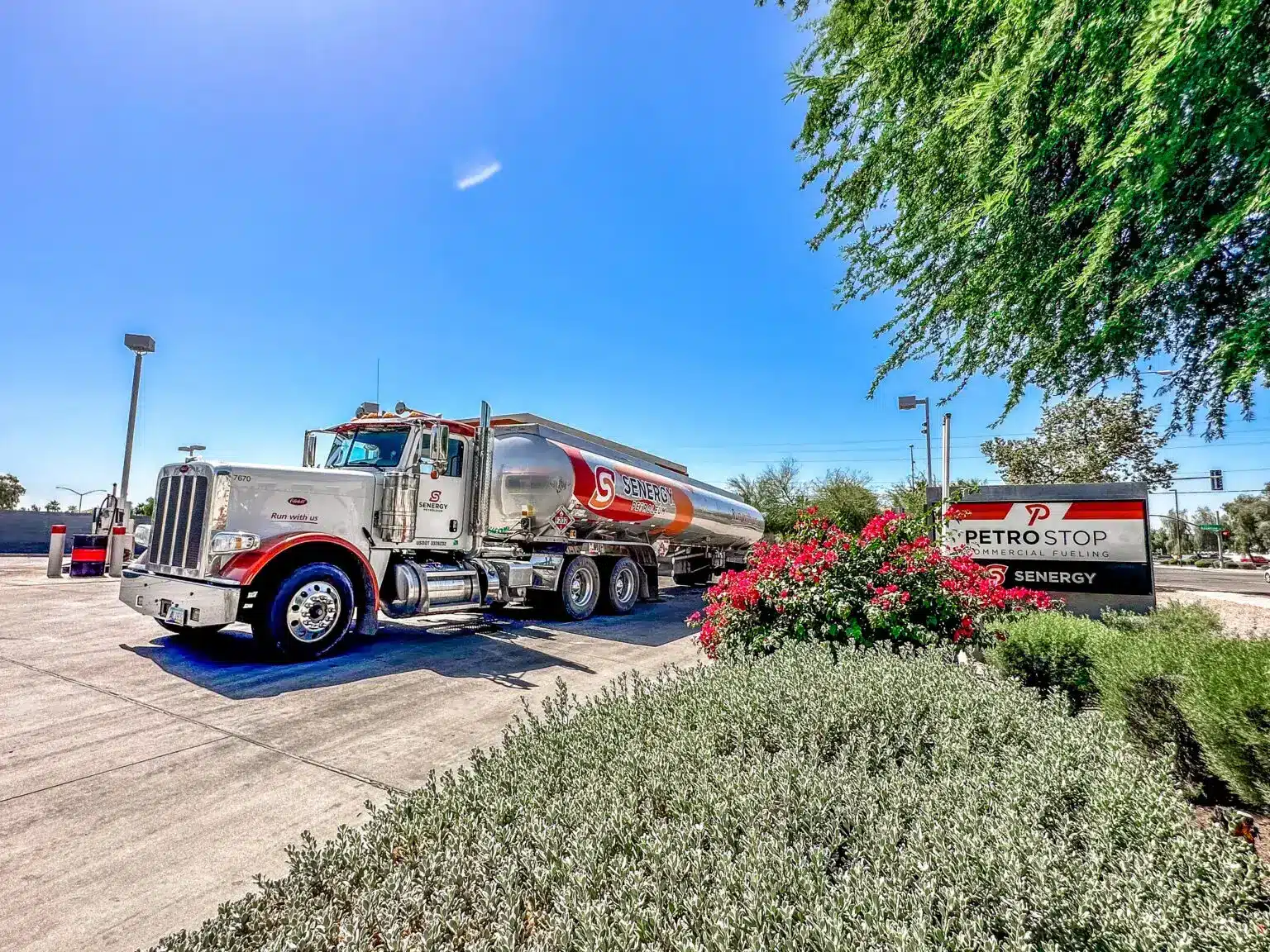
Coordinating deliveries through reliable fuel logistics practices also improves operational performance. Route optimization, supplier communication, and scheduled replenishment help minimize transportation expenses while ensuring each location receives fuel when it is needed. Many organizations also work closely with Commercial Fuels providers to secure dependable deliveries and flexible supply agreements that support changing operational requirements. By combining inventory forecasting with organized delivery planning, companies can reduce waste, improve purchasing decisions, and keep equipment running without interruption.
Using Technology to Increase Visibility and Fuel Security
Managing several fueling locations without accurate data often results in unnecessary spending and operational delays. Businesses can improve visibility by using connected tools such as remote tank monitoring, fuel level sensors, RFID access, and cloud-based dashboards. These systems provide live updates on fuel inventory, allowing managers to compare usage across locations, identify consumption trends, and make informed purchasing decisions. Instead of reacting to shortages, organizations can schedule replenishment based on actual demand, creating a more predictable and efficient operation.
Technology also strengthens accountability by recording every fueling transaction. Access controls, PIN authentication, digital audit trails, and automated reporting help prevent unauthorized fueling and reduce opportunities for fuel theft or fraud. Fleet managers can compare fuel purchases with vehicle activity, monitor equipment utilization, and investigate unusual fuel consumption before it affects operating costs. This level of transparency supports stronger fuel management practices while improving compliance with company policies and regulatory requirements.
Strengthening Supplier Relationships and Operational Performance
Reliable suppliers are an important part of any multi-site fueling strategy. Building long-term partnerships with trusted vendors allows businesses to negotiate consistent pricing, improve delivery reliability, and respond more effectively during periods of high demand or supply disruptions. Organizations that regularly evaluate supplier performance, delivery schedules, and contract terms are often better positioned to maintain uninterrupted operations throughout the year.
Performance should also be measured using meaningful operational data. Tracking key performance indicators such as fuel consumption, inventory turnover, delivery accuracy, equipment utilization, and cost per gallon provides valuable insight into business performance. These reports help managers identify locations with higher operating costs, improve procurement strategies, and allocate resources more effectively. Many companies rely on commercial fueling solutions that combine supplier coordination with detailed analytics, making it easier to support long-term growth while maintaining cost control.
Preparing for Future Growth with Smarter Fuel Strategies
As businesses expand into new markets or add more operating locations, fuel operations become increasingly complex. A scalable approach combines centralized oversight with flexible local execution, allowing each facility to meet its own requirements while following company-wide standards. Integrating fuel management software with enterprise resource planning systems, fleet management platforms, and maintenance programs creates a connected workflow that improves planning, reporting, and operational consistency across the organization.
Companies should also prepare for future changes by investing in better forecasting, sustainability initiatives, and modern infrastructure. Monitoring fuel demand, evaluating renewable fuel options, and improving storage practices can reduce operating risks while supporting environmental goals. Working with experienced Commercial Fuels providers and adopting reliable fuel logistics processes helps ensure that every location receives dependable service as the business grows. Organizations that continuously review performance, embrace practical technology, and refine their fuel management strategy will be better equipped to control costs, improve productivity, and keep operations running efficiently across every site.