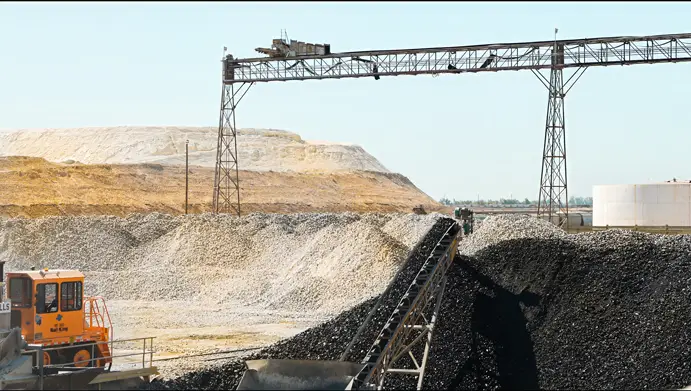
Fuel Delivery for High-Demand Mining Operations
In mining operations, fuel is far more than a consumable—it is the backbone that keeps entire equipment fleets running. Heavy-duty haul trucks, excavators, loaders, drills, and auxiliary motors consume substantial volumes of diesel every day. Unlike standard transportation or manufacturing sectors, mining demands continuous, high-volume fuel supply because equipment operates around the clock in demanding conditions with little tolerance for downtime.
Given this level of consumption, mining operations cannot rely on small or irregular fuel deliveries. Instead, specialized fuel logistics providers coordinate the transport of large volumes of diesel, lubricants, and related products to remote job sites. These logistics systems ensure fuel is available exactly when and where it is needed, helping prevent costly interruptions that can impact productivity and schedules.
As a result, fuel logistics in mining has evolved from a simple delivery function into a strategic operational necessity. Today’s mining leaders treat fuel supply infrastructure as mission-critical, integrating it into broader operational planning rather than viewing it as a basic overhead expense. With the right fuel strategy in place, mining operations can better control costs, maximize equipment uptime, and maintain consistent workforce productivity.
Managing Fuel Logistics in Demanding Mining Operations
Fuel logistics in mining require precise coordination across transportation, storage, scheduling, and safety—often in challenging operating conditions. Rugged terrain, remote locations, and limited access to distribution hubs make careful planning essential to control costs and avoid bottlenecks.
Many mining sites are located far from highways, rail access, or fuel terminals, requiring off-road transport and specialized equipment. Poor route planning or insufficient fuel inventory can quickly lead to delays, idle equipment, and lost production time.
Fluctuating fuel prices and supply chain disruptions further impact mining fuel strategies. To maintain reliability and control costs, mining operations rely on accurate forecasting and dynamic delivery scheduling. Strong fuel logistics remain a critical driver of uptime, efficiency, and operational performance.
Reducing Downtime in Mining Operations
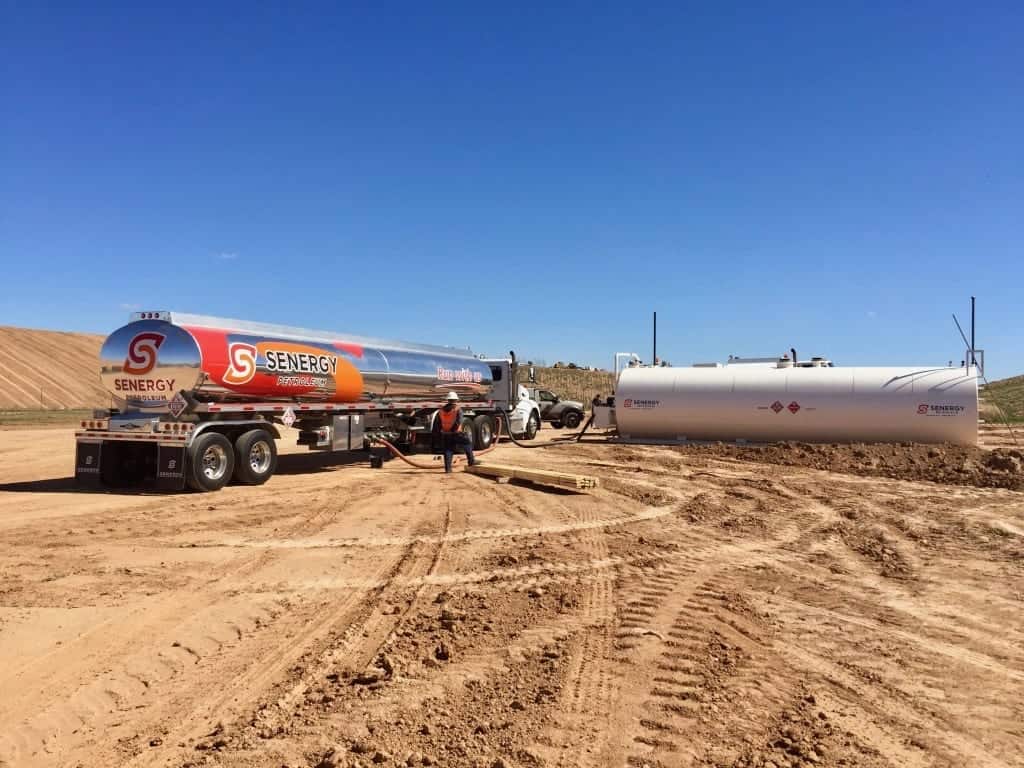
On-site refueling is a highly effective fuel management strategy in modern mining operations. By delivering fuel directly to equipment in the field, operations reduce idle time, improve safety, and maintain productivity without stopping work.
Strategically placed fuel tanks, pumps, and crews eliminate unnecessary travel to centralized fueling points, significantly reducing downtime. For mines that operate continuously, even brief refueling interruptions can lead to meaningful production losses.
On-site refueling also supports flexible delivery scheduling around shifts and maintenance windows. When paired with inventory monitoring systems, it provides real-time visibility into fuel levels and usage, supporting efficient, data-driven fuel management.
Safety-First Fuel Handling in Mining Operations
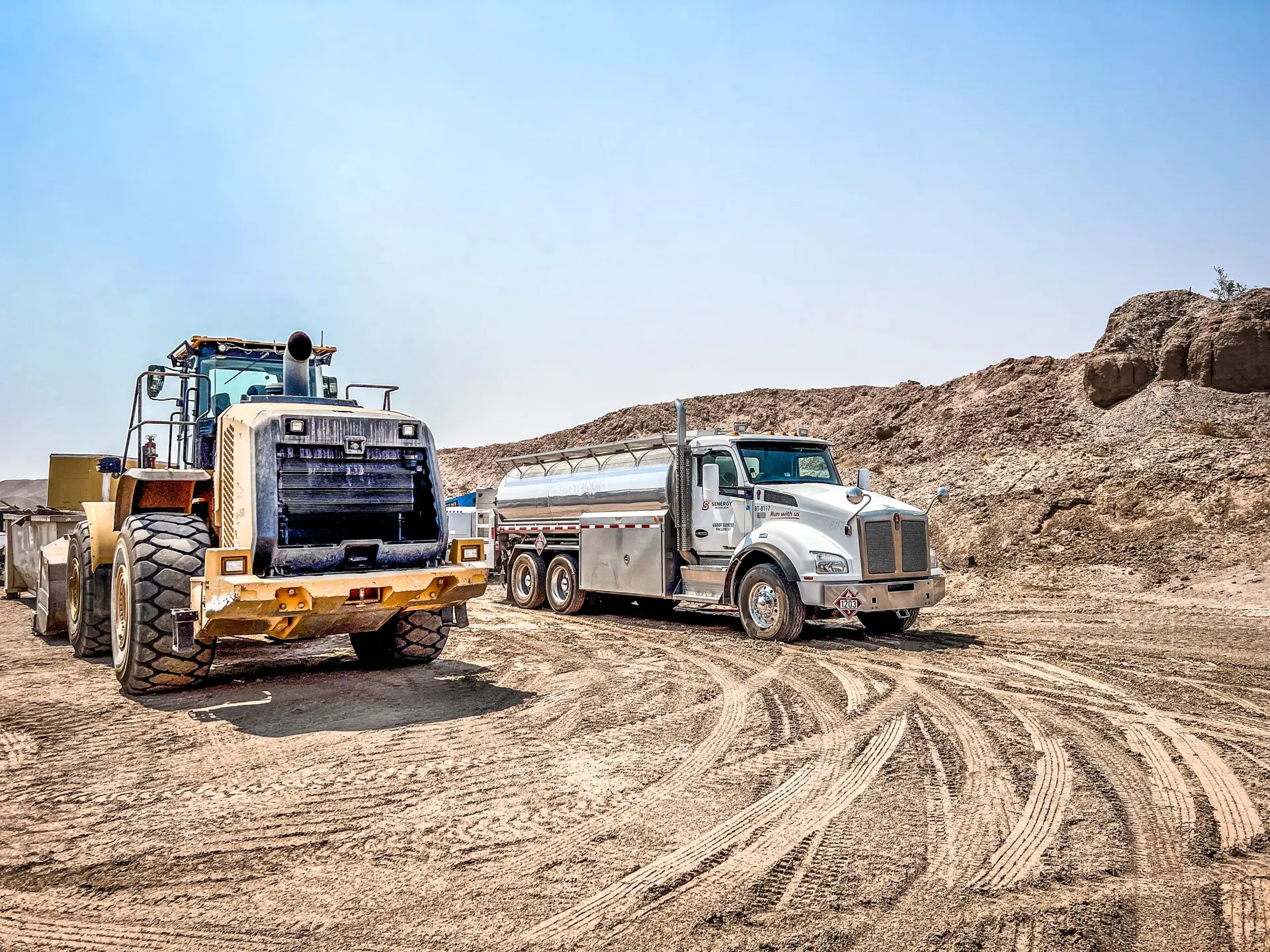
Handling, transporting, and dispensing large volumes of fuel in mining operations carries inherent risk, making safety a critical priority. Bulk fuel transportation must follow strict safety protocols to protect personnel and equipment. Mining operations rely on spill containment systems, certified transport equipment, and comprehensive driver training to reduce exposure to risk.
Fuel logistics teams are trained to comply with all applicable hazardous materials regulations and internal safety standards. Each fuel transfer—from terminal loading to on-site storage—must meet defined safety requirements. Crews routinely inspect hoses, valves, and couplings to prevent leaks, equipment failure, or transfer disruptions. Emergency response procedures are established and regularly reviewed to ensure preparedness in the event of an incident.
Because mining environments are often dusty, uneven, and remote, additional safeguards are commonly implemented. These include enhanced communication systems, automated shut-off valves, and redundant safety checks designed to minimize human error. By prioritizing safety protocols in fuel handling and transport, mining operations protect their workforce, maintain regulatory compliance, and build operational trust. A strong safety culture in fuel logistics remains a foundational element of reliable mining operations.

How Technology Is Modernizing Fuel Logistics in Mining
Advanced technology has transformed fuel logistics in mining from a reactive function into a proactive operational asset. Real-time tracking, automated fuel management systems, and telematics provide detailed visibility into equipment-level fuel use, helping improve accuracy, control usage, and plan deliveries more effectively.
Sensor-enabled storage tanks and vehicle telematics support automated resupply triggers and optimized delivery routing, improving efficiency and reducing delays. Centralized dashboards give operations teams clear insight into inventory levels, consumption rates, and delivery schedules.
By using data-driven fuel logistics, mining operations gain greater control, identify inefficiencies, and strengthen overall performance. Technology now plays a critical role in supporting reliable, cost-effective, and uninterrupted fuel supply.
Building Resilient Fuel Supply Systems for Mining Operations
Delivering large volumes of fuel to mining sites is only part of the challenge; maintaining uninterrupted availability is equally critical. Effective fuel strategies combine robust on-site bulk storage infrastructure with disciplined scheduling and redundancy planning. Mining operations commonly install multiple bulk storage tanks at strategic locations across the site to minimize refueling travel distances while providing sufficient buffer capacity.
Redundancy plays a central role in operational reliability. Backup fuel supplies and alternate delivery routes help ensure continuity if weather conditions, road access issues, or supply disruptions occur. Scheduled deliveries are planned using consumption forecasts that account for equipment utilization, seasonal demand shifts, and delivery lead times.
Predictive maintenance of transport vehicles and on-site storage systems further reduces the risk of unexpected failures that could disrupt fuel availability. Routine inspections, tank integrity testing, and quality control procedures help protect fuel quality and system performance. Together, these measures create a resilient fuel supply framework that supports continuous mining operations.
What’s Next for Fuel Logistics in Mining
The future of fuel delivery in mining is moving toward greater automation and data-driven intelligence. Advancements such as predictive analytics, automated refueling systems, and improved connectivity are helping mining operations reduce costs, improve safety, and maintain reliable fuel availability—even in remote locations.
By adopting smarter logistics tools and innovative delivery methods, mining operations can better manage high-volume fuel demands while strengthening operational resilience. Continued investment in modern fuel logistics positions mining companies to support consistent production, protect uptime, and plan confidently for long-term performance.