Fuel Considerations for Utility Fleets and Field Service Teams
Fuel represents one of the largest and most variable operating expenses for any organization managing a fleet of service vehicles. For utility and service fleets supporting electricity, water, gas, and telecommunications infrastructure, fuel is more than a cost—it is essential for crews to reach customers, respond to emergencies, and maintain critical assets. Unlike standard business fleets with predictable routes and schedules, service operations often face unpredictable demands. Crews may be dispatched at any hour to distant sites, responding to emergency calls or scheduled maintenance. Effective fuel planning is therefore critical to ensuring operational reliability and uninterrupted service.
Service providers rely on having the right quantity of fuel available at the right locations. Traditional fueling methods, which depend solely on public stations, can expose fleets to fluctuations in fuel prices, seasonal shortages, and limited access during adverse conditions. This drives many organizations to adopt fuel management solutions, including dedicated fueling infrastructure, fuel cards, and telematics-enabled tracking. To optimize cost efficiency and operational readiness, fleet managers must ensure consistent fuel availability, control costs, and maintain uninterrupted vehicle movement. Understanding the impact of fuel management on all aspects of fleet operations is essential for smarter, more strategic decision-making.
Proactive Fuel Management for Reliable Fleet Operations
Fuel price volatility remains a top concern for managers of service fleets. Fluctuating international crude costs, local delivery imbalances, and seasonal demand spikes make fuel budgeting complex. For time-sensitive field operations, running out of fuel can delay repairs, reduce customer satisfaction, and compromise operational reliability. Mitigating these risks requires proactive planning rather than reacting to monthly price changes.
One effective strategy is leveraging historical data to forecast fuel usage. By analyzing past trends, fleet managers can estimate demand during severe weather events, major infrastructure projects, or scheduled maintenance campaigns. Combining this analysis with fuel budgeting tools enables organizations to lock in costs through preferred purchasing agreements or bulk procurement strategies. Fuel cards with managed spending limits further help control expenses while reducing administrative overhead associated with manual receipts and reconciliations.
Budgeting should not be a static exercise—it must adapt in real time to changing conditions. Fuel surcharges, tax variations, and shifts in demand due to route adjustments or fleet volume all need to be incorporated into cost forecasts. Strategic planning ensures fuel costs remain predictable and aligned with operational goals, allowing service teams to focus on delivering reliable results instead of navigating unexpected price fluctuations.
Ensuring Reliable Fuel Access Across All Service Areas
For many service fleets, geographic coverage spans urban, suburban, and rural areas, creating unique challenges for fuel accessibility. While commercial fuel stations are common in city centers, remote regions may lack convenient fueling points. When crews must travel off major highways to reach public stations, refueling becomes a hidden operational cost that can impact schedules and productivity. These accessibility challenges are amplified during extreme weather events, when nearby stations may be closed or experience shortages.
To address these challenges, many organizations invest in dedicated fueling infrastructure, including fleet depots, local hubs, and substations. These facilities provide reliable access to fuel near primary work areas, reducing downtime and allowing dispatchers to assign jobs without detours for refueling. Installing and maintaining fueling stations requires adherence to regulatory and safety standards, including leak prevention, spill containment, and periodic inspections to ensure proper operation.
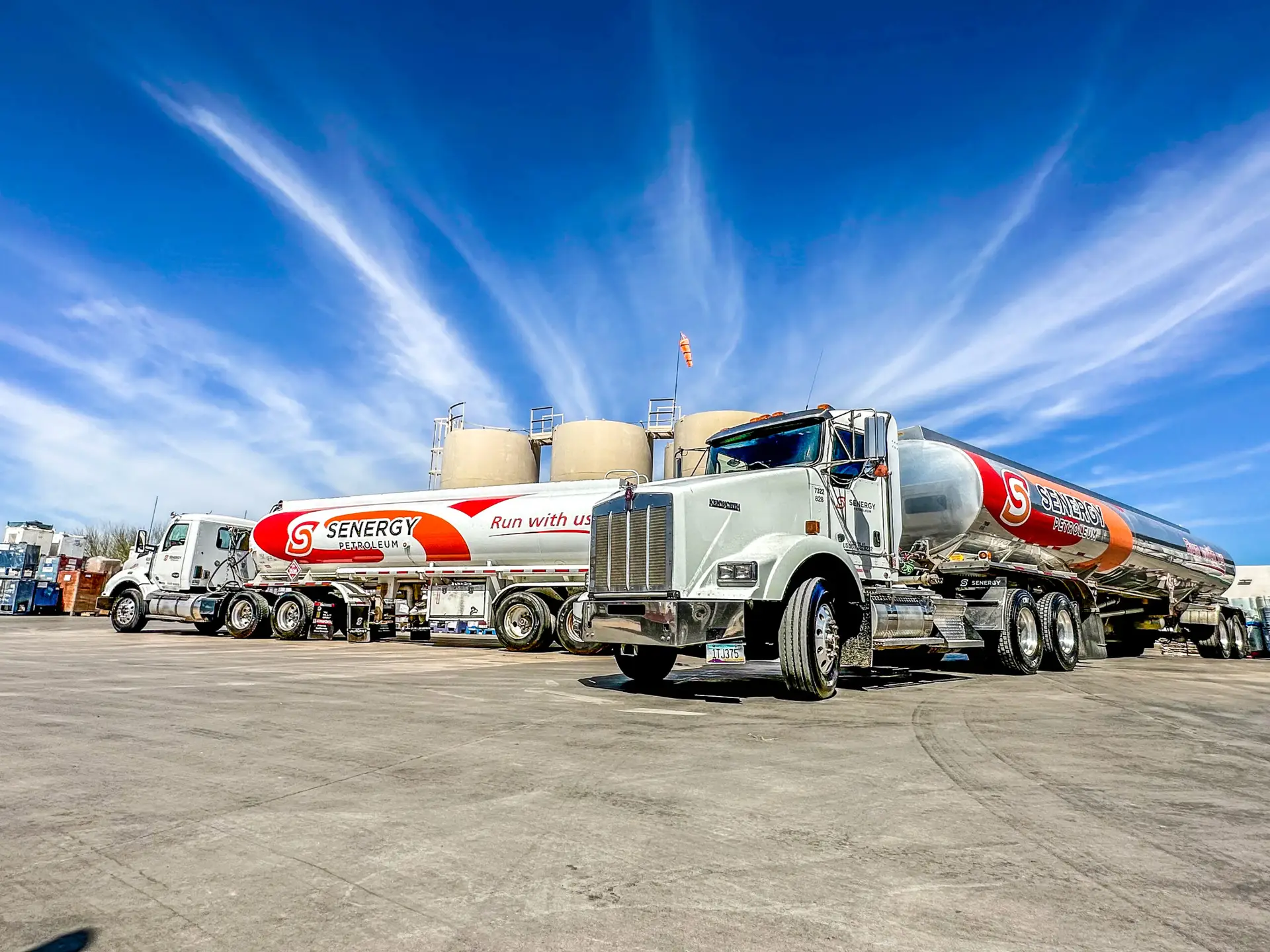
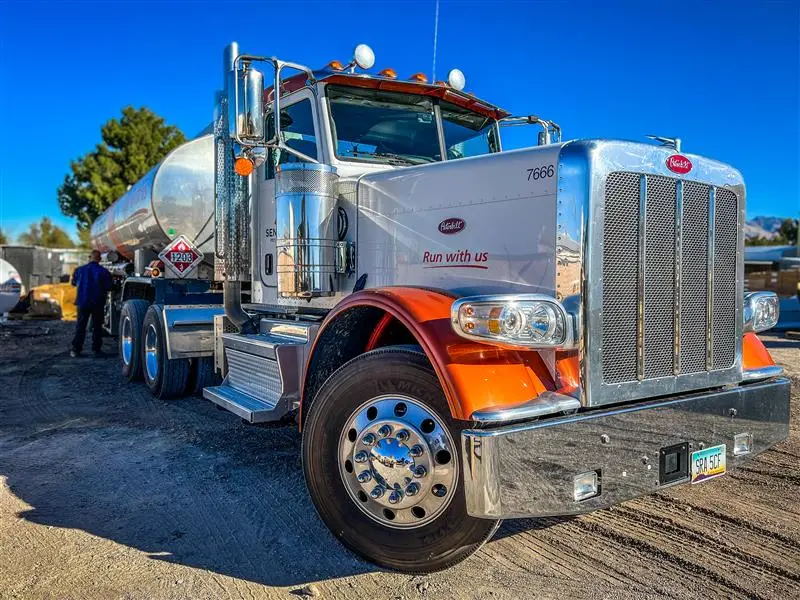
Portable fueling solutions, such as mobile fuel units, offer flexibility when permanent infrastructure is impractical. These units can travel to remote worksites or staging areas during large-scale operations, keeping service vehicles fueled without disrupting workflows. Regardless of the approach, consistent fuel access ensures field service teams can maintain momentum, meet targets, and sustain operational reliability across all service territories.

Maximizing Fuel Efficiency with Telematics
In recent years, service fleets have relied on telematics and data-driven management tools to gain tighter control over fuel consumption. Telematics systems combine GPS tracking, engine performance data, and driver behavior metrics to deliver real-time insights into fuel usage. This visibility transforms fuel from a simple expense into actionable intelligence, allowing fleet managers to understand not only how much fuel vehicles consume but also why consumption patterns occur.
Service fleets operating multiple vehicle types—including bucket trucks, pickups, and vans—use segmented fuel analytics to identify less efficient vehicles or routes that deviate from optimal plans. Telematics tracks idling, excessive acceleration, and inefficient routing, all of which increase fuel consumption. Fleet managers then address these patterns through driver training, route optimization, or operational adjustments.
Data also informs broader decision-making. Fleet managers analyze historical trends to forecast fuel demand during peak seasons or critical project phases. They set alerts for unusual fuel drops, which can indicate theft or equipment issues. Using telematics and analytics improves transparency, strengthens accountability, and ensures fleets use fuel efficiently, supporting both operational reliability and cost control.
Prioritizing Safety and Compliance in Fuel Management
For service operations, fuel management goes beyond financial and logistical concerns—organizations must actively prioritize safety and regulatory compliance. Fuel poses serious hazards, and improper handling can cause spills, fires, or operational incidents. Fleet managers must follow regulatory requirements for storage, transportation, and usage, including containment standards and reporting obligations. Ignoring these requirements can result in fines, legal liability, and reputational damage.
Fleet managers integrate safety protocols into every aspect of fueling operations. They train drivers on safe refueling procedures and conduct regular assessments of pumps and storage tanks to reduce risk. Managers also develop emergency response plans to handle fuel leaks or accidents, establishing clear communication channels and containment strategies.
A well-managed fuel supply system promotes operational safety, keeps fleets in compliance with regulations, and strengthens long-term reliability and resilience across service operations.
Training, Policies, and Driver Engagement
Effective fuel management depends on well-trained and engaged personnel. In service fleets with multiple crews and schedules, clear policies and training programs are essential. Drivers must understand proper fueling procedures, reporting protocols, and the use of fuel monitoring or telematics systems.
Establishing expectations for fuel use, idling, route planning, and documentation—along with recognizing strong performance—turns fuel management into a shared responsibility. When drivers are actively involved, fuel efficiency becomes a natural part of daily operations, supporting both reliability and cost control.