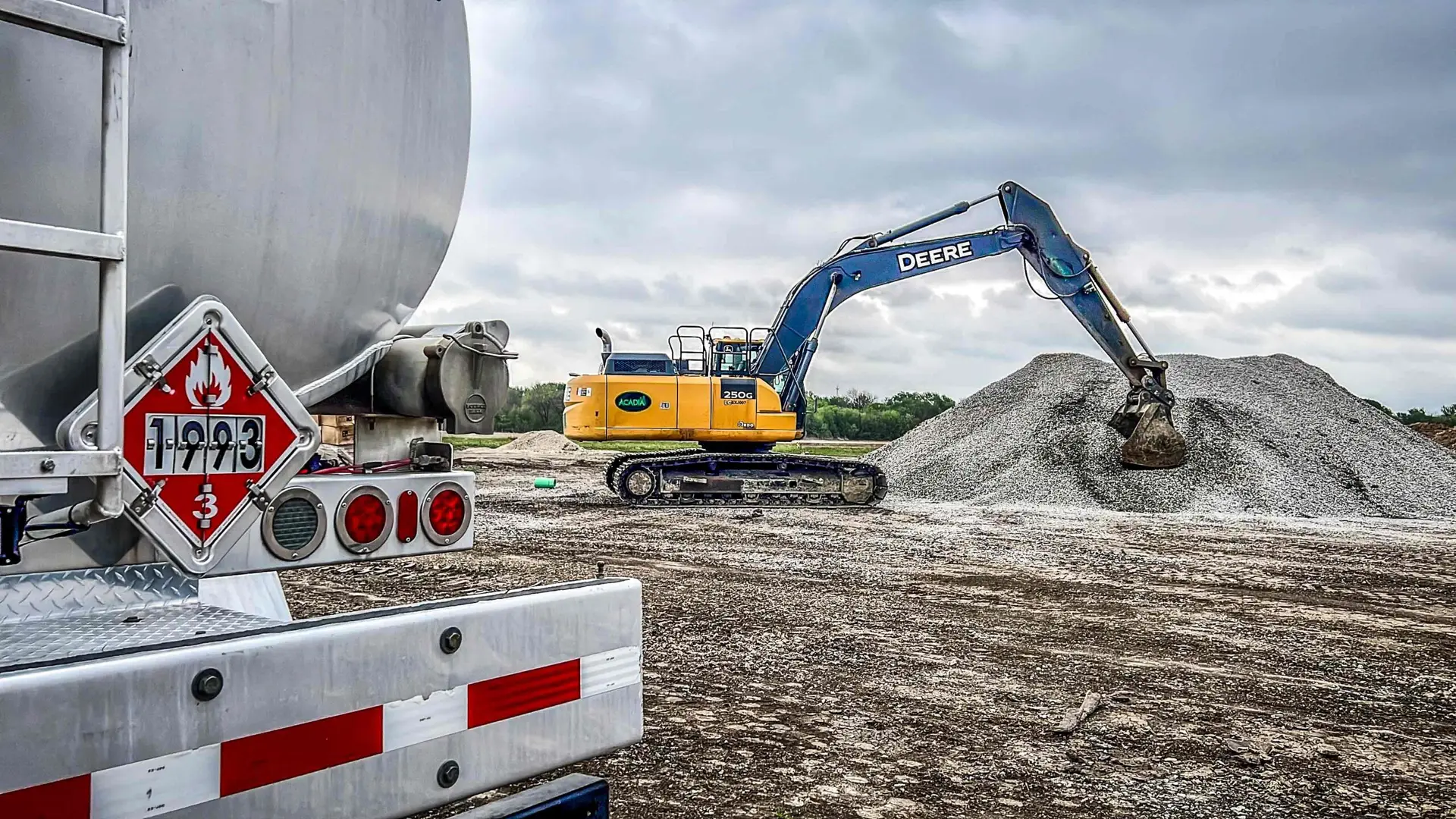
Fuel Budgeting Strategies for Growing Construction Companies
Fuel is not only an operational necessity for growing construction companies, but also one of the most significant and volatile cost factors. Maintaining profitability requires effective fuel budgeting, particularly as projects increase in scale and equipment usage intensifies. Without a clear budgeting system, companies may face unexpected costs that disrupt financial planning and project timelines.
Several factors influence fuel consumption in construction, including equipment type, project size, terrain, and project duration. As operations expand, these variables become more complex and difficult to manage. A structured approach to fuel budgeting enables companies to better forecast costs and allocate resources efficiently.
Cost control is another critical component. Monitoring fuel consumption across projects helps identify inefficiencies such as excessive idling or equipment misuse. This visibility allows managers to take corrective action, reduce waste, and improve overall productivity.
Fuel budgeting also supports strategic decision-making. It helps companies evaluate whether to invest in more fuel-efficient equipment or optimize existing assets. Additionally, it strengthens competitive bidding by ensuring project estimates are both accurate and profitable.
Common Fuel Budgeting Challenges in Expanding Construction Operations
As construction companies grow, managing fuel costs becomes increasingly complex. One of the primary challenges is fuel price volatility. Market fluctuations can significantly impact budgets, making it difficult to maintain cost stability across long-term projects.
Another key challenge is the lack of accurate data. Many companies still rely on manual tracking systems, which can lead to errors and inconsistencies. Without reliable data, it becomes difficult to implement effective fuel management strategies or identify areas for improvement.
Geographic expansion also adds complexity. Projects in remote or multiple locations may face varying fuel prices and supply chain constraints. This variability makes it more difficult to standardize budgeting practices and maintain consistency across operations.
Equipment diversity is another important factor. Different machines consume fuel at different rates, and older equipment may operate less efficiently. Without proper monitoring, these variations can lead to inaccurate budgeting and increased operational costs.
Fuel Cost Forecasting for Accurate Construction Budgeting
Effective construction budgeting depends on accurate fuel cost forecasting. Forecasting involves analyzing historical data, monitoring market trends, and evaluating upcoming project requirements to estimate future fuel expenses. This proactive approach helps companies anticipate price fluctuations and avoid unexpected costs.
Data analysis is a critical component of fuel cost forecasting. By reviewing historical fuel usage, companies can identify patterns and project future demand. This includes understanding how different types of equipment perform under varying conditions and how project timelines influence fuel consumption.
Market analysis also plays an important role. Fuel prices are influenced by global factors such as supply and demand, geopolitical activity, and economic conditions. Staying informed on these trends allows companies to adjust forecasts and better manage cost variability.
Project-specific variables must also be considered. Each construction project has unique requirements based on location, duration, and equipment usage. Incorporating these factors into forecasting models improves accuracy and supports more reliable budgeting.
Maximizing Savings with Bulk Diesel Purchasing
Bulk diesel purchasing is an effective strategy for reducing fuel costs. Buying fuel in larger volumes allows construction companies to secure lower per-unit pricing, resulting in meaningful long-term savings.
Bulk purchasing also provides greater price stability. Locking in fuel at a fixed rate helps protect against market fluctuations, which is especially valuable for long-term projects where price volatility can significantly impact budgets.
Another key advantage is improved supply reliability. Maintaining a dedicated fuel supply helps prevent disruptions caused by shortages or delayed deliveries. This is particularly important for projects in remote areas where fuel availability may be limited.
However, bulk purchasing requires careful planning. Companies must ensure they have appropriate storage capacity and safety measures in place to handle large fuel volumes. Accurate demand forecasting is also essential to avoid excess inventory or underutilization.
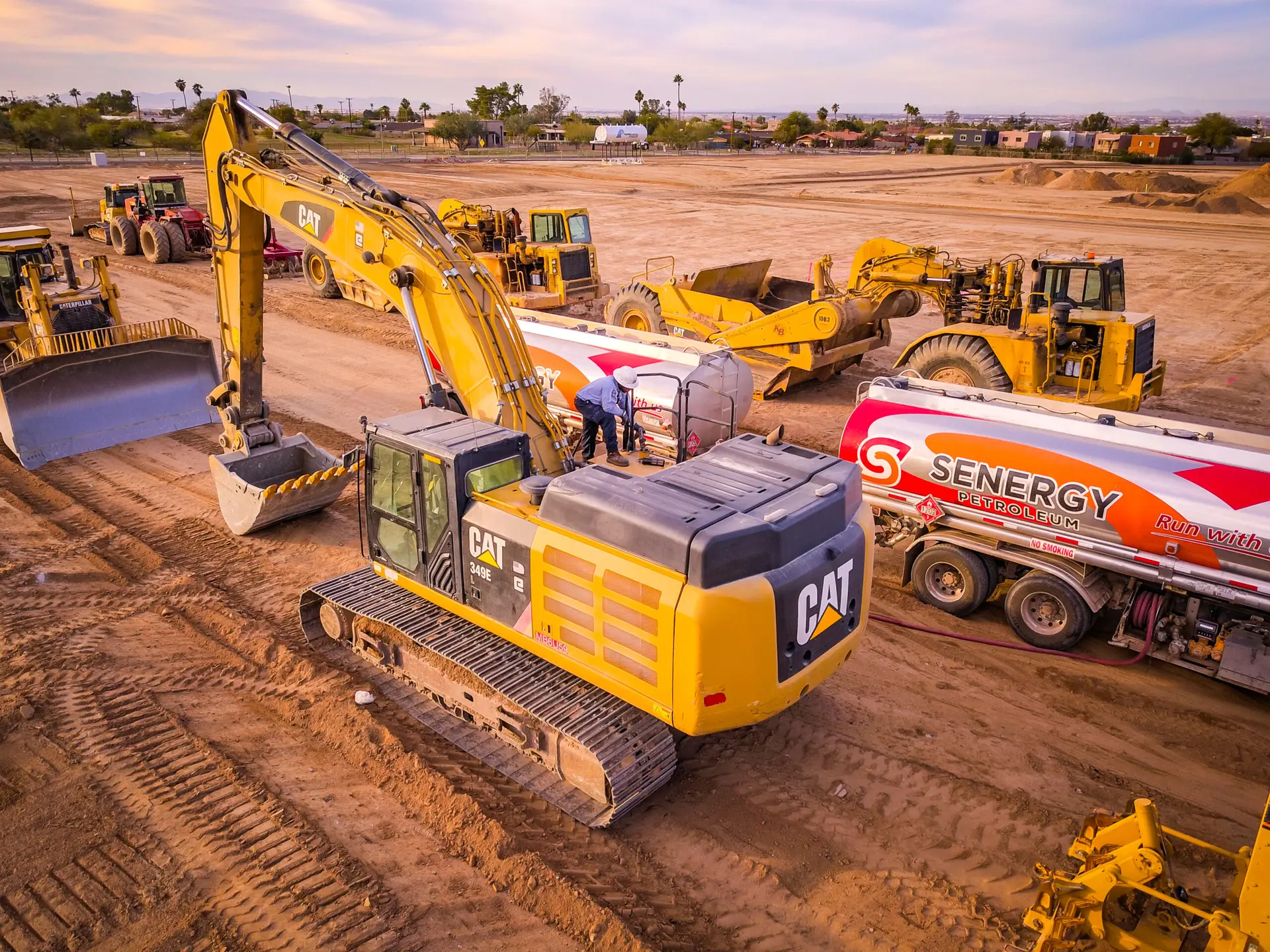
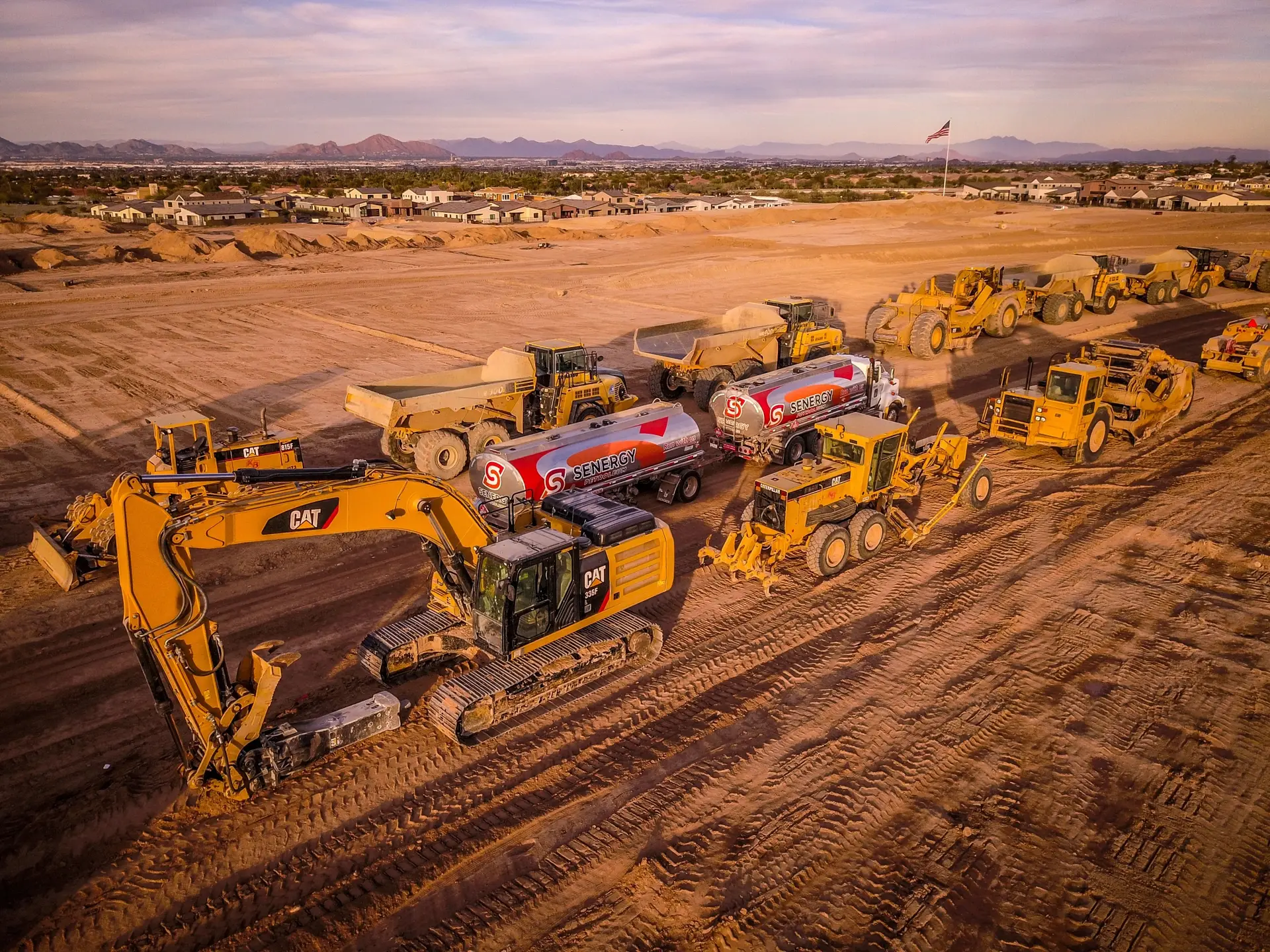
Improving Efficiency with Advanced Fuel Management Systems
The adoption of advanced fuel management systems is becoming increasingly common among construction companies seeking to improve efficiency and control costs. These systems leverage technology to monitor fuel usage, track consumption trends, and provide real-time operational insights.
One of the primary benefits is enhanced visibility. Fuel management systems collect data from equipment and storage locations, offering a clear and detailed view of fuel usage. This level of insight helps identify inefficiencies and uncover opportunities for cost reduction.
Automation is another significant advantage. By reducing the need for manual tracking, automated systems save time and minimize the risk of errors. Real-time monitoring also enables managers to quickly address issues as they arise, improving overall operational responsiveness.
Additionally, fuel management systems help prevent theft and unauthorized usage. Features such as access controls and usage tracking ensure that fuel is used appropriately and accounted for across all operations.
Optimizing Equipment Use to Reduce Fuel Costs
Efficient equipment utilization is a key factor in reducing fuel consumption for construction companies. By optimizing how machinery is used, businesses can significantly lower fuel costs while improving overall operational efficiency.
Reducing idle time is one of the most effective strategies. Equipment that remains running without performing work continues to consume fuel without adding value. Implementing policies to minimize unnecessary idling can lead to substantial cost savings.
Regular maintenance is also essential. Well-maintained equipment operates more efficiently and consumes less fuel. Routine inspections and timely repairs help ensure machinery performs at optimal levels and avoids unnecessary fuel waste.
Operator training is another important component. Skilled operators understand how to run equipment efficiently, reducing fuel consumption and minimizing wear and tear. Structured training programs help teams adopt best practices that support fuel efficiency and consistent performance.
Fuel Budgeting with Data-Driven Insights
Data-driven decision-making is transforming how construction companies approach fuel budgeting. By leveraging real-time and historical data, businesses can identify trends, improve accuracy, and allocate resources more effectively.
Predictive analytics further strengthens planning by forecasting future fuel consumption and costs, helping companies stay ahead of potential challenges. Data also supports performance benchmarking, allowing teams to compare usage across projects and identify opportunities for improvement.