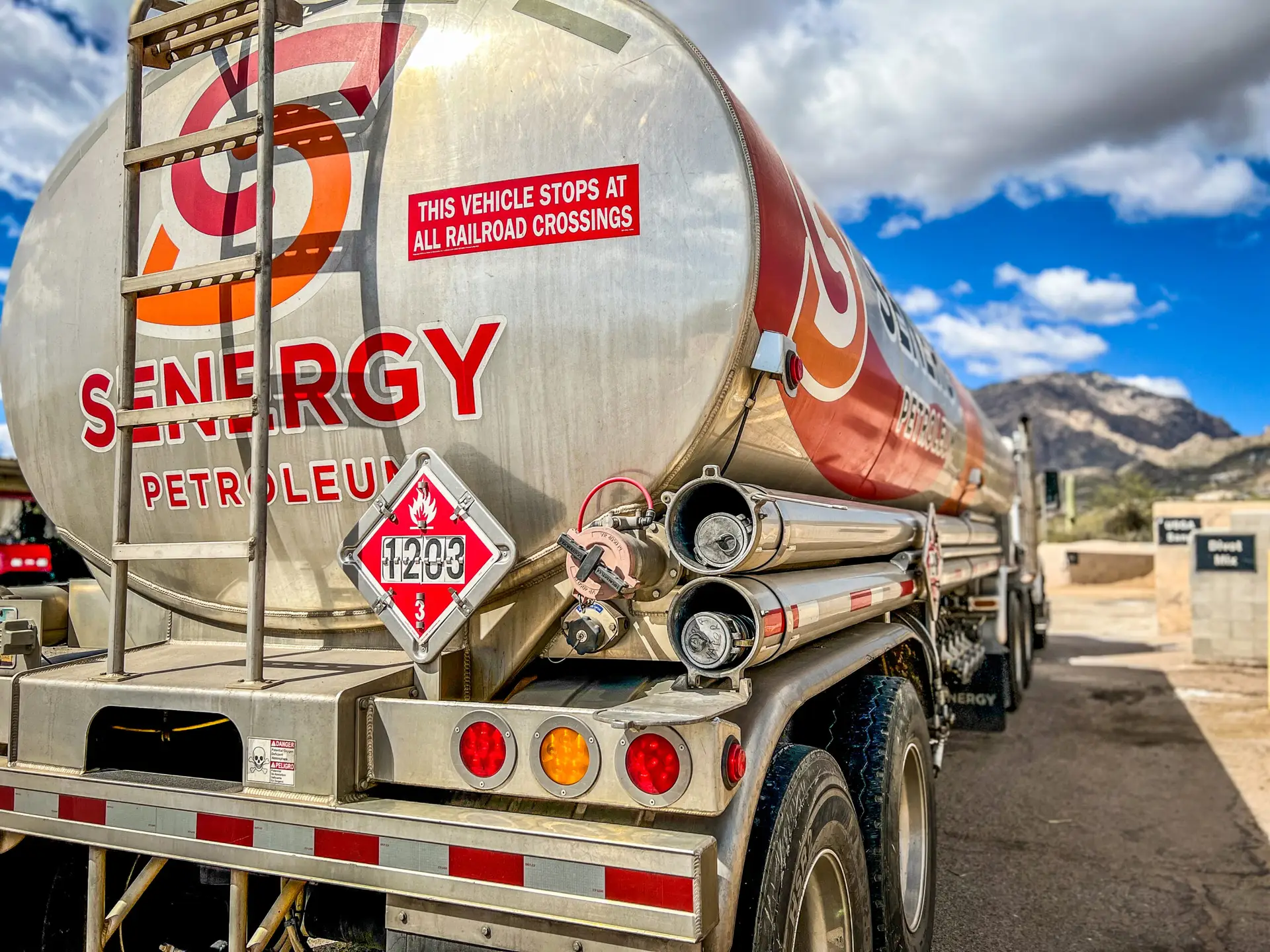
Fuel and Lubrication Solutions for Oilfield Operations
Oilfield operations depend on more than skilled crews and dependable equipment. Every drilling site, production facility, and service location relies on a steady supply of quality fuel and carefully selected lubricants to keep machines running without unnecessary delays. From drilling rigs to heavy construction equipment, every asset performs better when it receives the right products at the right time. A reliable fuel and lubrication strategy helps companies lower operating costs, improve equipment uptime, and reduce unexpected repairs.
As production demands continue to grow across major U.S. energy regions like the Permian Basin, Eagle Ford, Bakken Formation, and Marcellus Shale,businesses are placing greater emphasis on efficient fuel management, dependable industrial lubricants, and professional oilfield services. These solutions support safer operations, improve machine performance, and allow maintenance teams to focus on productivity rather than reacting to equipment failures.
Why Fuel and Lubrication Matter in Oilfield Operations
Modern oilfields operate around the clock under demanding conditions. Drilling rigs, mud pumps, hydraulic power units, frac pumps, generators, compressors, and heavy equipment work for extended hours while facing dust, heat, vibration, and changing weather. Without dependable fuel delivery and proper lubrication, equipment efficiency quickly declines, increasing downtime and maintenance expenses.
A complete maintenance strategy starts with high-quality Diesel Fuel, Ultra-Low Sulfur Diesel (ULSD), Off-Road Diesel, and Red Dyed Diesel delivered through dependable Bulk Fuel programs. Mobile Fueling, On-Site Fueling, and Fleet Fueling reduce unnecessary travel while supporting continuous production. At the same time, carefully selected industrial lubricants protect moving components from excessive wear, corrosion, and heat buildup, helping machines perform consistently throughout demanding work schedules.
Building a Reliable Fuel Management Program
Successful oilfield fueling begins with proper planning instead of emergency deliveries. Fuel Storage Tanks, Day Tanks, Fuel Transfer Pumps, Fuel Filters, Fuel Meters, and Tank Monitoring Systems work together to maintain a steady fuel supply while improving inventory control. Fuel Monitoring also helps operators identify changes in Fuel Quality before contamination affects expensive equipment.
Fuel Contamination caused by water, dirt, or poor storage conditions can reduce engine life and increase repair costs. Regular Fuel Filtration, Fuel Additives, and Fuel Stabilizers help maintain fuel cleanliness while protecting engines during seasonal temperature changes. Companies that invest in organized Fuel Logistics and Emergency Fuel Supply programs often experience fewer interruptions and better overall equipment availability.

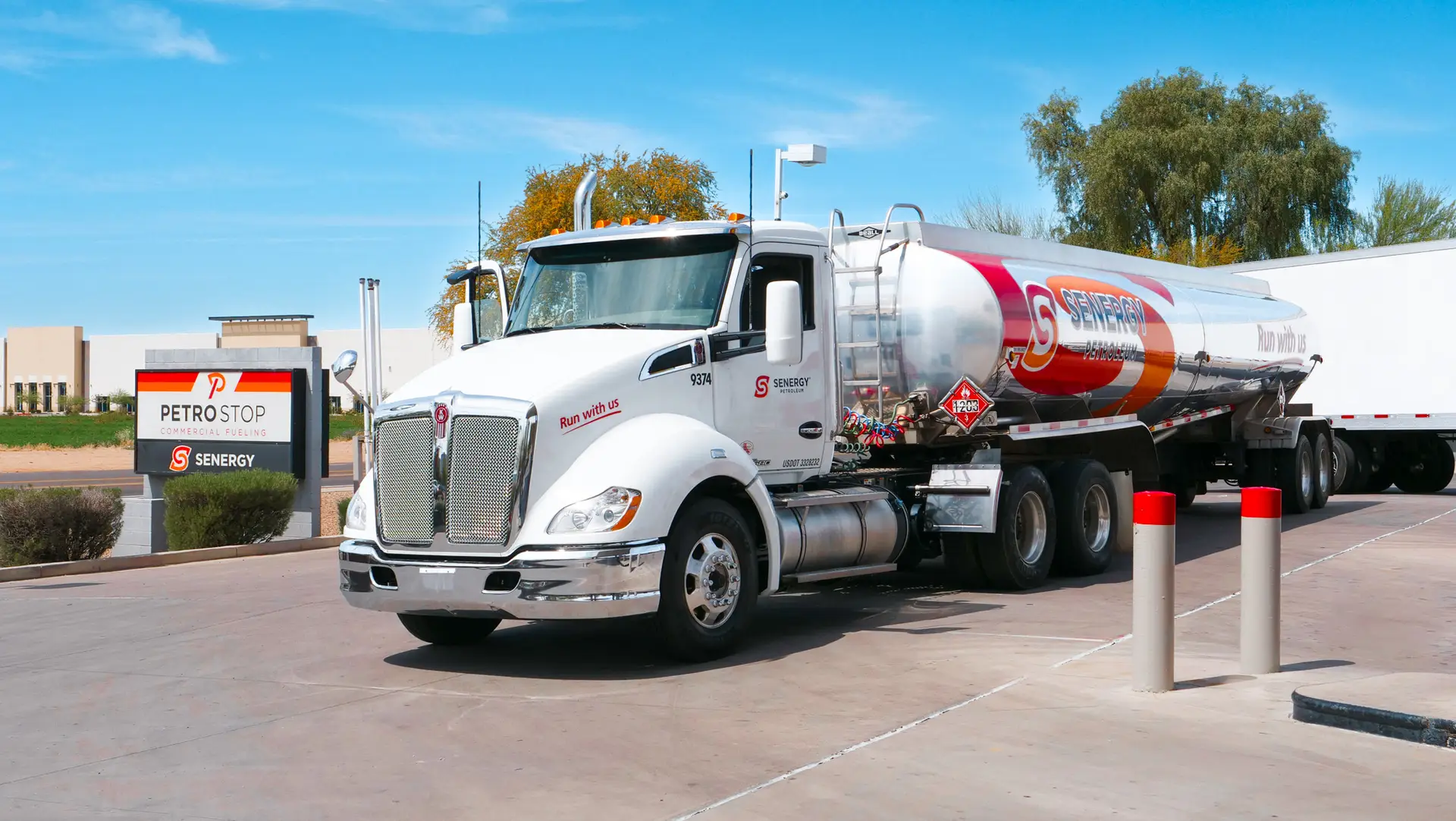
Choosing the Right Industrial Lubricants for Heavy Equipment
Selecting the correct industrial lubricants requires more than matching viscosity grades. Every machine has unique operating requirements based on load, temperature, pressure, and manufacturer recommendations. Engine Oil, Hydraulic Oil, Gear Oil, Transmission Fluid, Compressor Oil, and high-performance Grease each serve a specific purpose in protecting valuable components.
Key performance factors include Viscosity Grade, API Rating, OEM Approval, Thermal Stability, Oxidation Resistance, Wear Protection, Anti-Wear Properties, Rust Prevention, Corrosion Resistance, Foam Resistance, Water Separation, and Shear Stability. High-quality synthetic products often provide longer drain intervals while maintaining excellent performance during both high-temperature and cold-weather conditions. Choosing the proper Lubricant also supports longer equipment life and improved machine reliability without increasing maintenance complexity.
Maintenance Practices That Improve Equipment Reliability
Preventive Maintenance remains one of the most effective ways to improve equipment performance throughout an oilfield operation. Routine inspections combined with Oil Analysis, Oil Sampling, Wear Monitoring, and Condition Monitoring allow maintenance teams to identify developing issues before they become expensive failures. These practices support Predictive Maintenance and Reliability-Centered Maintenance while helping companies make informed repair decisions.
Lubrication Management should include organized storage, contamination control, scheduled servicing, and accurate maintenance records. Automatic Lubrication Systems reduce manual servicing while ensuring bearings and moving components receive consistent protection. When supported by Asset Management and Maintenance Planning, these efforts reduce Machine Downtime, improve Equipment Availability, and extend the overall Asset Lifecycle.
Supporting Oilfield Services with Integrated Fluid Solutions
Reliable oilfield services depend on much more than equipment maintenance alone. Fuel delivery, lubricant management, hydraulic fluid support, and inventory planning all contribute to operational efficiency across drilling, completion, production, and pipeline maintenance activities. Service providers that coordinate these resources create smoother workflows while reducing delays caused by supply shortages.
Many operators also incorporate specialized Cleaning Fluid Solutions to maintain hydraulic systems, fuel storage equipment, and production components. Combined with Industrial Oil Analysis and regular inspections, these practices improve machine protection while reducing contamination risks. Proper handling of DEF (Diesel Exhaust Fluid), spill prevention measures, and environmental compliance further strengthen safe and responsible field operations.
Long-Term Benefits of Fuel and Lubrication Solutions
Investing in dependable oilfield fueling, premium industrial lubricants, and experienced oilfield services delivers measurable benefits across every stage of production. Equipment experiences less wear, engines maintain better fuel economy, hydraulic systems operate more efficiently, and maintenance teams spend less time responding to unexpected breakdowns. These improvements directly support higher productivity and lower operating costs.
Companies operating in demanding environments understand that reliable fuel management and lubrication programs are long-term investments rather than routine operating expenses. By focusing on Fuel Quality, Equipment Uptime, Machine Reliability, Maintenance Costs, Environmental Compliance, and continuous operational improvement, oilfield businesses can maximize asset performance while keeping projects on schedule. A well-planned strategy built around quality products, preventive maintenance, and dependable field support creates a stronger foundation for safe, efficient, and profitable operations throughout the U.S. energy industry.