
Fuel and Lubrication Solutions for Construction Equipment
Construction operations rely on continuous equipment performance, and fuel plays a critical role in maintaining productivity. More than a consumable, fuel directly impacts engine power, efficiency, and overall project timelines. Poor-quality fuel or ineffective fuel management can lead to increased downtime, reduced productivity, and higher operating costs.
Equipment health is closely tied to fuel quality and efficiency. With clean, properly maintained fuel systems, engines burn fuel more effectively and deliver optimal power output. In contrast, contaminated or low-grade fuel can damage injectors, clog filters, and reduce combustion efficiency. Following industry best practices for fuel management helps minimize operating costs while maximizing equipment performance.
Modern construction companies are adopting advanced fuel monitoring systems to track consumption and identify operational inefficiencies. These systems enable better control over refueling schedules and help reduce unnecessary idling—a major source of fuel waste—ultimately improving overall efficiency.
Protecting Construction Equipment with High-Performance Lubrication
Lubricants play a critical role in protecting heavy equipment from wear, heat damage, and contamination. They create a protective barrier between moving components, reducing friction and preventing direct metal-to-metal contact. Without proper lubrication, parts can wear prematurely, leading to costly repairs and operational delays.
Beyond friction reduction, lubricants serve multiple essential functions. They help dissipate heat, prevent corrosion, and carry contaminants away from critical components. In demanding construction environments—where dust, moisture, and extreme temperatures are common—high-quality lubricants are essential for maintaining equipment reliability and performance.
Industry research consistently shows that proper lubrication extends equipment life and improves reliability by reducing mechanical stress. Selecting the right lubricant—based on viscosity, additives, and specific application requirements—is key to achieving optimal performance.
Streamlining Job Site Operations with Efficient Fuel Delivery
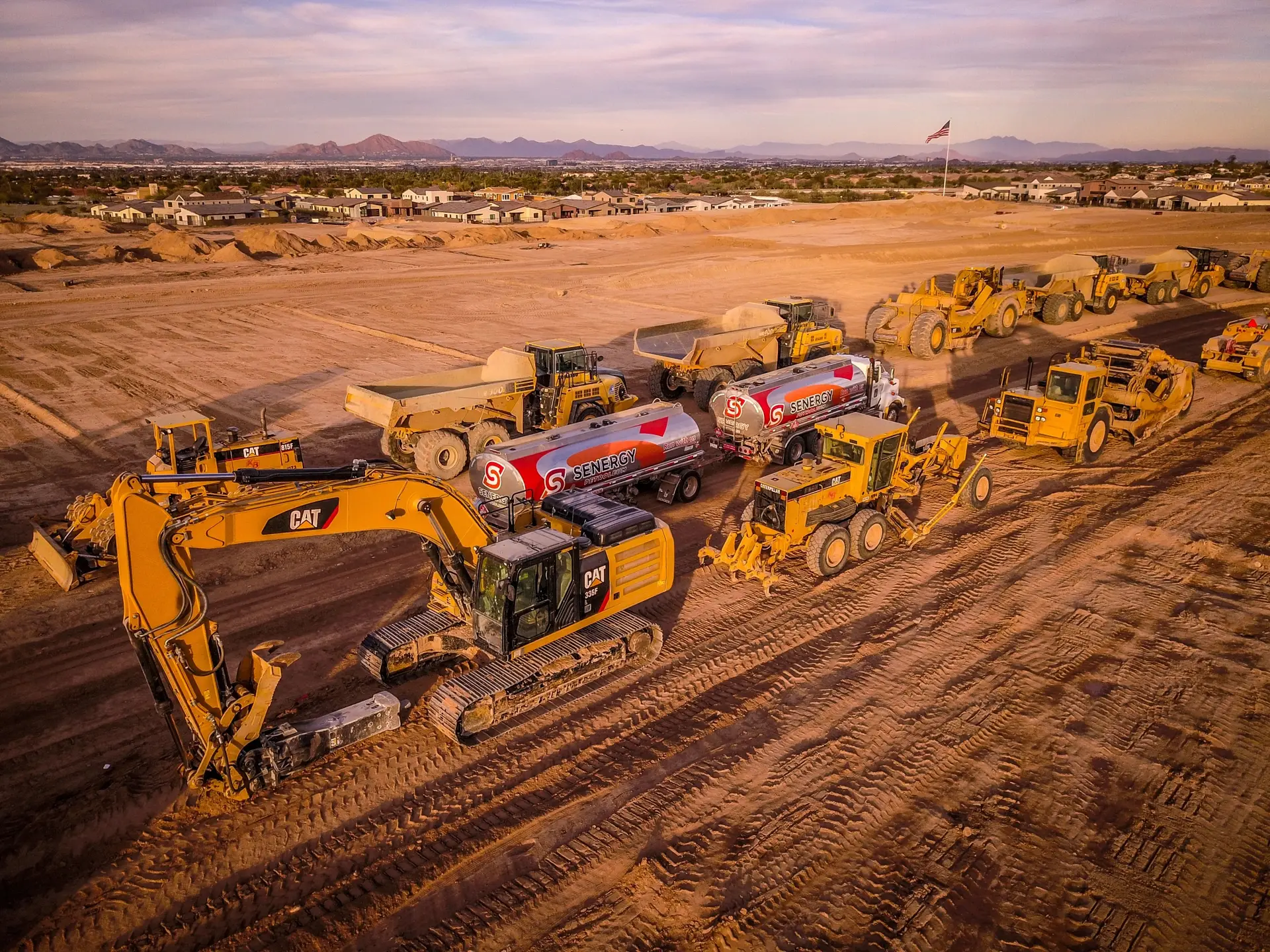
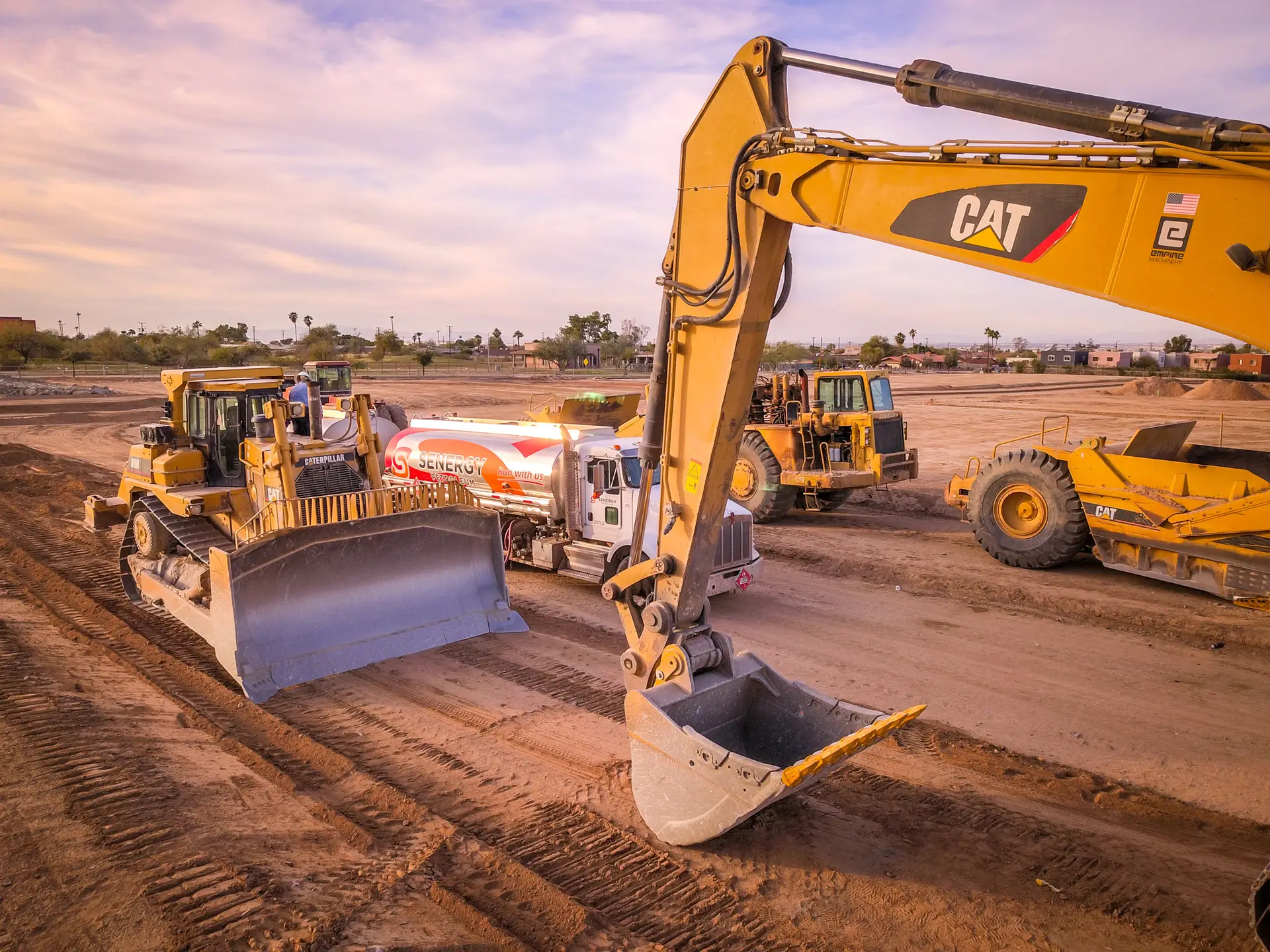
Efficient fuel delivery at the job site has become a standard component of modern construction operations. Rather than relying on off-site refueling, many companies now utilize on-site fueling services to keep equipment running without interruption.
On-site fuel delivery ensures that equipment remains on the job site, significantly reducing downtime. This approach not only saves time but also lowers labor costs and improves overall productivity. Reliable fuel delivery services ensure that equipment is fueled when needed, helping prevent costly delays.
Effective fuel delivery requires careful coordination. Deliveries must be strategically scheduled to avoid disrupting operations, and proper safety measures should be in place to prevent spills and accidents. Industry best practices emphasize the importance of trained personnel, secure connections, and accurate fuel tracking throughout the delivery process.
Enhancing Equipment Reliability Through Proper Fuel Quality Management
Fuel quality plays a critical role in the effectiveness of equipment maintenance programs. High-quality fuel promotes cleaner combustion, reduces engine deposits, and minimizes wear on critical components. In contrast, contaminated or low-grade fuel can lead to clogged injectors, blocked filters, and decreased engine performance.
Construction equipment often operates in harsh conditions where exposure to dust, water, and debris increases the risk of fuel contamination. Maintaining fuel integrity through proper storage and handling practices is essential. Utilizing filtration systems and sealed storage solutions helps prevent contamination and ensures consistent fuel performance.
Effective fuel management also involves regularly monitoring fuel consumption and condition. Tracking usage patterns can help identify inefficiencies such as excessive idling or improper equipment use. These insights enable companies to take corrective action and improve overall fuel efficiency.
Industry research shows that combining strong fuel management practices with routine maintenance can significantly extend equipment lifespan and reduce repair costs.
Maximizing Heavy Equipment Performance
Effective management of heavy equipment lubricants requires a systematic approach encompassing selection, storage, and usage. The first step is choosing the correct lubricant based on equipment specifications and operating conditions. Using the wrong lubricant can lead to reduced performance and accelerated wear.
Proper storage is equally important. To prevent contamination, lubricants should be kept in clean, sealed containers. Exposure to moisture, dust, or extreme temperatures can compromise their effectiveness. Industry guidelines recommend storing fluids in controlled environments to maintain integrity.
Regular monitoring and maintenance are essential for optimal lubrication. Operators should routinely check lubricant condition, and periodic analysis can identify contamination or degradation. This proactive approach helps detect potential issues before they result in equipment failure.
Adhering to these best practices allows construction companies to maximize the benefits of heavy equipment lubricants, extending equipment life and improving operational efficiency.
Enhancing Equipment Reliability
A comprehensive equipment maintenance program should integrate both fuel and lubrication management to achieve optimal results. These elements are closely interconnected and play a critical role in ensuring machine reliability and performance.
Fuel and lubricants are essential to the operation of heavy machinery. When managed effectively, they maintain engine performance, reduce wear, and support overall operational efficiency. A robust maintenance plan includes regular inspections, scheduled servicing, and consistent monitoring of fluid levels and quality.
Advanced fuel tracking and lubrication control systems provide valuable insights into equipment performance. These tools allow companies to monitor consumption patterns, detect anomalies, and optimize maintenance schedules.
Research indicates that proactive fluid management reduces downtime, lowers maintenance costs, and enhances overall productivity. Early identification of potential issues helps prevent costly repairs and extends the lifespan of equipment.
Equipment Performance with Integrated Fuel and Lubrication
A comprehensive equipment maintenance program should integrate fuel and lubrication management to achieve optimal results. Both elements are closely linked and play a vital role in ensuring machine reliability and performance.
Fuel and lubricants are essential to heavy machinery operations. When managed effectively, they keep engines running smoothly, minimize wear, and maintain operational efficiency. A successful maintenance plan includes regular inspections, scheduled servicing, and consistent monitoring of fluid levels and quality.
Fuel tracking and lubrication control systems provide valuable insights into equipment performance. These systems allow companies to monitor consumption patterns, detect anomalies, and optimize maintenance schedules.
Research shows that proactive fluid management reduces downtime, lowers maintenance costs, and enhances overall productivity. Early identification of potential issues helps prevent costly repairs and extends the lifespan of equipment.
Advancing Jobsite Efficiency
The future of jobsite fuel and lubrication management is centered on efficiency and digital integration. Cloud-based systems allow for real-time monitoring, predictive maintenance, and data-driven decision-making, helping companies optimize resource use and streamline operations. Additionally, combining fuel delivery with comprehensive fluid management services simplifies logistics and ensures a consistent supply of fuel and lubricants, reducing downtime and enhancing overall productivity.