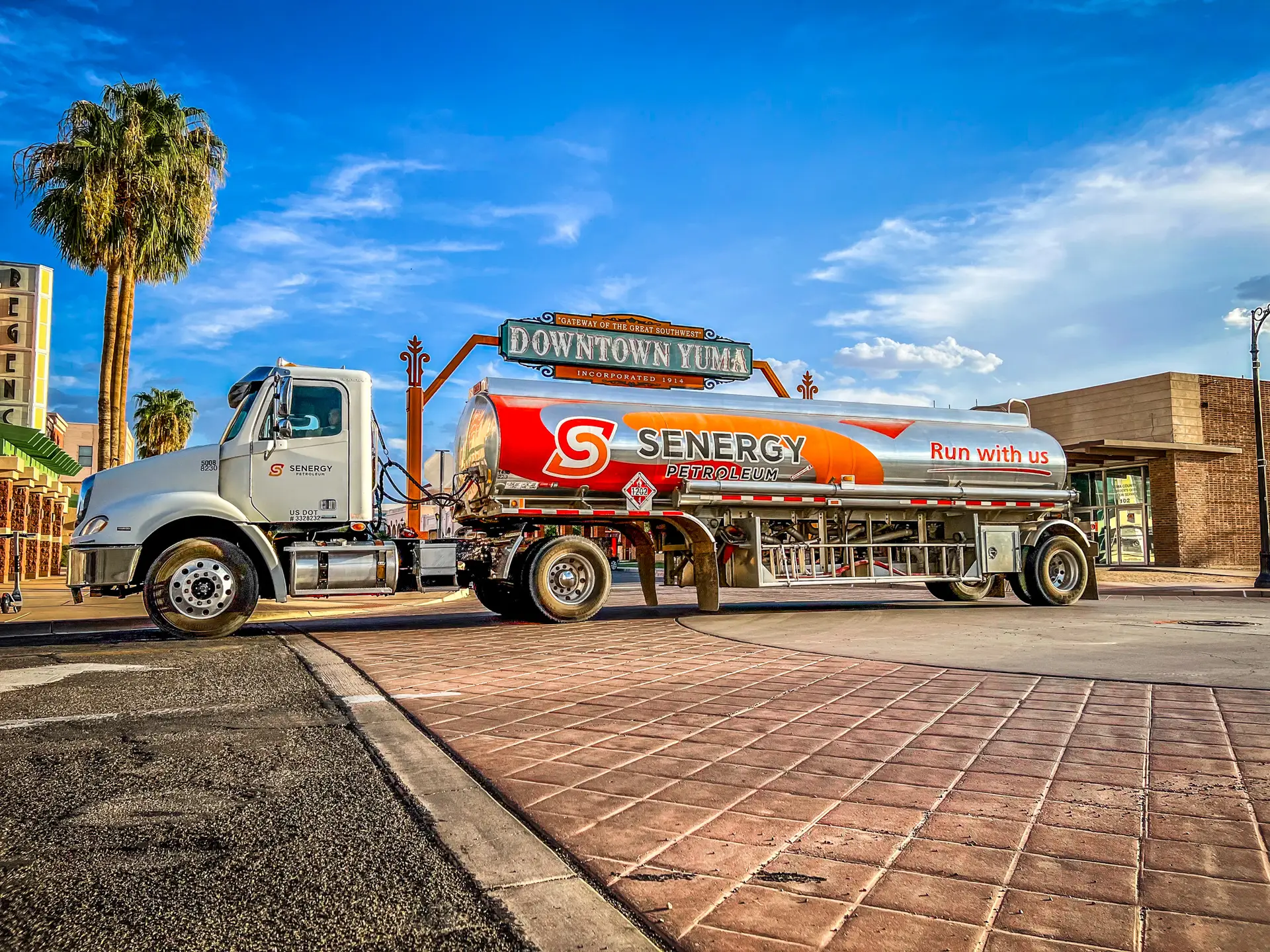
Fuel and Lubricants: The Power Behind Productivity
Every business that relies on heavy-duty equipment—whether in agriculture, construction, transportation, or government operations—knows that productivity depends on how well machines perform day after day. Fuel and lubricants are essential to this performance. Diesel fuel provides the power and torque required for demanding work, while lubricants keep components moving smoothly, reducing wear and extending equipment life. Together, they create a foundation for reliability and lower operating costs. This powerful combination helps companies minimize downtime, meet deadlines, and maintain profitability. Businesses that prioritize the right diesel blends and lubricants for their fleets gain a clear advantage in performance and long-term durability. It’s not just about keeping engines running—it’s about protecting investments and ensuring operational success across every job site and fleet.
Understanding Diesel Fuel in Modern Equipment
Diesel remains the fuel of choice for heavy-duty fleets because of its energy density and ability to deliver maximum torque at lower RPMs. This makes it ideal for construction equipment, farm tractors, semi-trucks, and government vehicles tasked with hauling or continuous operation. For businesses, selecting the right fuel source is more than a matter of cost—it directly impacts engine life, maintenance schedules, and overall reliability. When paired with the proper lubricants, diesel engines can deliver thousands of operating hours without major repairs. Fuel selection is not just a routine purchase—it is a strategic decision for fleet operations seeking consistent productivity.
The Critical Role of Lubricants in Heavy-Duty Fleets
Lubricants are the unsung heroes behind reliable fleet performance. While diesel provides the power, lubricants ensure that every piston stroke, gear rotation, and hydraulic movement operates smoothly and without damage. High-quality lubricants form protective layers that reduce friction, control temperature, and prevent wear in engines and transmissions. They also disperse contaminants and extend oil drain intervals, helping reduce maintenance costs. For equipment operating under heavy loads, high pressure, or demanding conditions, the right lubricant choice can be the difference between maximum uptime and costly repairs. Fleet operators who invest in premium lubricants experience fewer breakdowns, better fuel efficiency, and longer equipment lifespans. Choosing lubricants specifically engineered for modern diesel engines ensures compatibility with today’s technology and keeps critical systems delivering consistent performance day after day.
Fuel and Lubricants: A Powerful Partnership for Fleets
The connection between diesel fuel and lubricants goes far beyond basic operation. When engines receive both high-quality fuel and premium lubricants, the result is equipment that maximizes performance and minimizes wear. Diesel provides the raw power, while lubricants protect against the stress created during combustion. Together, they deliver smoother operation, reduced power loss, and longer component life. For instance, engines running on low-quality fuel may experience injector clogging or deposits, but when paired with advanced lubricants containing detergents and dispersants, these issues are minimized—extending the life of critical parts. Businesses that treat fuel and lubricants as complementary investments, rather than separate expenses, gain measurable advantages: longer intervals between breakdowns, lower repair costs, and improved overall fleet performance. This synergy is especially vital for heavy-duty fleets operating around the clock, where downtime quickly translates into lost revenue.

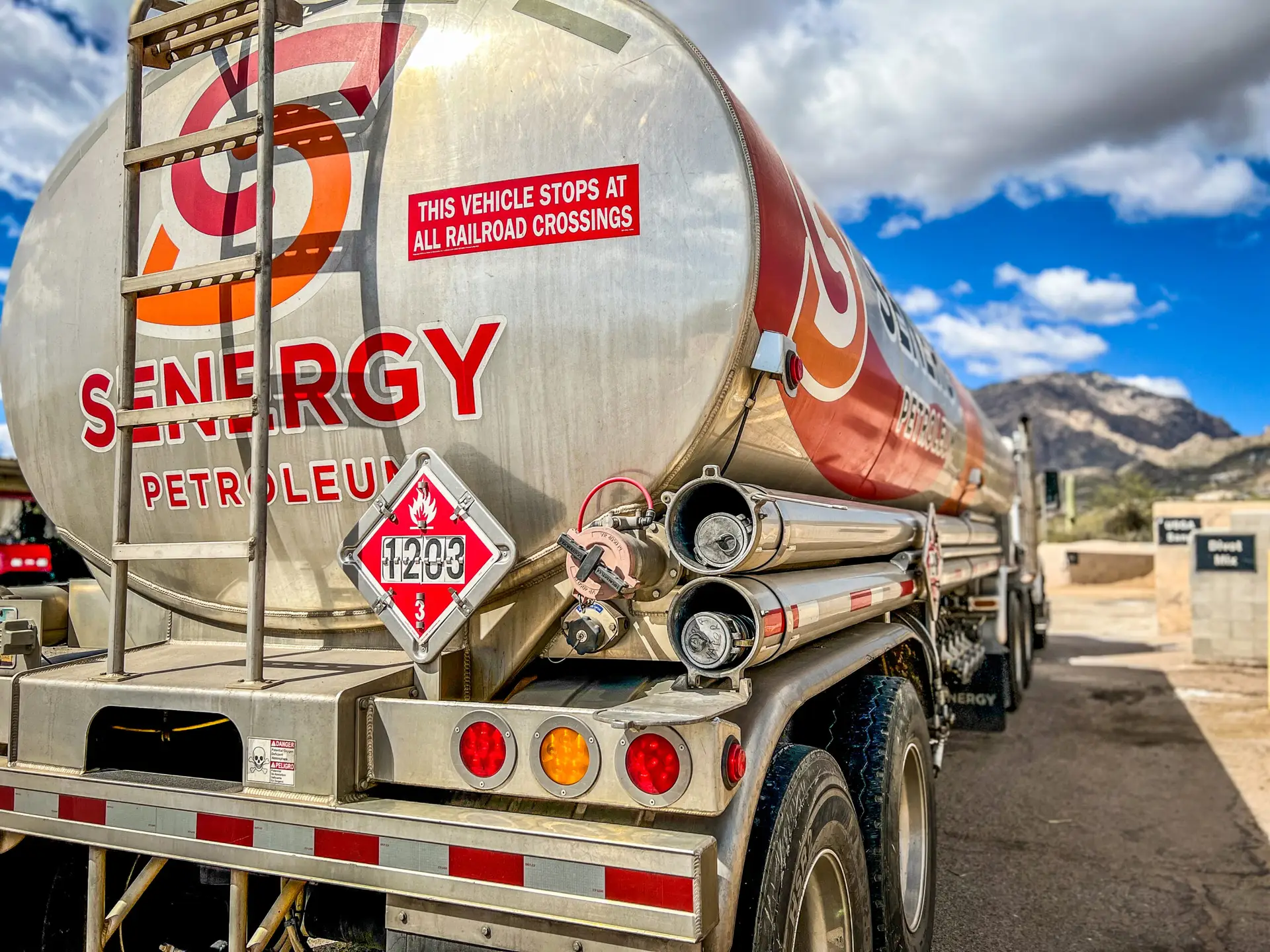
Essential Fleet Maintenance Products for Reliable Operations
Beyond fuel and lubricants, fleet maintenance products are essential to keeping operations running smoothly. These include diesel exhaust fluid (DEF), fuel additives, grease, coolants, and hydraulic fluids—all designed to protect equipment under demanding conditions. Fuel additives improve stability, prevent injector deposits, and enhance combustion. Grease keeps moving joints and bearings protected from friction and wear, while coolants regulate engine temperature under heavy loads. Hydraulic fluids ensure consistent power transfer for equipment operating under pressure. When used together, these products create a comprehensive protection system that extends equipment lifespan. For businesses managing multiple vehicles or machines, having a reliable supply of fleet maintenance products ensures consistent performance and reduces unexpected downtime. The right mix not only keeps equipment operating efficiently but also lowers total cost of ownership by improving fuel efficiency, extending service intervals, and minimizing costly repairs.
Extending Equipment Life Through Preventive Care
Preventive maintenance is where the true value of fuel and lubricants is realized. Regular oil analysis, fuel system checks, and lubricant monitoring allow businesses to identify issues before they lead to costly breakdowns. Detecting fuel contamination early can prevent injector damage, while monitoring lubricant quality can reveal excessive engine wear. By combining high-quality diesel with premium lubricants and a disciplined maintenance schedule, companies can extend the life of their equipment by years. This approach not only protects capital investments but also ensures that fleets remain efficient in the most demanding operating conditions. Preventive care helps operators avoid unexpected downtime during critical periods, such as planting season or large-scale construction projects. Businesses that commit to this proactive strategy benefit from greater reliability, fewer emergency repairs, and lower overall operating costs. In today’s competitive industries, preventive maintenance supported by the right fuel and lubricants is essential to staying ahead.
Fuel and Lubricants: Supporting Modern Engine Requirements
For many businesses, compliance requirements are non-negotiable. Diesel engines must meet strict performance and reliability standards, and this is where fuel and lubricants work together to support modern equipment. Diesel exhaust fluid (DEF), when paired with ultra-low sulfur diesel, ensures engines operate efficiently with today’s advanced after-treatment systems such as diesel particulate filters (DPF) and selective catalytic reduction (SCR) units. High-quality lubricants are designed to reduce oil consumption, limit deposits, and keep these systems functioning at peak performance. By choosing the right fuel and lubricants, companies protect their equipment, avoid costly downtime, and maintain eligibility for contracts that require consistent operational standards. For business owners, meeting these requirements is more than a legal necessity—it safeguards assets, strengthens reliability, and builds confidence with partners and stakeholders.
Fueling Reliability and Profitability
In competitive industries where uptime defines success, the right fuel and lubricants give businesses a decisive advantage. A well-maintained fleet powered by quality diesel and protected with advanced lubricants runs longer, uses less fuel, and avoids costly breakdowns. Partnering with a trusted supplier ensures consistent performance, lower replacement costs, and extended equipment life. From construction to farming to government fleets, the combination of diesel and lubricants remains one of the most effective tools for productivity and profitability. Run With Senergy, and keep your operations moving forward with confidence.