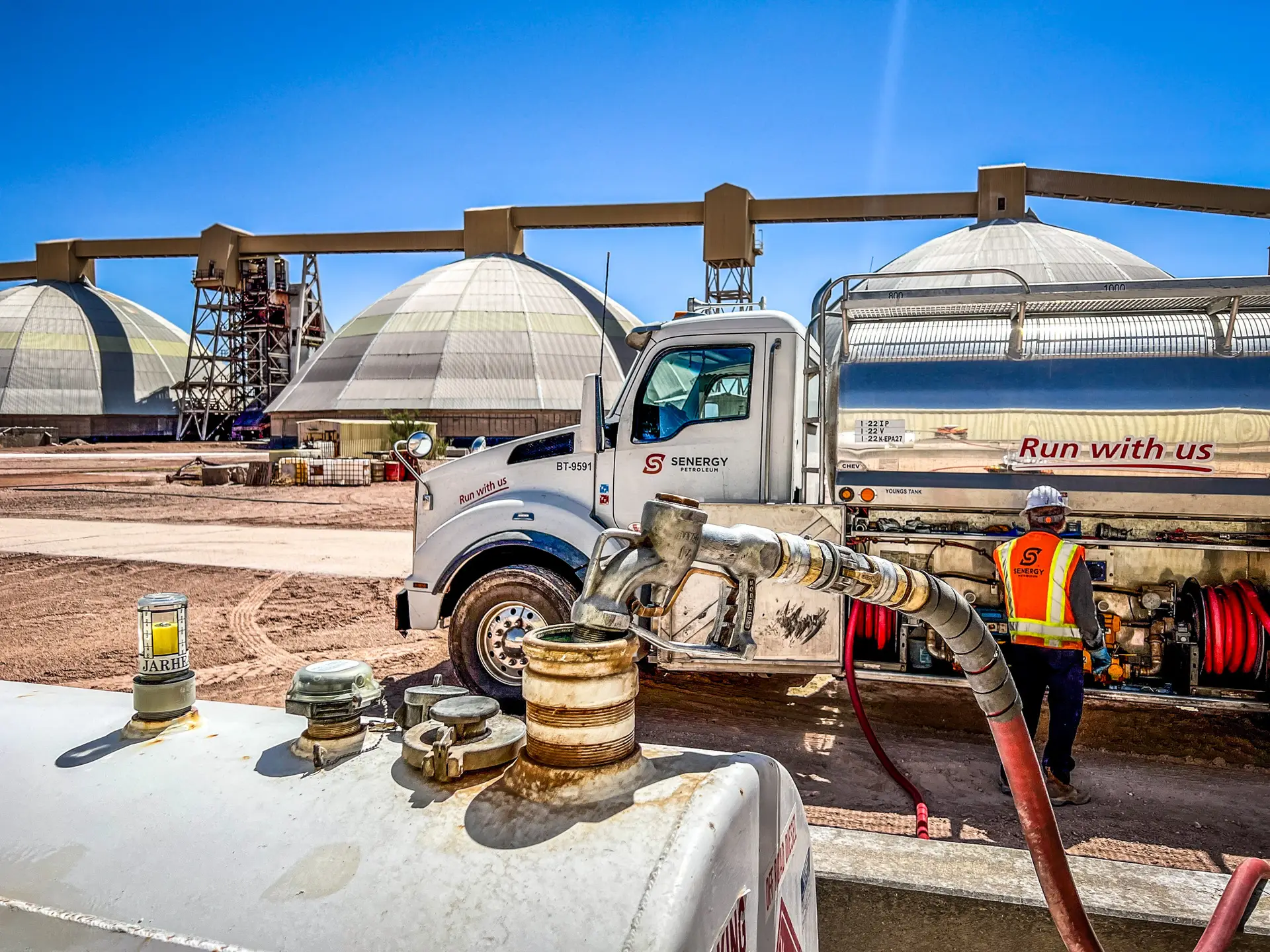
Fuel and Lubricant Strategies for Mining Operations
Mining operations depend on the continuous performance of heavy equipment, making fuel and lubrication strategies essential to maintaining productivity. Equipment used in both underground and open-pit mining environments operates under extreme pressure, high temperatures, and heavy dust exposure. Without a reliable system for fuel delivery and high-performance lubricants, operational efficiency can decline rapidly.
Haul trucks, excavators, and drilling rigs rely on consistent fueling, while proper lubrication reduces friction between critical moving components. A significant portion of energy loss in mining operations is attributed to friction, making lubrication a key factor in improving fuel efficiency and controlling operational costs. When fuel and lubrication systems are optimized together, operations experience reduced downtime and extended equipment life.
Leading mining operations are now managing fuel and lubrication as a unified strategy rather than separate functions. This integrated approach improves overall efficiency and reliability. Inadequate lubrication practices are consistently linked to increased equipment failure rates, reinforcing the importance of a well-structured and proactive maintenance plan.
Understanding the Role of Specialized Lubricants
Mining equipment lubricants are specifically engineered to perform under extreme conditions, including heavy loads, moisture exposure, and abrasive dust. These are not general-purpose products, but specialized formulations designed to protect critical components such as bearings, gears, and hydraulic systems.
The primary functions of lubricants include reducing friction, minimizing wear, and dissipating heat. By lowering mechanical resistance, proper lubrication also supports improved fuel efficiency and reduced overall consumption. Even small gains in lubrication performance can translate into significant cost savings, particularly in operations where equipment runs continuously.
Mining lubricants are available in several categories, including engine oils, hydraulic fluids, gear oils, and greases. Each type serves a specific role based on equipment requirements and operating conditions. For example, high-performance greases are essential for heavy-load applications, while synthetic oils are often required to maintain performance in extreme temperature environments.
Mining-Efficiency Fuel Supply Systems
Uninterrupted mining operations require a dependable heavy-duty fuel supply system. Given the scale of mining activity, fuel consumption is substantial, and any disruption in supply can quickly halt production.
Heavy-duty fuel systems are designed to store, transport, and dispense fuel efficiently across large mining sites. These systems typically include bulk storage tanks, mobile refueling units, and automated dispensing solutions. In remote mining locations where access is limited, fuel logistics must be carefully planned to ensure consistent availability and avoid operational delays.
Fuel supply efficiency is not only about availability but also about minimizing waste, loss, and unauthorized use. Modern fuel management systems often incorporate monitoring technology that provides real-time tracking of fuel consumption, improving accountability and reducing discrepancies. This level of control supports more accurate budgeting and better overall resource management.
Fuel quality management is another critical factor. Contaminated fuel can damage engines, reduce performance, and increase maintenance costs. As a result, proper filtration and secure storage practices are essential components of an effective fuel strategy.
Streamlining Fuel Logistics in Remote Mining Operations
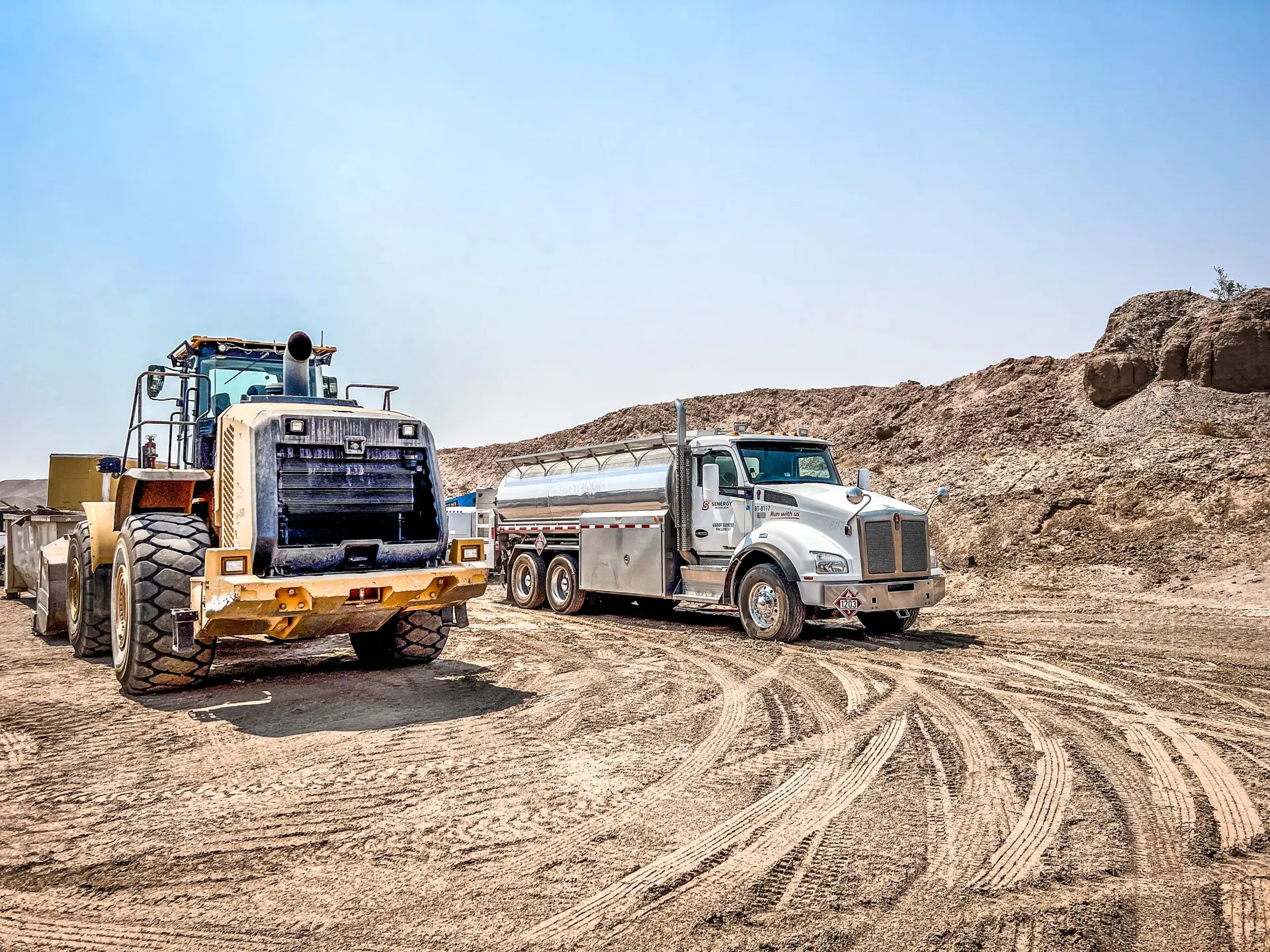
Mining fuel logistics is one of the most complex aspects of resource extraction, particularly in remote and geographically challenging locations. Transporting fuel to mining sites requires careful planning, coordination, and execution to ensure reliability and continuity of operations.
Accessibility remains one of the primary challenges. Many mining operations are located in remote areas where transportation is costly and difficult. Weather conditions, rough terrain, and limited infrastructure further complicate fuel delivery. As a result, mining operations must develop resilient supply chains that can withstand disruptions and maintain consistent supply.
To address these challenges, mining companies are adopting advanced logistics solutions such as on-site fuel storage systems, pipeline infrastructure, and GPS-based delivery tracking. Digital monitoring systems also enable real-time visibility into fuel levels and consumption, supporting more proactive replenishment and reducing the risk of shortages.
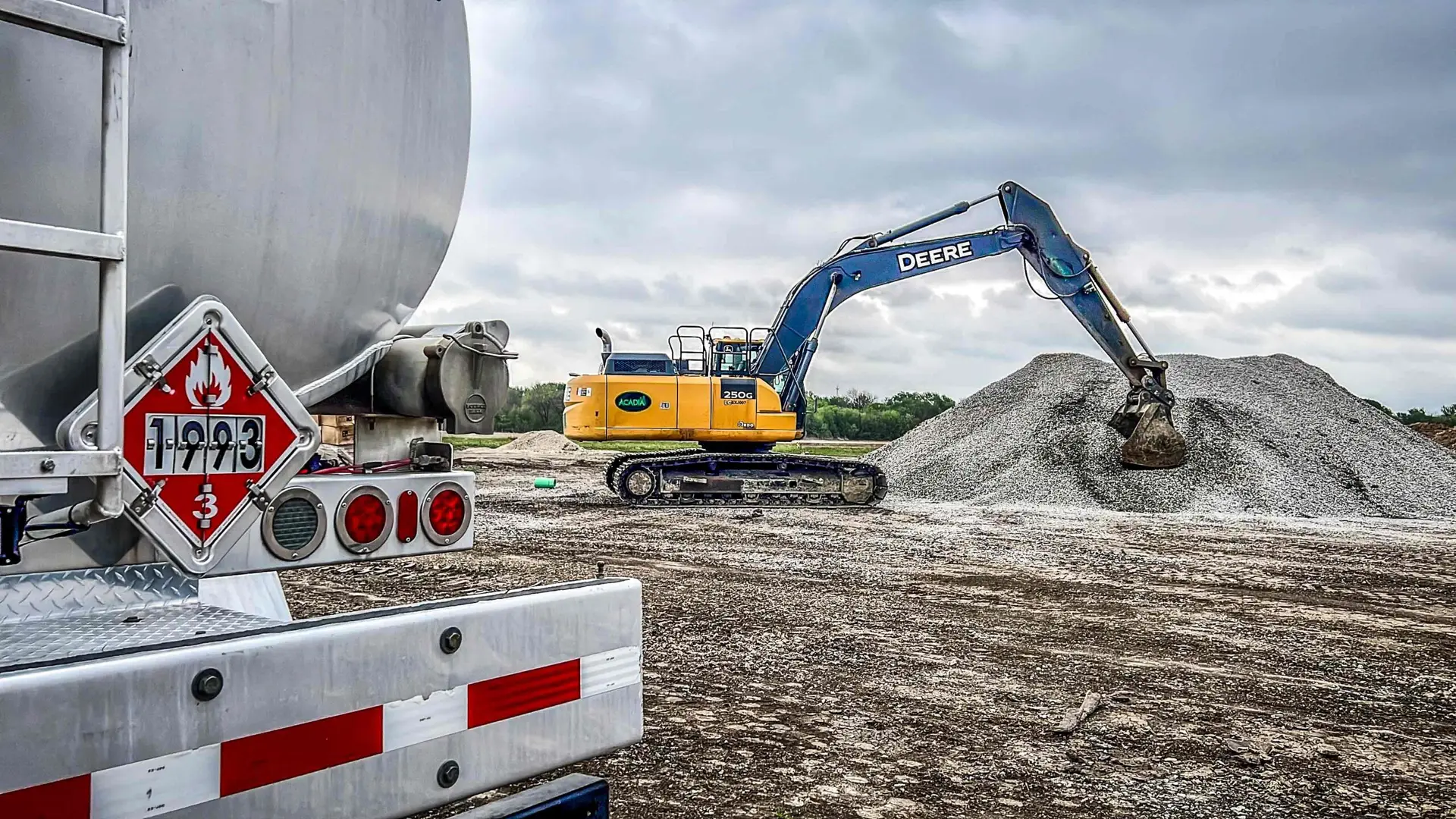
Safety is another critical component of fuel logistics. Fuel transportation carries inherent risks, including leaks, spills, and accidents. Strict safety protocols and regulatory compliance measures are essential to mitigate these risks. In addition, evolving industry regulations are encouraging more structured operational practices across fuel handling and distribution.
Fuel and Lubricant Management System Integration
The integration of fuel and lubricant management systems represents a significant advancement in modern mining operations. Rather than managing these functions separately, many companies are adopting unified platforms that provide full visibility into usage, performance, and operational costs.
These integrated systems often utilize IoT-enabled sensors to monitor fuel consumption and lubricant condition in real time. This data-driven approach allows operators to quickly identify inefficiencies and take corrective action. For example, abnormal fuel usage may indicate engine performance issues, while degraded lubricant conditions can signal potential equipment wear or failure.
Predictive maintenance capabilities are another key benefit of these systems. By analyzing usage trends and performance data, mining operations can anticipate when equipment requires servicing, reducing the likelihood of unexpected downtime. This proactive approach not only improves operational efficiency but also extends equipment lifespan.
In addition, system integration strengthens compliance and reporting capabilities. Mining operations must adhere to strict safety and operational standards, and integrated data systems provide accurate records that support auditing, reporting, and regulatory requirements.
Smarter Fuel and Lubricant Management
Mining operations are increasingly prioritizing operational efficiency and resource responsibility, with fuel and lubricant strategies playing a central role in reducing overall environmental impact. The industry continues to face growing expectations to reduce emissions, minimize waste, and adopt more responsible operational practices.
High-performance lubricants that improve fuel efficiency and reduce emissions are one approach supporting these goals. In addition, biodegradable lubricants are being adopted in certain applications to reduce the risk of contamination in the event of leaks or spills.
Fuel management practices are also evolving. Some operations are evaluating alternative fuel options such as biodiesel and incorporating more energy-efficient equipment to reduce reliance on traditional fuel sources. At the same time, improved fuel tracking, logistics planning, and monitoring systems help ensure optimal fuel usage and reduce unnecessary consumption.
Effective waste control and spill prevention remain essential components of responsible operations. Proper storage, handling, and disposal of fuels and lubricants are critical to maintaining safe and controlled mining environments.
Fuel and Lubrication Management
Cost control is a major focus in the mining industry, with fuel and lubrication representing a significant portion of operational expenses. Effective strategies can help optimize these costs without compromising performance.
Using high-quality mining lubricants can extend equipment life and reduce maintenance needs. While they may have a higher upfront cost, they support long-term savings by helping prevent equipment failure and downtime.
Optimizing heavy-duty fuel supply through improved logistics and monitoring also reduces waste and improves efficiency. Tracking consumption helps identify inefficiencies and supports better cost management. Research continues to show that effective lubrication alone can significantly reduce downtime and maintenance.