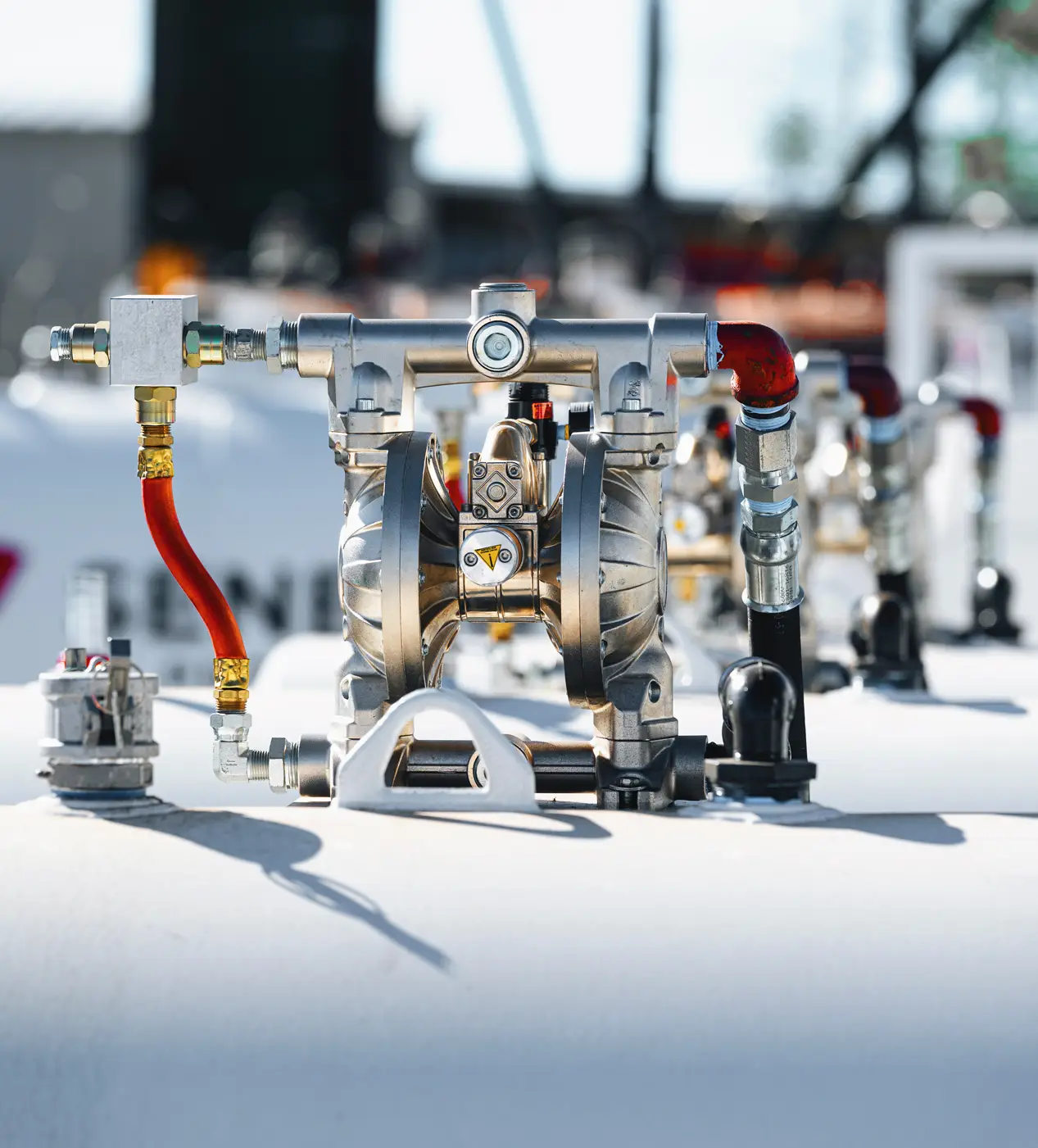
Equipment Solutions: Choosing the Right Fuel Infrastructure
Fueling infrastructure is the foundation of commercial fueling operations. Whether supporting a retail gas station, agricultural fleet, industrial facility, or transportation company, the right equipment plays a critical role in operational efficiency, compliance, profitability, and safety. Modern fuel systems rely on advanced equipment designed for fuel handling, storage, monitoring, and dispensing performance across demanding operating environments.
The fueling industry continues to evolve as digital monitoring systems, automation, regulatory requirements, and multi-fuel compatibility reshape commercial operations. Infrastructure decisions now extend beyond tank capacity and pump speed. Businesses are implementing integrated fueling systems designed to reduce downtime, improve fuel tracking accuracy, and simplify day-to-day operations. Automated dispensing systems, smart monitoring technology, and cloud-based fuel management platforms are becoming standard across commercial fueling environments.
Selecting the right infrastructure also impacts long-term operating costs. Outdated or improperly matched equipment can contribute to leaks, inaccurate fuel tracking, increased maintenance demands, and compliance concerns. In contrast, modern fueling systems improve operational visibility and reliability through real-time diagnostics, automated reporting, and predictive maintenance capabilities.
Choosing the Right Fuel Storage Infrastructure
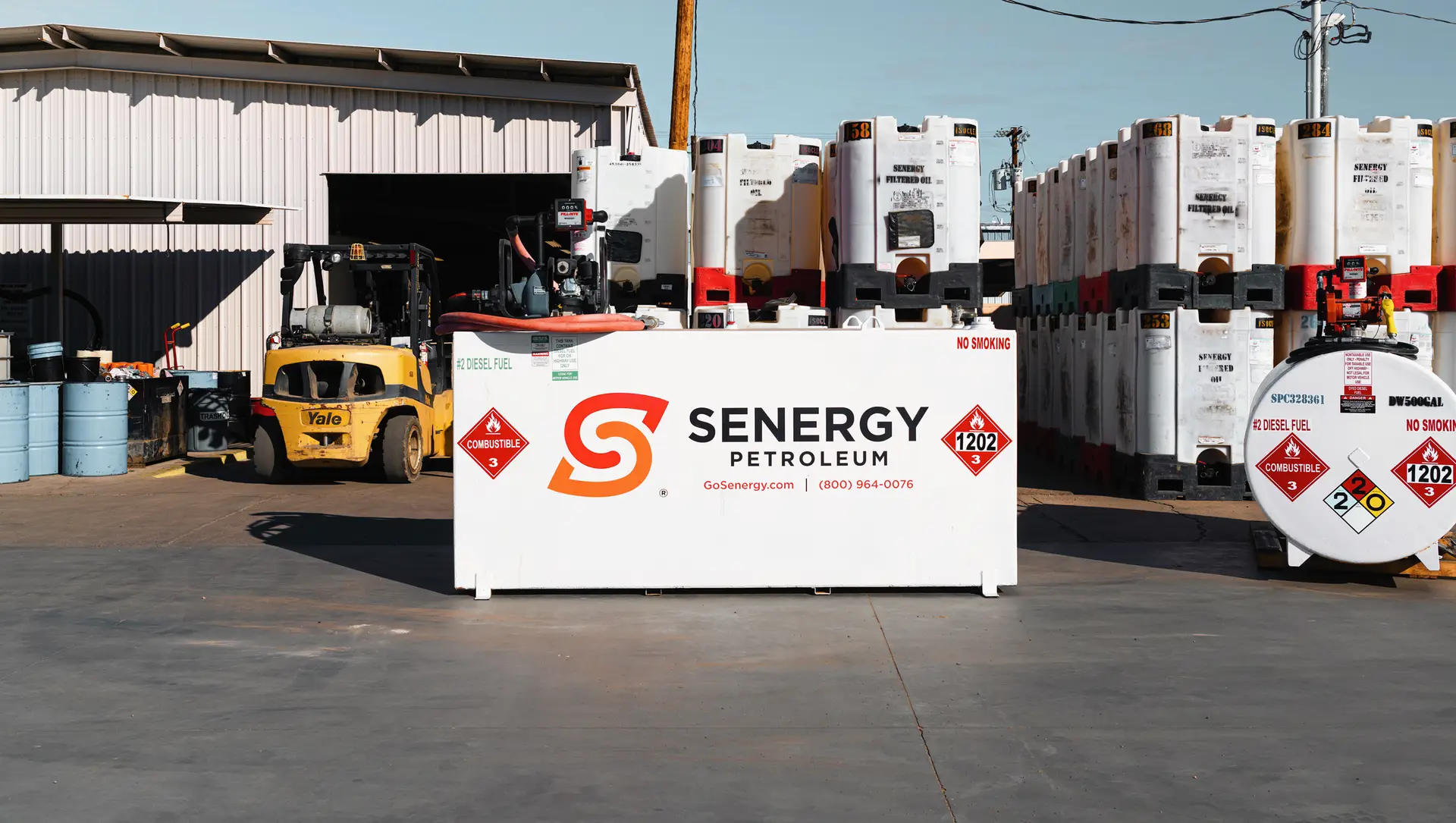
Every fueling operation begins with fuel storage. Fuel tanks serve as the foundation of the entire fueling infrastructure, making storage planning one of the most important considerations when selecting equipment. Fuel volume requirements, site size, regulatory requirements, and future operational growth should all be evaluated when reviewing storage options.
Both above-ground and underground tanks offer distinct advantages. Above-ground systems typically allow for easier inspection and maintenance, while underground systems can maximize available space and support a cleaner site layout. The ideal solution depends on operational priorities, site conditions, and regulatory requirements. Modern fuel tanks are commonly built with corrosion-resistant materials and equipped with double-wall protection, leak detection systems, and smart monitoring technology to improve performance and reliability.
Fuel type is another critical consideration. Diesel, gasoline, biodiesel, ethanol blends, and alternative fuels each require storage systems designed to meet their specific handling requirements. As multi-fuel fueling locations become more common, demand has increased for flexible and modular storage infrastructure that can support changing operational needs.
Fuel turnover should also be considered during infrastructure planning. High-volume operations often require larger storage capacity and advanced inventory management systems to maintain a consistent fuel supply and minimize operational disruptions. Smaller operations may prioritize compact systems designed to maximize efficiency within limited space.
Advancements in Fuel Dispensing Technology
Dispensing technology plays a critical role in fueling speed, operational accuracy, and overall customer experience. Selecting the right fuel dispensing equipment requires careful consideration of performance, durability, automation capabilities, and compatibility with operational demands.
Modern fuel dispensers offer significantly more advanced capabilities than previous generations of equipment. Many systems now include touchscreen interfaces, self-calibration functions, cloud connectivity, and integrated digital payment technology. Smart dispensers and automated fuel management systems are increasingly becoming standard components of new fueling infrastructure projects across commercial operations.
Fueling volume requirements should also be carefully evaluated during equipment selection. High-flow dispensers are commonly used in fleet operations where rapid fueling is a priority, while retail fueling locations may require systems capable of handling multiple fuel products and integrating with payment processing platforms. Industrial operations may also require dispensing systems specifically designed to withstand harsh operating conditions.
Accuracy remains another essential factor in dispensing performance. Electronic flow meters and digital monitoring systems improve measurement precision, reduce fuel loss, and simplify reporting requirements. Many advanced dispensers also include remote diagnostic capabilities, allowing operators to identify maintenance concerns early and minimize unexpected downtime.

The Role of Automation in Modern Fueling Operations
Automation has transformed the fueling industry by improving efficiency, reducing operational errors, and increasing visibility across fueling operations. Intelligent monitoring tools and integrated management platforms have become essential components of modern fueling infrastructure.
Advanced fuel system equipment now commonly incorporates Internet of Things (IoT) sensors, cloud-based analytics, predictive maintenance software, and automated inventory tracking systems. These technologies provide real-time insight into tank levels, fuel movement, equipment performance, and potential maintenance concerns. Smart monitoring systems help reduce fuel loss, improve operational accuracy, and support more efficient fuel management practices.
Automated monitoring systems also strengthen compliance management. Leak detection technology, vapor recovery monitoring, and digital reporting tools help businesses maintain compliance with safety and operational regulations. Automated alerts allow operators to identify irregularities quickly, reducing the need for manual inspections and improving response times.
Evaluating Long-Term Value in Fueling Infrastructure
When evaluating fuel infrastructure investments, businesses should consider more than initial equipment costs. Long-term operational value, maintenance requirements, efficiency improvements, and future scalability all play an important role in infrastructure planning.
Lower-cost equipment may appear attractive initially, but these systems can often lead to increased maintenance expenses, fuel loss, reduced service life, and less reliable performance over time. Investing in durable tank systems and advanced fuel system equipment can help reduce long-term ownership costs while improving operational reliability.
Modern fueling systems are designed to improve efficiency through precision flow meters, automated monitoring technology, and advanced pump systems. Many solutions also incorporate predictive diagnostics and modular components that help minimize downtime and simplify maintenance. Improved infrastructure can reduce operational disruptions and support more consistent fueling performance.
Safety and Compliance in Fuel Infrastructure Planning
Safety remains one of the most critical considerations in fuel infrastructure planning. Fuel systems must comply with established operational and safety regulations, as failures in compliance can result in fuel contamination, fire hazards, equipment damage, and significant legal liability.
Modern fuel tanks are designed with advanced protective features, including double-wall containment, leak detection systems, spill prevention controls, and corrosion-resistant materials. These technologies help improve system reliability, reduce operational risks, and support long-term equipment durability.
As industry regulations continue to evolve, compliance requirements are becoming more advanced. Many fueling facilities now require vapor recovery systems, electronic monitoring technology, emergency shutoff systems, and automated reporting capabilities. Compliance-driven upgrades continue to play a major role in fueling infrastructure modernization across commercial operations.
Routine inspections and preventative maintenance are also essential to maintaining safe and reliable fueling systems. Even advanced fuel system equipment requires regular calibration, filter replacement, testing, and system evaluations to maintain operational accuracy and performance.
Building Reliable Fuel Infrastructure for Long-Term Growth
Fuel infrastructure decisions can have a lasting impact on operational performance, profitability, compliance, and customer satisfaction. Reliable, scalable, safe, and efficient infrastructure is essential for supporting both daily operations and long-term business growth.
Businesses should begin by carefully evaluating storage requirements, dispensing needs, automation capabilities, compliance obligations, and long-term operational goals. Investing in advanced fuel system equipment can improve monitoring accuracy, increase operational visibility, simplify maintenance processes, and reduce long-term operational risks.
Modern tank solutions provide improved system protection, enhanced fuel quality management, and more advanced monitoring capabilities. Smart monitoring technologies streamline operations through automation, predictive diagnostics, and real-time reporting. Scalable infrastructure also allows businesses to adapt to changing industry demands while minimizing operational disruption.
Financial planning remains another important factor when selecting fuel infrastructure. While premium systems may require a larger initial investment, they often provide greater long-term value through improved reliability, lower maintenance costs, and reduced downtime. For smaller or growing operations, loaned equipment programs can also provide additional flexibility and access to updated infrastructure solutions.
Scalable Fueling Infrastructure
Modular tank systems allow businesses to expand storage capacity without redesigning an entire site, while scalable dispenser configurations can support additional fuel types, automated payment systems, and emerging fueling technologies. As the industry continues to evolve, businesses investing in adaptable infrastructure are better positioned to meet future operational demands.
Scalable fueling systems are especially valuable for fleet operations, where increased throughput must be supported without sacrificing efficiency or reliability. High-capacity dispensers, advanced inventory management, and automated monitoring technologies help simplify expansion while maintaining consistent performance.