Equipment Reliability in the Oil and Gas Industry
Reliability has become a defining factor in operational success across the Oil and Gas sector. From drilling operations and production facilities to pipeline networks and refineries, every asset must perform consistently to support production goals, safety requirements, and financial targets. Unplanned downtime can disrupt operations, increase maintenance costs, and affect overall profitability. As a result, companies are placing greater emphasis on reliability engineering, asset integrity, and maintenance optimization to keep critical systems running efficiently.
Industry leaders are investing in advanced reliability programs that combine predictive maintenance, condition monitoring, and asset performance management. These initiatives help operators identify developing issues before they lead to costly failures. By improving asset availability and operational reliability, organizations can maintain steady production while reducing unnecessary maintenance activities.
Modern facilities depend on a broad range of assets, including pumps, compressors, turbines, generators, valves, heat exchangers, storage tanks, and pressure vessels. Maintaining these systems requires a strategic approach supported by skilled personnel, reliable fuel resources, and quality oilfield lubricants that help reduce wear and extend service life.
Why Reliability Drives Operational Performance
Reliable operations contribute directly to production efficiency, throughput performance, and capacity utilization. Facilities that experience fewer breakdowns can operate closer to peak performance while minimizing interruptions that affect schedules and revenue. This is particularly important in upstream exploration operations, midstream transportation networks, and downstream processing facilities where every hour of downtime carries significant costs.
Many organizations monitor key reliability metrics such as Mean Time Between Failures (MTBF), Mean Time To Repair (MTTR), asset utilization, and equipment uptime. These measurements provide valuable insight into operational performance and help maintenance teams prioritize improvements. Consistent tracking allows companies to identify trends and address weaknesses before they impact production.
Reliability programs also strengthen long-term planning. Maintenance scheduling, shutdown planning, turnaround management, and reliability audits help organizations allocate resources efficiently while reducing the risk of unexpected failures. This proactive approach supports both operational stability and cost control.
Critical Assets Require Continuous Attention
Across production sites, rotating equipment often presents the greatest reliability challenges. Centrifugal pumps, reciprocating compressors, gas turbines, electric motors, gearboxes, and hydraulic systems operate under demanding conditions that can accelerate wear and degradation. Failure of a single critical asset may affect multiple production processes simultaneously.
Static assets are equally important. Pipelines, pressure vessels, separators, storage terminals, and heat exchangers must maintain structural integrity throughout their service life. Corrosion management programs and routine inspections play a vital role in preventing leaks, environmental incidents, and costly repairs.
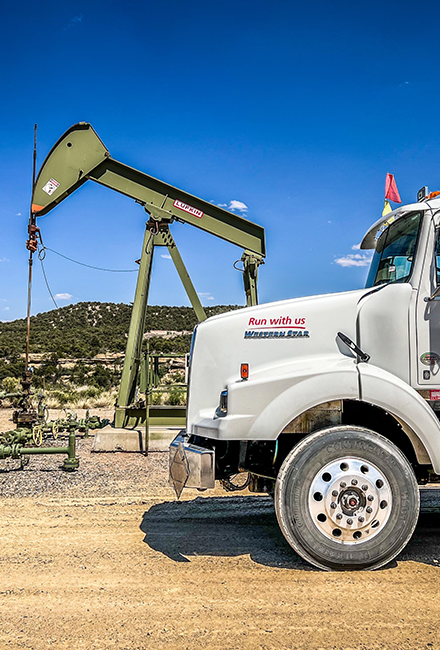
Wellhead equipment, artificial lift systems, ESP systems, and drilling rigs require specialized maintenance strategies due to their operating environments. Reliability-centered maintenance (RCM) helps operators determine the most effective maintenance actions for each asset while supporting overall asset lifecycle management.
Predictive Maintenance Is Reshaping Reliability Programs
Traditional preventive maintenance remains valuable, but many operators are expanding their use of condition-based maintenance and predictive maintenance programs. These approaches rely on actual asset conditions rather than fixed service intervals, allowing maintenance activities to be performed when they provide the greatest value.
Industrial IoT technologies, smart sensors, and wireless monitoring systems generate continuous data from critical assets. Vibration analysis, oil analysis, thermography, ultrasonic inspection, and acoustic monitoring help identify early signs of bearing failure, lubrication failure, shaft misalignment, rotor imbalance, and cavitation before they become major operational issues.
Artificial intelligence and machine learning are also supporting reliability improvement efforts. Predictive analytics can process large volumes of operational data and identify patterns associated with future failures. This allows maintenance teams to make informed decisions while reducing unnecessary maintenance costs and improving asset productivity.
Managing Risk Through Asset Integrity
Asset integrity management remains one of the most important components of a successful reliability strategy. Companies rely on risk-based inspection programs, mechanical integrity initiatives, and reliability assessments to identify vulnerabilities and reduce operational risk. These programs help ensure that assets continue to operate safely throughout their intended lifespan.
Common failure mechanisms include corrosion, erosion, fatigue failure, scaling, fouling, moisture damage, and chemical attack. If left unaddressed, these issues can compromise process reliability and increase the likelihood of catastrophic failure. Routine inspections and fitness-for-service evaluations help organizations detect problems before they escalate.
Root Cause Analysis (RCA) and failure analysis programs provide additional value by identifying the factors contributing to recurring breakdowns. Rather than repeatedly repairing the same components, organizations can implement corrective actions that improve reliability and reduce future maintenance requirements.
Technology Is Transforming Reliability Management
Digital technologies are changing how companies manage asset health and maintenance performance. Asset Performance Management (APM) platforms, Enterprise Asset Management systems, and CMMS platforms provide centralized access to maintenance records, inspection results, and operational data. This improves decision-making and strengthens maintenance planning efforts.
Digital twin technology is becoming increasingly common across production facilities and processing plants. By creating virtual representations of physical assets, operators can evaluate performance scenarios, assess failure risk, and optimize maintenance strategies. These tools support more accurate forecasting and better asset management decisions.
Remote monitoring systems further enhance reliability by providing real-time visibility into pipelines, compressor stations, LNG facilities, and distribution terminals. Combined with predictive diagnostics and asset health monitoring, these technologies help operators respond quickly to changing conditions and maintain reliable performance across large geographic areas.
Fuel Supply and Lubrication Support Reliability Goals
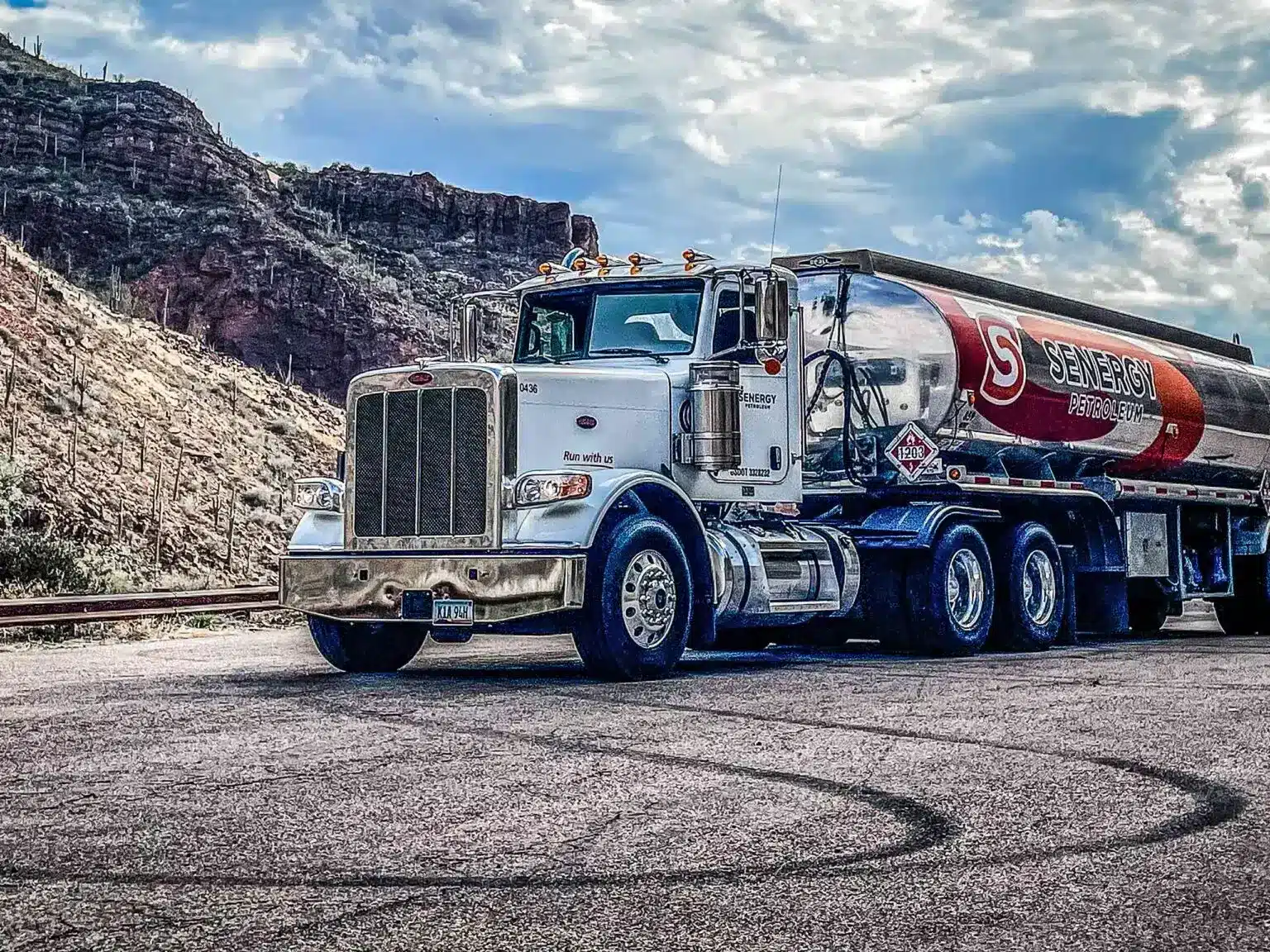
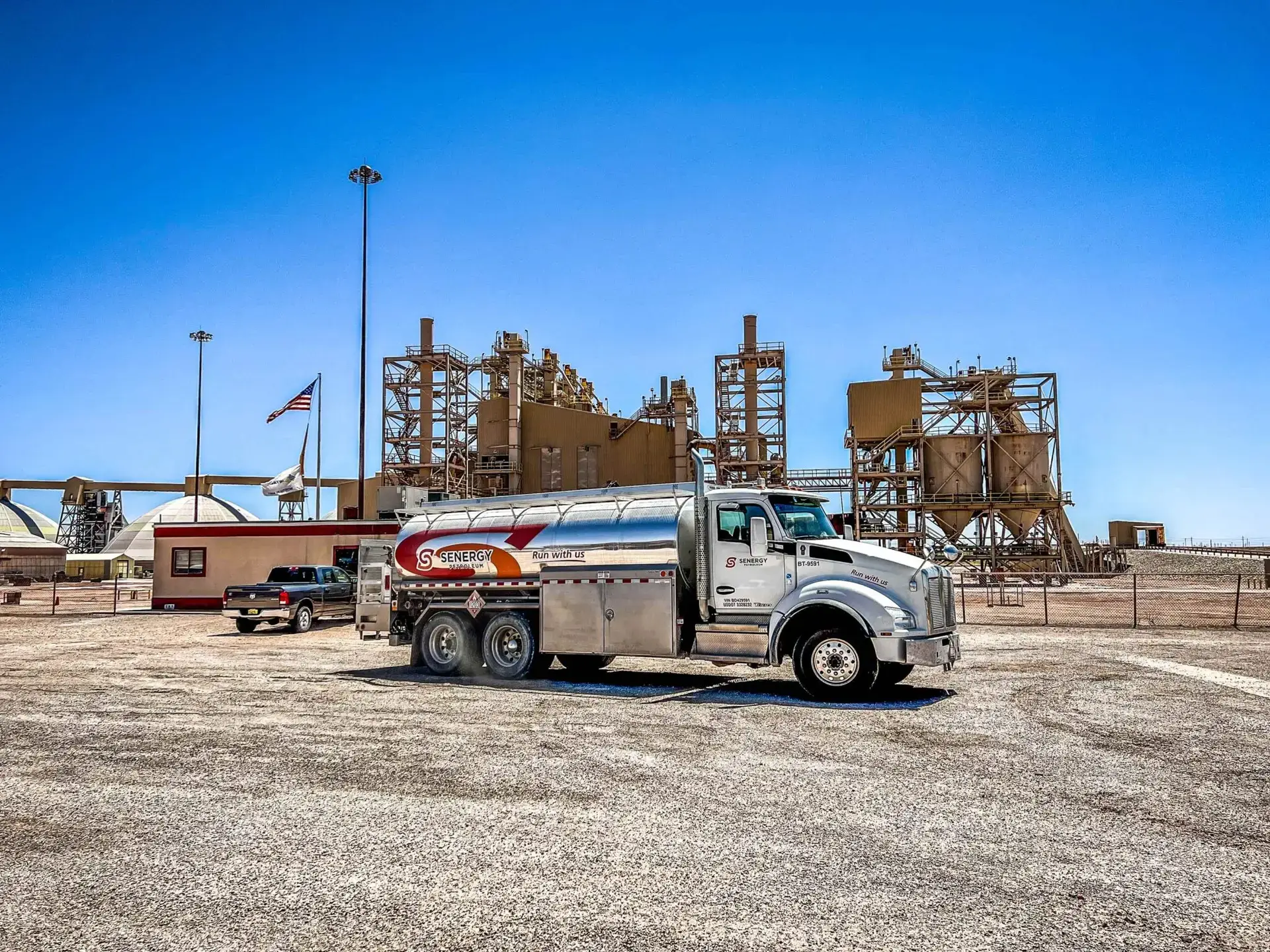
Reliable operations depend on more than maintenance programs alone. A dependable energy sector fuel supply is essential for supporting production activities, transportation fleets, backup generators, and remote facilities. Interruptions in fuel availability can quickly affect operational schedules and reduce efficiency across multiple business functions.
Lubrication management also plays a critical role in protecting high-value assets. Properly selected oilfield lubricants reduce friction, control heat, and help prevent premature component wear. Effective lubrication programs support longer service intervals while improving equipment uptime across critical production systems.
Many operators integrate fuel management services, lubricant analysis, and condition monitoring into their broader reliability programs. This combination helps reduce maintenance costs, improve asset availability, and support long-term operational goals while protecting critical infrastructure.
Building a Culture Focused on Reliability
Successful reliability programs extend beyond technology and maintenance procedures. Organizations that achieve lasting results establish a culture centered on accountability, continuous improvement, and operational excellence. Employees at every level play a role in identifying risks, reporting concerns, and supporting maintenance best practices.
Training initiatives help maintenance teams understand inspection effectiveness, hazard prevention, safety requirements, and reliability management principles. Strong communication between operations and maintenance departments further improves decision-making and helps prevent avoidable failures.
As facilities continue to modernize, companies that invest in reliability engineering, asset performance, predictive maintenance, and integrity management will be better positioned to control costs and maintain competitive operations. A disciplined focus on reliability supports safer workplaces, stronger production performance, and sustainable growth throughout the industry.