
Emergency Fuel Services: Preparing Your Business for Unexpected Needs
Businesses cannot afford downtime in today’s unpredictable landscape. Aging power grids, stronger storms, and increasing supply chain disruptions make operational interruptions costly across all industries, from manufacturing to retail and healthcare. Even brief outages can result in spoiled inventory, delayed shipments, or interrupted digital services. Emergency fuel services have become a critical component of business continuity plans.
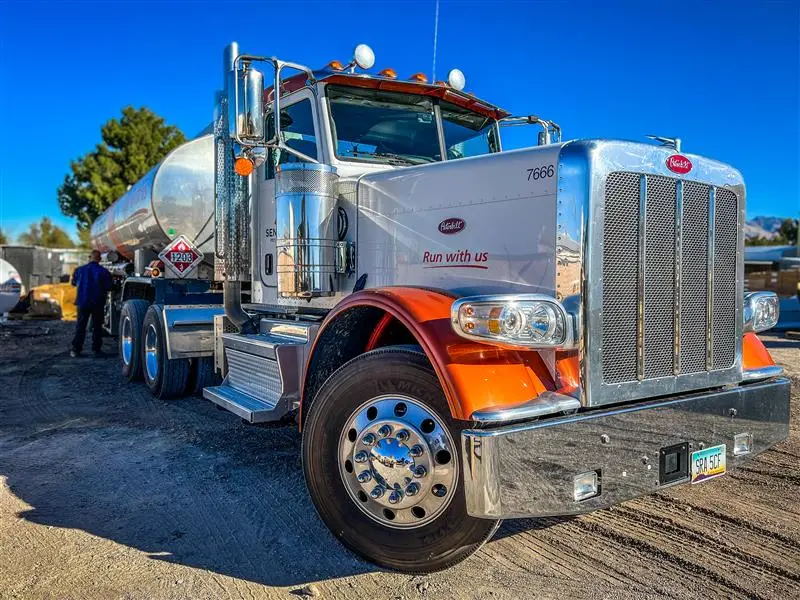
These specialized fuel providers deliver faster, more reliable support than standard suppliers. They understand the urgency of unexpected power interruptions and the pressure on businesses to keep generators and fleets operational. Emergency fuel services are prepared to respond when roads are blocked, stations are out of fuel, or supplies are limited. They maintain access to secure fuel terminals, prioritize contracted clients, and dispatch fuel trucks under even the most challenging conditions.
For businesses committed to uninterrupted operations, emergency fuel services are not optional—they are essential.
Proactive Emergency Fuel Planning Keeps Businesses Running
Delivering diesel after a business runs out is no longer sufficient. Emergency fuel management is a proactive, structured process that begins well before a crisis occurs. Experienced providers operate 24/7 dispatch centers that monitor severe weather, regional power alerts, and supply disruptions. Anticipating fuel needs is as critical as reacting quickly to avoid costly shutdowns.
Providers gather detailed information about each customer site in advance, including tank capacities, generator sizes, access routes, and security requirements. Preferred fueling schedules are also documented to streamline deliveries. Strategically positioned trucks and pre-mapped routes allow drivers to avoid closures, congestion, and damaged infrastructure. On-site fueling—often referred to as wet hosing or dry hosing—delivers fuel directly to generators, storage tanks, and fleet vehicles. This service is crucial during large-scale emergencies when public fueling stations are inaccessible or depleted. Coordinated planning ensures businesses maintain power and operations, even during major outages.
Ensuring Generator Reliability Through Strategic Fuel Planning
Backup generators are the primary defense against power outages. Hospitals rely on them to maintain critical care units, data centers use them to prevent sudden server shutdowns, and manufacturing plants depend on them to keep vital production lines running. Many organizations underestimate the planning required to ensure generator reliability.
A well-designed fuel strategy is crucial. Generators installed without real-world testing or with fuel that has been stored for months or years risk failure during emergencies. Limited on-site fuel may be insufficient during extended storms or floods. Generators alone are temporary solutions without a coordinated emergency fuel plan.
A comprehensive continuity plan ensures generators are regularly tested, fuel tanks are properly maintained, and runtimes are accurately calculated. Fuel availability must be guaranteed as part of the plan. From the moment a generator starts, there must be clarity on who will deliver fuel, how quickly deliveries can be made, and how long operations can continue without interruption.
Disaster Preparedness Fuel Planning: Keeping Operations Running
Disaster preparedness fuel acts as a critical buffer, ensuring businesses remain operational during prolonged disruptions. This strategy goes beyond storing diesel or petrol on site—it encompasses a structured approach to guaranteeing uninterrupted power. Continuity experts typically recommend storing enough fuel to sustain essential operations for at least two to three days without external support. The exact requirements depend on generator size, building load, and the nature of critical functions.
An effective fuel plan begins with identifying what is truly essential. Not all systems need to run at full capacity. Businesses can calculate fuel needs more accurately by prioritizing critical equipment, such as communication servers or cooling systems. Fuel consumption is directly influenced by operational load; a larger tank may not suffice under higher demand conditions.
Planning should also account for seasonal risks and potential delays in fuel delivery. Winter storms can slow transport, while peak summer heat may stress the power grid and prolong outages. Treating disaster preparedness as an ongoing strategy rather than a one-time purchase helps businesses safeguard revenue and maintain operational continuity.
Maintaining Fuel Quality for Reliable Emergency Power
During emergencies, many organizations focus on speed and quantity, often overlooking fuel quality. Contaminated or degraded fuel is a leading cause of backup generator failure. Stored fuel can accumulate water, develop microbial growth, and collect sediment. These issues can clog filters, damage injectors, and cause sudden generator shutdowns.
Emergency fuel providers offer services to maintain fuel integrity. These include filtration, additive treatments, and tank cleaning, supported by regular sampling and inspections. Maintaining clean, reliable fuel is especially critical for industries where uninterrupted power is essential, such as hospitals, airports, and financial institutions.
Safety during fuel handling is paramount. Refueling under challenging conditions—such as storms, blackouts, or nighttime operations—requires experience. Improper procedures can result in spills, equipment damage, or fires. Dedicated providers follow strict safety protocols and ensure all deliveries are executed with precision. Professional refueling reduces risks and ensures reliable power when it is needed most.
Choosing the Right Emergency Fuel Partner
The choice of emergency fuel partner can determine a company’s ability to navigate a crisis successfully. Analyses of industry leaders show that the most reliable providers share key strengths, including 24/7 support, strong regional coverage, extensive fueling capabilities, and experience serving high-risk industries. Evaluating a supplier’s performance under emergency conditions is as important—if not more—than considering cost.
A dependable partner understands a business’s operations in depth and responds quickly to regional spikes in demand. The ability to mobilize trucks during flooding, storms, or widespread outages is a true measure of value. Providers with experience supporting critical sectors during hurricanes or severe power disruptions bring a level of confidence that other distributors cannot match.
Operational depth is essential. Leading providers maintain multiple supply points, backup terminals, and fleets large enough to handle sudden surges in demand. They communicate proactively with clients and adjust delivery schedules ahead of potential shortages. This level of preparedness enables a partner to function as an extension of the operations team, ensuring resilience even in the most unpredictable situations.
Integrating Fuel Accessibility into Business Continuity Plans
Fuel accessibility must be a core component of a company’s business continuity plan, not an afterthought. Organizations that respond effectively during a crisis have documented procedures that guide communication and decision-making. This structured approach ensures continuity even when key personnel are unavailable or the situation escalates rapidly.
Comprehensive plans define who is responsible for contacting emergency fuel providers, what information must be shared, and when refueling requests should be initiated. They also outline generator maintenance, fuel duration, and contingency steps for extended outages. Coordination with departments such as building management, IT, and security ensures all teams understand their roles during a disruption.
Regular drills and simulations identify potential weaknesses, including blocked access routes, outdated contacts, or underestimated fuel consumption. Businesses that integrate fuel readiness into broader continuity strategies achieve faster, smoother responses, minimizing downtime and strengthening overall operational resilience.
Building a Culture of Preparedness
The final step in effective emergency preparedness is fostering a culture that prioritizes readiness. Employees must understand the impact of outages, follow procedures, and support fuel delivery and generator operations during a crisis.
Organizations that emphasize preparedness invest in regular equipment testing, maintain clear communication with fuel partners, and update continuity plans frequently. Even small improvements, such as better communication or generator maintenance, strengthen future resilience.
Preparedness is a mindset. Companies that integrate proactive fuel strategies, reliable partners, and strong internal processes are better positioned to maintain operations when the unexpected occurs. True resilience begins with the ability to stay powered, no matter the circumstances.
