Dyed Diesel vs. Clear Diesel: Key Differences and Legal Uses

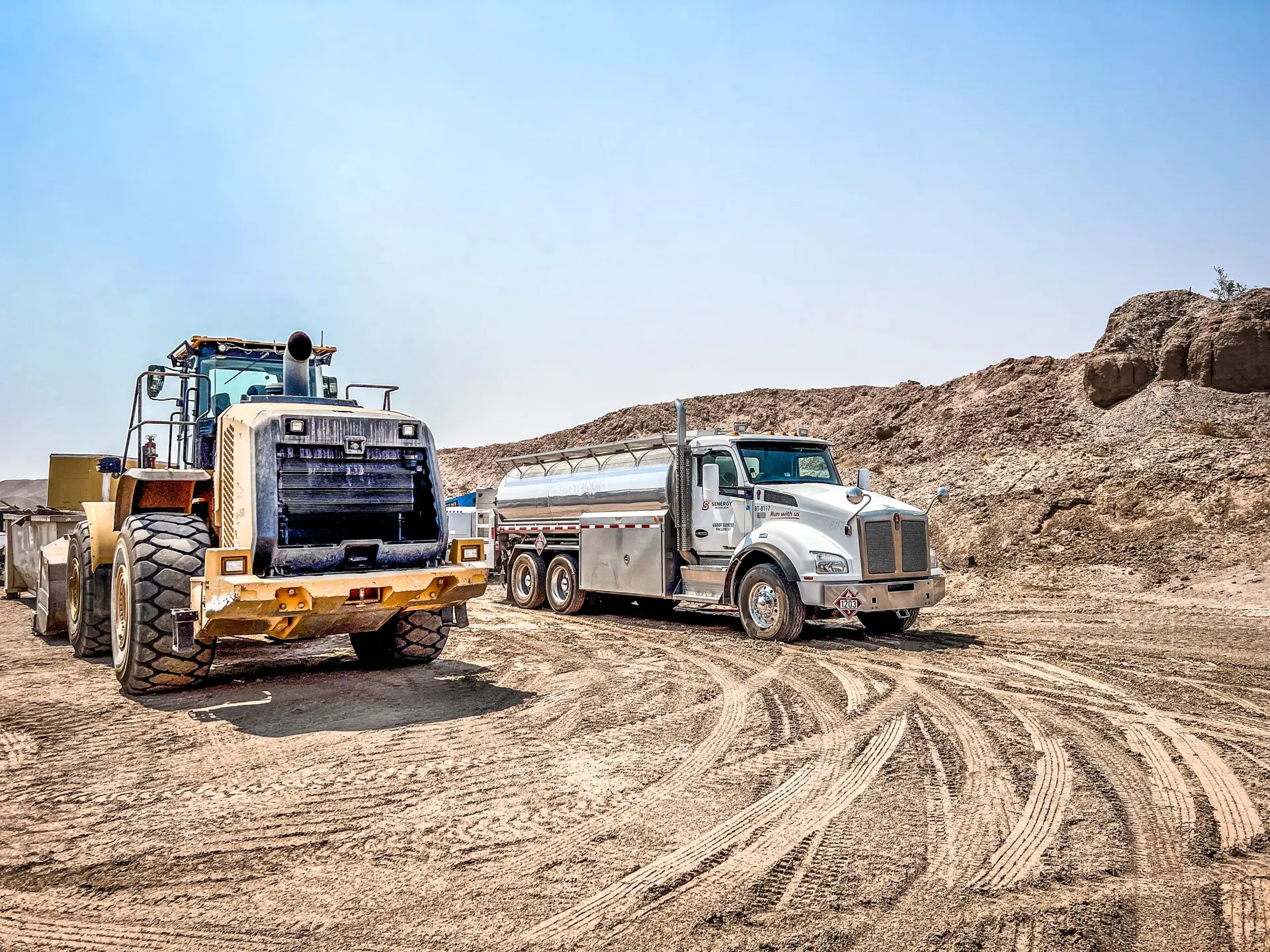
At Senergy Petroleum, we supply both clear and dyed diesel to meet the demands of different operations. Clear diesel—also known as undyed or on-road diesel—is used in vehicles that operate on public roads. It complies with federal regulations and includes applicable road-use taxes. Dyed diesel, on the other hand, contains a red dye (typically Solvent Red 26 or 164) and is designated for off-road equipment such as construction machinery, agricultural vehicles, and generators. The red coloring makes it easy to identify and helps ensure it’s used only for its intended, tax-exempt purposes. The key difference between clear and dyed diesel isn’t just in appearance—it’s in how the fuel is used, taxed, and regulated.

What You Need to Know About Using Dyed Diesel Legally

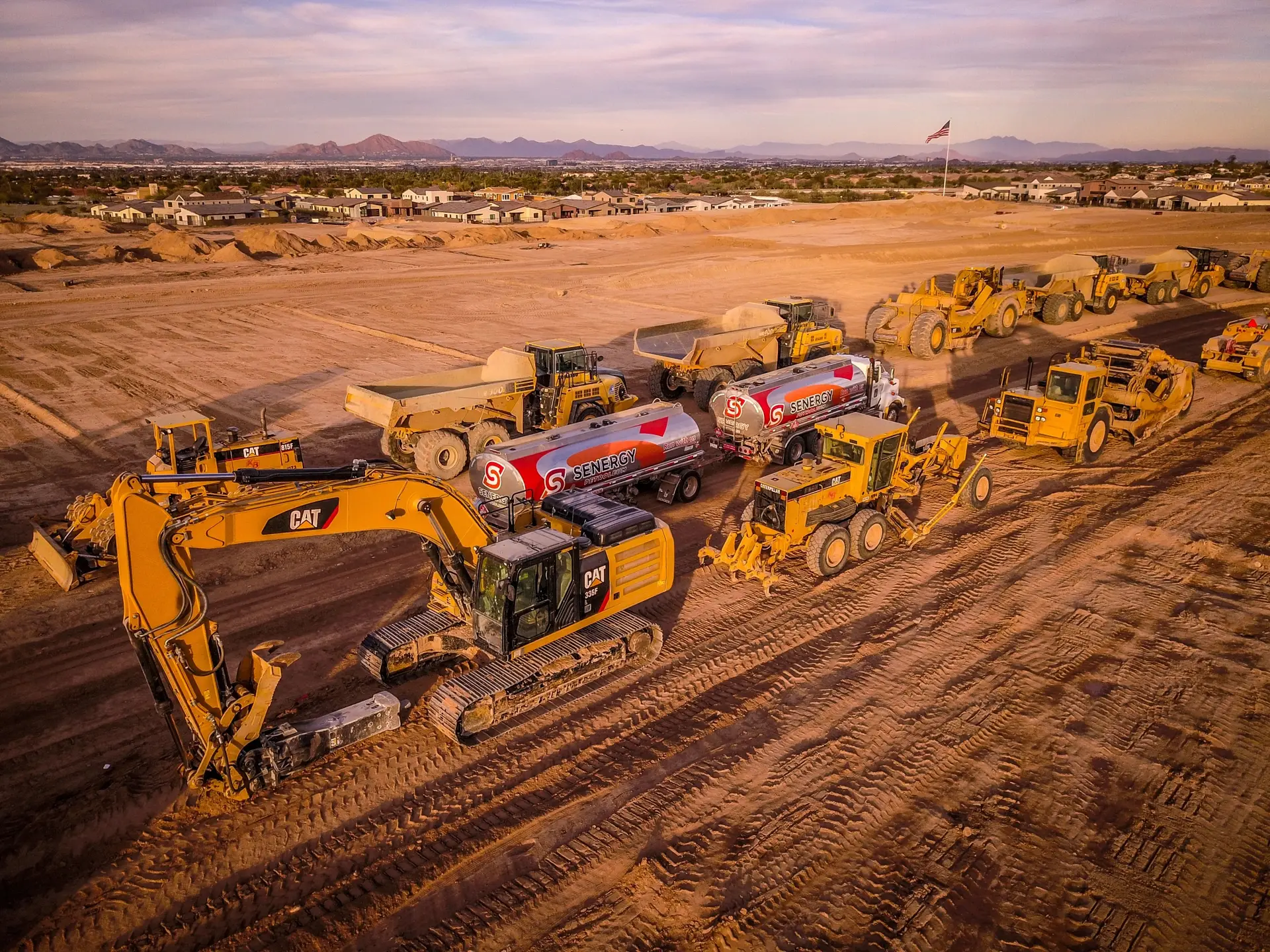
Dyed diesel is designed for off-road use due to its untaxed status. At Senergy Petroleum, we supply dyed diesel to support industries like construction, agriculture, mining, and marine operations—sectors that depend on high-powered equipment such as tractors, bulldozers, backhoes, and mills. Since these machines don’t operate on public roads, dyed diesel can be used legally and helps businesses reduce fuel expenses. However, using dyed diesel in on-road vehicles is a serious violation and can lead to significant fines. Regulators routinely perform inspections to detect the presence of red dye in fuel tanks. It’s essential for businesses and fleet operators to understand the legal limits of dyed diesel usage and stay compliant with federal and state regulations.

Clear Diesel: What It Is and When to Use It

Clear diesel—also known as on-road diesel—is the standard fuel for commercial and personal diesel-powered vehicles that operate on public roads. It meets ultra-low sulfur diesel (ULSD) specifications and is subject to both state and federal fuel taxes. These taxes contribute to public infrastructure projects and are reflected in the higher price point compared to dyed diesel. Anyone operating trucks, buses, or other diesel vehicles on highways must use clear diesel to remain compliant. The distinction between on-road and off-road diesel comes down to cost, use case, and legal compliance—and understanding the difference helps you keep operations running smoothly and within regulations.

Regulations and Requirements: Dyed vs. Clear Diesel

Another key difference between dyed and clear diesel lies in the regulations they must meet. Clear diesel is required for public road use and must meet strict federal standards. Dyed diesel, used in off-road equipment, is often exempt from those on-road requirements and is suitable for machinery operating in controlled or private environments. As equipment technology evolves, many manufacturers are now designing engines that require more refined fuels regardless of whether they’re used on-road or off-road. While dyed diesel remains a legal and cost-effective solution for specific applications, it’s important to stay current with equipment requirements and compliance standards to ensure proper usage.

Why Dyed Diesel Is Cheaper—and When You Can Use It

One of the most noticeable differences between dyed and clear diesel is the cost. Dyed diesel is significantly less expensive because it’s not taxed like clear diesel. This makes it a smart option for large-scale operations—such as farming, construction, and industrial work—where fuel consumption is high. But the savings come with strict limitations: dyed diesel cannot be used in vehicles that operate on public roads. Misusing it to cut costs can result in steep penalties that outweigh any short-term savings. At Senergy Petroleum, we help fleet managers and business owners understand where and how to use each fuel type to stay compliant and keep operations efficient. Choosing the right fuel isn’t just about pricing—it’s about protecting your bottom line and planning responsibly.

Legal Risks of Misusing Dyed Diesel

Government agencies have implemented strict measures to prevent the illegal use of dyed diesel in on-road vehicles. Enforcement often includes random roadside inspections where fuel samples are tested using chemical detection kits. The presence of red dye is an immediate indicator of misuse, and the penalties can be severe. Fines vary by state but can reach thousands of dollars per violation, with some jurisdictions adding back taxes or even criminal charges for repeat offenses. Fuel suppliers like Senergy Petroleum are required to maintain accurate records of dyed diesel sales, including volumes and intended use. This tracking system supports accountability and helps identify potential misuse. For businesses operating both on-road and off-road equipment, clear fuel management practices are essential to avoid accidental cross-use. Knowing the rules around dyed diesel is critical—lack of awareness is not considered a valid excuse during enforcement.

Proper Storage and Handling for Dyed and Clear Diesel

Both dyed and clear diesel require careful storage and handling, but the logistics can differ depending on where and how the fuel is used. Dyed diesel is typically stored in bulk tanks at job sites, farms, and industrial facilities. Because it’s often used in rugged, outdoor environments, storage tanks must be durable and meet relevant safety standards. Clear diesel, usually delivered to fueling stations or stored at commercial fleet yards, is subject to tighter quality control protocols. If diesel is stored improperly, issues like contamination, water infiltration, and fuel degradation can impact engine performance. Whether you’re storing dyed or clear diesel, it’s essential to protect the fuel from temperature swings, microbial growth, and UV exposure. Clearly labeling tanks helps prevent accidental cross-use and supports safe, efficient operations. At Senergy Petroleum, we work with you to ensure proper fuel management practices are in place from delivery to storage.

Choosing the Right Diesel for Your Operation

Choosing between dyed and clear diesel comes down to understanding your operational needs and legal responsibilities. Dyed diesel is cost-effective for off-road equipment, while clean diesel is required for on-road vehicles to stay compliant. Proper fuel management—like clear segregation, staff training, and accurate record-keeping—is essential to avoid costly mistakes. At Senergy Petroleum, we help you get it right every time. Run With Senergy for smart fuel choices and reliable compliance.

Stay Up To Date!

Keep up with Deals, Industry Updates, and more!

"*" indicates required fields

This field is for validation purposes and should be left unchanged.