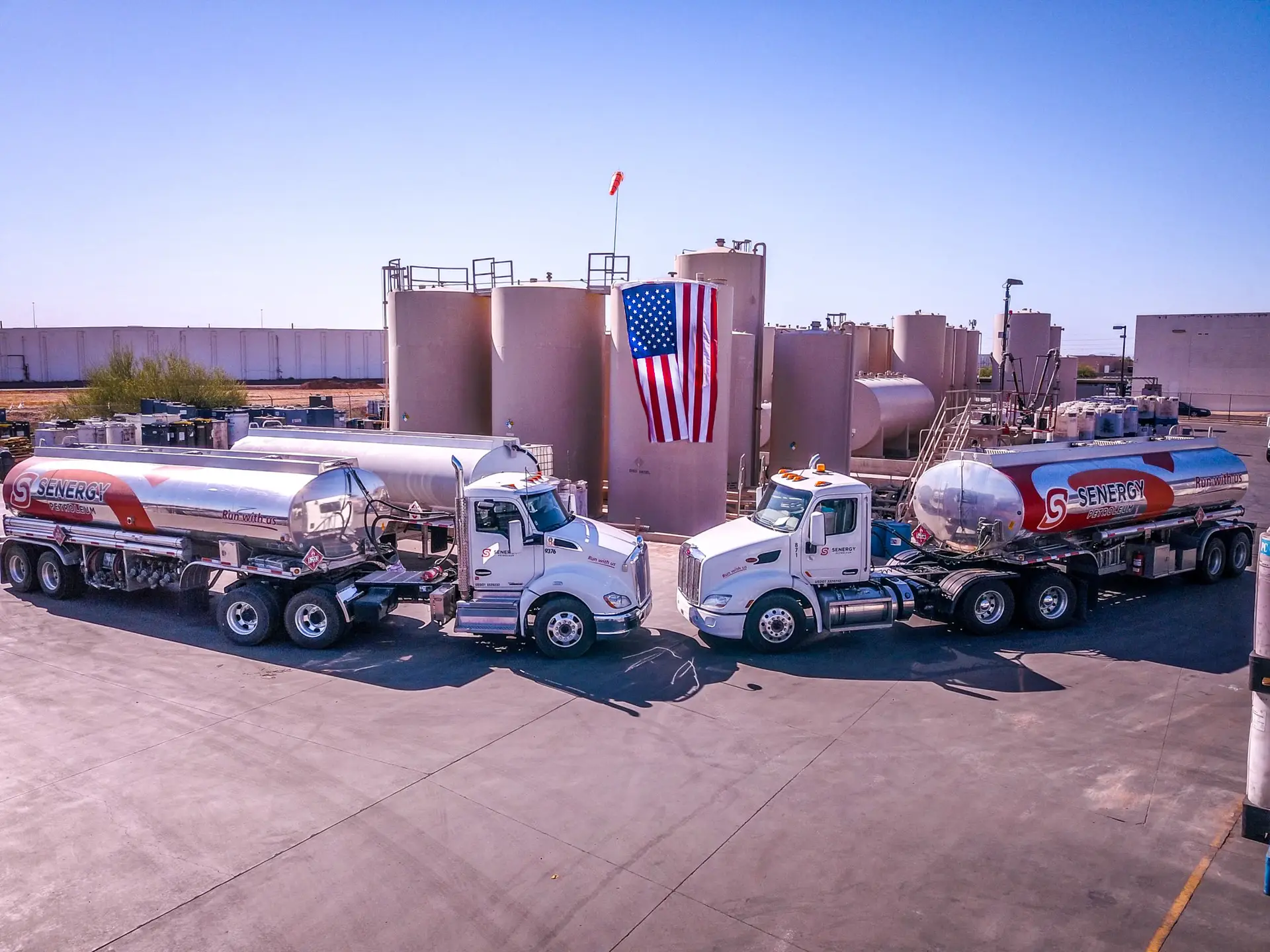
Diesel vs Gasoline Fleet Optimization Strategies
Fleet operators across the United States continue to evaluate the advantages and drawbacks of diesel and gasoline-powered vehicles as operating costs, fuel prices, and sustainability goals evolve. Choosing the right fuel type is no longer just a vehicle purchasing decision. It directly affects maintenance budgets, vehicle utilization, productivity, and long-term profitability. Businesses that rely on transportation, construction equipment, utility vehicles, and delivery services must understand how fuel selection impacts overall fleet performance.
The discussion around diesel fleets and gasoline-powered vehicles often centers on fuel economy and acquisition costs. While those factors remain important, modern fleet management requires a broader assessment that includes maintenance demands, route requirements, downtime risk, resale value, and environmental considerations. Companies that take a strategic approach to fuel selection are often better positioned to improve operational efficiency while controlling expenses.
As fleet managers seek ways to maximize returns, a comprehensive fuel comparison becomes essential. Understanding how each option performs under different operating conditions helps organizations build a transportation strategy that aligns with business objectives and long-term growth plans.
Understanding Total Cost of Ownership
Vehicle acquisition cost is frequently the starting point when comparing diesel and gasoline fleets. Gasoline-powered vehicles generally have a lower upfront purchase price, making them attractive for organizations seeking to reduce initial capital expenditures. However, purchase price alone rarely reflects the true financial impact of a fleet investment.
Total Cost of Ownership (TCO) includes fuel expenses, maintenance requirements, depreciation, insurance, repairs, and resale value. Diesel-powered vehicles often cost more to purchase, but they may offset those costs through lower fuel consumption and longer service life. For fleets that operate vehicles for many years or accumulate significant mileage, these savings can become substantial.
Organizations that evaluate operating expenses over the entire lifecycle of a vehicle are often able to make more informed decisions. Rather than focusing on short-term costs, successful fleet managers consider long-term financial performance when selecting fuel types.
Fuel Economy and Vehicle Performance
Fuel economy remains one of the most significant factors in fleet planning. Diesel engines typically deliver greater efficiency during highway operations and long-distance transportation. Their ability to generate higher torque makes them well suited for towing, hauling heavy equipment, and supporting demanding commercial applications.
Gasoline vehicles, on the other hand, often perform well in urban environments characterized by frequent stops, shorter routes, and lighter loads. For service fleets and local delivery operations, gasoline-powered vehicles can provide reliable performance without the higher purchase cost associated with diesel engines.
Route suitability plays an important role in determining the most effective fuel strategy. Long-haul transportation companies may benefit from the efficiency advantages of diesel fleets, while organizations operating primarily within cities may achieve better overall results with gasoline-powered vehicles. Matching vehicle capabilities to operational demands remains one of the most effective ways to improve fleet efficiency.
Maintenance Requirements and Reliability
Maintenance costs vary significantly between diesel and gasoline engines. Diesel vehicles are known for their durability and longer engine lifespan, making them a preferred choice for applications involving high annual mileage. Their robust design often contributes to greater reliability under demanding operating conditions.
At the same time, diesel systems require specialized maintenance procedures. Components such as emission control systems, fuel filters, and Diesel Exhaust Fluid systems add complexity to routine servicing. Fleet operators must account for these requirements when estimating long-term maintenance expenses.
Gasoline-powered vehicles generally offer simpler maintenance schedules and lower repair costs. Routine service tasks are often less expensive, and replacement parts may be more readily available. For organizations prioritizing ease of maintenance and reduced downtime risk, gasoline vehicles can present an attractive alternative. Effective maintenance tracking and preventive maintenance programs remain essential regardless of fuel type.
Operational Considerations for Fleet Managers
Operational demands have a direct impact on fuel selection decisions. Daily mileage, route length, vehicle utilization rates, and seasonal workload fluctuations all influence which fuel type provides the greatest value. Fleets operating continuously over extended distances often benefit from diesel-powered vehicles because of their efficiency and durability.
Urban service fleets face different challenges. Frequent acceleration, traffic congestion, and stop-and-go driving conditions can reduce the efficiency advantages typically associated with diesel engines. In these environments, gasoline-powered vehicles may provide a more practical solution while supporting operational flexibility.
Driver behavior also affects overall performance. Excessive idling, aggressive acceleration, and poor route planning increase fuel consumption regardless of vehicle type. Telematics systems and fleet analytics tools help managers identify opportunities to reduce waste, improve route optimization, and enhance vehicle utilization across the entire operation.
Environmental Impact and Future Planning
Environmental regulations continue to shape fleet purchasing decisions throughout the United States. Organizations increasingly monitor carbon footprint metrics, fuel emissions, and sustainability reporting requirements when evaluating vehicle options. These factors influence both public perception and regulatory compliance efforts.
Modern diesel engines have become significantly cleaner than previous generations, thanks to advanced emission control technologies and improved fuel standards. However, gasoline vehicles may still offer advantages in certain regulatory environments, particularly for light-duty applications where emissions reduction goals are a priority.
Many organizations are also preparing for future fleet electrification initiatives. Evaluating current fuel strategies while considering long-term sustainability objectives helps businesses maintain flexibility as transportation technology continues to evolve. A balanced approach can support operational needs today while positioning fleets for future changes.
Building the Right Fuel Strategy
There is no universal answer to the diesel-versus-gasoline debate. The best choice depends on operational goals, vehicle duty cycles, maintenance resources, and budget priorities. Companies that rely on heavy loads, long-distance transportation, and high annual mileage often achieve strong results with diesel-powered vehicles. Those operating light-duty vehicles in urban settings may find gasoline fleets more practical and cost-effective.
Many organizations now operate mixed-fuel fleets to capture the benefits of both technologies. This approach allows fleet managers to assign vehicles based on specific operational requirements rather than relying on a single fuel source. Such flexibility can improve productivity while reducing unnecessary operating expenses.
Successful fleet optimization begins with data-driven decision making. By analyzing fuel usage, maintenance records, route performance, and lifecycle costs, organizations can identify the most effective vehicle mix for their operations. In some cases, partnerships that support Bulk Fuel Delivery services may further improve fuel management and cost control. Businesses that continually review performance metrics and adapt their strategy are often best positioned to maximize returns, strengthen fleet efficiency, and maintain a competitive advantage in a changing transportation landscape.