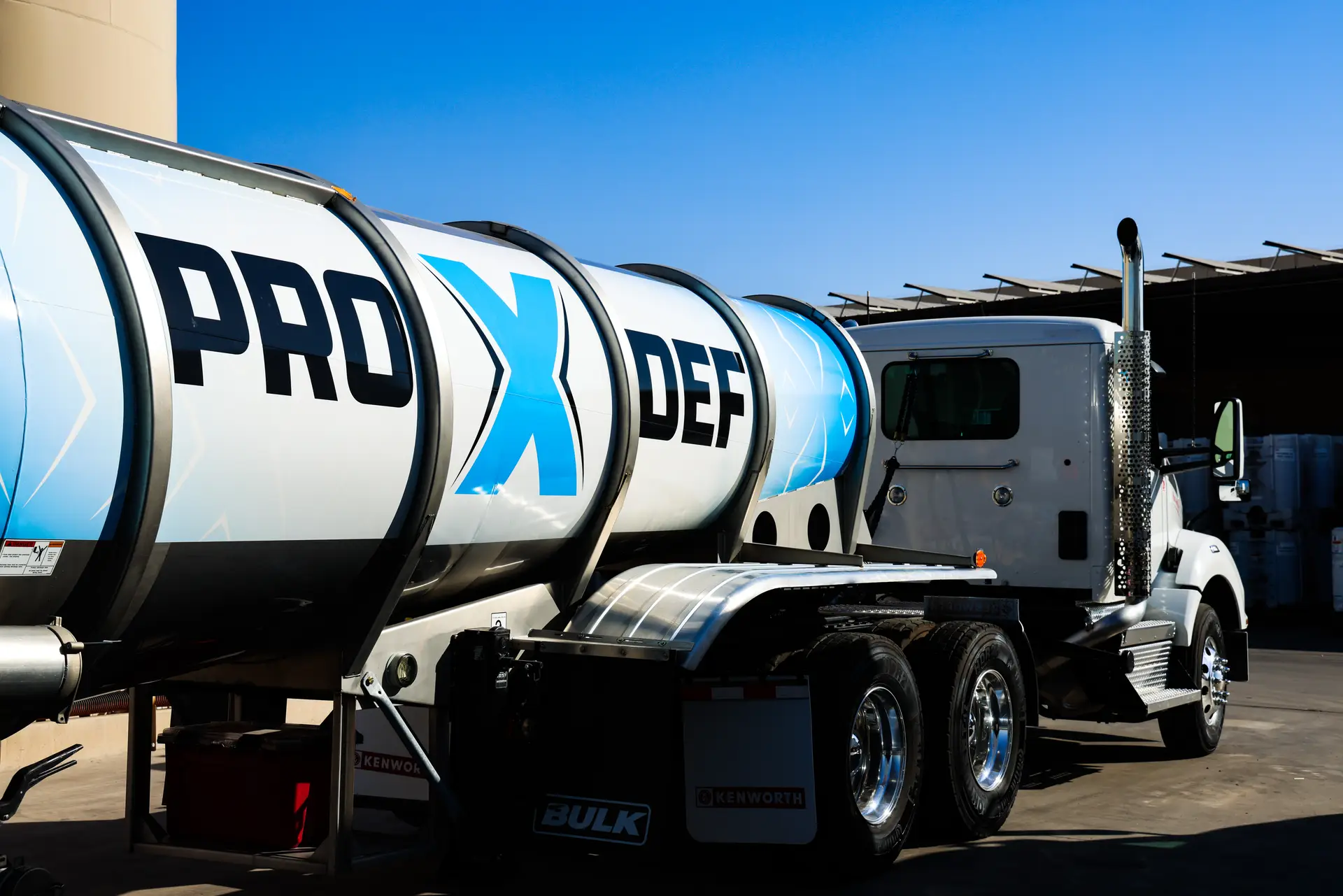
Diesel Exhaust Fluid: What It Is & Why It Matters
Diesel Exhaust Fluid (DEF) is a critical component in modern diesel engine systems designed to reduce harmful emissions. It is a clear, non-toxic solution made up of 32.5% urea and 67.5% deionized water, specifically formulated to help lower pollutants created during diesel combustion.
Unlike fuel additives, DEF is stored in a separate tank and injected into the exhaust stream after combustion has occurred. This distinction is important—DEF does not enhance combustion efficiency; instead, it treats exhaust gases before they exit the tailpipe. It works in conjunction with advanced emissions control systems, particularly Selective Catalytic Reduction (SCR), to reduce nitrogen oxide (NOx) emissions.
The adoption of DEF is closely tied to increasingly strict environmental regulations worldwide. Concerns over NOx emissions and their impact on air quality and human health have led governments to enforce tighter emissions standards. Diesel engines, known for their efficiency and durability, naturally produce higher levels of NOx due to their high combustion temperatures, making emissions control a necessary focus.
DEF has become a standard solution across passenger vehicles, buses, agricultural equipment, and commercial trucks as part of broader diesel emissions strategies. It represents a shift toward cleaner diesel technology without sacrificing performance or reliability.
For fleet operators, equipment managers, and industry professionals, understanding DEF is essential for maintaining compliance and supporting environmental responsibility.
How DEF and SCR Systems Work Together to Reduce Diesel Emissions
Diesel Exhaust Fluid (DEF) works most effectively alongside Selective Catalytic Reduction (SCR) systems. SCR technology converts harmful nitrogen oxides (NOx) into harmless nitrogen and water vapor.
During engine operation, exhaust gases flow through the SCR system. At this point, the system injects DEF into the hot exhaust stream in fine droplets. The heat breaks the DEF down into ammonia. A catalyst then enables the ammonia to react with NOx gases, converting them into nitrogen and water—both natural, non-harmful components.
This process delivers high efficiency, with some SCR systems reducing NOx emissions by up to 90%. Electronic controls regulate DEF dosing to maintain optimal performance across different engine loads and operating conditions.
Regulations such as Euro VI and U.S. EPA standards require SCR systems in many diesel applications. Without DEF, SCR systems cannot operate correctly, which leads to reduced performance or enforced limitations such as derating or engine shutdown.
Together, DEF and SCR technology allow modern diesel engines to balance power, efficiency, and environmental compliance while significantly reducing emissions.
Major DEF Advantages to Performance and Efficiency
The adoption of Diesel Exhaust Fluid (DEF) delivers several measurable benefits beyond emissions reduction. One of the primary advantages is improved engine efficiency. DEF enables diesel engines to operate at higher combustion temperatures without exceeding emissions limits, which can contribute to better fuel economy and overall performance.
Another key benefit is regulatory compliance. Vehicles equipped with DEF and Selective Catalytic Reduction (SCR) systems are able to meet stringent emissions standards, helping avoid penalties and operational restrictions. This is especially important for commercial fleets operating across multiple regulatory regions.
DEF also supports engine longevity. By reducing harmful exhaust gases and limiting the formation of internal deposits, it helps lower engine stress and contributes to reduced maintenance requirements and extended service life.
From an environmental perspective, DEF plays a significant role in reducing nitrogen oxide (NOx) emissions, which are linked to smog formation, acid rain, and respiratory health issues. This helps make diesel-powered equipment and vehicles cleaner and more sustainable.
In addition, DEF systems are designed for ease of use. Consumption rates are typically low—generally around 2–6% of diesel fuel usage—resulting in infrequent refilling and minimal operational disruption while still delivering substantial environmental benefits.
The Role of DEF in SCR Compliance
One of the primary reasons Diesel Exhaust Fluid (DEF) is essential in the modern diesel landscape is its role in Selective Catalytic Reduction (SCR) compliance. Regulatory agencies worldwide have implemented strict limits on nitrogen oxide (NOx) emissions, and SCR systems that rely on DEF remain one of the most effective technologies for meeting these requirements.
Within SCR systems, DEF acts as the enabling agent that allows harmful emissions to be neutralized before they are released into the atmosphere. Without DEF, SCR systems cannot function as intended, resulting in non-compliance with emissions standards. Many modern vehicles are equipped with sensors that monitor DEF levels and system performance, triggering alerts or reducing engine power if issues are detected.
Compliance is particularly critical in industries such as transportation, logistics, and construction, where diesel-powered equipment is widely used. Failure to meet emissions regulations can result in fines, operational disruptions, and reputational damage.
Beyond regulatory requirements, SCR compliance also supports broader sustainability goals. Governments and organizations continue to focus on reducing air pollution and minimizing environmental impact. DEF plays a direct role in these efforts by enabling cleaner diesel engine operation and supporting reduced emissions across industries.
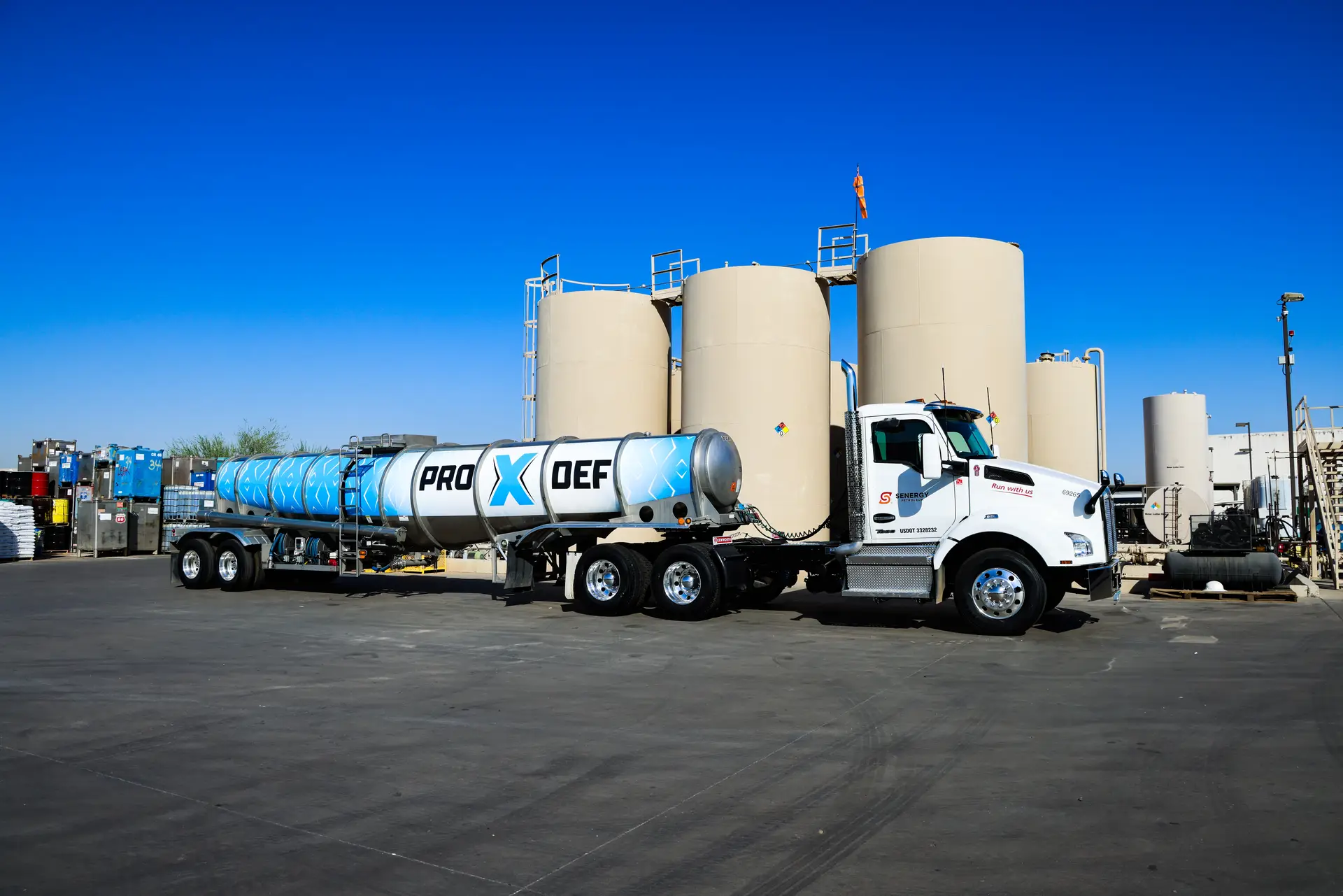

How DEF Reduces Diesel Emissions and Supports Cleaner Air Quality
Concerns surrounding diesel emissions have existed since the early 1990s due to their contribution to air pollution and associated public health risks. A major component of diesel exhaust is nitrogen oxides (NOx), which are linked to respiratory issues, environmental degradation, and broader climate-related impacts.
Diesel Exhaust Fluid (DEF) helps address these challenges by significantly reducing NOx emissions. Through the Selective Catalytic Reduction (SCR) process, harmful gases are converted into nitrogen and water—naturally occurring, non-hazardous elements.
Reducing diesel-related emissions is especially important for maintaining urban air quality. Cities with high volumes of diesel traffic are more susceptible to smog formation and pollution-related health concerns. DEF technology helps mitigate these effects, supporting cleaner air and healthier communities.
As environmental regulations continue to become more stringent, the need for effective emissions control solutions has increased. DEF enables industries to meet these requirements while maintaining operational efficiency and reliability.
In addition, DEF contributes to broader environmental sustainability efforts. While its primary function is to reduce NOx emissions rather than carbon dioxide, the overall reduction in harmful pollutants supports cleaner operations and aligns with global efforts to improve environmental outcomes.
Best Practices for Safe Storage and Handling of DEF
Proper storage and handling of Diesel Exhaust Fluid (DEF) protect product integrity and ensure reliable system performance. DEF is non-toxic and non-flammable, but it still requires careful management to avoid contamination and degradation.
Store DEF in a cool, dry, well-ventilated area away from direct sunlight. High temperatures reduce product quality over time, and DEF freezes at approximately -11°C in cold conditions. It remains fully usable after thawing when handled correctly.
Contamination control plays a critical role. Even small amounts of dirt, fuel, oil, or other foreign materials can compromise DEF quality and damage Selective Catalytic Reduction (SCR) systems. Always use dedicated storage and dispensing equipment to prevent contamination.
Use approved storage materials such as stainless steel and high-density polyethylene to prevent corrosion and maintain product stability. Inspect storage tanks, containers, and dispensing systems regularly to prevent leaks and protect product integrity.
Follow proper handling procedures at all times. Although DEF is not hazardous, avoid direct contact with skin or eyes and clean spills immediately using appropriate methods.
Proper storage and handling practices keep DEF effective and support consistent performance of emissions control systems.
Key Facts and Myths About DEF
Although Diesel Exhaust Fluid (DEF) is widely used, several misconceptions remain. DEF is not a fuel additive and does not mix with diesel fuel; it functions only within the exhaust system.
It also does not reduce engine performance—instead, it supports efficient combustion and emissions control. DEF is non-toxic when handled properly and is used at relatively low consumption rates, meaning refills are infrequent.
Modern diesel engines are designed to require DEF for Selective Catalytic Reduction (SCR) compliance, and operating without it can result in reduced performance or system shutdown.