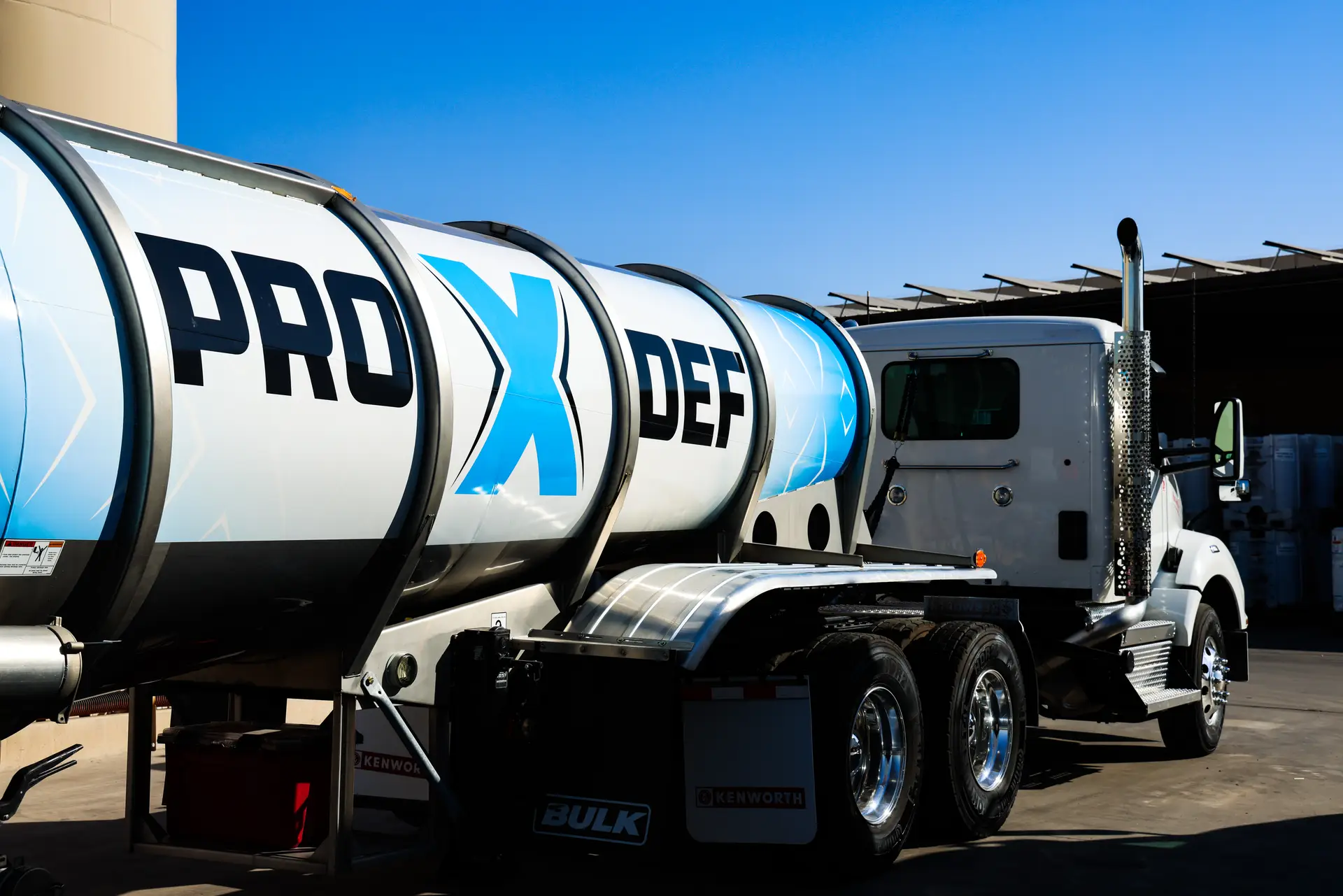
Detail That Saves the Big Diesel Engines
Today’s diesel fleets rely on a wide range of advanced systems to stay productive, dependable, and profitable. From telematics and routing software to structured maintenance programs, fleet directors oversee numerous moving parts. Yet within every diesel truck is a clear, easy-to-read fluid that plays a critical role in keeping engines performing at their best: Diesel Exhaust Fluid (DEF). While it may appear simple—just a colorless liquid stored in a plastic tank—the quality of that fluid directly affects engine performance and the amount of avoidable downtime a fleet may experience.
Many fleets underestimate how sensitive Aftertreatment systems are to DEF purity. When DEF meets strict quality standards, the Selective Catalytic Reduction (SCR) system functions exactly as designed, supporting optimal fuel efficiency and helping prevent unnecessary fault codes or derates. Even minor lapses in purity—such as small contaminants, poor storage practices, or improper handling—can lead to costly issues over time. That’s why DEF purity is not only a maintenance priority but also a financial safeguard. Protecting this seemingly small detail helps prevent equipment failures, reduce repair costs, and maintain consistent performance across the entire fleet.
The Critical Role of DEF Purity in Protecting Aftertreatment Systems
For many operators, DEF may look like nothing more than water. In reality, its chemical makeup is highly precise: 32.5% high-quality urea combined with 67.5% deionized water. This exact ratio ensures proper vaporization in the exhaust stream and reliable SCR system performance in a wide range of operating conditions. But purity involves far more than concentration alone. True DEF purity requires the fluid to be free of minerals, trace metals, dust, additives, and other microscopic contaminants that can damage sensitive components within the SCR system.
Why does this level of purity matter? Modern aftertreatment systems are engineered with tight tolerances that leave little room for impurities. Any foreign material—from tap water to small particles—can accumulate inside the injector, crystallize on dosing valves, or damage the SCR catalyst. These issues often develop gradually, showing up as recurring warning lights, reduced fuel efficiency, or unexpected performance derates. When DEF quality is compromised, the entire chain of engine performance begins to decline. For fleet operators, maintaining purity is essential to protecting long-term engine health and avoiding costly repairs.
The Hidden Costs of Poor DEF: How Contamination Impacts Fleet Performance
Diesel engines are built for durability, but the systems that manage their performance can be highly sensitive. When DEF becomes compromised, early damage may go unnoticed and gradually worsen over time. Metals such as calcium and sodium can obstruct injectors, while debris and dirt can clog filters. Low-quality DEF may also fail to vaporize properly, leading to incomplete reactions within the SCR catalyst. As this occurs, sensors detect irregularities, triggering dashboard warnings. If those alerts are not resolved promptly, the truck will eventually enter a protective derate mode to prevent further damage.
The SCR catalyst is one of the most costly components at risk from contaminated DEF. Over time, impurities coat the catalyst surface and reduce its effectiveness. Once this happens, the catalyst cannot be cleaned and must be replaced—a significant expense that can escalate quickly across a fleet. Contaminated DEF can also impact fuel efficiency, as engines work harder to compensate for poor system performance. Increased fuel consumption, more frequent combustion cycles, and elevated exhaust temperatures often follow. In short, poor-quality DEF leads to equipment failures, unplanned downtime, unnecessary fuel costs, and expensive repairs. Maintaining DEF purity is one of the most effective ways to protect system reliability and preserve operational stability.
Why DEF Standards Matter
DEF is governed by strict international standards, with ISO 22241 being the most recognized. These specifications set precise limits for urea concentration, purity, metals, and overall composition. Meeting these standards is not optional—it’s essential for protecting the sensitive components found in modern diesel engines. When fleets purchase certified DEF, they can trust that the product has passed rigorous quality testing and is suitable for use in SCR systems. This is more than documentation; it is a safeguard for engine performance and long-term reliability.
High DEF quality standards also help protect fleets from warranty issues. Manufacturers routinely deny aftertreatment-related claims when testing reveals contaminated or non-spec DEF. Many fleets only realize the impact after experiencing costly failures caused by lower-grade DEF or poorly maintained storage. Using certified DEF eliminates these risks. Consistent adherence to quality standards ensures batch uniformity, which is critical because even small inconsistencies can affect system performance. Treating these standards as non-negotiable helps maintain reliability across every diesel asset in the fleet.

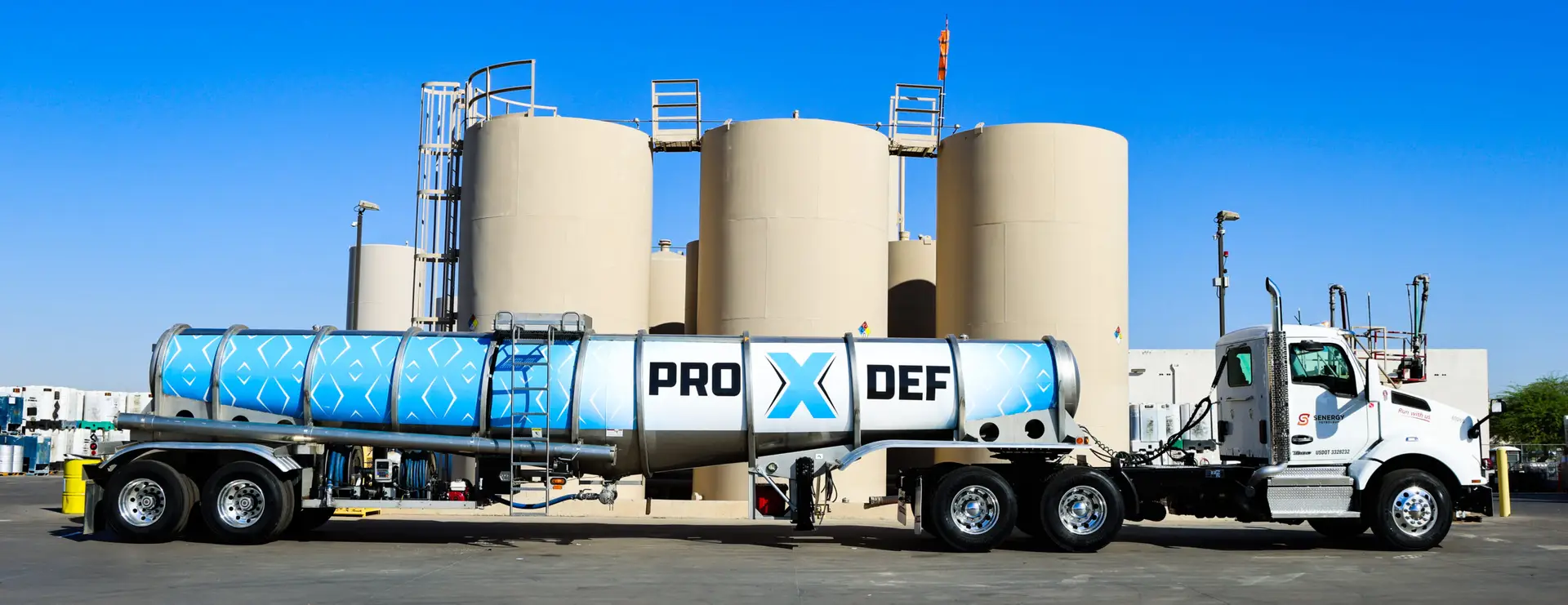
Where DEF Contamination Really Happens
Most DEF contamination does not originate from the manufacturer—it occurs on-site. The most common risks are often simple and easily overlooked. Improper use of funnels or containers, exposure to heat or direct sunlight, or storing DEF in unapproved materials can introduce contaminants without anyone realizing it. DEF reacts quickly with metals such as brass, copper, and carbon steel, meaning even a small corroded fitting can release impurities into the fluid.
Temperature poses another challenge. Excessive heat degrades DEF and accelerates urea breakdown, while repeated freeze–thaw cycles can alter concentration if not properly controlled. Unsanitary storage conditions—such as unshaded outdoor tanks, dirty dispensing equipment, or unsealed containers—are also major causes of contamination. Human handling plays a significant role as well. Using old diesel containers, contacting the inside of a DEF container with unclean tools, or failing to maintain clean transfer processes can all compromise purity. Understanding these risks helps fleets establish procedures that keep DEF clean from delivery through final dispensing into the engine tank.
Strengthening Fleet Uptime Through Better DEF Management Practices
To reduce breakdowns and increase uptime, DEF management must be a core part of every fleet’s maintenance strategy. This starts with standardizing how DEF is purchased, stored, dispensed, and monitored. Clear written guidelines—covering approved suppliers, storage temperature ranges, handling procedures, and acceptable materials—significantly reduce the potential for contamination. Technicians should understand which containers, hoses, and tools are permitted, and drivers should be trained to recognize early signs of DEF-related issues.
Maintenance teams should also inspect DEF tanks as part of routine service. Caps, seals, sensors, and filters need to be checked for dust, moisture, or other contamination risks. Tracking DEF usage and documenting which batches are placed in each unit helps teams identify problems quickly. Treating DEF with the same level of importance as coolant or engine oil is the mindset shift that makes the difference. When fleets elevate DEF management to a higher standard, they experience fewer aftertreatment failures, improved system performance, and more predictable maintenance schedules.
The Value of Proactive DEF Monitoring
Even with strong processes in place, active testing remains essential. Quick tools such as handheld refractometers or digital DEF testers help verify purity and concentration, while periodic batch testing confirms that stored product stays within specifications. If contamination is suspected, sending a sample to a lab is far more cost-effective than replacing an SCR catalyst.
Monitoring DEF usage, delivery timelines, and storage conditions also helps fleets identify issues early. Sudden trends—like rising injector faults—can point to a contaminated batch, and without documentation, tracking the source becomes difficult. Consistent testing and recordkeeping reduce uncertainty, strengthen maintenance planning, and ultimately lead to fewer breakdowns and lower repair costs.