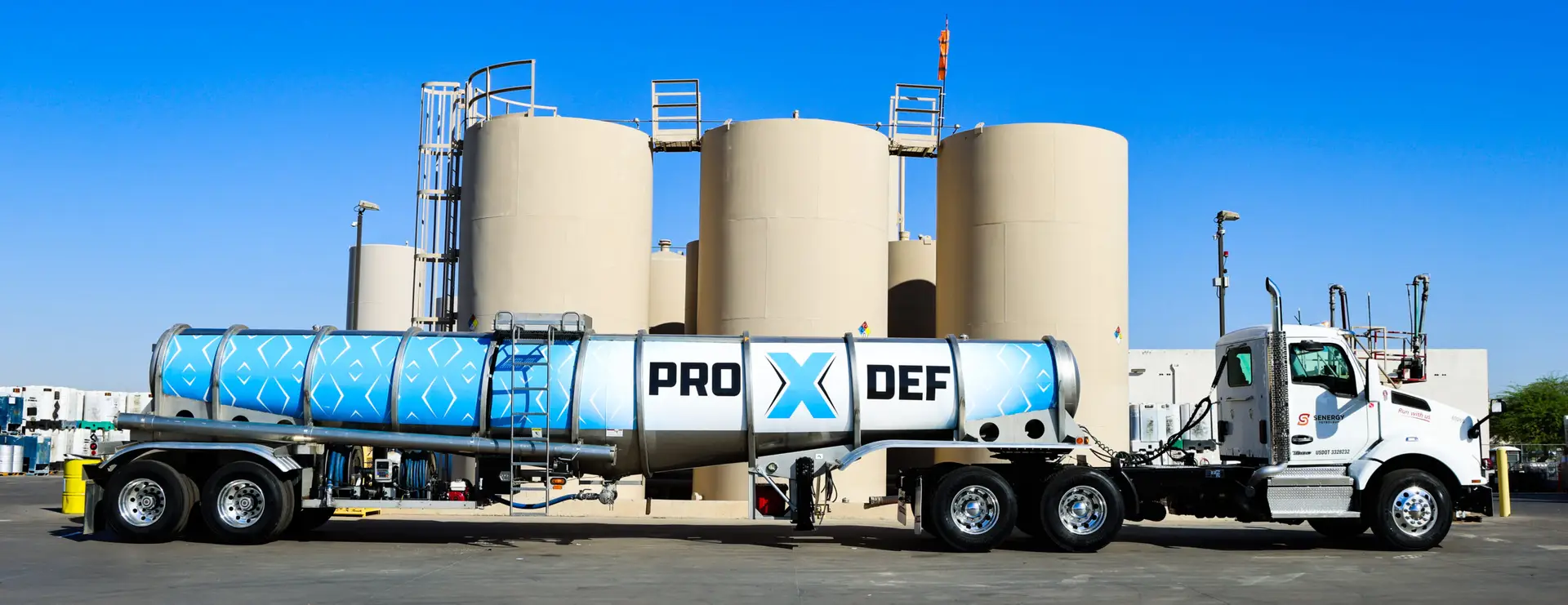
DEF Storage Best Practices for Year-Round Reliability
Diesel Exhaust Fluid (DEF) is a non-toxic, high-purity solution made from urea and deionized water. It is essential for reducing harmful emissions in diesel engines equipped with Selective Catalytic Reduction (SCR) systems. When injected into the exhaust stream, DEF converts nitrogen oxides (NOx) into harmless nitrogen and water vapor, helping engines meet and maintain strict emissions standards.
Because DEF is critical to emissions compliance, proper storage and handling are operational and regulatory necessities. Exposure to extreme temperatures or improper storage can cause DEF to degrade or crystallize, leading to SCR system malfunctions, unexpected downtime, and costly repairs. For fleet managers, truck owners, and operations relying on diesel-powered equipment, maintaining DEF quality year-round is key to protecting equipment performance and staying compliant.
The Key to Reliable DEF Storage and Compliance
Temperature control is the foundation of effective DEF storage. Diesel Exhaust Fluid is temperature-sensitive, freezing at 12°F (-11°C) and degrading rapidly above 86°F (30°C). Because DEF’s chemical balance directly impacts emissions compliance, maintaining it within the recommended temperature range is essential. Failure to do so can compromise fluid quality, reduce SCR system effectiveness, and lead to regulatory non-compliance.
Cold-weather DEF issues are most common during winter months in colder climates. When DEF freezes, the water component solidifies, and unlike water, frozen DEF expands. This expansion can cause storage tanks and equipment to crack if they are not properly insulated. While freezing does not immediately ruin DEF, repeated freeze-thaw cycles can degrade the fluid and disrupt its chemical balance if not properly controlled.
Conversely, excessive heat accelerates urea decomposition, causing ammonia off-gassing and reduced fluid strength. For this reason, a reliable DEF storage setup should include insulation, heating, and proper airflow as needed to protect DEF quality year-round.
Best Practices for Indoor and Outdoor DEF Storage
Choosing an appropriate location for DEF storage begins with understanding operational weather conditions and equipment usage patterns. An indoor storage area is typically the best choice for year-round operations. A clean, dry, temperature-controlled indoor environment protects DEF from extreme heat and cold, prevents contamination, and supports compliance with industry standards. Ideally, the storage area should maintain temperatures between 12°F and 86°F, with adequate air circulation to prevent hot spots and humidity buildup.
When indoor storage is not feasible, outdoor DEF storage can be effective with proper preparation. Outdoor tanks should be insulated and equipped with temperature-control solutions such as electric heaters, heat tracing, or sun shields. Using reflective covers or sun shades can reduce prolonged solar exposure and prevent excessive heat buildup. Placing outdoor storage in shaded areas or under protective shelters also minimizes temperature fluctuations and exposure to direct sunlight.
Regardless of location, all DEF storage systems should be elevated off the ground to prevent contamination and allow for easy cleaning underneath tanks. Secondary containment measures, such as drip pans or containment pallets, help prevent spills from reaching soil or storm drains. Routine inspection of fittings, seals, and tank surfaces also supports early detection of wear, leaks, or contamination. Following these best practices helps maintain DEF integrity and ensures reliable fluid quality year-round.
Preventing Contamination and Protecting SCR Systems
Proper handling and dispensing are critical to maintaining DEF quality and ensuring emissions compliance. Diesel Exhaust Fluid is highly susceptible to contamination from dust, fuel, oil, and even water impurities. Once contaminants enter DEF, they can disrupt SCR system operation, cause equipment failures, and lead to costly repairs. Establishing strict handling protocols is essential to protect fluid integrity.
Only dedicated, clean equipment should be used for DEF dispensing. Nozzles, hoses, and pumps used for fuel or other fluids should never be shared with DEF. Color-coded equipment or clearly labeled storage containers reduces the risk of accidental contamination. During transfer, ensure all containers and hoses are thoroughly cleaned and fully dry. When DEF is moved from larger tanks to smaller containers, use tamper-proof, sealed containers to prevent dust or moisture from entering.
Preventing Freeze-Related Downtime
Cold-weather DEF presents challenges that can disrupt diesel engine performance and emissions compliance if not anticipated. At temperatures below freezing, DEF will solidify, requiring specialized measures to maintain usability and fluid integrity. The key to managing cold-weather DEF is prevention, preparation, and responsive technology.
Installing heated storage systems, along with insulated tanks that include internal heating elements or external heat tracing, ensures DEF remains fluid when needed. These systems are controlled through thermostats or remote monitoring to activate automatically as temperatures drop. A heated dispensing system is also critical; vehicles and equipment should draw from DEF that is already warmed to prevent frozen blockages in transfer lines.
Another effective strategy is implementing a seasonal rotation plan. During colder months, maintain smaller DEF inventories in insulated, heated containers near vehicle fueling stations to reduce wait times and ensure access to warm fluid. A larger bulk storage system can be centrally located and temperature-controlled with robust insulation and heating measures.
How to Protect Fluid Integrity and Compliance
Ensuring year-round reliability in DEF storage requires monitoring fluid quality and shelf life. Under ideal conditions, DEF can remain stable for up to 12 months, though this varies depending on storage temperatures, sunlight exposure, and contamination. Consistent quality checks help identify degradation before it impacts engine performance or emissions compliance.
Inspection is the first step. DEF should be clear and free of particulate matter. Any haziness, crystals, or discoloration may indicate contamination or chemical breakdown. Periodic sampling and refractometer testing can confirm that DEF remains within specification. A lack of urea concentration compromises the SCR system’s ability to effectively reduce NOx emissions.
Temperature tracking also supports quality assurance. Maintaining logs of storage temperatures and correlating them with fluid condition helps identify trends that could affect DEF stability. Automated sensors and alarms integrated into storage systems can alert managers when temperatures fall outside recommended ranges.
Protecting DEF Quality and SCR Performance
Contamination is one of the greatest threats to DEF storage quality and reliability. Dust, debris, fuels, oils, or mineral deposits from improper cleaning practices can render DEF unusable and damage SCR systems. Preventing contamination begins with maintaining proper hygiene and disciplined tank protection. Keep tank lids closed and seal entry ports when not in use. Even short-term exposure to the environment can allow dust, insects, or moisture to enter and compromise the fluid. Inspect seals and gaskets regularly and replace any that show signs of wear or brittleness. Install and maintain high-quality filters on all dispensing equipment to capture particulates before they enter storage tanks or vehicle DEF systems.
Routine tank cleaning should be performed by trained personnel in accordance with manufacturer recommendations. Avoid detergents, solvents, or high-pressure sprays that can introduce contaminants. If cleaning is necessary, use approved DEF tank-cleaning products and rinse thoroughly with deionized water to prevent mineral residue. Allow tanks to dry completely before refilling.
Protective measures also extend to hoses, pumps, and storage accessories. Lubricants or fuel residues left on equipment can contaminate DEF even in small amounts. Establish inspection schedules and promptly replace worn or compromised components. Consistent hygiene and equipment protection practices help maintain DEF quality and extend the life of emissions control systems.
Training for Reliable DEF Storage
An effective DEF storage program relies on people and processes, not just equipment. Training staff on DEF properties, seasonal requirements, compliance protocols, and contamination prevention is essential. Well-trained personnel are more likely to follow procedures consistently, reducing errors that impact fluid quality and emissions performance.
Thorough documentation reinforces best practices. Maintain logs of storage temperatures, DEF deliveries, quality checks, tank protection, and equipment calibration. These records support internal operations and are valuable during audits or regulatory inspections, demonstrating proactive DEF management and compliance.