
DEF Storage Best Practices for Fleets
Keeping DEF storage in good condition is one of the simplest ways to protect fleet equipment and avoid unnecessary maintenance costs. Modern diesel vehicles rely on Selective Catalytic Reduction (SCR) systems to meet emissions standards, making fluid quality just as important as fuel quality. Poor storage practices can lead to contamination, reduced performance, and costly repairs that affect daily operations. For fleet managers, establishing consistent storage procedures helps maintain reliability while supporting long-term equipment health.
Whether your operation manages a handful of service trucks or hundreds of commercial vehicles, proper planning makes a noticeable difference. Understanding how to store diesel exhaust fluid correctly, selecting suitable containers, and maintaining the right DEF temperature all help preserve fluid quality from delivery through dispensing. Well-organized DEF storage also supports inventory control, reduces waste, and keeps fleet operations running efficiently throughout the year.
Why Proper DEF Storage Matters for Fleet Operations
The quality of Diesel Exhaust Fluid directly affects the performance of SCR systems that reduce nitrogen oxide (NOx) emissions. Because the fluid consists of highly purified urea and deionized water, even minor contamination from dirt, fuel, oil, or unsuitable containers can create problems. Once contamination occurs, vehicle warning lights, reduced engine power, or expensive component replacements may follow.
Beyond protecting emission systems, proper DEF storage improves daily fleet operations. Clean storage areas, dedicated dispensing equipment, and organized inventory reduce the chance of product loss while making refilling faster for technicians and drivers. Following ISO 22241 requirements and using API-certified DEF products also helps fleets maintain consistent quality across every vehicle. A dependable storage process minimizes downtime, extends equipment life, and supports compliance with environmental regulations.
Choosing the Right Storage Equipment
Selecting suitable storage equipment begins with choosing materials designed specifically for DEF handling. High-density polyethylene (HDPE), stainless steel, and approved intermediate bulk containers (IBCs) are commonly recommended because they resist corrosion and help preserve product purity. Using dedicated pumps, hoses, nozzles, and transfer systems prevents cross-contamination with diesel fuel, lubricants, or other shop fluids.
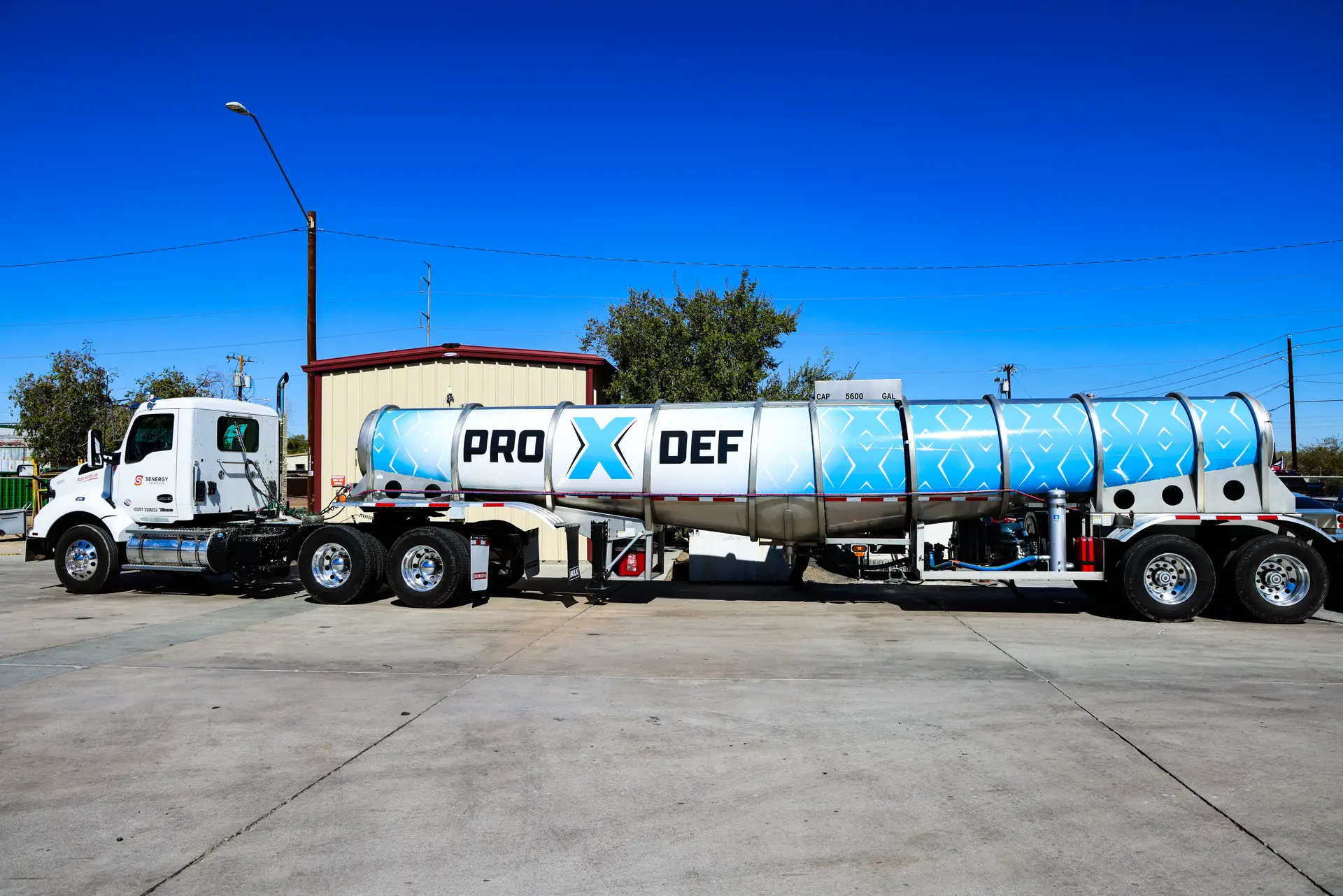
Operations with higher consumption often benefit from bulk DEF storage, especially when multiple vehicles require daily refills. Bulk tanks simplify inventory management, reduce packaging waste, and lower handling time for maintenance staff. Regardless of storage size, every tank should remain sealed when not in use, clearly labeled, and positioned in an area protected from excessive dust, standing water, and chemical exposure. Organized storage racks and spill containment systems also improve workplace safety while making inspections easier.

Managing DEF Temperature Throughout the Year
Maintaining the proper DEF temperature is one of the most important parts of protecting product quality. Industry guidance recommends storing DEF in moderate conditions whenever possible, keeping it away from prolonged exposure to extreme heat or direct sunlight. High temperatures can shorten shelf life, while constant exposure to UV rays may gradually affect product quality during extended storage.
Cold weather introduces different challenges. DEF naturally freezes at approximately 12°F (-11°C), but freezing alone does not permanently damage the fluid. Once thawed completely, it generally returns to its original composition. Storage tanks should allow room for expansion during freezing, and heated dispensing equipment may be beneficial for fleets operating in northern states. Monitoring storage conditions throughout seasonal changes helps maintain consistent quality and reduces unnecessary product replacement.
Preventing Contamination and Extending Shelf Life
Protecting fluid quality requires attention to every step of handling and dispensing. Storage containers should always remain tightly sealed, while transfer equipment must be used exclusively for DEF. Even small amounts of diesel fuel, tap water, grease, or cleaning chemicals can contaminate the product and compromise SCR performance. Employees should understand that dedicated tools are essential rather than optional.
Good inventory practices are equally valuable. Applying the first-in, first-out (FIFO) method helps older inventory move before newer deliveries arrive, reducing the risk of expired stock. Routine inspections for leaks, damaged fittings, dirty nozzles, and loose lids further protect storage systems. Purchasing from reputable suppliers that provide certified DEF and maintaining accurate inventory records help ensure every refill meets quality expectations while minimizing waste and unexpected maintenance expenses.
Best Practices for Bulk Fleet Storage
As fleet operations expand, investing in bulk DEF storage often delivers measurable operational benefits. Bulk systems reduce the number of drum changes, simplify deliveries, and provide a centralized location for inventory monitoring. Maintenance teams spend less time handling individual containers and more time servicing equipment, improving overall productivity across the facility.
A successful bulk storage program also includes preventive maintenance for tanks, pumps, filters, and dispensing equipment. Scheduled inspections help identify worn seals, clogged filters, or damaged hoses before contamination occurs. Installing level monitoring systems allows managers to track inventory accurately and avoid emergency orders. Many fleets also benefit from automated inventory alerts, making purchasing more predictable while supporting uninterrupted vehicle operations.
Common Storage Mistakes Fleets Should Avoid
Many storage problems begin with simple oversights rather than equipment failures. Leaving container lids open, storing DEF near fuel products, exposing tanks to direct sunlight, or using unapproved transfer equipment all increase contamination risks. Mixing shop tools between different fluids can also introduce unwanted materials into storage systems, leading to expensive repairs that could have been prevented with basic procedures.
Another common mistake is overlooking employee training. Every technician responsible for handling DEF should understand proper filling procedures, spill response, container labeling, and inspection routines. Written standard operating procedures create consistency across every shift while reducing human error. Regular audits of storage conditions, inventory turnover, and dispensing equipment help fleet managers identify small issues before they become larger operational challenges.
Building a Reliable DEF Storage Strategy
Developing a long-term DEF storage strategy goes beyond selecting the right tank. Fleet managers should evaluate storage capacity, refill frequency, climate conditions, facility layout, and projected fleet growth before choosing equipment. Matching storage systems to daily operational needs reduces unnecessary costs while improving efficiency across maintenance facilities.
Successful programs combine organized inventory management, consistent inspection schedules, dedicated dispensing equipment, and careful attention to DEF temperature throughout the year. When these practices become part of routine maintenance, fleets experience fewer contamination issues, better equipment reliability, and stronger regulatory compliance. Investing in proper storage today helps protect vehicles, reduce downtime, and support dependable fleet performance well into the future.
