DEF Storage Best Practices for Commercial Operations
For businesses that rely on diesel-powered equipment, proper DEF storage is more than a routine task; it directly affects equipment performance, regulatory compliance, and operating costs. Whether you’re managing a trucking fleet, construction equipment, agricultural machinery, or municipal vehicles, maintaining the quality of diesel exhaust fluid helps keep Selective Catalytic Reduction (SCR) systems working as intended. Poor storage conditions can lead to contamination, reduced fluid quality, and unnecessary downtime that impacts daily operations.
Commercial operations often purchase bulk DEF to improve efficiency and reduce purchasing costs. While buying in larger quantities offers financial and logistical advantages, it also requires careful planning. Storage tanks, transfer equipment, inventory practices, and environmental conditions all play a role in preserving fluid quality from delivery through dispensing. Following recognized standards such as ISO 22241 and using compatible storage materials helps businesses avoid expensive repairs and maintain compliance with EPA emissions requirements.
This guide brings together practical recommendations that commercial operators can use to protect their investment, reduce maintenance issues, and build a dependable DEF management program.
Why Proper DEF Storage Matters for Commercial Operations
Every commercial fleet depends on consistent vehicle availability. When DEF quality declines because of improper handling or storage, SCR systems may not perform correctly, increasing the likelihood of warning lights, reduced engine performance, or costly service visits. For businesses operating dozens or even hundreds of vehicles, even a small storage issue can quickly become a company-wide maintenance concern.
DEF is made from 32.5% high-purity urea and 67.5% deionized water. Although the solution is stable when stored correctly, it is sensitive to contamination. Dirt, fuel, engine oil, untreated water, and incompatible metals can affect its composition. Once contaminated, the fluid may no longer meet ISO 22241 specifications, making replacement the safest option. Protecting product purity begins long before the fluid reaches a vehicle.
Commercial facilities also benefit from organized storage practices that support inventory accuracy and operational efficiency. Proper labeling, routine inspections, and stock rotation reduce waste while helping maintenance teams identify potential issues before they interrupt daily operations.
Creating the Right Storage Environment
- Temperature remains one of the most important factors affecting DEF storage. The recommended storage range generally falls between 12°F and 86°F. While DEF naturally freezes at approximately 12°F, freezing does not permanently damage the solution. Once it thaws completely, the fluid returns to its original concentration as long as contamination has not occurred. However, repeated exposure to excessive heat can shorten shelf life and gradually reduce product quality.
Indoor storage provides the greatest level of protection because it shields containers from direct sunlight, rapid temperature swings, and weather exposure. Facilities that store bulk DEF outdoors should consider insulated tanks, protective covers, or temperature-controlled systems in regions with extreme seasonal conditions. Limiting ultraviolet exposure also helps preserve the fluid over longer storage periods.
Ventilation and cleanliness should receive equal attention. Storage areas should remain dry, organized, and free from airborne contaminants. Keeping containers tightly sealed minimizes the risk of moisture, dust, or debris entering the system during storage or dispensing. A controlled storage environment supports longer shelf life while reducing unnecessary product loss.
Selecting Compatible Storage Equipment
Choosing the right storage equipment is essential for maintaining fluid purity throughout its life cycle. High-density polyethylene (HDPE), polypropylene, and stainless steel grades 304 and 316 are widely recognized as compatible materials for DEF tanks, transfer lines, pumps, and dispensing systems. These materials resist corrosion and help preserve the chemical composition of the fluid during long-term storage.
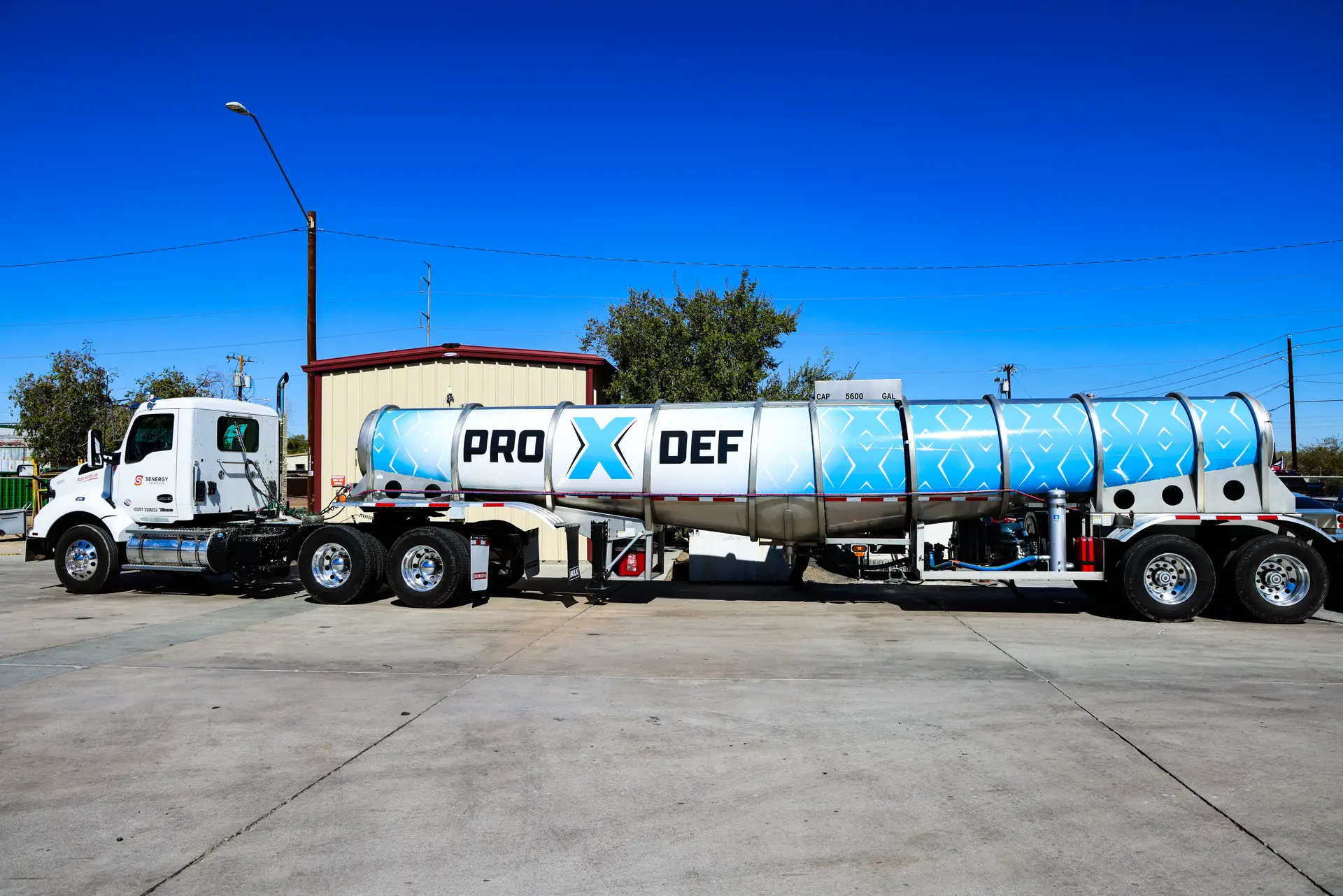
Commercial operations have several storage options depending on consumption levels. Smaller fleets often rely on sealed drums or portable containers, while medium-sized businesses commonly use IBC totes that simplify transportation and inventory management. Large operations with high consumption typically install permanent storage tanks with dedicated transfer pumps, filtration systems, and dispensing equipment designed for continuous use.
Equipment maintenance is just as important as equipment selection. Pumps, hoses, nozzles, filters, and storage tanks should be inspected regularly for wear, leaks, or residue buildup. Components that come into contact with DEF should never be shared with diesel fuel or other automotive fluids, as cross-contamination can quickly compromise an entire storage system. Using dedicated equipment supports consistent product quality and reduces avoidable maintenance costs.
Preventing Contamination Through Daily Operating Practices
Contamination remains one of the leading causes of DEF quality problems across commercial operations. Even small amounts of diesel fuel, lubricants, tap water, rust, or dirt can alter the chemical balance of the solution and affect SCR system performance. Establishing clear handling procedures helps reduce these risks while supporting reliable vehicle operation.
Receiving procedures should begin with a visual inspection of delivery containers, verification of batch information, and confirmation that storage equipment is clean before transferring product. Staff responsible for handling DEF should understand proper filling techniques, recognize signs of contamination, and avoid using unapproved containers or transfer equipment. Consistent employee training creates a stronger quality control process across the entire operation.
Inventory management also contributes to contamination prevention. Following a first-in, first-out rotation method helps ensure older inventory is used before newly delivered product. Regular inspections of storage tanks, hoses, and dispensing equipment allow maintenance teams to identify leaks, damaged seals, or worn components before they affect product quality. These routine practices help protect fleet uptime while reducing unnecessary replacement costs and supporting dependable Commercial Fuels operations.
Seasonal Storage Strategies for Year-Round Reliability
Commercial operations often experience changing weather conditions that can affect storage performance throughout the year. During the summer, prolonged exposure to high temperatures may reduce the shelf life of DEF and accelerate product degradation. Storage tanks placed in direct sunlight should be protected with shading, insulation, or temperature-control systems whenever possible. Monitoring tank temperatures during periods of extreme heat allows operators to respond before product quality is affected.
Winter introduces a different set of challenges. Since DEF freezes at approximately 12°F, facilities operating in colder regions should prepare their storage systems before temperatures drop. Heated tanks, insulated piping, and freeze-resistant dispensing equipment help maintain normal operations without interrupting fleet schedules. Although frozen DEF can be thawed and used if it has not been contaminated, avoiding repeated freeze-and-thaw cycles helps extend storage equipment life and improve operational efficiency.
Seasonal inspections are equally important. Before the arrival of summer or winter, operators should examine tank insulation, heaters, pumps, filters, and transfer lines to confirm they are functioning properly. Addressing minor issues early can prevent expensive repairs and reduce unexpected downtime during peak operating periods.
Building a Preventive Maintenance and Inventory Program
A structured maintenance program helps protect product quality while extending the service life of storage equipment. Storage tanks should be inspected regularly for signs of leaks, cracks, corrosion on compatible components, or residue buildup. Pumps, nozzles, hoses, and filters should also be checked for wear and replaced according to the manufacturer’s recommendations. Preventive maintenance reduces the likelihood of contamination and supports dependable dispensing performance.
Inventory management deserves the same level of attention. Commercial facilities should monitor usage patterns, seasonal demand, and delivery schedules to maintain an appropriate supply without storing product beyond its recommended shelf life. A first-in, first-out inventory system minimizes waste by ensuring older inventory is used before newly delivered product. Recording delivery dates, batch numbers, and inspection results creates a reliable history that simplifies inventory planning and quality control.
Businesses purchasing bulk DEF often benefit from reviewing consumption trends throughout the year. Construction companies, agricultural operations, and transportation fleets may experience seasonal increases in equipment use that require additional storage capacity. Planning ahead allows organizations to maintain an adequate supply while avoiding unnecessary overstocking.
Supporting Compliance and Safe Handling Practices
Compliance extends beyond meeting emissions requirements. Proper handling procedures protect employees, preserve product quality, and help organizations meet industry best practices. Storage containers should remain clearly labeled, dispensing equipment should be dedicated exclusively to DEF, and personnel should understand the importance of preventing contact with diesel fuel, lubricants, and untreated water.
Maintaining documentation also strengthens operational consistency. Inspection logs, maintenance records, inventory reports, and delivery documentation provide valuable information during internal reviews and demonstrate that quality control procedures are being followed. Organized records make it easier to identify recurring issues and improve storage practices over time.
Businesses should also establish simple response procedures for spills or suspected contamination. Prompt cleanup, proper disposal of affected product, and immediate inspection of connected equipment help prevent small problems from spreading throughout the storage system. Incorporating these procedures into routine operations supports both workplace safety and long-term equipment reliability.