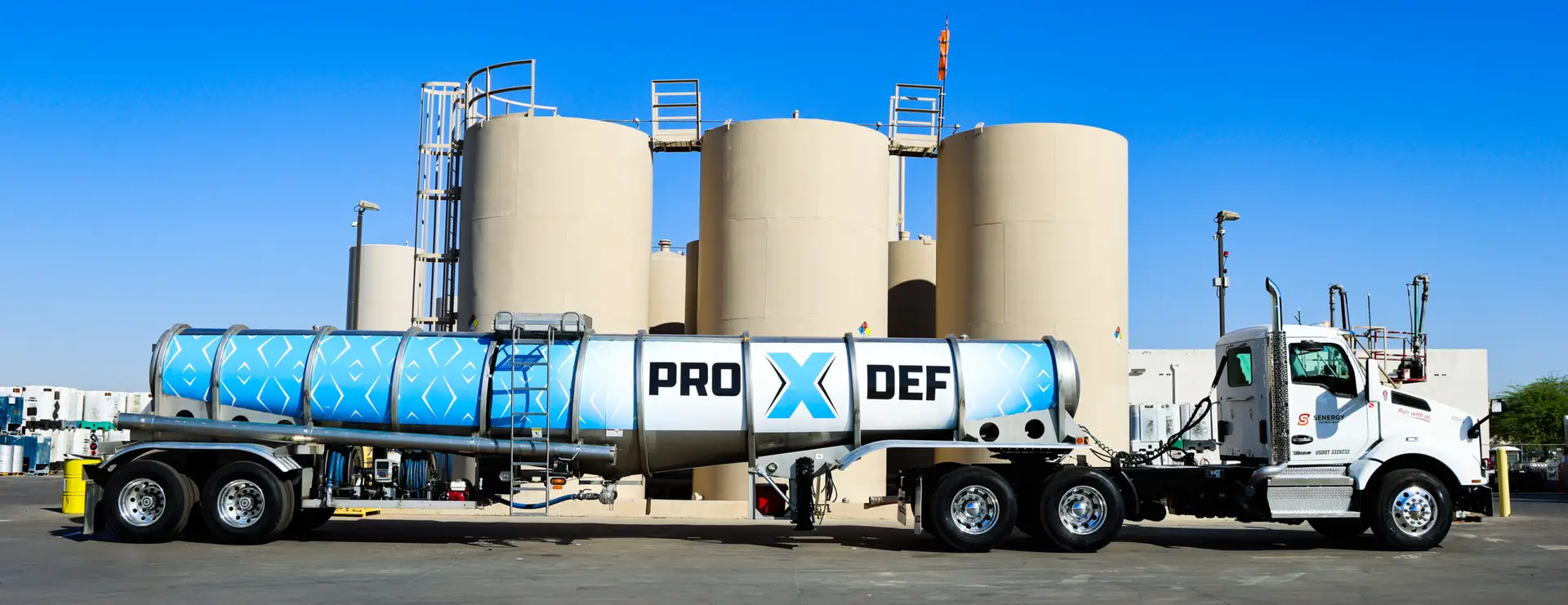
DEF Quality Standards Explained
Diesel Exhaust Fluid (DEF) has become a regular part of operating modern diesel vehicles and equipment in the United States. It works with Selective Catalytic Reduction (SCR) systems to reduce nitrogen oxide (NOx) emissions from diesel exhaust. Commercial trucks, agricultural machinery, construction equipment, and other diesel-powered vehicles may rely on DEF as part of their emissions-control systems. DEF is made from 32.5% high-purity urea and 67.5% deionized water, but its performance depends on much more than getting that ratio right.
For drivers, fleet managers, and equipment owners, understanding DEF quality is important because contaminated or off-specification fluid can affect the SCR system. A good product should meet the recognized quality requirements, be handled correctly, and be stored under suitable conditions. Choosing the right DEF from the start can help prevent avoidable maintenance problems and keep diesel equipment operating as intended.
What Makes DEF High Quality?
High-quality DEF starts with the right ingredients. The standard formulation contains 32.5% high-purity urea and 67.5% deionized water. The urea used for DEF is different from agricultural-grade urea used as fertilizer. Using unsuitable raw materials or untreated water can introduce contaminants that may affect SCR components.
However, diesel exhaust fluid quality is not determined by urea concentration alone. ISO 22241 covers additional characteristics that help determine whether DEF is suitable for SCR applications. These include limits related to chemical impurities, trace metals, and other substances that could interfere with the emissions-control system. This is why simply checking that a fluid contains 32.5% urea is not enough to establish its overall quality.
A quality DEF product should also be manufactured, packaged, transported, and stored properly. Even a product that was within specification when it left the manufacturing facility can deteriorate when exposed to excessive heat, sunlight, contamination, or poor handling.
Understanding ISO 22241
ISO 22241 is the key international standard associated with DEF, also known as AUS 32. ISO 22241 establishes DEF quality requirements and test methods and also addresses handling, transportation, storage, and refilling practices intended to preserve fluid quality. For businesses that purchase DEF in large quantities, understanding this standard provides a useful starting point for evaluating suppliers and products.
The standard covers more than the basic urea-to-water ratio. Factors such as alkalinity, biuret, aldehydes, insoluble matter, and certain trace elements are relevant when assessing DEF. Metals including calcium, iron, copper, zinc, nickel, chromium, magnesium, sodium, and potassium can be important because unwanted contaminants may interfere with SCR operation.
For U.S. buyers, ISO 22241 is particularly useful because it provides a consistent quality reference across different suppliers. It also helps connect the product being purchased with the requirements of diesel engine manufacturers and their emissions-control systems.
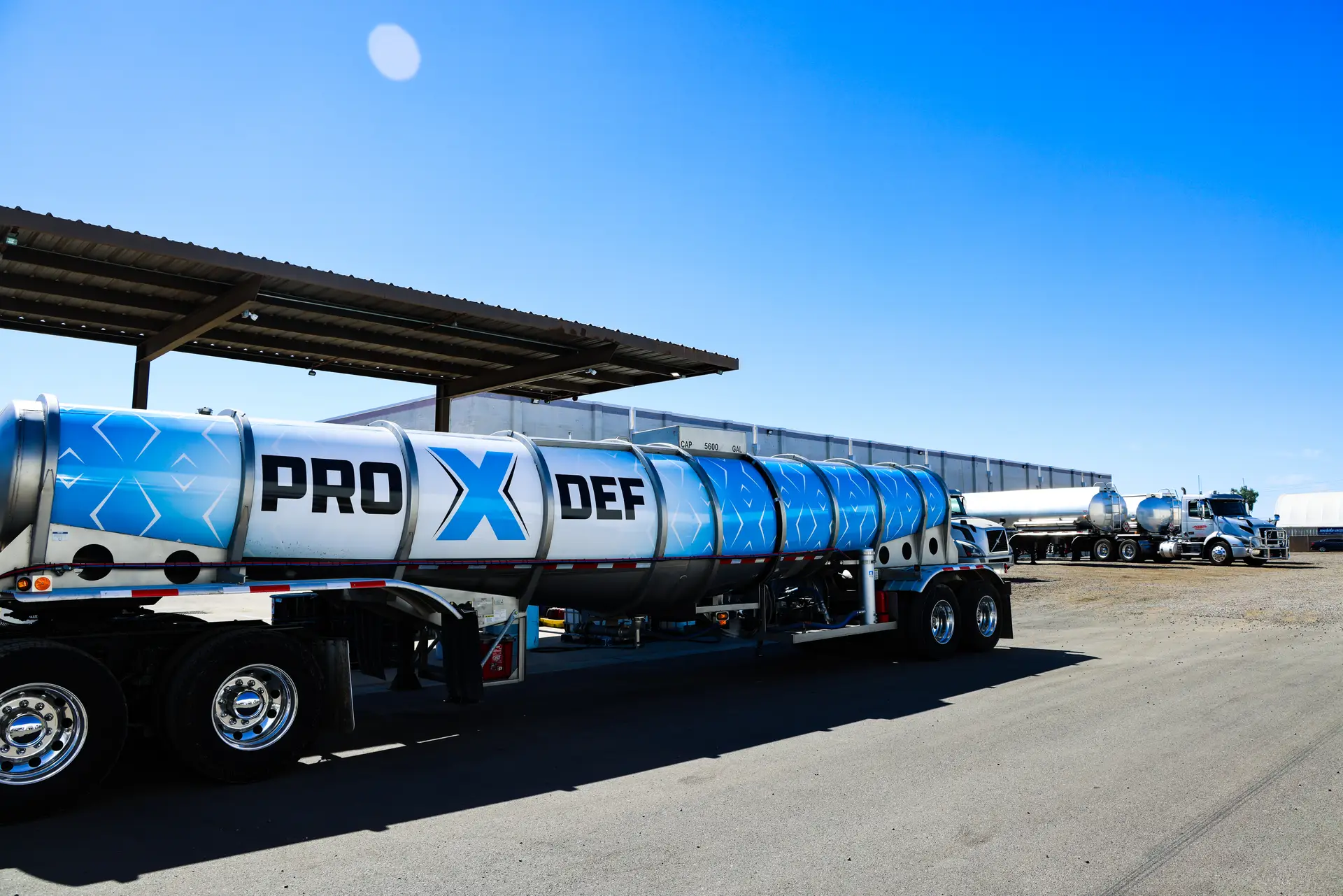

How DEF Testing Helps Verify Quality
DEF testing provides a way to determine whether a product meets the required chemical specifications. While basic concentration checks can confirm the approximate urea percentage, more complete laboratory analysis can examine additional characteristics covered by the applicable quality requirements.
For fleet operators and businesses buying bulk DEF, documentation can be just as important as the product itself. API recommends asking suppliers for a Certificate of Analysis or Certificate of Quality with shipments. The documentation should address the quality characteristics required by ISO 22241. This gives buyers a clearer record of what they are receiving instead of relying only on a label or verbal statement from a supplier.
API also operates a voluntary DEF certification program. DEF marketers whose products demonstrate compliance with the applicable ISO 22241 requirements may be licensed to use the API DEF Certification Mark. Buyers can use API’s licensee directory to check licensed products.
Choosing and Handling DEF in the U.S.
Buying DEF from a reputable supplier is only the first part of protecting its quality. When purchasing packaged fluid, look for the API certification mark where applicable, check the expiration information, and inspect the container for damage or visible contamination. For DEF purchased at a pump or in bulk, identify the manufacturer and brand and keep purchase records when possible.
Storage conditions also matter. API recommends keeping DEF away from direct sunlight and excessive heat. DEF shelf life decreases as storage temperature increases, so businesses should follow the DEF manufacturer’s storage and shelf-life recommendations and avoid prolonged exposure to excessive heat. Above 95°F, the fluid should be tested before use.
Bulk DEF should be kept in dedicated tanks and handled with dedicated dispensing equipment. Funnels, hoses, pitchers, or containers previously used for diesel fuel, a Lubricant, or other chemicals can introduce unwanted material. API recommends cleaning DEF equipment with distilled or de-ionized water followed by a DEF rinse, rather than tap water.
What Can Happen When DEF Quality Is Poor?
Using contaminated or off-specification DEF can create problems in the SCR system. API identifies possible issues such as catalyst poisoning, DEF injector and filter clogging, and deposit formation. These problems can affect emissions performance and may result in equipment restrictions, repairs, downtime, or increased operating costs.
Contamination can happen at several points. It may enter during manufacturing, transportation, storage, or dispensing. Dirty equipment is one common risk, which is why DEF should be handled separately from other fluids. Adding aftermarket chemicals or additives is also not recommended because DEF needs to maintain its required composition and purity.
Cold weather requires some additional care. DEF expands by approximately 7% when frozen. Freezing does not automatically make properly formulated DEF unusable. Once thawed, DEF can generally be used if it has remained uncontaminated and within specification. However, storage tanks should have enough room to accommodate expansion. Additives should not be added simply to prevent or speed up thawing.
A Simple Approach to Maintaining DEF Quality
Maintaining good DEF quality does not require complicated procedures. Start by buying fluid that meets the applicable ISO 22241 requirements from a reliable supplier. Where possible, select an API-licensed product and verify the product through API’s licensee directory. For bulk purchases, request a Certificate of Analysis or Certificate of Quality and retain the documentation with your purchasing records.
Next, focus on storage and handling. Keep DEF in a cool, shaded location, rotate older stock first, and avoid prolonged exposure to high temperatures. Use dedicated tanks and dispensing equipment, and keep those items clean. Do not use equipment that has been exposed to diesel fuel, chemicals, or other fluids unless it has been properly cleaned according to suitable procedures.
For U.S. truck operators, farms, construction companies, and fleet managers, these simple practices can help protect the SCR system and reduce unnecessary service interruptions. DEF may look like a straightforward fluid, but maintaining its purity from production through final use is an important part of reliable diesel emissions control. Diesel exhaust fluid quality therefore depends on the product itself as well as testing, certification, storage, and careful handling.