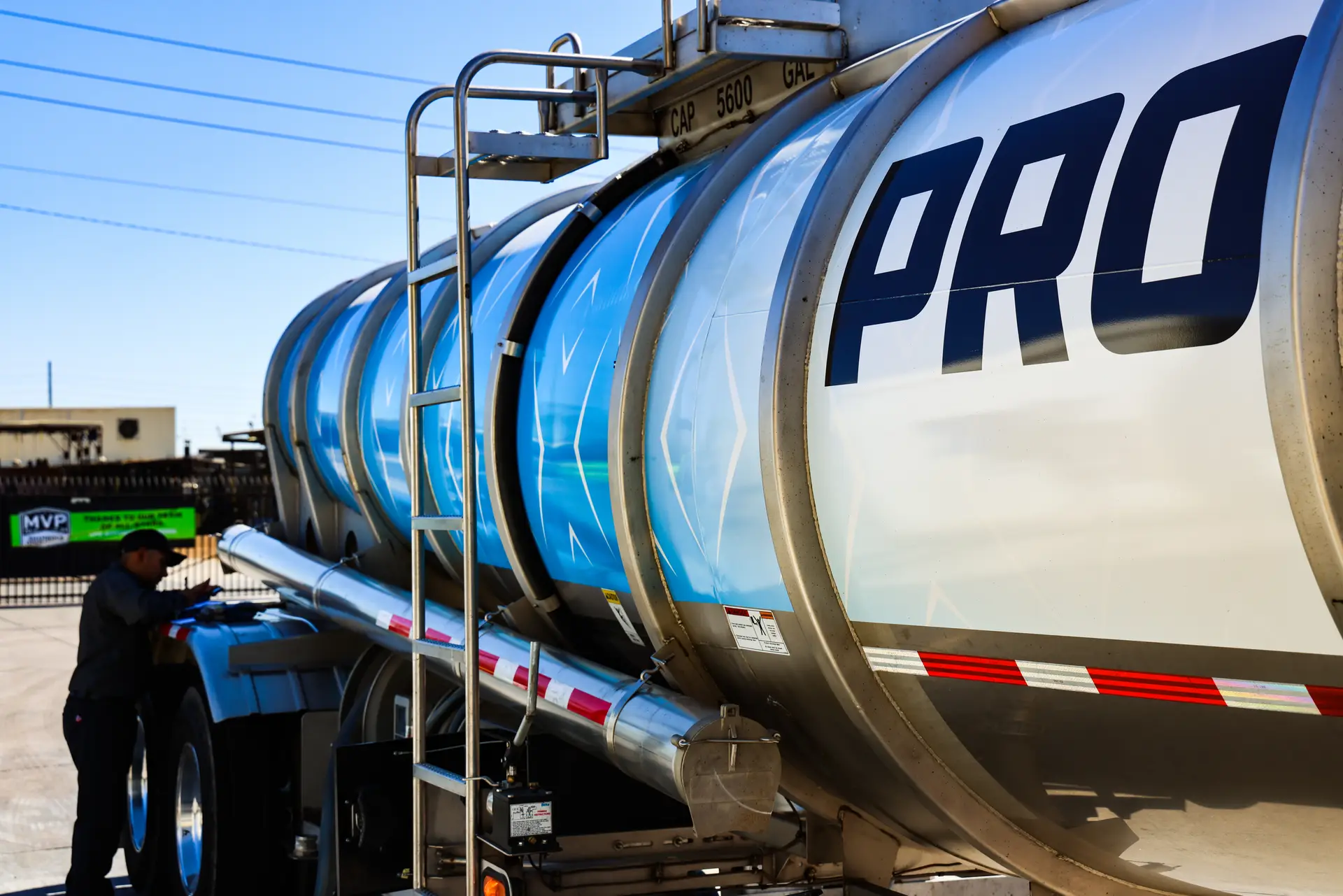
DEF Management Best Practices for Diesel Fleets
Stricter environmental regulations are pushing diesel fleets to improve efficiency, reliability and emissions compliance. Diesel Exhaust Fluid (DEF) plays a key role in these efforts. Used in Selective Catalytic Reduction (SCR) systems, DEF reduces nitrogen oxide (NOx) emissions and helps diesel equipment meet environmental standards.
Effective DEF management is now essential for maximizing uptime, lowering maintenance costs and maintaining compliance. Key practices include maintaining supply, preventing contamination and training employees, all of which support overall fleet performance.
This guide outlines proven DEF management strategies for transportation companies, contractors, logistics providers and other operators to improve efficiency, protect assets and support long-term success.
Why Proper DEF Management Matters
Diesel Exhaust Fluid (DEF) is a solution made of 32.5% high-purity urea and 67.5% deionized water. When injected into the exhaust stream, it converts harmful nitrogen oxides (NOx) into nitrogen and water vapor.
In addition, with Selective Catalytic Reduction (SCR) now standard in modern diesel engines, DEF is an essential requirement. As a result, many vehicles and equipment will reduce power or enter a limited mode if DEF levels are too low to maintain emissions compliance.
However, proper DEF management is often underestimated. Maintaining a steady supply of high-quality DEF improves performance, protects emissions systems and reduces compliance risks. Furthermore, as diesel technology evolves, it is becoming increasingly important for fleet managers and operators.
Ultimately, a proactive DEF strategy helps reduce downtime, extend component life and support reliable operations across transportation, construction, logistics and industrial sectors.
Proper DEF Storage and Handling Best Practices
Proper storage is essential to maintaining the quality and effectiveness of Diesel Exhaust Fluid (DEF). However, while DEF is a stable product, exposure to extreme temperatures, contamination and improper storage conditions can negatively impact its performance.
To ensure quality, DEF should be stored in dedicated containers made from approved materials. In addition, storage tanks, transfer systems and dispensing equipment must be specifically designed for DEF to prevent contamination and avoid chemical reactions that could compromise product integrity.
Temperature control is another critical factor. For example, excessive heat can accelerate product degradation, while freezing temperatures can affect handling procedures. However, DEF can safely freeze and thaw without losing effectiveness when managed according to manufacturer recommendations.
Furthermore, regular inspections of storage tanks, transfer systems and dispensing equipment can help identify potential issues before they impact operations. In addition, proper labeling, employee training and established handling procedures further reduce the risk of contamination and application errors.
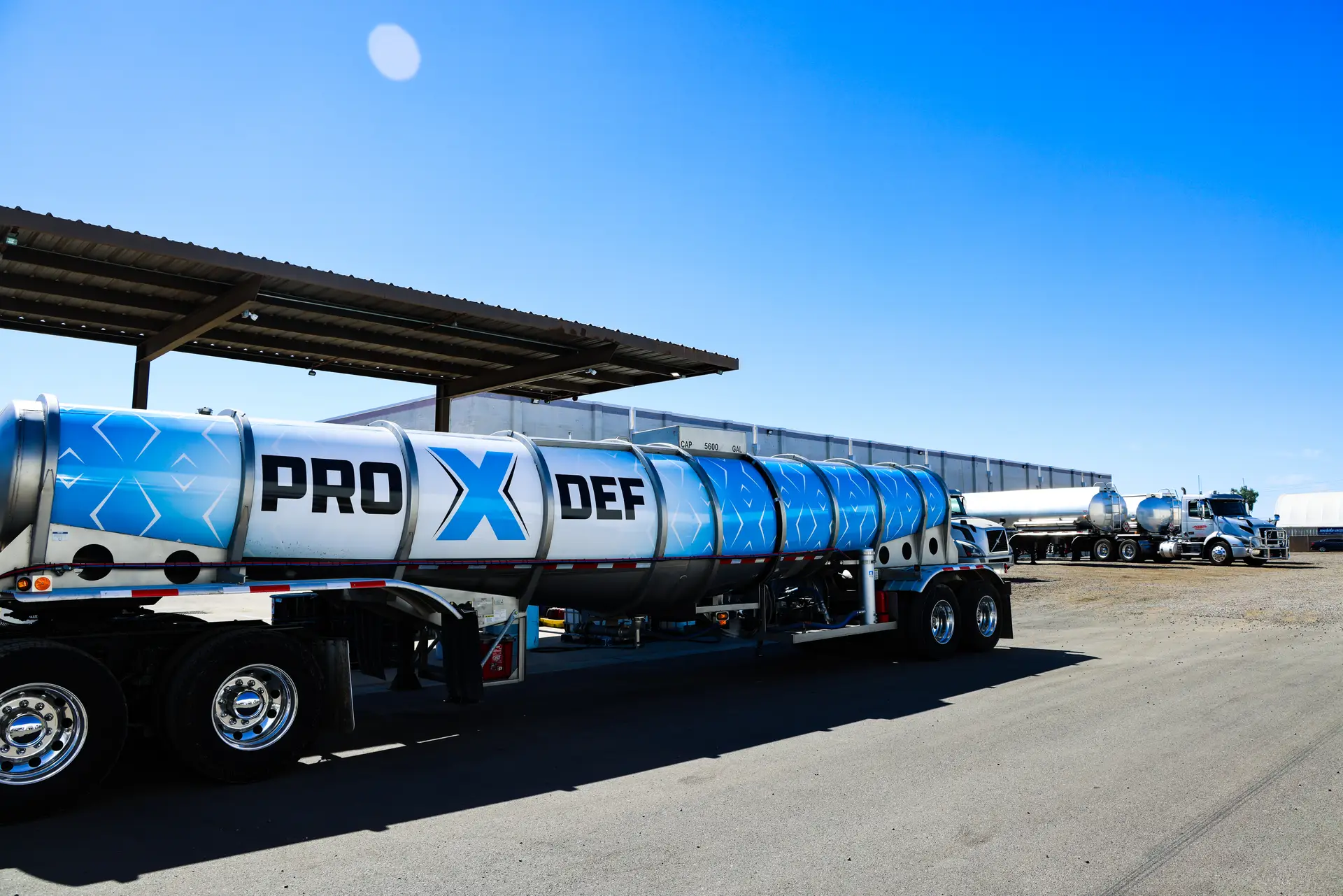
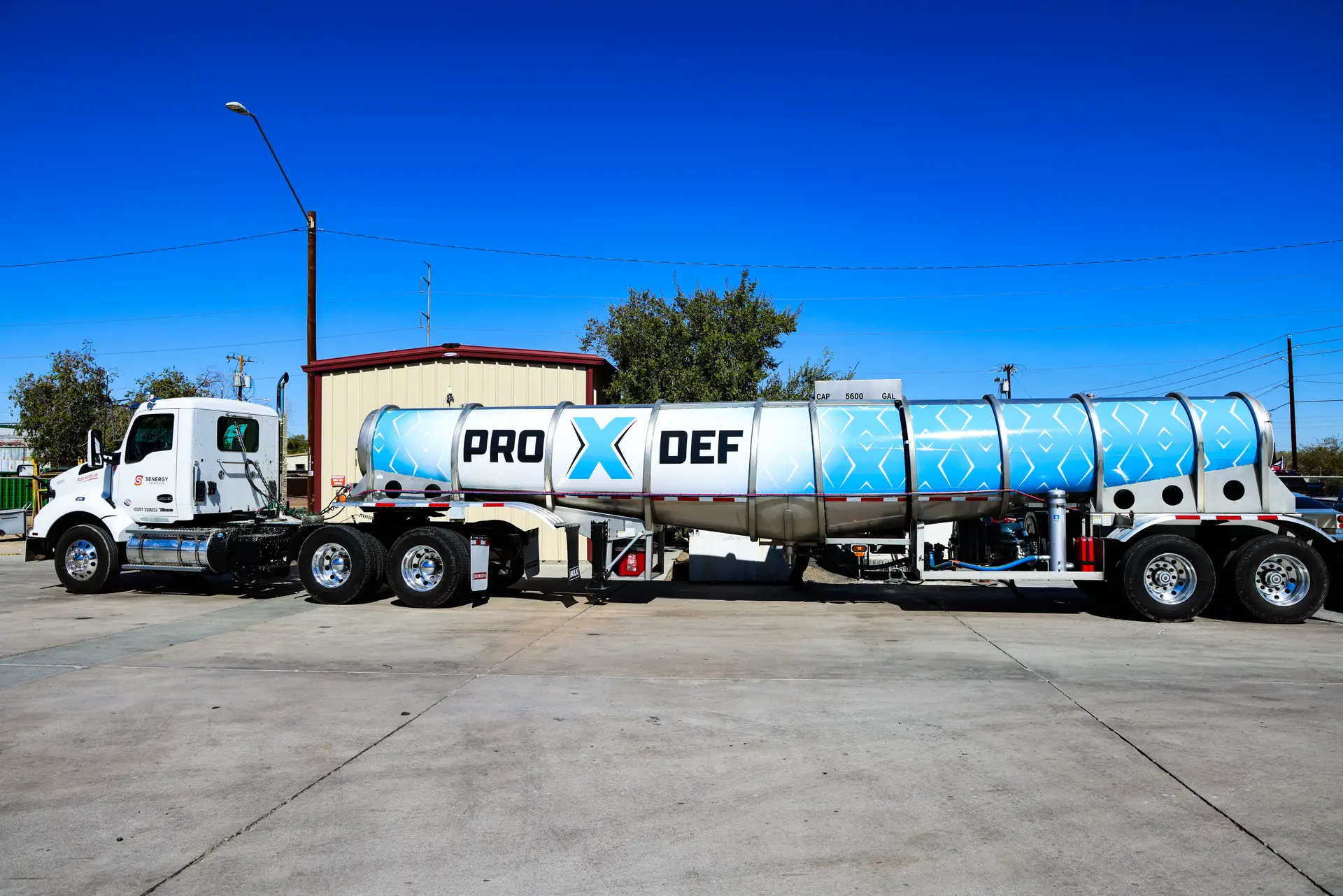
Preventing DEF Contamination to Protect Equipment Performance
Contamination is one of the most common causes of DEF-related equipment issues. Even small amounts of dirt, fuel, oil or untreated water can compromise DEF quality and negatively impact the performance of Selective Catalytic Reduction (SCR) systems.
Maintaining strict cleanliness standards throughout the DEF handling process is essential. DEF should always be stored, transferred and dispensed using dedicated equipment to prevent cross-contamination. Even minor exposure to petroleum products can lead to system failures, costly repairs and reduced emissions system performance.
Employees responsible for fueling and maintenance should receive comprehensive training on proper DEF handling procedures. Clearly defined operating practices help minimize the risk of accidental contamination during routine operations and support consistent product quality.
Routine testing and quality verification provide an additional layer of protection. Monitoring DEF purity allows organizations to identify potential issues early and address them before they develop into larger equipment or compliance concerns.
Organizations that prioritize contamination prevention often experience greater equipment reliability, lower maintenance costs and improved regulatory compliance. Protecting DEF quality is one of the most effective ways to support the long-term performance and efficiency of diesel-powered assets.
DEF Management for Recreational Transportation Fleets
As recreational transportation services continue to grow in popularity, effective DEF management is becoming increasingly important for specialized fleet operations. Properly functioning emissions systems are essential to maintaining reliable service for recreational vehicles, passenger transport units, touring coaches and other diesel-powered equipment.
Recreational transportation businesses often experience significant fluctuations in fleet usage throughout the year. Seasonal demand, long-distance travel routes and varying operating conditions create unique challenges for DEF management and inventory planning.
Fleet managers should closely monitor DEF inventory levels and consumption patterns to ensure an adequate supply during peak travel periods. Proactive planning helps reduce the risk of vehicle downtime and supports a positive customer experience.
Driver and maintenance staff training is equally important. Understanding DEF requirements, warning indicators, refill procedures and contamination risks can help prevent avoidable service disruptions and maintain equipment performance.
As environmental regulations continue to evolve, recreational transportation operators that prioritize proactive DEF management will be better positioned to maintain compliance, improve customer satisfaction and support long-term business growth.
How Clean Fluid Solutions Support Fleet Performance
The adoption of Clean Fluid Solutions is part of a broader strategy focused on improving operational efficiency and reducing environmental impact. In addition, many organizations are incorporating advanced technologies such as artificial intelligence (AI), predictive maintenance tools and renewable energy initiatives to optimize performance. Clean Fluid Solutions support these efforts by maintaining fluid purity, improving handling practices and promoting proactive maintenance.
Furthermore, effective fluid management extends beyond DEF. It also includes fuel quality, lubrication systems, coolant management and contamination control programs, all of which contribute to equipment reliability and operational efficiency.
In diesel-powered operations, Clean Fluid Solutions can help improve engine reliability, reduce component wear and minimize unplanned maintenance events. In turn, cleaner operating systems also support the performance of emissions-control technologies and can help extend equipment service life.
As a result, organizations that prioritize fluid quality management often realize measurable benefits in operational consistency and cost control. Reduced component failures, fewer service interruptions and improved equipment performance can directly contribute to increased productivity and profitability.
Ultimately, as fleet technology continues to advance, Clean Fluid Solutions are becoming an important competitive advantage for organizations focused on long-term reliability, efficiency and sustainable growth.
A Strategic Approach to DEF Management
Fleet managers should treat DEF management as a strategic priority rather than a routine maintenance task. A structured program supports consistent performance, regulatory compliance and improved cost control.
An effective DEF framework includes inventory planning, employee training, contamination prevention, proper storage and ongoing monitoring. Each element plays a role in maintaining fleet reliability.
Technology such as automated inventory tracking, telematics and predictive maintenance provides real-time visibility and data-driven insights that strengthen decision-making.