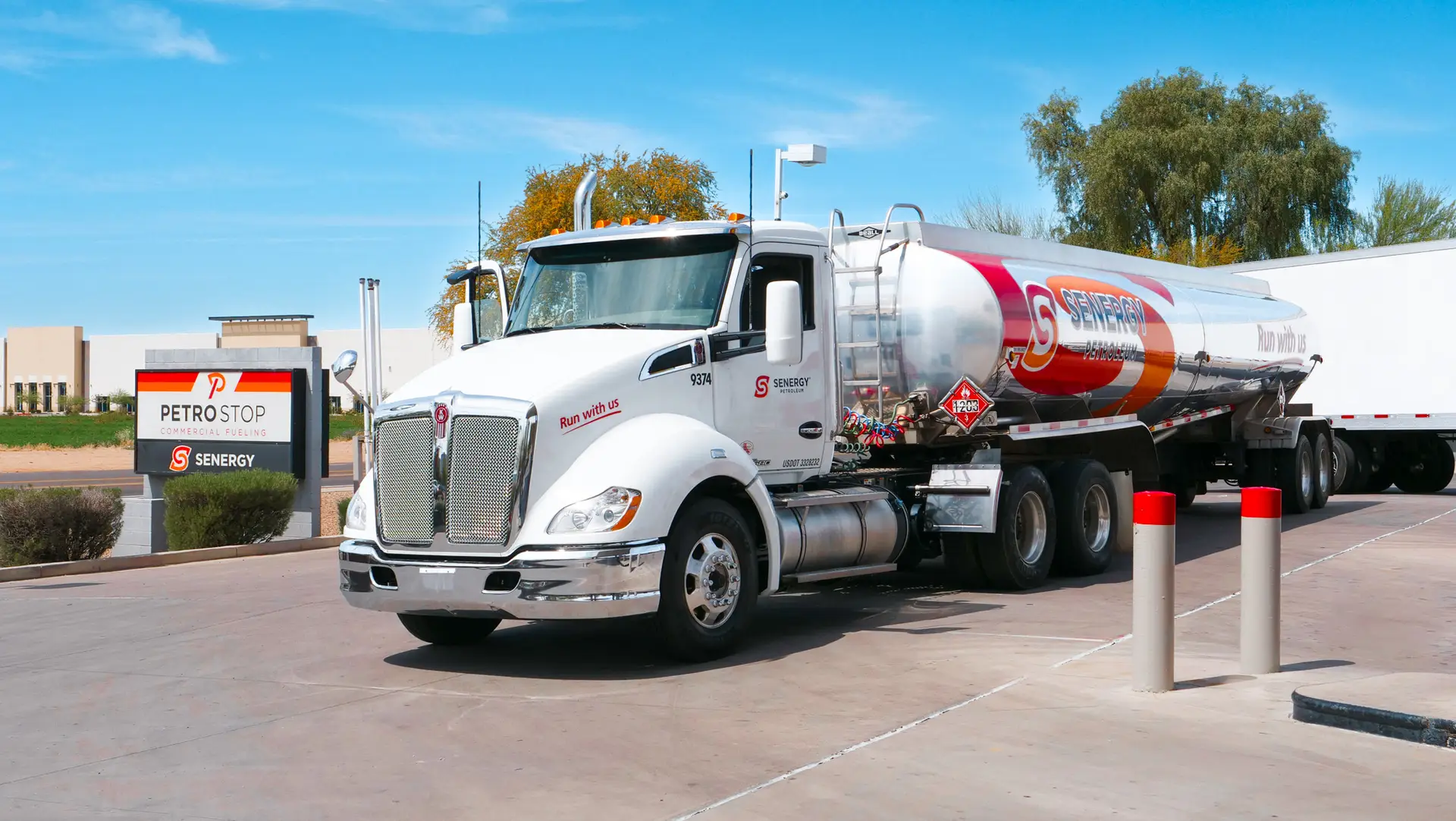
DEF Handling Mistakes That Can Cost Fleets Time and Money
The direct role of the DAF is to regulate the diesel emissions and make contemporary diesel engines to be environmentally friendly. To the fleet operators, DEF is not a product to be purchased in bulk, it is a vital component of the systems that influences the uptime, compliance, and operating cost. Ineffective handling habits will soon transform a cheap fluid into a costly issue in form of downtime, derates and costly aftertreatment repairs.
Most fleets do not realize the sensitivity of DEF in comparison to diesel fuel or engine oil. The traces of contaminants can damage the Selective Catalytic Reduction system and activate the fault codes even when they are in minimal amounts. As this occurs, the vehicles could possibly go into low power mode or go out of service altogether. This affects schedules of the routes, customer commitment and productivity.
Faults connected with emissions have a tendency to manifest themselves as fleet maintenance problems, yet the problem is more frequently operational. Poor storage conditions, inconsistent handling practices and inadequate staff training all lead to increased risk. Considering DEF as a strategic part of maintenance, but not a simple refill fuel, assists the fleets to decrease unforeseen failures and guard long-term equipment worth
The High Cost of Fleet Operation DEF Contamination
The cost of fleets in relation to the mistake of DEF contamination is considered costly and disturbing to the fleet operation. The sources of contamination may include fuel, oil, coolant and dust or even tap water. Since SCR systems are meant to work with pure DEF, slight contamination leads to injector failures, blocked filters and damage to the catalyst.
The financial implication is much greater than the expense of replacement of DEF. Polluted systems could need complete tank drainage, line flushing, injectors replacement, and also in extreme situations, replacement of SCR catalyst. Such repairs may easily cost thousands of dollars for each vehicle. Repeat that in a fleet and the financial exposure is high.
Operational wise, polluted DEF usually causes engine derates. Cars can also be losing power, speed-restrained or unable to start again once they have been switched off. This leads to lost loads, failed deliveries and service failures. In the regulated sectors, it may also subject fleets to compliance risks.
Inappropriate Retention Processes that Compromise the quality of DEF
A frequent and silent cause of DEF problems is storage errors. DEF is thermosensitive, photophilic and air sensitive. The urea concentration can be altered when stored improperly, lowering the efficiency of the fluid and initiating onboard diagnostic failures.
A high temperature promotes the degradation of Def, reducing shelf life and exposing a system to problems. Chemical stability may also be changed with time by direct sunlight. At the opposite end of the spectrum, freezing does not deteriorate DEF, however, repeated cycles of freezing and thawing, along with imperfect container integrity, may contaminate it.
Another significant risk is the usage of inappropriate containers. DEF has to be kept in compatible materials. Metals and containers that are not approved of or containers used before may have a chemical reaction with DEF or leave residue behind the earlier fluids. This causes contamination which cannot be seen but it damages the SCR system.
DEF and diesel systems Cross-Contamination
Cross-contamination of DEF and diesel fuel systems is one of the most destructive errors that fleets make. This may occur due to the use of funnels, hoses, pumps, or incorrect labeling of containers. Human error is a significant risk factor because the two types of fuels (DEF and diesel) are both operated during fueling.
DEF when added in a diesel fuel tank may result in serious damage in the system. On the other hand, the diesel fuel put in a DEF tank has the potential of destroying SCR components. In both instances, the repairs are costly and lengthy and may involve the flushing of the systems and replacement of some parts.
A shared equipment is usually a guilty party. metric quantities of residue left in a funnel or a hose can be contaminated to DEF. With time, the result is recurring failures which are hard to troubleshoot and frustrating to maintenance staff.
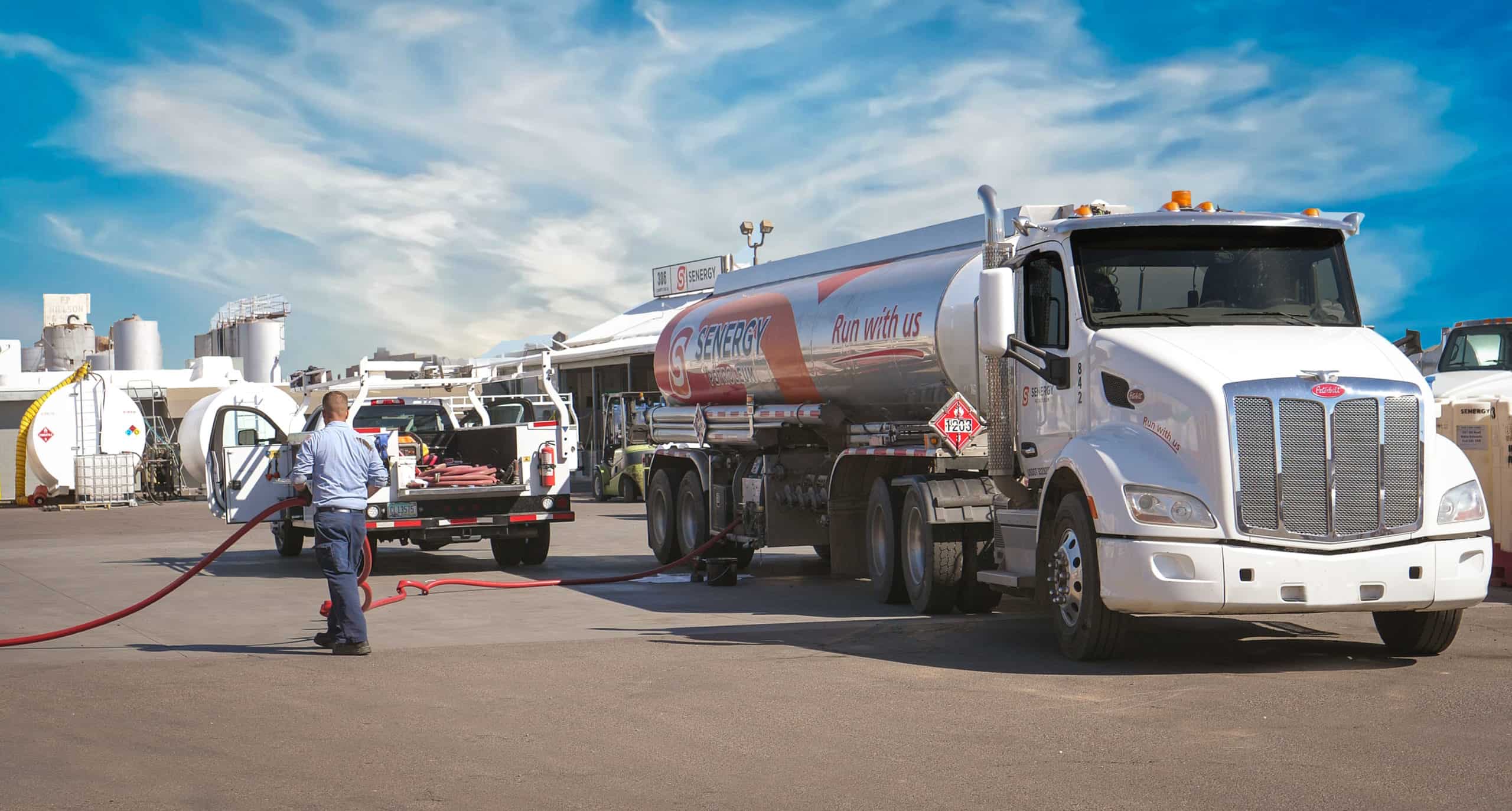
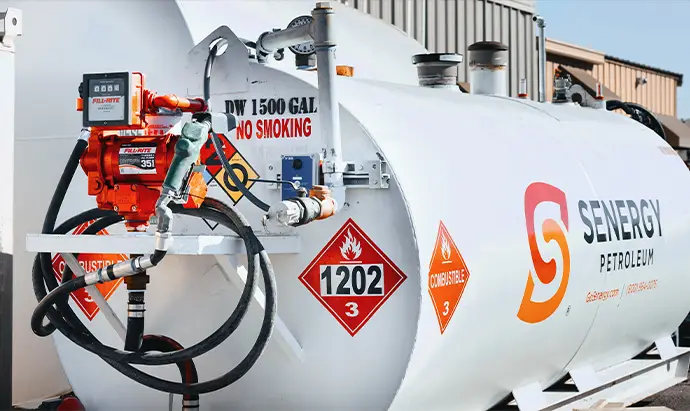
Ineffective Training of the Staff and Dungeness in the Handling Process
One of the causes of the DEF handling errors is human error. Contamination and mishandling is much more probable when drivers, technicians, and fueling personnel are not trained properly. A lack of consistency in the methods between shifts or locations further poses risk.
Some of the training deficiencies that are common are improper handling of containers, inability to close the DEF containers, use of contaminated equipment and lack of knowledge on how to store the DEF. Such minor accidents cumulate and cause bigger system failures.
Standardized procedures are very essential as far as fleet maintenance management is concerned. All the employees that handle DEF are to be subject to the same handling rules. This involves cleaning, storing and labeling practices.
Making investments in training lowers the expenses in the long term. Experienced employees avoid unnecessary mistakes in emissions and minimize the time spent on downtimes and enhance compliance reliability. A good level of accountability and documentation also assist the maintenance teams to find their root causes more quickly as an issue arises.
Disregard of DEF Quality Checks in Preventive Maintenance
Most fleets do not consider the quality of DEF during the routine fleet care, even though their attention is on engine oil, filters and mechanical parts. It is lost time to identify issues before they degenerate into systems failures.
The visual inspection, checking the condition of containers and observation of the DEF storing conditions should be part of the preventive maintenance programs. The earlier the contamination or degradation symptoms are detected, the greater the aftertreatment failure can be prevented.
Diagnostics can also be distorted by ignoring the quality of DEF. Technicians can also change sensors or constituents in case the actual problem is contaminated or deteriorated fluid. This translates to unnecessary parts change and wastage of labor.
Out-of-stock and Low Inventory Control
Another expensive error is related to the mismanagement of the DEF inventory. Physical exhaustion of DEF may cause engine derates or vehicles may not start again. In the case of time-sensitive fleets, this may upset whole routes and customer commitments.
Incorrect predictions, irregular replenishment, and absence of utilization monitoring are all causes of shortage. The use of small fleets can make use of manual processes, which is likely to introduce human error. Bigger fleets could have a problem with visibility in different locations.
The management of the inventory would make the presence of DEF in the required place and at the proper time. This saves on buying products in emergencies, wastage of time and is conducive to running.
Financially, the sourcing of emergency DEF is usually more expensive and logistically more difficult. Proper planning will match the aviation of the fleet with the usage patterns to facilitate the maintenance predictability and stable service provision.
DEF Handling in diesel emission and fleet performance
Good DEF handling practice is not only preventing breakdowns, but has a direct relationship with cleaner diesel emissions and overall fleet performance. With good DEF quality, SCR systems run according to their design and lower the nitrogen oxide emissions leading to regulatory compliance.
Regular maintenance also enhances the life of a system. Clean DEF eliminates injector clogging, reduces catalyst stress, and promotes constant dosing. This will cause a reduction in the number of fault codes associated with emissions and unexpected maintenance.
Strategically, due to the high level of adherence to the DEF maintenance, the uptime will increase, the costs of repairs will decrease, and operations will become more predictable. It also ensures the long term worth of the parts of the emissions systems which are the most costly in the current diesel cars.
Operational reliability is a different factor in competitive fleet environments. Fleets that establish DEF as an important maintenance resource, rather than a bolt-on, make quantifiable benefits in controlling costs and ensuring compliance, as well as uniformity in service provision.