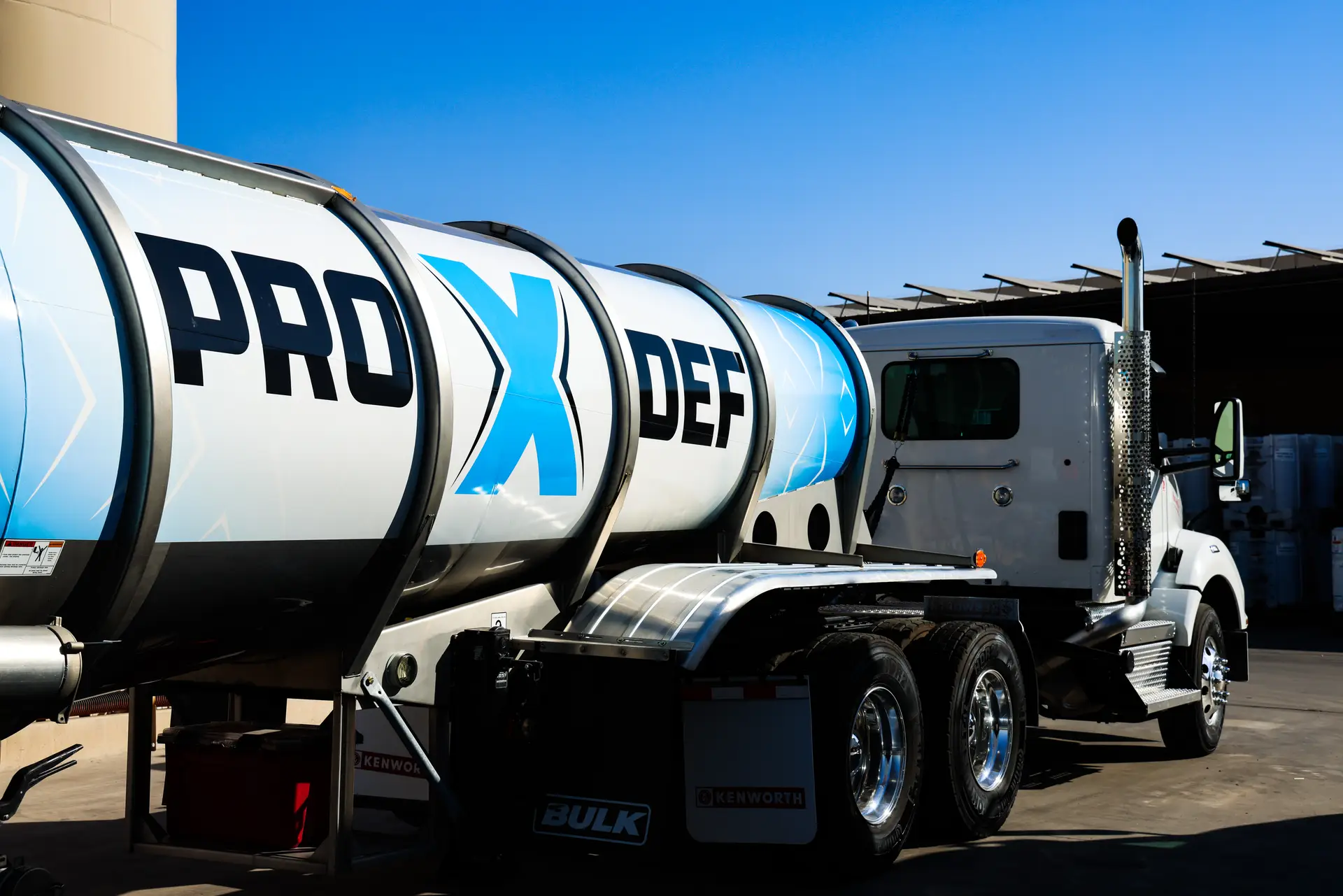
DEF & Diesel: Why They Should Be Delivered Together
Diesel exhaust fluid (DEF) and diesel fuel are two important fluids that make the vehicles of modern diesel fleets run efficiently. The engine is driven by diesel, and Def makes the engine comply with the current emissions standards. DEF is a well-calculated blend of 32.5 per cent of high purity urea and 67.5 per cent of deionized water that operates in Selective Catalytic Reduction (SCR) systems to lower the production of harmful nitrogen oxides in diesel engines.
During the combustion of a diesel car, nitrogen oxides (NOx) are the pollutants formed that are harmful. DEF is sprayed into the exhaust gas, and in this process, it chemically changes these gases into innocent nitrogen and water vapor. This process is used to ensure that fleets meet the environmental legislation at the same time being engine efficient.
Since emission systems and diesel engines are made to be combined, vehicles require both the diesel and the DEF to function well. Without DEF, numerous modern diesel cars will throttle down engine power or shut down to avoid a violation of emissions. This will render regular diesel and DEF deliveries important in businesses.
Fleet managers thus consider diesel and DEF as a joint resource of operation as opposed to being distinct supplies. By organizing their supply, this guarantees no downtime and that at all points their trucks, construction equipment, and generators are operating. As sustainability and compliance have increased in importance, there is a best practice involving management of long-haul fuel in addition to crude oil.
Operational Benefit of Multicom Delivery of Def and diesel
Time is among the best resources of fleet operators. Unoccupied vehicles in the refueling process or lack of supply directly auger into lost productivity. This is the reason why most businesses often choose to have their diesel and DEF transportation synchronized instead of getting each fluid individually.
In the case of fuel and DEF being supplied simultaneously, logistics are much easier. Fleet managers are able to plan one delivery rather than organize various vendors and deliveries. This is a lean method that minimizes administrative efforts and keeps both vital fluids on stock simultaneously.
The other advantage is increased uptime in vehicles. The fleets that use retail fueling stations are prone to delays, time lost by the drivers, and low level of supply. Bulk fuel supply, particularly accompanied with DEF, enables vehicles to start every shift with a full tank of fuel and prepared to work. Onsite refueling would remove the needless traveling to refuel stations and also assist in ensuring a regular operating routine.
Predictive supply management also takes place with combined deliveries. Suppliers will be able to make more precise plans in replenishment when diesel and DEF consumption patterns are tracked simultaneously. This prevents the chances of depleting of DEF when diesel tanks are full or vice versa.
Finally, combined fuel logistics enables companies to work on productivity rather than on supply management. Combining the two products will form a coordinated fueling program that will keep the fleets on the roads and eliminate interruptions.
The way Onsite DEF Tanks enhance Fueling Efficiency
Fleet facilities should have onsite DEF tanks as one of the best methods of controlling the supply of DEF. These storage systems enable companies to store the DEF easily accessible to vehicles without necessarily having to use the retail outlets or packaged containers.
Onsite storage enhances the efficiency of operations by allowing direct refueling to be done in day-to-day operations. The drivers are able to fuel DEF and diesel at the same point, thereby avoiding unnecessary visits and wasting time. This is a streamlined process that ensures that the fleet fueling efficiency is enhanced greatly in companies with large fleets.
Inventory control is also another benefit of onsite DEF tanks. The fleet managers are provided with complete insight into the level of fuel and DEF, which can then be used to monitor the usage pattern and predict their future requirements with greater precision. This will minimize the chances of shortages in supply and aid in keeping to uniform fueling schedules.
Also, long-term operational reliability is supported with onsite tanks. When stored correctly, DEF may take a long time to expire, thus enabling companies to have a stock supply that will keep them in operation even in cases of a supply failure.
Integrated Fuel Supply Benefits in Environmental
In recent years environmental laws regarding diesel engines have been tightened to an even greater degree. SCR-installed diesel cars use DEF to lessen the emissions and stay within the framework of these requirements.
DEF also is very important in converting the harmful nitrogen oxide gases to harmless gases which will impact the environment of the diesel engines significantly. Research indicates that DEF has the potential of lowering the NOx emissions by a good deal of 90-95, which allows the fleets to reach the regulatory standards, but they can be more sustainable in their operation.
The combination of diesel and DEF delivery aids in maintaining steady level of emissions. When a vehicle has no more DEF, most modern engines either reduce performance or enter a low-power state to avoid violating regulation. This is able to halt operations and result in expensive delays.
Fluids can be made available at any time of need by scheduling the delivery of diesel and DEF to the fleets. This eliminates compliance challenges and ensures that vehicles perform optimally.

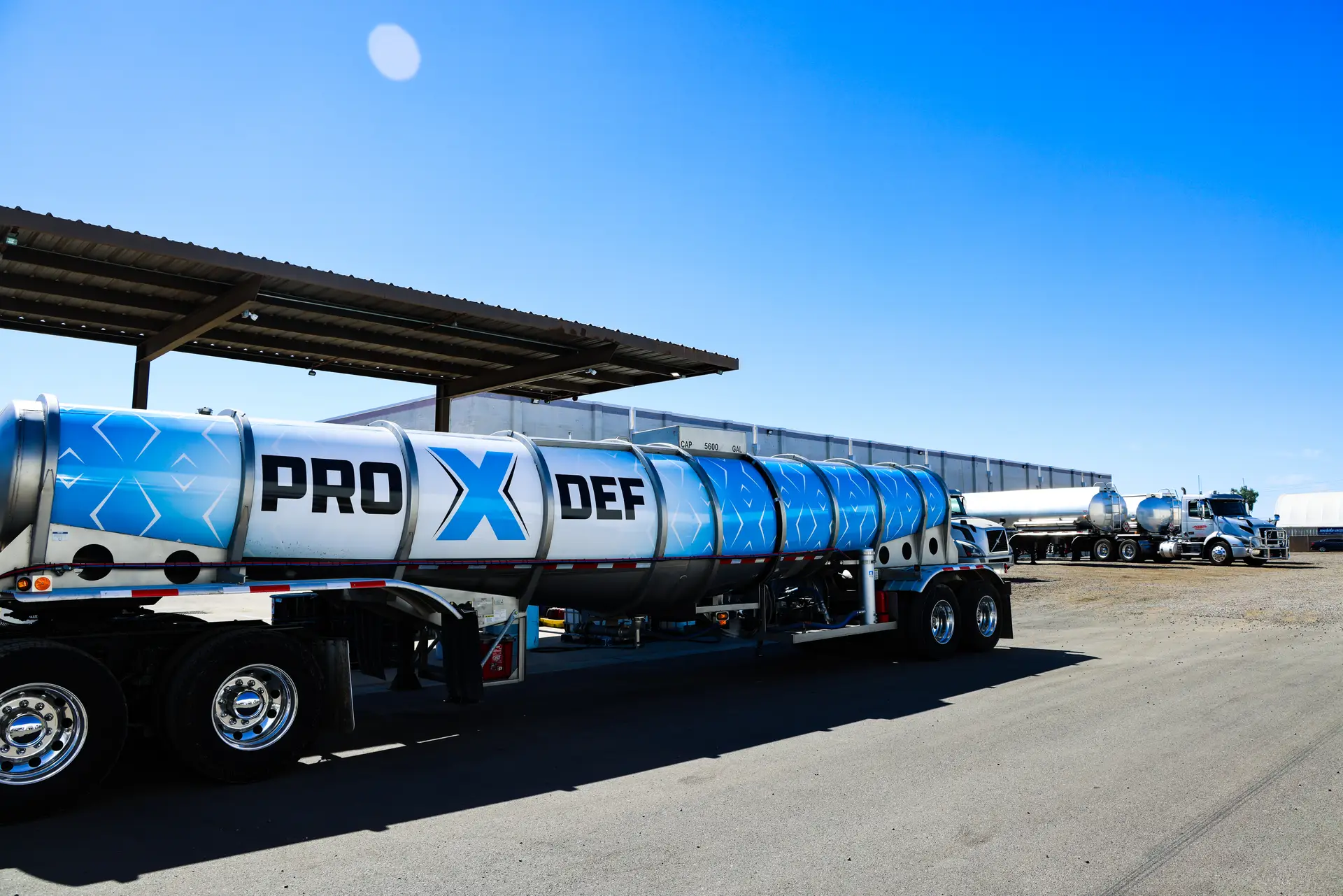
Efficiency in Fleet Fueling using Co-ordinated Supply Chains
The logistics of fuel may be complex when the fleets depend on numerous suppliers or unequal deliveries. Integrated diesel fuel and DEF supply chains make operations easy and enhance fuel efficiency of the fleet.
The single fueling system will make sure that cars are never short of either of the two vital fluids. This minimizes operational inconveniences and enables fleet managers to have stable fueling schedules in various sites.
The other advantage of coordinated supply chains is that it enhances forecasting. When the two kinds of diesel and DEF are monitored, the businesses will have very useful information on the trend of fuel consumption. The information will assist managers to make more precise works in planning deliveries and prevent deficits and surplus.
There is also accountability through centralized fueling systems. By refueling their vehicles in company stations rather than in the public stations, managers will be able to monitor the fuel consumption. This enhances the accuracy of budgeting and it lowers the chances of misusing fuel.
The contribution of technology and management of smart fuels.
Contemporary fuel management systems make significant contributions to maximizing the supply of diesel and DEF. The high-tech monitoring systems help managers of the fleet to keep the inventory at the optimal levels by tracking the fuel usage, tank levels and delivery schedules in real time.
Onsite DEF tanks and diesel storage tanks can be monitored through smart systems to give automated warnings when stocks are depleted. This guarantees that deliveries are made in advance when there may be a shortage.
Data-driven decision making is also possible with the help of technology. With the trend analysis of fuel consumption, firms are able to determine the areas of inefficiency and modify fueling patterns. Indicatively, the managers can find out that some cars use more DEF because of driving habits or engine efficiency.
Online fueling is also a better system that enhances accountability. Automated records are used to monitor the time of when vehicles are refueled and the amount of fuel they use, which give real data in making financial budgets and operational plans.
Why Fleet Fueling Is the Future of Delivering Diesel and DEF
The transport and logistics business is changing fast, and so are fuel management procedures. Co-delivery is becoming the choice of fleets which emphasize efficiency, reliability and sustainability.
Integrated fuel supply eases logistics with the supply chain consolidation and lessening fuel management complexity. There is also no need to coordinate with different vendors, or to have different delivery schedules implemented by fleet operators.
The bulk DEF supply, the provision of diesel fuel, and onsite DEF tanks make up an overall fueling solution. The strategy can predict the fuel supply to fleets avoiding any cost and operational disturbances.
Also, coordinated delivery will assist in environmental compliance and sustainability programs. The fleets keep their emissions standards by ensuring that vehicles are always adequately stocked with DEF, in order to optimize engine performance.