
Controlling Costs and Preventing Fuel Fraud with Cardlock
Controlling fuel costs and preventing misappropriation is a major challenge for companies managing vehicle fleets, including trucking firms, courier services, and utility providers. Cardlock is a network of fuel stations offering a specialized fueling system. Authorized vehicles use a fuel card at the cardlock terminal, with all fueling data logged centrally. This digital data provides precise, timestamped information, including the vehicle or driver, location, fuel volume, and transaction amount. By replacing manual logs and estimates with automated records, fleet operators gain visibility into fuel as an auditable, measurable operational cost.
Fuel represents one of the largest variable expenses for fleets, making accurate and consistent tracking essential. Cardlock data enables deeper insights into fleet consumption, driver behavior, and vehicle efficiency, giving businesses the control needed to proactively manage fuel spend.
Turning Cardlock Data into Strategic Fleet Insights
Cardlock Analytics provides a comprehensive solution for monitoring and optimizing fleet fuel usage. Through advanced software tools and reporting dashboards, every transaction is analyzed to reveal patterns, such as which vehicles fuel most frequently, which drivers incur higher costs, and which routes or regions consume the most fuel. The system can identify anomalies, including vehicles refueling unusually often or fueling outside normal hours or locations. These insights drive accountability, as tracked fuel usage encourages efficient behavior. Fleet managers can also compare vehicle performance, identify units with poor mileage or potential leaks, and make informed maintenance, driver training, and route-planning decisions. Over time, Cardlock Analytics helps companies predict fuel budgets accurately and avoid unexpected expenses, transforming cardlock data from a record-keeping tool into a strategic element of fleet operations.
Precision Fuel Tracking for Smarter Fleet Management
Fuel expense tracking has traditionally relied on stacks of receipts and manual logs, with handwritten mileage prone to error. Cardlock systems automatically record each fueling event, ensuring reporting is accurate and consistent. Reports can be generated for drivers, vehicles, or entire fleets, detailing fuel volume, date and time, location, price per liter, and cumulative consumption. This level of detail enables precise calculation of cost per kilometer or per delivery, rather than relying on rough estimates. Accurate fuel reports also help identify inefficiencies, such as excessive idling, inefficient routes, over-revving, or improper use of high-rev idle. Fleet managers can spot anomalies by comparing fuel data with mileage or odometer readings, revealing potential mechanical issues or misuse. Integrating cardlock systems with fuel reporting provides tighter cost control, improved budgeting, and informed strategic decision-making.
Preventing Unauthorized Fuel Use with Cardlock Controls
Unauthorized fuel usage poses a significant risk for fleets of all sizes. Personal use, sharing cards with unauthorized personnel, or siphoning fuel for unofficial purposes can lead to substantial losses. Cardlock systems with integrated transaction controls address these risks effectively. Cards can be configured with parameters such as approved vehicle or driver IDs, allowed fuel types (diesel, gasoline, DEF), per-transaction limits, time-of-day restrictions, location constraints, and monthly volume caps. Fueling attempts that do not meet these rules are either rejected in real time or flagged for review. Lost or stolen cards can be blocked remotely to prevent misuse. By automating these controls, fleets gain a higher level of security and oversight than manual supervision, making fuel spending predictable, regulated, and fully accountable.
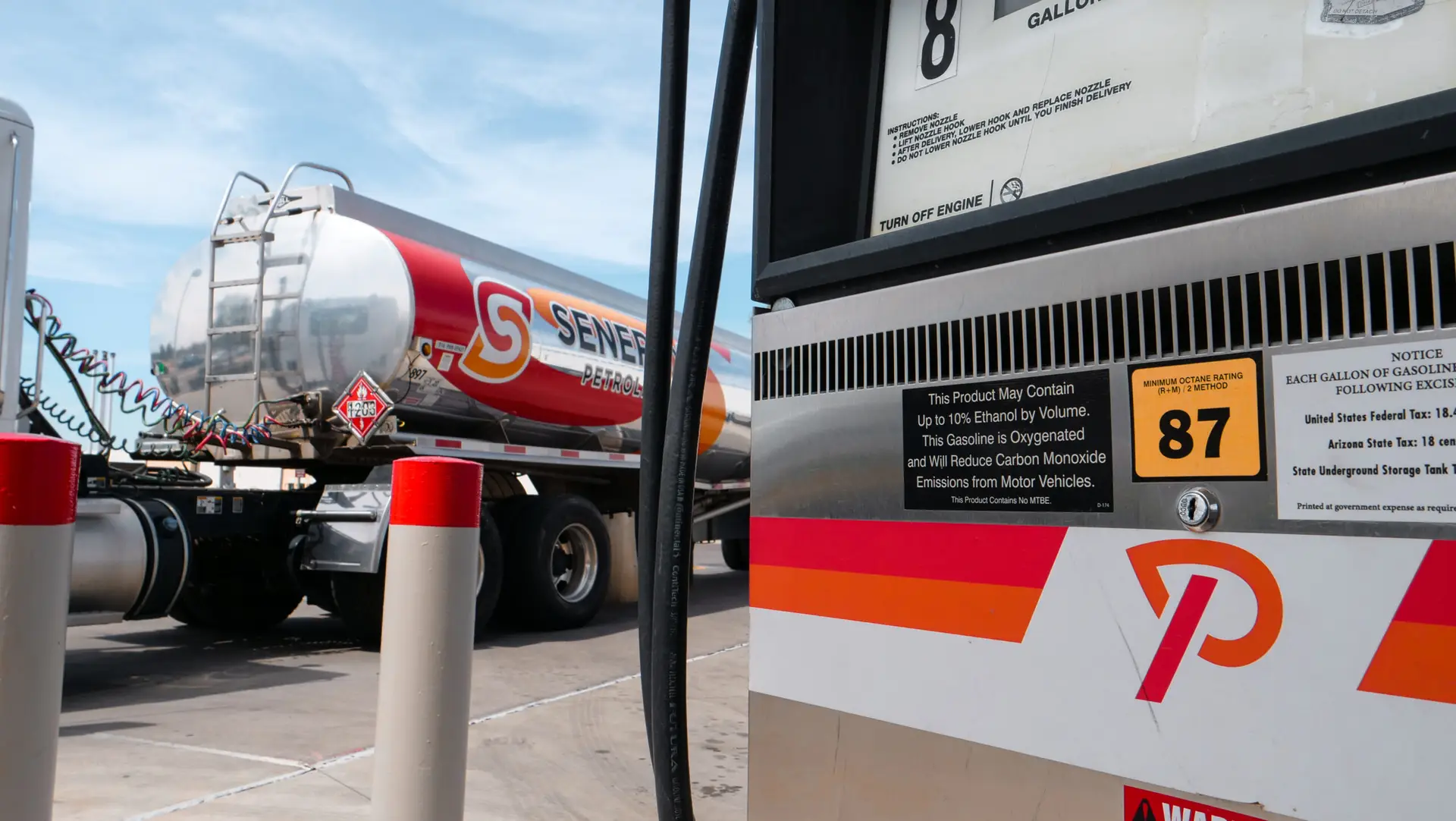

Integrating Cardlock Data for Smarter Fleet Management
Cardlock data offers significant advantages, particularly its ability to integrate seamlessly with fleet-management workflows. Modern fleet management platforms can incorporate fuel volumes, timestamps, driver IDs, and GPS telemetry with route scheduling and workload information. This integration allows managers to correlate fuel usage with actual operations. For instance, a truck covering long distances should consume more fuel, but unusually high consumption relative to distance may indicate inefficiency or maintenance issues.
Integrated systems can also provide automated alerts, such as reminders for fuel tank checks or notifications when fuel efficiency drops below set thresholds. This connectivity reduces administrative costs and the need for manual reconciliation, even for fleets with dozens or hundreds of vehicles. Managers gain real-time dashboards displaying fuel-to-work ratios, irregularities, and operational insights, improving planning, driver accountability, and overall efficiency.
Detecting and Preventing Fuel Fraud with Cardlock Systems
Fraudsters rely on irregular behavior, such as fueling outside official hours or sharing cards between drivers. Logging and analyzing every fueling event reveals even subtle suspicious trends. For example, consistent refueling at unusual times or locations, or high fuel consumption with low mileage, indicates misuse or siphoning. Businesses can aggregate fueling data across vehicles and time to identify frequent, high-volume, or irregular usage patterns. Managers flag anomalies and investigate repeat offenders, conducting interviews or reviewing incidents as needed. Awareness that fuel usage undergoes monitoring deters potential abuse. Electronic cardlock data resists falsification and simplifies trend analysis, giving businesses a cost-effective, powerful tool to combat fuel fraud, internal theft, and misuse.
Maximizing Fleet Efficiency with Cardlock
Fuel tracking requires more than simply issuing cardlock cards—it demands proper setup, monitoring, and governance. Define transaction controls, set limits aligned with vehicle types and duty cycles, and integrate cardlock data into fleet management or ERP systems. Use analytics dashboards to track fuel trends regularly, designate a team to handle anomalies, and maintain transparent communication with drivers. Periodic audits comparing fuel data with odometer and route logs help detect mechanical issues early.
By treating cardlock data dynamically, companies can adjust budgets, maintenance schedules, and driver planning based on actual consumption. Properly managed, cardlock systems control costs, prevent fraud, and enhance operational efficiency.
