
Construction Fleet Fueling: On-Site vs Delivered Fuel
Managing fuel across active jobsites has become a major part of keeping projects on schedule and equipment operating without interruption. Contractors today face tighter deadlines, rising operating expenses, and greater expectations for efficiency than ever before. Whether managing a handful of machines or an entire fleet spread across multiple locations, choosing the right fueling method directly affects productivity, labor costs, and equipment availability. The debate between on-site fueling and delivered fuel continues because every operation has different priorities, equipment requirements, and project timelines.
Across the United States, contractors are moving away from traditional fueling practices that require equipment operators to leave the work area for refueling. Instead, many businesses are investing in jobsite fueling, mobile fuel delivery, and structured fleet fuel management programs that reduce idle time while improving fuel accountability. Understanding the strengths and limitations of each option helps construction managers make practical decisions that align with project goals, fleet size, and operating budgets.
Understanding On-Site Fueling and Delivered Fuel
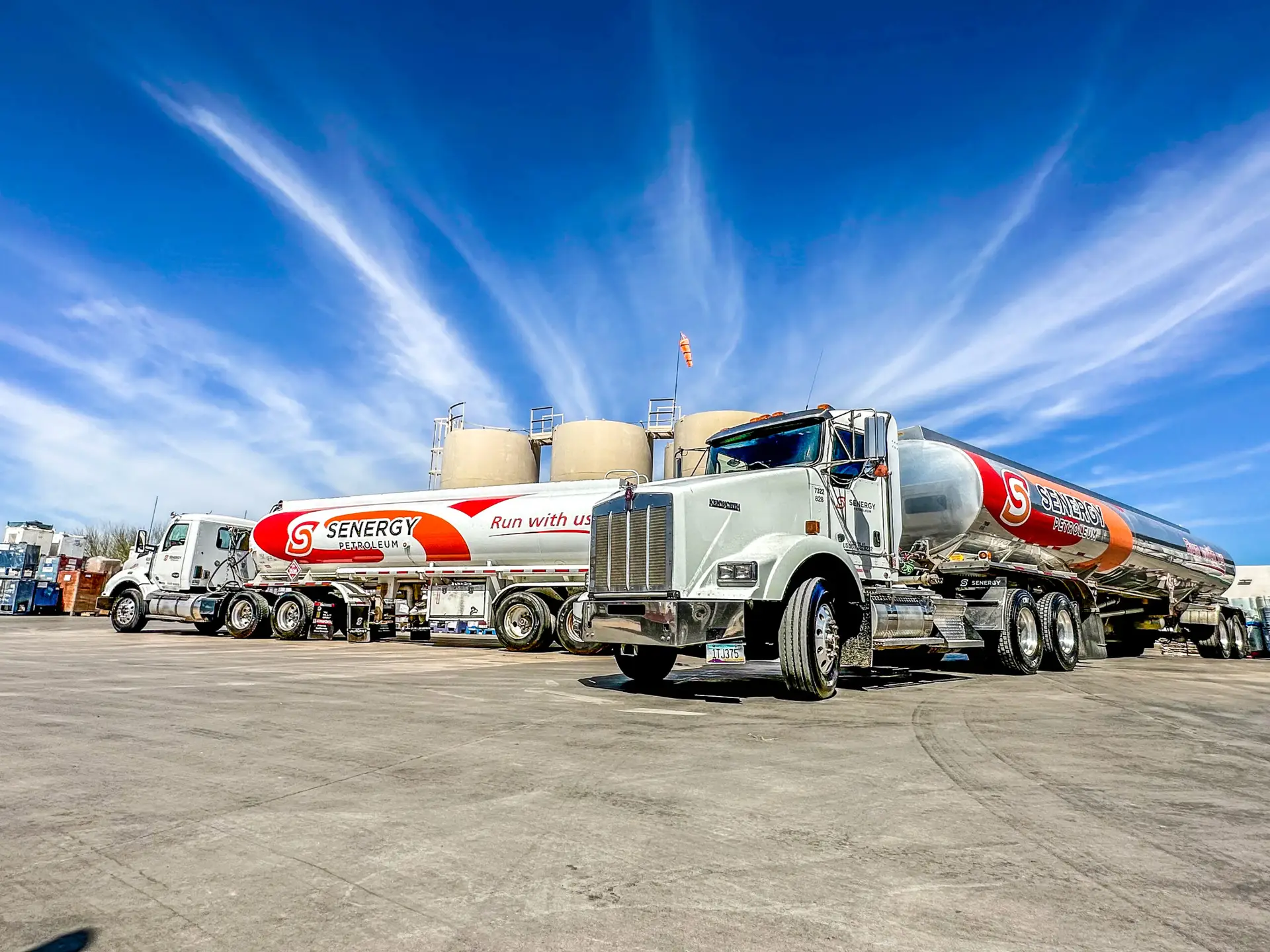
On-site fueling refers to bringing fuel directly to equipment operating on the jobsite. Rather than sending excavators, bulldozers, dump trucks, wheel loaders, motor graders, or cranes to a retail station, specialized fuel trucks or service vehicles travel to each machine for refueling. This approach is commonly called wet hosing because fuel is dispensed directly into equipment tanks while machines remain on location.
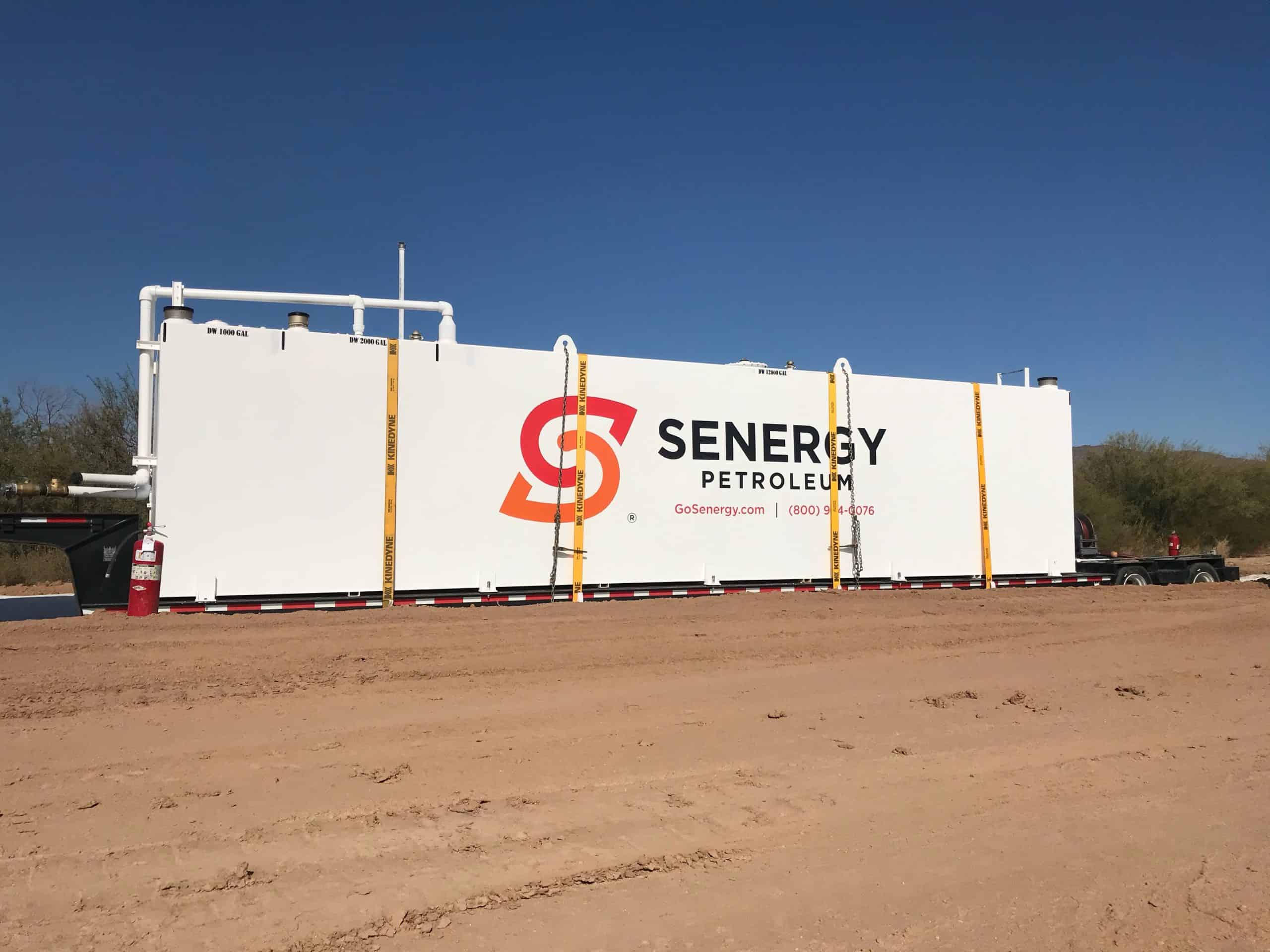
Delivered fuel usually describes bulk fuel supplied to portable tanks, Above Ground Storage Tanks (AST), fuel cubes, or permanent storage systems. Contractors receive scheduled or on-demand deliveries that replenish fuel inventory for later use by employees. This model works well for companies operating centralized yards or projects with designated fueling stations.
Both approaches rely on reliable fuel logistics, fuel distribution, fuel procurement planning, and inventory management. The difference lies in where refueling occurs and how labor, equipment movement, and scheduling are managed. Choosing between the two often depends on fleet size, project duration, fuel consumption patterns, and the availability of fuel management systems that monitor inventory, usage, and replenishment.
Comparing Operational Efficiency
When comparing daily operations, on-site fueling often delivers noticeable improvements in equipment uptime. Operators remain focused on productive work instead of traveling to fuel stations, waiting in line, and returning to the project. Every saved trip reduces unnecessary machine movement and helps crews maintain project momentum throughout the workday.
Delivered bulk fuel offers a different advantage by ensuring fuel remains available whenever needed. Contractors managing long-term infrastructure projects, municipal projects, pipeline construction, or large commercial sites benefit from maintaining fuel storage tanks that support multiple shifts. Scheduled deliveries and automatic fuel replenishment reduce the risk of unexpected shortages while supporting predictable project planning.
Fleet managers also gain greater visibility through telematics, GPS fleet tracking, fuel monitoring software, IoT fuel monitoring, and digital fuel logs. These technologies measure fuel consumption, identify unusual usage patterns, support fuel auditing, and improve fleet productivity by providing accurate reporting across construction equipment and service vehicles.
Cost Considerations for Construction Fleets
Fuel costs extend well beyond the price paid per gallon. Labor expenses, equipment downtime, travel distance, idle hours, maintenance, and scheduling inefficiencies all influence the total cost of ownership. Contractors comparing fueling methods should evaluate the complete operating picture instead of focusing only on fuel pricing.
For projects spread across remote locations, mobile fueling often lowers indirect expenses by eliminating unnecessary transportation between the jobsite and retail stations. Reduced travel means less wear on fleet vehicles, fewer labor hours dedicated to fueling, and improved equipment utilization. Contractors also experience lower fuel waste because deliveries are carefully measured and documented.
Bulk delivered fuel remains an economical choice for companies operating large storage facilities or managing consistent fuel demand throughout the year. Volume discounts, stable purchasing programs, predictable budgeting, and improved fuel procurement savings help businesses control expenses while supporting fleet operations. Fuel consumption monitoring and inventory tracking further reduce unnecessary purchases and improve financial planning.
Safety, Compliance, and Environmental Responsibility
Safety remains one of the strongest considerations when selecting a fueling strategy. Professional fuel providers follow strict procedures for spill prevention, fuel quality assurance, hazardous material handling, contamination prevention, and DOT transportation requirements. Reliable providers also help customers maintain compliance with OSHA and EPA regulations governing fuel storage, transfer, and environmental protection.
Properly maintained fuel storage tanks, transfer pumps, fuel dispensers, hoses, nozzles, and monitoring systems reduce the likelihood of leaks and equipment contamination. Contractors should also inspect portable tanks, generators, compressors, and light towers regularly to ensure fueling equipment remains in safe operating condition throughout the project.
Many organizations are also expanding sustainability efforts through renewable diesel, biodiesel, cleaner fuels, and emission reduction programs. These initiatives help reduce carbon footprints while supporting long-term environmental goals without compromising equipment performance. Businesses working in Construction and Oil and Gas frequently prioritize these practices to satisfy project specifications and regulatory expectations.
Improving Sustainability Without Sacrificing Productivity
Organizations are increasingly expected to balance productivity with environmental responsibility. Integrated programs support sustainability by reducing unnecessary fuel consumption, minimizing waste, and extending the useful life of expensive equipment. Better fuel storage practices, cleaner fuel dispensing systems, and contamination prevention reduce product losses while protecting engines from premature wear.
The use of synthetic lubricants, semi-synthetic lubricants, conventional lubricants, food grade lubricants, and specialized industrial products allows maintenance teams to match each application with the proper solution. Selecting the right lubricant for operating conditions improves thermal stability, corrosion protection, wear resistance, and cold-start performance while reducing maintenance frequency.
Businesses also benefit from improved fleet optimization, lifecycle management, fuel stability, component protection, and stronger return on investment. These improvements create lasting value without requiring major operational changes.
Choosing the Right Fueling Strategy
No single fueling model works for every contractor. Companies operating multiple short-term projects often benefit from flexible fueling services that travel wherever equipment is located. This approach supports changing schedules, minimizes interruptions, and simplifies fuel delivery across several active jobsites.
Organizations with permanent facilities or long-duration projects may gain greater value from delivered bulk fuel supported by portable storage tanks or centralized fueling stations. Fuel inventory remains readily available, allowing crews to refuel equipment, generators, and service trucks according to established operating schedules.
Many successful contractors combine both approaches. Bulk fuel maintains inventory at primary locations, while direct equipment refueling supports remote jobsites or high-production operations. This balanced strategy strengthens fleet availability, supports operational efficiency, and provides greater flexibility during peak construction seasons.
Which Option Creates the Greatest Value?
The best fueling solution depends on project demands, fleet size, equipment usage, and operational priorities. Contractors seeking higher productivity often favor construction fleet services that combine direct equipment fueling, scheduled deliveries, digital reporting, and real-time fuel monitoring. These integrated programs improve fleet visibility while helping managers make informed purchasing and scheduling decisions.
Delivered fuel remains an excellent option for businesses with established storage capacity and predictable fuel demand, while direct equipment fueling provides unmatched convenience for active projects where every hour of machine availability matters. Evaluating fuel consumption, project timelines, workforce requirements, and equipment utilization allows companies to select a strategy that supports both immediate operations and long-term growth.
As fleet technology continues to evolve through telematics, predictive maintenance, cloud fleet management, asset tracking, dispatch software, and business intelligence tools, contractors gain more control over fuel usage than ever before. Selecting the right fueling approach is no longer just about getting diesel to the jobsite—it is about improving productivity, protecting valuable assets, reducing unnecessary costs, and keeping projects moving forward with confidence.