
Common Fueling Mistakes That Increase Operating Costs
Fuel is one of the largest recurring expenses for businesses that depend on commercial vehicles, heavy-duty trucks, generators, construction equipment, tractors, and other fuel-powered assets. Yet many companies focus only on the price they pay per gallon and overlook the everyday fueling decisions that quietly raise expenses. Excessive idling, poor maintenance, unauthorized fueling, contaminated fuel, and weak purchasing practices can all add to the cost of keeping operations moving.
For fleet managers, contractors, agricultural businesses, transportation companies, and industrial operators, controlling these issues requires more than watching fuel prices. Strong fuel management means understanding where fuel is being consumed, how it is purchased and stored, and whether equipment and drivers are using it properly. When small losses occur across dozens or hundreds of assets, the effect can become a significant burden on operating costs.
Excessive Idling and Poor Driving Habits Waste Fuel
Idling is an easy expense to overlook because a vehicle may appear to be doing nothing while the engine continues to burn fuel. Trucks waiting at loading areas, construction equipment sitting between tasks, and service vehicles parked with engines running can consume fuel without producing useful work. Across a commercial fleet, those idle hours can turn into a sizable annual expense.
Driving behavior can create another source of waste. Aggressive acceleration, excessive speeding, harsh braking, unnecessary trips, and poor route planning can increase fuel consumption. Fleet managers should monitor mileage, idle hours, route distance, and fuel use per vehicle rather than relying on assumptions. GPS tracking and telematics can help identify patterns that would otherwise be difficult to see.
Training drivers on efficient operation can make a practical difference. Setting clear idling policies, planning routes carefully, avoiding unnecessary engine time, and reviewing vehicle performance can help businesses use less fuel during normal operations. These measures also support better fuel efficiency without requiring major changes to the fleet.
Neglecting Maintenance Can Raise Fuel and Repair Bills
A vehicle that is not maintained properly can cost a business in several ways at once. Tire pressure, engine condition, fuel filters, injectors, lubricant condition, and other mechanical factors can influence how efficiently equipment performs. When a commercial truck or machine has to work harder to complete the same task, fuel consumption may rise while wear increases.
Fuel system problems deserve particular attention. Water, sediment, microbial contamination, rust, or other contaminants can affect fuel quality and contribute to clogged filters or injector problems. The resulting performance issues can lead to repairs, downtime, and lost productivity. A neglected tank can therefore create expenses that extend well beyond the value of the fuel itself.
Preventive maintenance should be tied to the way each asset operates. Fleet managers can review maintenance intervals, tire condition, fuel filter replacement, engine performance, and unusual changes in consumption. Comparing fuel usage across similar vehicles may also reveal equipment that needs attention. Regular inspections and proper storage practices can protect fuel quality while helping control operating costs.

Uncontrolled Fueling Can Lead to Waste and Theft
Businesses can lose money when fueling transactions are not properly controlled. An employee may use the wrong vehicle number, fuel an unauthorized asset, purchase fuel outside approved locations, or make a transaction that is difficult to reconcile later. Small discrepancies can be hard to notice when a company manages a large number of vehicles or equipment units.
Fuel cards and fleet cards can provide useful controls when configured correctly. Depending on the program, businesses may be able to establish limits based on vehicle, driver, fuel type, location, transaction amount, or time. Driver identification and vehicle identification can further connect each transaction with the asset that received the fuel. This creates a clearer record for managers reviewing fuel expenses.
Fuel monitoring should not stop at the receipt. Companies can compare fuel purchases against mileage, operating hours, tank levels, and expected consumption. Unexpected differences may point to theft, leaks, duplicate transactions, or simple data-entry mistakes. Strong fuel management gives managers the visibility needed to investigate these exceptions before they become recurring losses.
Poor Fuel Storage Can Create Hidden Equipment Costs
Fuel storage is another area where businesses can lose money without noticing immediately. Water accumulation, corrosion, sediment, old fuel, poor tank maintenance, and inadequate monitoring can affect fuel quality. Contaminated fuel can reach engines and fuel systems, creating problems that may require filter replacement, cleaning, repairs, or equipment downtime.
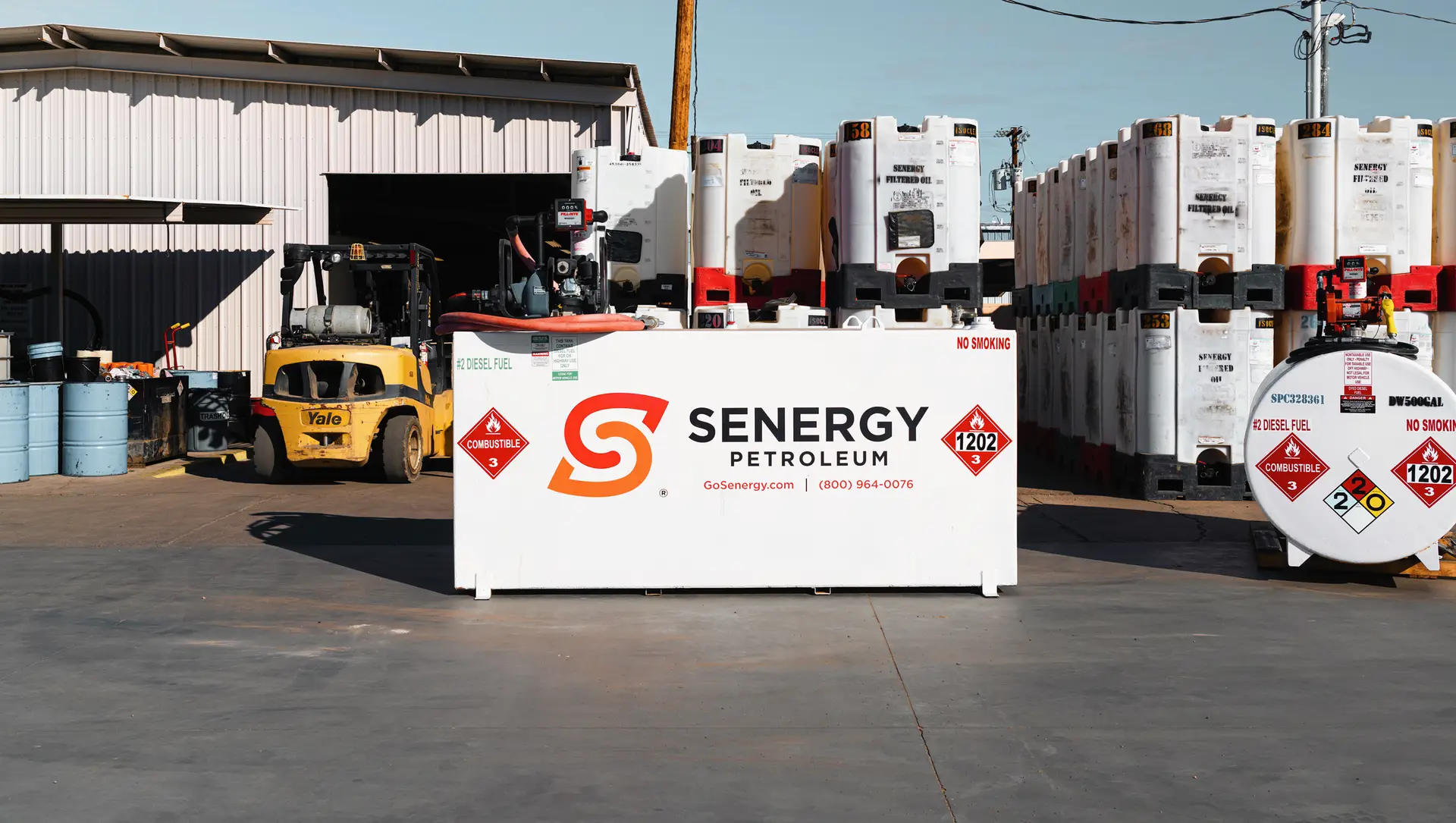
Tank condition matters particularly for businesses that store significant volumes of diesel. A storage program should account for tank age, capacity, fuel turnover, water levels, contamination risks, and overall condition. Regular inspection can help identify issues before they affect equipment. Businesses should also avoid treating a storage tank as a passive container that requires attention only when it is empty.
Keeping accurate inventory records is equally important. Comparing deliveries, dispensing activity, and remaining tank volume can reveal unexplained inventory losses or leaks. Tank monitoring and automated measurements can make this process easier for larger operations. For businesses that rely on substantial on-site fuel supplies, dependable Bulk Fuel Delivery can also support planned inventory levels and reduce the need for costly emergency purchases.
Buying Fuel Without a Plan Can Increase Costs
The lowest advertised price per gallon does not always represent the lowest overall fueling cost for a business. Purchasing decisions should consider fuel volume, delivery costs, supplier reliability, storage capacity, transportation requirements, and expected consumption. A company that repeatedly makes small emergency purchases may pay more overall than one that plans its supply around predictable demand.
Fuel procurement should be based on actual operating patterns. Fleet managers can review historical consumption, seasonal changes, vehicle utilization, and planned projects before deciding when and how much fuel to purchase. Construction companies, agriculture businesses, and other seasonal operations may have particularly large changes in demand throughout the year.
Supplier selection also matters. A reliable commercial fuel supplier can help businesses maintain supply continuity and schedule deliveries around operational needs. When purchasing is connected to accurate consumption data, companies can avoid over-ordering, reduce emergency deliveries, and keep inventory at practical levels. That approach makes fuel management part of broader cost control rather than a last-minute purchasing task.
Better Fueling Practices Protect the Bottom Line
Most fueling mistakes are not dramatic on their own. A few extra idle hours, an avoidable emergency purchase, a poorly maintained tank, an unauthorized transaction, or a small increase in fuel consumption may seem insignificant. Across a busy commercial fleet, however, those issues can accumulate quickly and affect productivity, maintenance spending, and operating costs.
Businesses can start by reviewing the full fueling process: purchasing, delivery, storage, dispensing, vehicle use, maintenance, and reporting. Clear fueling policies, regular equipment checks, controlled transactions, accurate inventory records, and useful consumption data can help reduce waste.
Gosenergy can help businesses take a more organized approach to commercial fuel needs by focusing on reliable supply and practical fueling solutions. When purchasing decisions, equipment use, storage, and monitoring work together, businesses have a stronger foundation for controlling fuel expenses and improving fuel efficiency over the long term.
