
Common Causes of Fuel Contamination and How to Prevent Them
Fuel is one of the largest operating expenses for businesses that depend on commercial fleets, heavy equipment, generators, and bulk storage systems. Whether you manage a retail fueling location, construction fleet, agricultural operation, mining site, or government facility, maintaining fuel quality is essential for keeping equipment productive and controlling operating costs. Even a small amount of contamination can affect engine performance, increase maintenance expenses, and shorten the life of critical components.
Modern diesel engines and fuel storage systems have become more sophisticated over the past decade. High-pressure common rail fuel systems, advanced emissions technologies, and tighter manufacturing tolerances require cleaner fuel than ever before. Even minor contamination that may have gone unnoticed in older equipment can contribute to injector wear, fuel system restrictions, reduced engine performance, or costly repairs in today’s commercial fleets. As organizations place greater emphasis on uptime and total cost of ownership, fuel quality management has become an essential part of preventive maintenance rather than an afterthought.
Unfortunately, fuel contamination is more common than many businesses realize. Water, dirt, microbial growth, and improper handling can all compromise stored fuel long before it reaches an engine. The result is clogged filters, injector wear, unexpected downtime, and reduced fuel efficiency. Understanding what causes contamination and implementing preventive practices can help businesses protect valuable assets, improve reliability, and maintain a consistent fuel supply across every location.
Why Fuel Contamination Matters for Business Operations
Businesses often view fuel as a routine operating expense, but contaminated fuel can quickly become a costly operational issue. Modern diesel engines and fuel systems are built with tight tolerances, making them far more sensitive to impurities than older equipment. When contaminants enter a fuel system, they can restrict fuel flow, damage injectors, accelerate wear inside pumps, and reduce combustion efficiency. These problems often lead to unexpected repairs, delayed projects, and increased maintenance budgets.
The impact extends beyond engine repairs. Construction companies may experience equipment downtime that delays project schedules, while agricultural businesses risk interruptions during planting or harvest seasons. Government fleets and emergency response vehicles require dependable performance regardless of operating conditions, making clean fuel a critical part of operational readiness. Fuel retailers also depend on reliable storage practices to protect customer confidence and maintain product consistency.
Maintaining high fuel quality supports better equipment reliability, longer engine life, and improved asset utilization. Businesses that prioritize fuel management reduce operational risks while protecting their investment in vehicles, machinery, and storage infrastructure.
The Most Common Sources of Fuel Contamination
Water remains one of the leading causes of fuel contamination in commercial operations. Moisture often enters storage tanks through condensation caused by changing temperatures. Rainwater intrusion, damaged tank seals, or poorly maintained vents can also introduce water into stored fuel. Once present, water reduces lubrication within diesel fuel and creates favorable conditions for microbial growth, commonly referred to as the diesel bug.
Solid contaminants such as dirt, dust, rust, and sediment are equally damaging. These particles may enter storage tanks during fuel deliveries, through worn dispensing equipment, or because of corrosion inside aging tanks. As debris circulates through the fuel system, it can clog fuel filters, damage pumps, and reduce injector performance. Businesses operating in dusty construction sites, agricultural environments, or mining locations often face a greater risk of particulate contamination.
Fuel degradation is another overlooked concern, particularly during long-term diesel storage. Over time, fuel naturally oxidizes, causing chemical changes that produce gums and sludge. Biodiesel blends may degrade faster under poor storage conditions, making routine inspections and proper inventory rotation essential for preserving fuel stability.
Biodiesel blends have become increasingly common throughout the United States and can provide environmental and operational benefits when properly managed. However, biodiesel may absorb moisture more readily than conventional petroleum diesel, making good storage practices even more important. Water accumulation can accelerate microbial growth, contribute to fuel degradation, and shorten storage life if tanks are not regularly inspected and maintained. Businesses storing biodiesel blends should pay close attention to inventory turnover, water removal, and periodic fuel testing to help maintain fuel quality throughout the storage period. Understanding the characteristics of the fuel being stored allows organizations to adjust maintenance practices before contamination affects equipment reliability.

How Poor Storage and Handling Increase Contamination Risks
Improper storage practices significantly increase the likelihood of contamination, regardless of fuel type. Storage tanks that are rarely inspected may develop internal corrosion, damaged seals, or blocked vents that allow moisture and airborne debris to enter. Even minor maintenance issues can gradually affect fuel quality, especially when fuel remains stored for extended periods without regular testing.
Fuel transfer procedures also play an important role. Using dirty hoses, contaminated nozzles, or poorly maintained transfer pumps can introduce particles directly into clean fuel. Cross-contamination may occur when storage equipment is used for multiple fuel products without proper cleaning, reducing overall fuel integrity and increasing maintenance requirements for downstream equipment.
Routine inspections help businesses identify these issues before they become expensive repairs. Regular tank cleaning, fuel sampling, and scheduled filter replacements reduce contamination risks while supporting more reliable operations. Many commercial facilities also benefit from Tank Monitoring, which provides greater visibility into storage conditions and helps identify abnormal changes before they affect equipment performance.
Best Practices for Fuel Quality Management
As commercial equipment continues to evolve, many organizations are adopting more comprehensive fuel management programs that extend beyond routine tank inspections. Electronic tank monitoring systems now provide continuous visibility into fuel inventory, water levels, temperature, and dispensing activity, allowing operators to identify potential issues before contamination spreads throughout the fuel system.
Routine fuel testing has also become more common among organizations operating bulk storage tanks. Periodic analysis can identify water contamination, oxidation, microbial activity, sediment levels, and fuel stability before equipment performance begins to decline. Identifying these issues early often reduces maintenance costs while helping businesses avoid unexpected downtime.
Many companies also establish written fueling procedures that include equipment inspection, proper sampling techniques, filter replacement schedules, and employee training. Clearly documenting these practices helps create consistency across multiple facilities while reducing the likelihood of contamination caused by improper handling or inconsistent maintenance.
Working with fuel suppliers that emphasize quality assurance, clean delivery equipment, and proper handling procedures also contributes to long-term fuel reliability. Combined with preventive maintenance, these practices help organizations maintain cleaner fuel systems and protect valuable equipment investments.
Recognizing the Warning Signs Before Equipment Fails
Contaminated fuel rarely causes immediate engine failure. Instead, businesses usually notice gradual performance problems that worsen over time. Heavy equipment may become difficult to start, commercial vehicles can experience reduced power, and generators may struggle to maintain consistent output under load. Fuel filters often require replacement more frequently as they capture increasing amounts of dirt, rust, water, and sludge circulating through the system.
Additional warning signs include excessive exhaust smoke, rough engine operation, poor fuel economy, and recurring injector problems. These symptoms often appear across multiple pieces of equipment when contamination originates from a shared storage tank rather than an individual machine. Ignoring these indicators allows contaminants to circulate further, increasing repair costs and reducing equipment availability.
Preventing Fuel Contamination Through Better Maintenance Practices
Preventing fuel contamination begins with a proactive maintenance program rather than reacting after equipment problems appear. Regular inspections of storage tanks, dispensing equipment, and transfer systems help identify corrosion, worn seals, damaged vents, or water intrusion before they affect stored fuel. Cleaning tanks at scheduled intervals also removes accumulated sludge, rust, and sediment that can circulate through the fuel system and damage expensive components.
High-quality filtration is another essential part of protecting fuel quality. Proper fuel filtration removes particulate matter before fuel reaches engines or heavy equipment, while water separators help eliminate free and emulsified water that encourages microbial growth. Businesses should also establish a routine fuel sampling schedule to monitor fuel condition and detect oxidation, contamination, or biological activity before it becomes a larger operational issue.
Good inventory practices further reduce contamination risks. Rotating stored fuel, avoiding unnecessary long-term diesel storage, and keeping tanks as full as practical minimize condensation and fuel aging. These simple procedures improve fuel stability, reduce waste, and help businesses avoid unexpected maintenance expenses while extending the life of their equipment.
The Business Value of Fuel Quality Management
Maintaining clean fuel delivers benefits that extend far beyond engine performance. For commercial fleets, construction companies, agricultural operations, and manufacturing facilities, dependable fuel supports productivity by reducing unexpected downtime and keeping equipment available when it is needed most. Fewer repairs also translate into lower maintenance costs and improved return on investment across an organization’s assets.
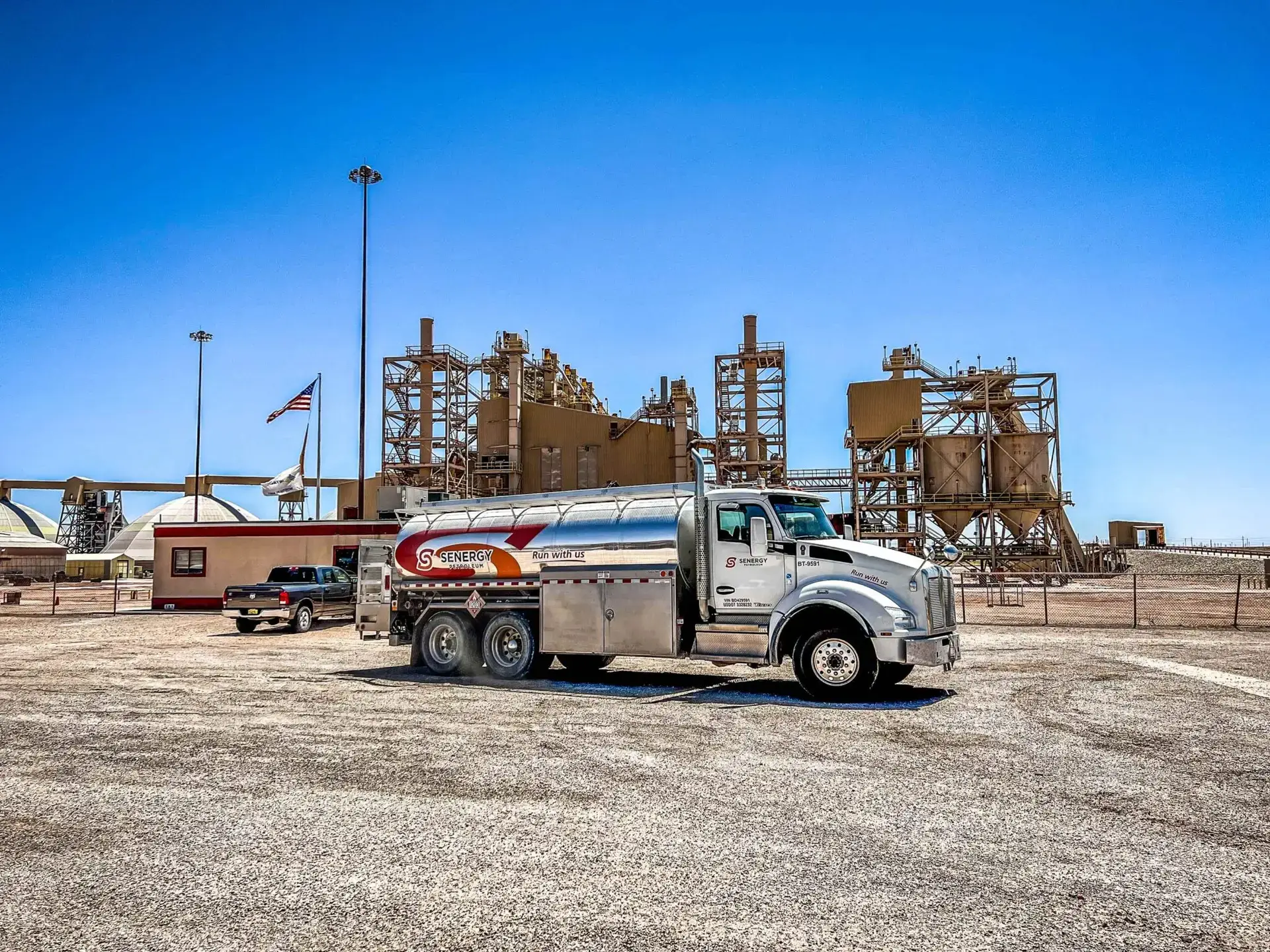
Strong fuel management practices also improve operational planning. Businesses that combine preventive maintenance with regular inspections, fuel testing, and Bulk Fuel Delivery from a trusted supplier are better positioned to maintain consistent fuel availability while protecting storage systems from contamination during handling and transportation. Reliable fuel management contributes to business continuity by reducing disruptions caused by poor fuel condition.
