
As a commercial fuel buyer, No matter the industry, you understand how critical fuel is to your business. From keeping your machines running smoothly to ensuring your operations never stop, the right fuel solutions are essential.
In this article, we’ll explore how commercial fuels keep businesses like yours running efficiently and cost-effectively, especially in the challenging climates and rugged terrain of the Southwest and Rockies regions. We’ll dive into fuel management, cost control strategies, and how to ensure your operations stay on track without any costly disruptions.
When it comes to construction, mining, and other industrial operations, heavy equipment is at the heart of everything you do. Whether you’re operating bulldozers, cranes, excavators, or other machinery, the type and quality of fuel used can make or break your equipment’s performance.
Diesel fuel is commonly used for construction equipment because of its energy density and reliability. The right type of diesel ensures that your equipment runs smoothly, and fuel quality is key to avoiding engine damage and expensive repairs. But it’s not just about filling up your machines—it’s also about using the right lubricants and fuel additives that protect your engines and improve fuel efficiency, especially when dealing with colder temperatures or long hours of operation.
Managing a fleet of vehicles can feel like a never-ending task, but efficient fuel management is the key to keeping it running smoothly. Whether you have delivery trucks, service vans, or long-haul vehicles, the amount of fuel they consume and how efficiently they use it directly impacts your bottom line.
To optimize fleet fuel consumption, it’s important to monitor fuel levels, track mileage, and ensure that your vehicles are properly maintained. With the right fuel management systems, you can track usage in real-time and ensure that you’re getting the most out of every gallon.
The quality of the fuel you use can significantly affect the longevity and performance of your equipment. Diesel engines, for example, require high-quality fuel to minimize wear and tear on internal components. Low-quality fuel can lead to clogging, injector failure, and increased engine maintenance costs.
Fuel additives, such as fuel conditioners or winter additives, are crucial for maintaining engine performance, especially during extreme temperature shifts. In the cold winters of the Rockies, for example, diesel can gel in low temperatures, but with the right additives, your equipment stays operational, no matter what the weather throws at you.
The ability to maximize fuel efficiency is more important than ever. Simple steps can drastically improve fuel economy, such as:
These small changes add up to big savings over time and can have a major impact on your overall fuel budget.
Fuel costs are often one of the largest expenses for businesses, especially those operating heavy machinery or large fleets. Fortunately, there are ways to manage and even reduce these costs.
While fuel is an unavoidable expense, these strategies can help reduce its impact on your bottom line.
For businesses that rely on large quantities of fuel, bulk fuel delivery is a game-changer. Instead of worrying about constantly scheduling fuel deliveries, bulk delivery ensures that your business has a steady, uninterrupted supply of fuel, saving time and reducing the risk of running out.
When it comes to fuel storage, proper maintenance of fuel tanks and monitoring systems is essential. Fuel tank inspections should be a regular part of your operations to ensure that your tanks are free from contaminants and that fuel is stored safely and efficiently. Secure storage systems prevent theft and ensure your fuel stays fresh.
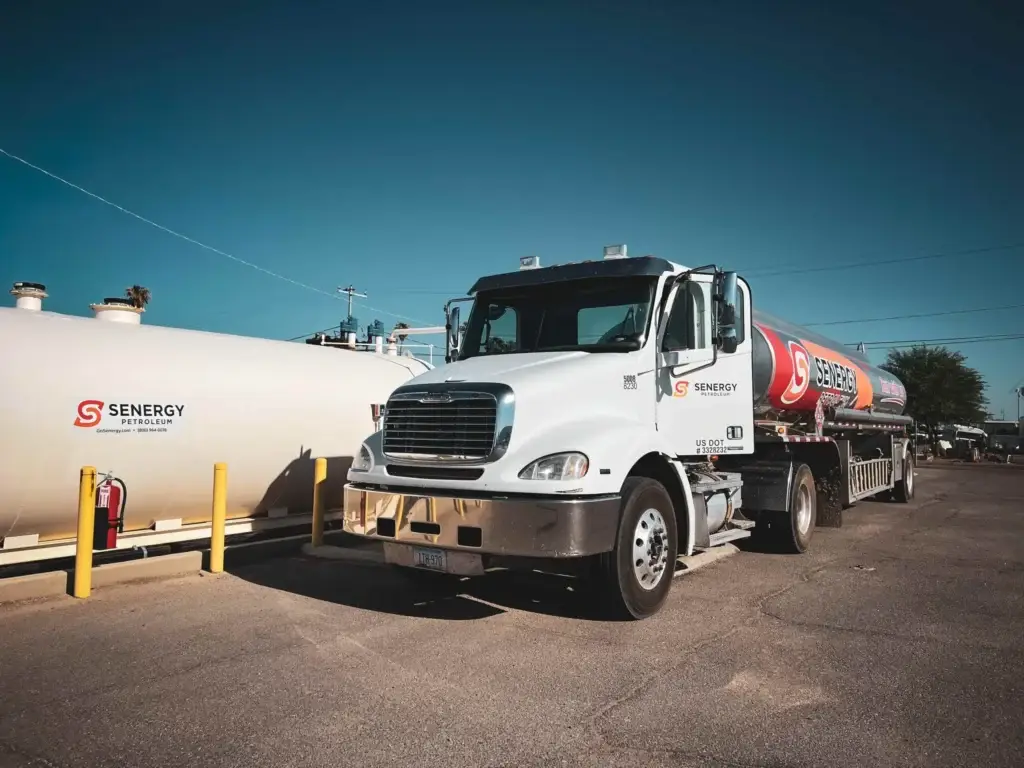

One of the most important aspects of fuel management is having a reliable fuel delivery service that can supply your business on time, every time. Whether you need daily, weekly, or on-demand refueling, partnering with a trusted fuel delivery provider ensures that you won’t experience downtime due to a lack of fuel, keeping businesses running smoothly.
On-site fueling services are especially beneficial for industries like construction, where fueling large equipment directly at the job site eliminates the need for workers to stop their tasks and drive to a fueling station. This keeps your projects moving forward without delays.
When disaster strikes, the last thing you want is to run out of fuel. That’s why having access to emergency fuel services is crucial. Whether it’s an unexpected power outage or a sudden fuel shortage caused by extreme weather, having a fuel supply reserved for emergencies ensures your operations can continue without interruptions.
Partnering with a fuel supplier who offers emergency delivery services allows you to be prepared for the unexpected. Keeping a fuel reserve on-site is also a smart way to ensure that your business stays up and running when fuel supplies are limited.
Climate Impact on Fuel Usage
Fuel performance can be heavily influenced by climate. In the Southwest and Rockies, where extreme temperatures and weather fluctuations are common, it’s crucial to understand how these conditions affect your fuel.
For example, diesel fuel can gel in freezing temperatures, causing your machinery to stop working. Using winter-grade fuel additives ensures that your engines keep running smoothly, even in the harshest conditions. Similarly, during the summer heat, fuel can evaporate quickly, so taking proper storage precautions and using the right additives can help prevent fuel loss.
Addressing Logistics Challenges
The rugged terrain of the Southwest and Rockies can make fuel logistics a challenge. Fuel delivery in remote areas requires careful planning to ensure that your business doesn’t experience delays.
Working with a fuel supplier who understands the geography and logistics challenges of the region is essential. They can provide solutions like mobile fueling and direct-to-site refueling to ensure your operations run without disruption, no matter where you are.
Looking for personalized fuel strategies? Contact us today to keep your equipment running and operations on track.
"*" indicates required fields