
Clean Fuel Systems: Why Regular Tank Cleaning Protects Equipment
Fuel tank cleaning is often overlooked until operational issues arise, yet it plays a critical role in maintaining system reliability. At its core, fuel tank cleaning involves removing sludge, sediment, water, microbial growth, and other contaminants that accumulate over time in internal storage tanks. These contaminants can enter fuel systems through condensation, poor filtration, aging infrastructure, or improper handling, contributing to fuel degradation. When present, they reduce combustion efficiency, clog filters, and damage critical engine components.
Routine tank cleaning is a direct investment in equipment longevity and operational performance. It ensures stored fuel remains clean and stable, protecting system integrity across commercial generators, transportation fleets, agricultural equipment, and marine engines. Clean, accessible fuel tanks reduce the risk of unplanned downtime and costly repairs while supporting consistent performance standards.
By proactively scheduling fuel tank cleaning, operations maintain fuel quality, protect critical assets, and strengthen system reliability. This foundational practice reflects a disciplined approach to asset management and long-term operational efficiency.
How Fuel Contamination Develops Over Time
Fuel contamination is not a sudden event; it is a gradual issue that develops over time as fuel sits unused or is repeatedly cycled through a system. One of the primary contributors to contamination is water ingress. Storage tanks are not perfectly sealed, and temperature fluctuations can cause condensation to form on internal surfaces. Over time, this moisture settles at the bottom of the tank, creating conditions that allow microorganisms and fungi to grow. These organisms feed on hydrocarbons and form biofilms and sludge that compromise fuel quality.
Particulate matter is another common source of contamination and can be introduced during fuel transport or from degraded tank linings. Rust, dust, and debris collect in low points and around weld seams, then enter pumps and injectors as fuel is drawn from the tank. This debris accelerates component wear and reduces overall system lifespan. If left unaddressed, contamination increases the frequency of filter replacements, raises operating temperatures, and reduces combustion efficiency.
Identifying the Signs of Fuel System Problems
Detecting early signs of fuel contamination is critical for protecting equipment and maintaining system performance. Operators can often identify issues before major failures occur by monitoring performance changes. One common indicator is rough or unstable idling. Contaminated fuel does not burn consistently, leading to irregular engine operation. Reduced power output or increased fuel consumption can also signal that injectors are struggling to deliver the correct fuel charge.
Visible smoke—black or white—during acceleration is another warning sign. When fuel contains water or particulate matter, combustion efficiency declines, resulting in incomplete combustion. Filters that clog prematurely or require frequent replacement are also key indicators of underlying fuel contamination. In addition, fuel pressure gauges may show abnormal fluctuations when contaminants restrict fuel flow.
The Fuel Tank Cleaning Process: What It Involves
Fuel tank cleaning is a technical process designed to remove contaminants while preserving the integrity of storage systems. A standard cleaning procedure begins with safely draining the tank to remove residual fuel. This fuel is often filtered and tested to determine whether it can be reused. Once drained, technicians access the tank interior to remove accumulated sludge, debris, and water. Methods range from manual cleaning for smaller tanks to advanced mechanical cleaning or hydroblasting for large commercial systems.
Water separation and extraction are critical steps in the process. Since water contributes to microbial growth and fuel degradation, it must be fully removed. Professional tank cleaning services use specialized vacuum systems or centrifugal separators to isolate and extract moisture. After solids and liquids are removed, tank walls and internal components are pressure-washed and rinsed to dislodge stubborn deposits.
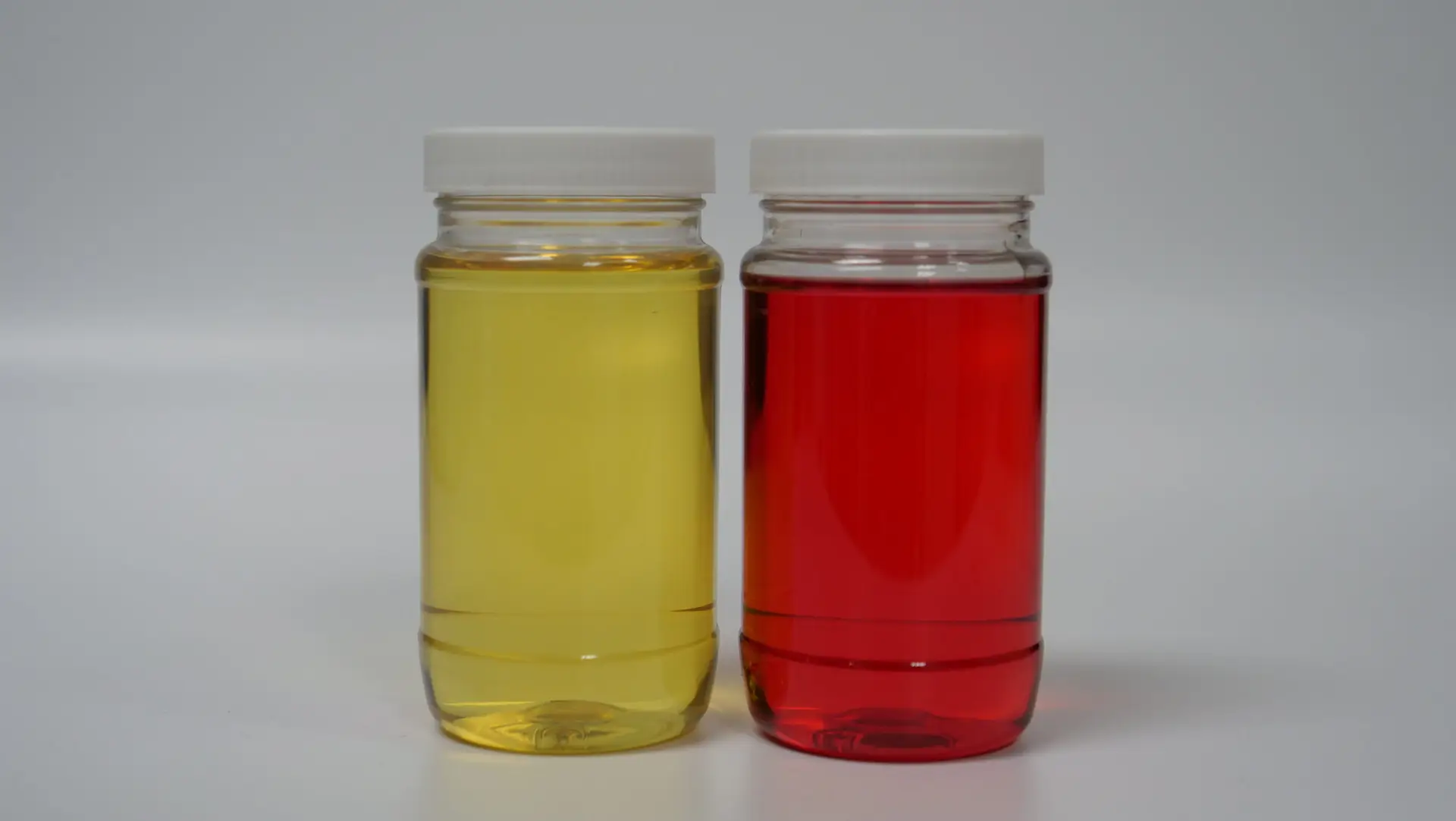

The Connection Between Clean Fuel and Equipment Protection
Fuel contamination is a significant risk to equipment performance and longevity. When contaminants enter fuel injectors or pumps, they create abrasive conditions that accelerate component wear. Fine particulates degrade pump seals and injector tips, reducing precision and forcing components to operate outside design tolerances. Water contamination promotes corrosion within fuel rails and cylinders, weakening metal surfaces and increasing the likelihood of unexpected system failure.
A comprehensive fuel tank cleaning program helps protect critical equipment components. By removing contaminants before they reach downstream systems, fuel quality remains consistent, combustion stays efficient, and engines operate as designed. This reduces operational strain and extends the lifespan of key components.
Clean fuel also supports modern emissions control systems. Excess particulates and degraded fuel increase soot production, which can clog diesel particulate filters (DPF) and damage catalytic converters in both diesel and gasoline engines. These systems are costly to repair or replace, making proactive fuel tank cleaning a practical investment in overall system reliability and performance.
Cost Implications: Preventive Maintenance vs Breakdown Repairs
Budget constraints often influence maintenance decisions. At first glance, fuel tank cleaning may appear to be an unnecessary expense—especially when equipment seems to be operating normally. However, the financial reality becomes clear when fuel contamination leads to system failures.
Unplanned downtime is significantly more costly than scheduled maintenance. When equipment fails, projects are delayed, labor productivity is reduced, and temporary replacements or rental equipment may be required at premium rates. Repair costs for fuel pumps, injectors, filters, or complete engine systems can escalate quickly, far exceeding the cost of routine fuel tank cleaning.
Contaminated fuel also reduces fuel efficiency. Poor combustion increases fuel consumption and operating expenses over time. In addition, maintenance lapses that contribute to contamination-related failures may impact warranty or insurance considerations. Investing in routine fuel tank cleaning is a cost-effective strategy to protect assets, control operating costs, and avoid unexpected disruptions.
Industry Standards and Best Practices for Clean Fuel
Best practices in fuel system management extend beyond periodic tank cleaning. A comprehensive approach includes proper filtration, continuous monitoring, and proactive system controls. High-quality filters should be installed at multiple points in the system—at the tank outlet, transfer pumps, and engine inlets—to capture debris before it reaches sensitive components. Water separators and real-time moisture sensors help identify contamination early, before it becomes a performance issue.
Fuel sampling is another industry best practice. Routine testing for water, microbial presence, and particulate levels provides measurable insight into fuel condition and can trigger tank cleaning before operational symptoms occur. The ISO 4406 cleanliness code is commonly used to quantify particulate contamination and establish maintenance thresholds.
Tank-top and vent filters help prevent airborne contaminants from entering storage systems. Tanks should also be inspected regularly to ensure proper seals and venting, reducing the risk of moisture ingress. In colder regions, additional measures such as insulation or internal coatings can further reduce condensation and contamination risks.
Planning a Regular Fuel Tank Cleaning
Regular fuel tank cleaning is essential to prevent contamination and protect equipment. Cleaning frequency depends on fuel type, usage, and storage conditions, with annual cleaning recommended for daily-use tanks and pre-season cleaning for seasonal equipment. Monitoring fuel quality can also trigger cleaning as needed, ensuring optimal performance and system reliability.
