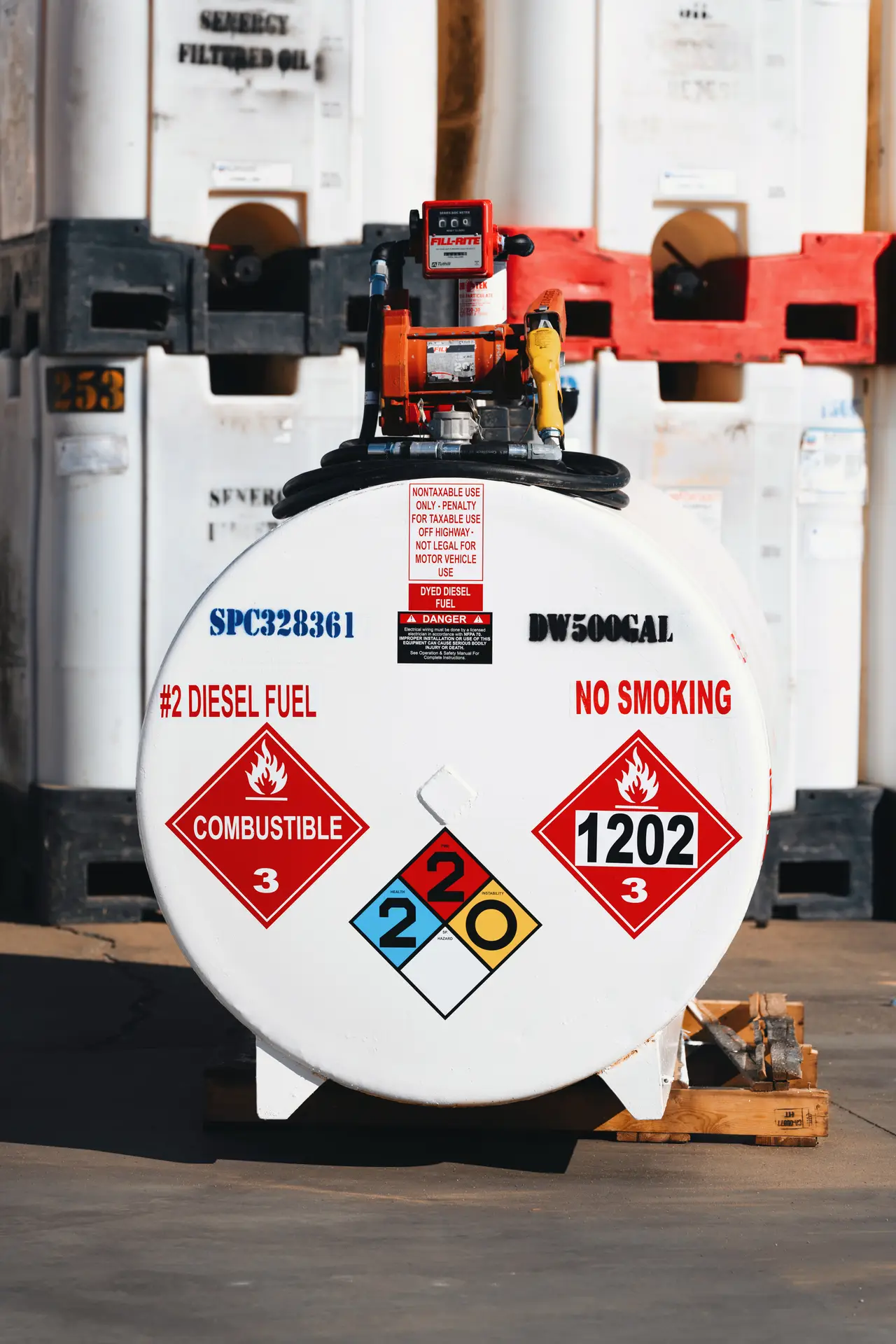
Clean Fuel Storage: Protecting Your Tanks From Contamination
Clean fuel storage is essential for maintaining the efficiency and reliability of engines, generators, and industrial equipment. Businesses that rely on fuel-powered systems benefit from dependable storage solutions that help maintain consistent performance and reduce the risk of costly downtime. Contaminated fuel can damage engines, clog filters, and reduce combustion efficiency, leading to increased maintenance requirements and equipment failures.
Fuel quality often degrades due to improper storage or handling practices. Over time, stored fuel can become contaminated by moisture, airborne particles, microbial growth, and sludge buildup. Microbial contamination typically occurs when water enters a fuel tank through condensation or leaks, creating conditions that allow microorganisms to grow and compromise fuel quality.
Maintaining clean diesel is critical for operational reliability. High-quality, contaminant-free fuel supports consistent engine performance and helps extend the life of fuel system components. Implementing proper storage practices, conducting routine inspections, and performing preventive maintenance can significantly reduce the risk of contamination and help keep operations running smoothly.
Common Causes of Fuel Contamination in Storage Tanks
Fuel contamination is one of the most common challenges associated with long-term fuel storage. Preventing contamination begins with understanding its primary causes. Contaminants typically enter storage tanks through environmental exposure, equipment failures, or improper fuel handling practices.
Water intrusion is one of the leading sources of contamination. Water can enter storage tanks through condensation, damaged seals, or rainwater infiltration. Even small amounts of water can create significant problems by encouraging microbial growth that degrades diesel fuel and forms sludge.
Particulate matter such as dust, rust, and debris is another major contributor to contamination. These particles often enter tanks during refueling or through compromised seals and vents. Once inside the tank, they settle at the bottom, mix with the fuel, and can eventually reach engines and filtration systems.
Microbial growth is also a serious concern in fuel storage systems. Bacteria and fungi thrive at the interface between water and fuel, producing acids and organic materials that reduce fuel stability and damage storage infrastructure. Modern ultra-low sulfur diesel fuels are particularly susceptible to microbial activity because sulfur previously acted as a natural inhibitor to certain microorganisms.
Fuel can also deteriorate through oxidation and chemical degradation. Exposure to air and heat accelerates the breakdown of fuel molecules, reducing fuel quality and contributing to the formation of gum and sediment.
Understanding these sources of contamination allows organizations to implement targeted prevention strategies and maintain higher fuel quality within their storage systems.
Choosing the Right Fuel Storage Systems to Prevent Contamination
Selecting the right fuel storage solutions is essential for maintaining fuel quality and preventing contamination. Storage systems should be designed to resist environmental exposure, limit moisture intrusion, and withstand chemical degradation.
Modern fuel storage tanks are available in several configurations, including above-ground tanks, underground tanks, and double-wall (bunded) tanks. Bunded tanks provide an additional layer of protection by helping prevent leaks while shielding stored fuel from external contaminants.
Proper ventilation systems also play a key role in effective fuel storage. High-quality vent filters help prevent dust and moisture from entering the tank while allowing proper airflow. Secure seals on fill points and access openings further reduce the risk of contaminants entering the storage system.
Fuel filtration is another critical component of an effective storage strategy. Installing filtration systems during fuel transfer helps remove contaminants before fuel enters the tank. High-efficiency filters can eliminate particulate matter and water, helping maintain clean diesel and supporting consistent equipment performance.
The Fuel Degradation Prevention Tank Maintenance Strategies
Proper tank maintenance is essential for preserving fuel quality and preventing costly contamination issues. A proactive maintenance plan helps ensure storage systems remain clean, secure, and operating at peak performance while extending the lifespan of the equipment.
Routine inspections should be a core component of any maintenance strategy. Storage tanks should be checked regularly for signs of corrosion, leaks, sludge accumulation, and structural damage. Identifying these issues early allows operators to address potential problems before they lead to significant contamination or operational disruptions.
Periodic tank cleaning is another critical maintenance practice. Over time, sediment, microbial residue, and water can collect at the bottom of storage tanks. If left unaddressed, these contaminants can mix with fuel and damage engines or equipment. Removing sludge and cleaning the interior of the tank helps restore proper storage conditions and maintain fuel quality.
Fuel sampling and testing are also important components of an effective maintenance program. Regular testing allows operators to monitor for the presence of water, microbial activity, or fuel degradation. This ongoing monitoring provides valuable insight into fuel quality and enables corrective action before contamination affects operations.


The Impact of Clean Diesel on Engine Performance and Reliability
Maintaining clean diesel is essential for supporting the performance and longevity of fuel-powered equipment. Diesel engines rely on precise fuel injection systems, and even small amounts of contamination can disrupt engine operation and lead to mechanical issues.
One of the key advantages of clean diesel is improved combustion efficiency. When fuel is free from water, microbes, and particulate matter, it burns more consistently within the engine. This results in more reliable engine performance and improved fuel utilization.
Contaminated diesel can clog fuel filters, injectors, and pumps. Over time, these blockages restrict fuel flow and lead to uneven combustion. As a result, equipment may experience reduced power, increased maintenance needs, and accelerated wear on internal components.
Maintaining clean fuel also helps reduce the risk of unexpected equipment downtime. Businesses that rely on generators, heavy machinery, or vehicle fleets depend on consistent fuel quality to keep operations running without disruption.
Inventory and Inspections of Fuel Quality
Consistent monitoring is a critical component of effective fuel management. Without regular testing, contamination may go unnoticed until it begins to affect engine performance or cause equipment damage.
Fuel sampling is one of the most reliable methods for evaluating fuel quality. Samples taken from storage tanks can reveal the presence of water, sediment, or microbial contamination. Routine sampling allows operators to identify potential issues early and take corrective action before problems escalate.
Testing fuel for oxidation levels and microbial activity also provides valuable insight into storage conditions. These assessments help determine whether fuel stabilizers or biocides are needed to maintain fuel integrity during storage.
Visual inspections are another useful monitoring practice. Operators should watch for warning signs such as unusual odors, cloudy appearance, or darkened fuel. These indicators often suggest microbial activity or chemical degradation within the stored fuel.
Building a Fuel Storage Strategy
An effective long-term fuel storage strategy is essential for organizations that store large volumes of fuel. Without a structured management plan, contamination risks increase and fuel quality can decline over time.
A strong strategy begins with reliable storage solutions designed to limit contamination and protect fuel quality. Storage tanks should be built with corrosion-resistant materials and properly sealed to prevent outside exposure.
Long-term fuel management should also include scheduled maintenance, routine inspections, tank cleaning, and regular fuel testing to keep storage systems operating properly.
Employee training is another key component. Staff responsible for handling fuel should understand proper storage practices, contamination risks, and safe handling procedures to help maintain fuel quality.