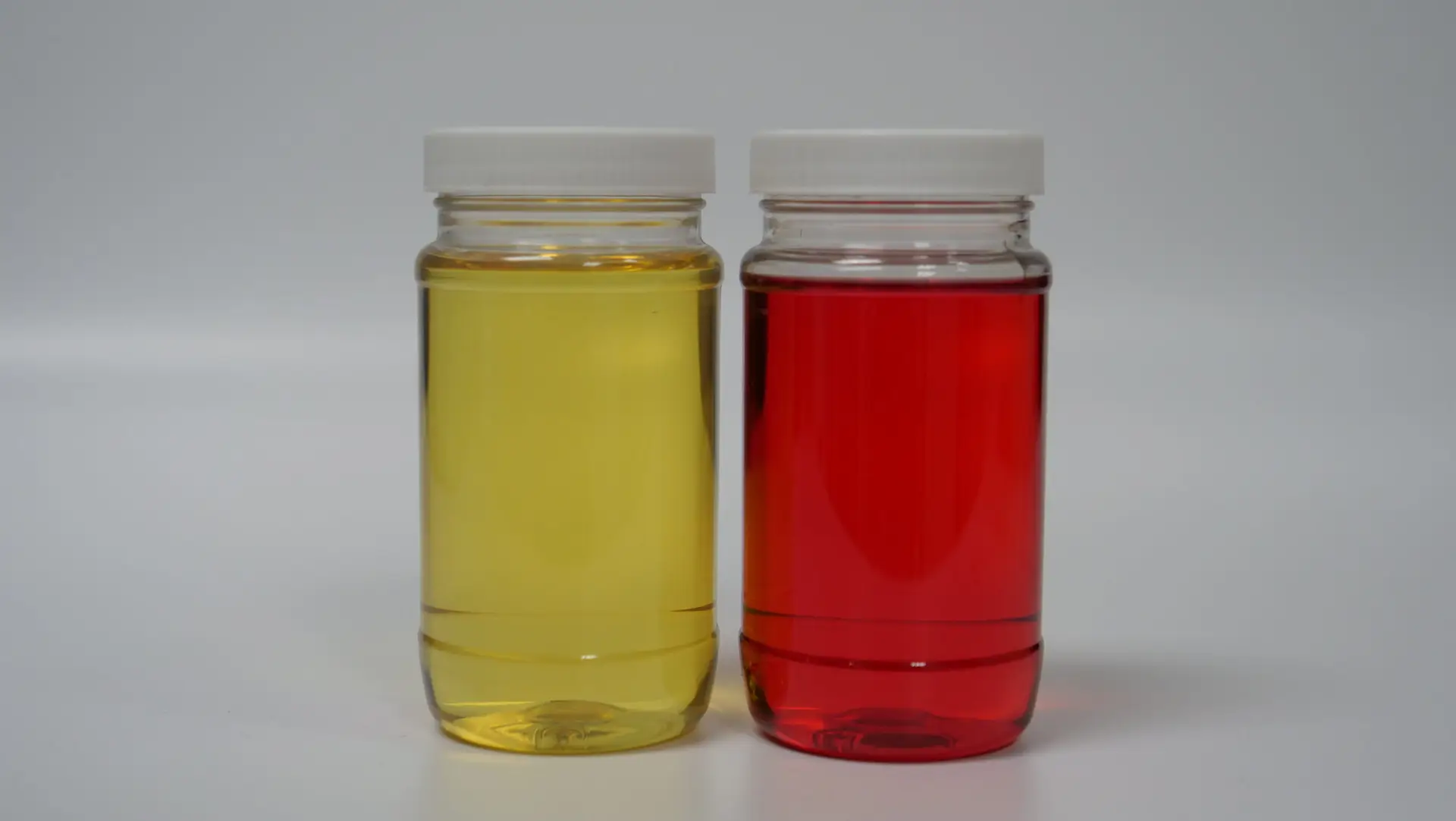
Clean Fluid Solutions: Why Clean Fuel & Oil Matter
Clean fluid services play a critical role in maintaining industrial efficiency and equipment reliability. These services focus on keeping operational fluids—such as fuel, oil, and hydraulic fluids—clean to support consistent performance. In industries ranging from manufacturing to energy, fluids are essential to daily operations. When properly maintained and free of contamination, they help reduce wear, limit unexpected downtime, and support long-term equipment functionality.
At the core of clean fluid services is the removal of contaminants that can compromise performance. Over time, water, particulate matter, and sludge can accumulate within fluids, reducing their effectiveness. Filtration and separation processes are key to removing these impurities, ensuring that only clean, functional fluids circulate through critical systems.
As industrial operations continue to advance, the importance of fluid cleanliness has increased. Modern equipment operates with tighter tolerances, making it more sensitive to contamination. Even small amounts of debris or moisture can lead to inefficiencies or equipment failure. As a result, maintaining clean fluids has become a necessary component of operational strategy.
Clean fluid services support longer equipment life, improved system performance, and safer operations. For industrial businesses, implementing these services helps reduce downtime, control maintenance costs, and maintain consistent productivity—reinforcing the value of proper fluid management.
Protecting Equipment and Maintaining Performance
Fuel filtration is a critical process that removes impurities from fuels such as biodiesel, gasoline, and diesel. Contaminants—including microbial growth, water, and sediment—can significantly impact engine performance and fuel efficiency. Microbial contamination, often referred to as “fuel bugs,” is especially common in stored fuels and can lead to degradation if not properly managed.
The filtration process involves passing fuel through specialized filters designed to capture contaminants while allowing clean fuel to flow through. Supplying cleaner fuel to engines supports more efficient combustion and helps protect key components such as pumps and injectors from damage caused by abrasive particles.
Fuel filtration systems are essential across industries such as transportation, aviation, and power generation, where operational reliability is critical. Without proper filtration, contaminants can accumulate, leading to clogged systems, reduced efficiency, and potential equipment failure.
Fuel filtration also supports compliance with fuel quality standards and operational requirements. As part of a broader clean fluid management strategy, it helps maintain consistent performance, protect equipment, and ensure reliable fuel delivery across demanding applications.
Understanding the Risks of Fluid Contamination in Industrial Operations
Fluid contamination is one of the most significant challenges in industrial operations. It occurs when unwanted substances—such as water, debris, air, or chemicals—enter operational fluids and affect system performance. Contamination can originate from multiple sources, including equipment wear, improper storage, poor handling practices, and external exposure during operation.
There are several forms of fluid contamination. Solid contamination includes particles such as dust, dirt, and metal fragments that can cause abrasion and mechanical wear within equipment. Liquid contamination is commonly caused by water intrusion, which can lead to corrosion and microbial growth. Chemical contamination occurs when fluids oxidize or degrade over time, reducing their overall effectiveness and performance.
The risks associated with fluid contamination can be substantial, particularly in high-precision systems where even small particles may lead to efficiency losses or unexpected equipment failure. Operational fluids may also accumulate contaminants such as water, gases, sludge, and acids over time, all of which can negatively impact fluid quality and equipment reliability.
Contaminated fluids can also increase the likelihood of equipment failure, resulting in unplanned downtime, reduced productivity, and higher maintenance costs. Maintaining fluid cleanliness is essential for supporting safe, reliable, and efficient industrial operations.
How Clean Fuel and Oil Support Equipment Performance
High-quality fuel and oil are essential for maintaining efficient equipment performance. When operational fluids remain clean and free of contamination, they can effectively perform critical functions such as lubrication, cooling, and energy transfer. This supports smoother operations, reduced friction, and improved overall efficiency.
Contaminated fluids, however, can negatively impact system performance by increasing resistance and accelerating wear. Particulate contamination may damage internal components, while water intrusion can lead to corrosion and reduced lubricating effectiveness. Over time, these issues can contribute to operational inefficiencies and increased maintenance demands.
Clean fuel supports more efficient combustion, allowing engines to operate at optimal performance levels and improve fuel economy. Similarly, clean oil helps maintain proper lubrication, reducing wear on machinery components and supporting longer equipment life.
In industries such as manufacturing and transportation, even minor inefficiencies can result in significant operational costs. Clean fluid services help reduce these risks by maintaining consistent fluid quality and supporting reliable system performance.
Maintaining clean fuel and oil contributes to more dependable operations, improved productivity, and lower long-term maintenance costs. Prioritizing fluid cleanliness helps businesses protect equipment performance and maintain operational consistency across demanding applications.

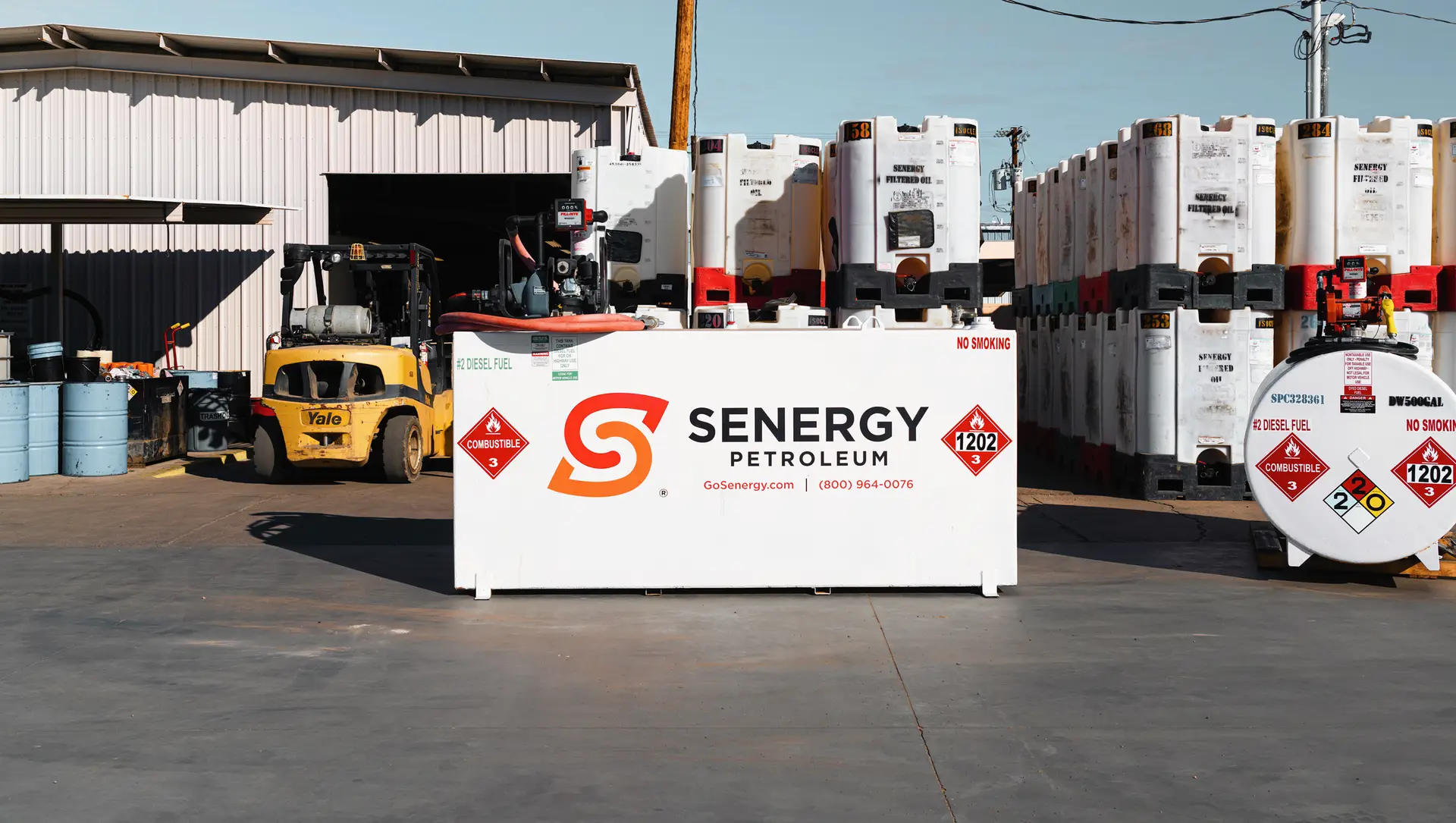
The Operational Benefits of Clean Fluid Solutions
Clean fluid solutions provide long-term operational and financial advantages for industrial businesses. Maintaining clean fuel and oil helps reduce maintenance costs, minimize downtime, and extend equipment life, contributing to greater operational efficiency over time.
Contaminated fluids can accelerate equipment wear, leading to increased repairs, component replacements, and unexpected service interruptions. By implementing clean fluid services, businesses can reduce these risks and improve overall system reliability. Clean fluids also support more efficient equipment operation, helping optimize fuel usage and control operating costs.
Proper fluid management plays an important role in maintaining consistent equipment performance and reducing unnecessary waste caused by contaminated or degraded fluids. As industries continue to rely on high-performance equipment and precision systems, maintaining fluid cleanliness has become an essential part of operational strategy.
In addition, many industries must meet strict fuel quality and operational standards. Clean fluid services help organizations maintain compliance requirements while supporting dependable performance across demanding applications.
By investing in clean fluid solutions, businesses can improve equipment reliability, reduce long-term operating expenses, and support more consistent productivity.
Preventing Fluid Contamination
Preventing fluid contamination requires a proactive approach built around regular maintenance, monitoring, and proper handling practices. Routine inspections and filtration help identify contaminants early and maintain fluid quality before issues impact equipment performance.
Proper storage and transfer methods also play a critical role. Keeping fluids in clean, sealed containers and using dedicated transfer equipment helps reduce the risk of contamination. In addition, employee training and advanced monitoring tools support consistent fluid cleanliness and more reliable operations.