
Clean Fluid Solutions for Industrial Equipment Reliability
Fluid systems play a critical role in industrial machinery, supporting lubrication, cooling, and power transmission. Even minor contamination can disrupt performance and lead to significant operational challenges. Research consistently shows that fluid contamination negatively impacts equipment performance, reliability, and service life, making contamination control a key priority in modern industrial operations.
Contaminants such as dust, metal particles, and water can enter systems through environmental exposure, normal equipment wear, or inadequate maintenance practices. Once introduced, these contaminants circulate through critical components, contributing to abrasion, corrosion, and fluid degradation.
Maintaining clean fluids is essential for consistent equipment performance. Properly maintained systems support reliable lubrication, reduce friction, and help prevent overheating. In contrast, contaminated fluids can lead to unplanned downtime, production delays, and increased maintenance costs.
Industries such as manufacturing, energy, and construction depend on continuous equipment operation. Implementing effective fluid cleanliness practices is a foundational step in protecting equipment and maintaining operational efficiency.
Understanding Fluid Contaminants and Their Impact
Effective fluid contamination control begins with a clear understanding of the types and sources of contaminants. Industrial fluids are typically affected by three primary categories: solid particles, liquid contaminants, and chemical impurities.
Solid contaminants include dust, dirt, and metal shavings generated through normal component wear. These particles act as abrasives, accelerating wear and causing internal damage. Liquid contaminants, such as water, can lead to corrosion and reduce lubrication effectiveness. Chemical contaminants, including oxidation byproducts, gradually degrade fluid quality and performance over time.
Contamination can originate from multiple sources. External contamination often enters through seals, vents, or during routine maintenance activities. Internal contamination develops as components and fluids degrade during operation. Even newly installed systems may contain residual contaminants from the manufacturing process.
Operational conditions also play a role in contamination risk. Factors such as high humidity, temperature fluctuations, and demanding industrial environments can increase the likelihood of contamination if not properly managed. Without effective controls in place, these conditions can compromise fluid integrity and overall system performance.
How Fluid Contamination Leads to Equipment Failure
Contaminated fluids are a leading cause of equipment failure in industrial operations. Studies have shown that a significant percentage of hydraulic system failures are linked to contamination, reinforcing the importance of proactive fluid management and system protection.
When contaminants circulate within a system, they contribute to multiple forms of wear. Abrasive wear occurs when particles come into contact with component surfaces, while erosive wear results from high-velocity fluid carrying contaminants through the system. Over time, these processes lead to component degradation, leakage, and reduced operational efficiency.
Contamination also affects overall system performance. Blockages in valves and filters can restrict fluid flow, causing pressure imbalances and inefficiencies. In severe cases, contamination can result in complete system failure, leading to costly downtime and increased repair demands.
The Benefits of Clean Oil Systems for Industrial Equipment
Clean oil systems are essential for maintaining the reliability and efficiency of industrial equipment. These systems are designed to ensure that lubricating and hydraulic fluids remain free from contamination throughout their service life.
A clean oil system incorporates multiple layers of protection, including effective filtration, proper storage, and controlled handling practices. Together, these measures help preserve fluid quality and prevent the buildup of harmful particles, supporting consistent lubrication and system performance.
The benefits of maintaining clean oil systems are significant. Clean oil reduces friction between moving components, minimizing wear and improving energy efficiency. It also enhances heat dissipation, helping to prevent overheating and maintain stable operating conditions.
In addition, clean oil systems support predictive maintenance strategies. Monitoring fluid condition allows potential contamination issues to be identified early, enabling timely corrective action before they escalate into larger problems. This proactive approach reduces unplanned downtime and maintenance demands.
Organizations that prioritize clean oil systems often experience improved productivity and operational efficiency. By maintaining fluid integrity, equipment can operate as intended, reducing the risk of unexpected failures.
The Role of Filtration Systems in Maintaining Fluid Cleanliness
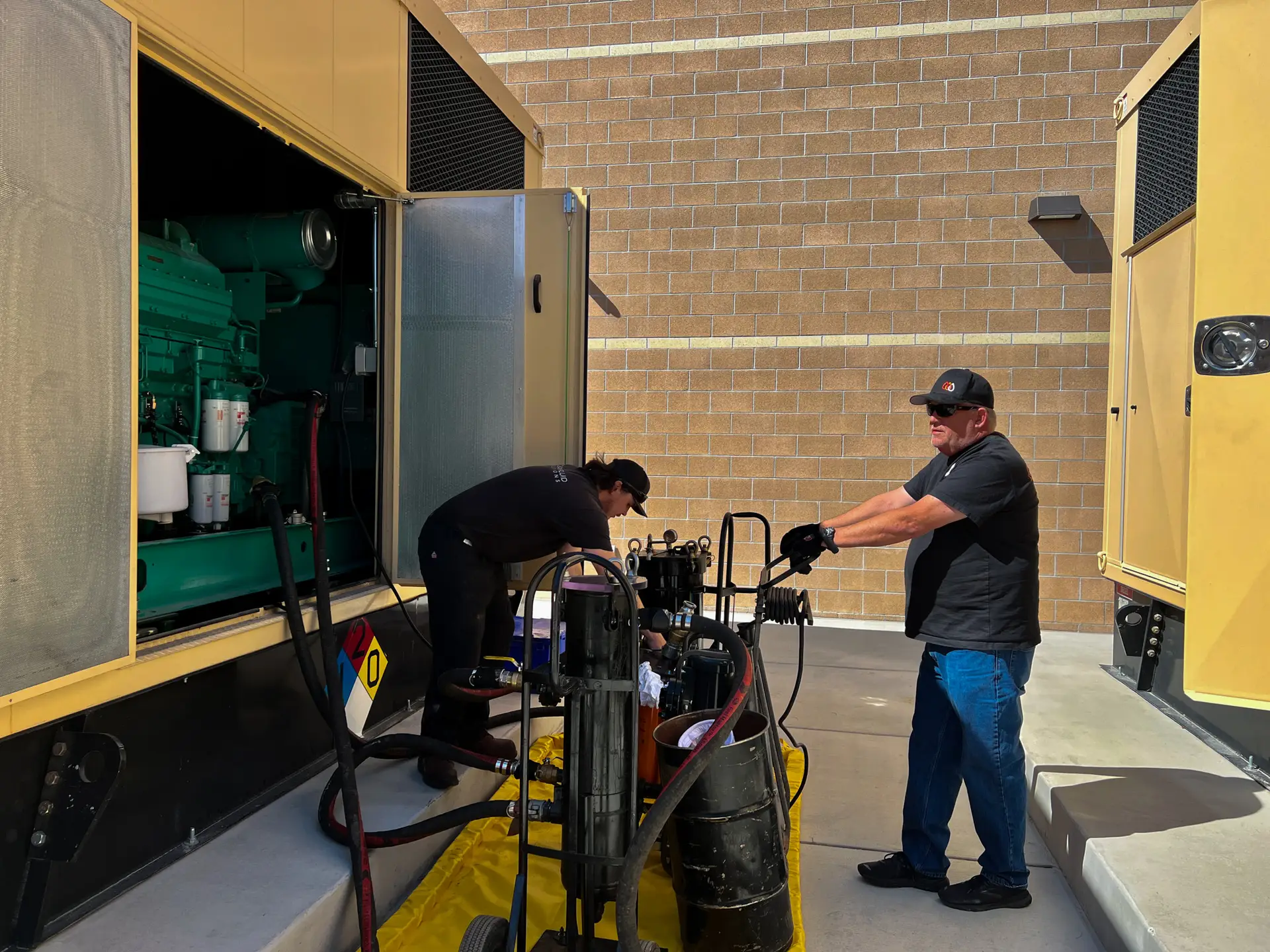
Industrial filtration plays a critical role in maintaining fluid cleanliness and protecting equipment. Filtration systems are designed to remove contaminants from fluids, ensuring they meet required cleanliness standards and support reliable system performance.
Modern filtration technologies include mechanical filters, membrane filters, and advanced multi-stage systems. These solutions are capable of capturing a wide range of contaminants, from visible debris to microscopic particles.
Filtration systems are strategically installed at key points within equipment, such as inlet ports, return lines, and reservoirs. This placement helps remove contaminants before they can circulate through the system and cause damage.
Beyond equipment protection, effective filtration improves overall fluid quality, enhances system efficiency, and reduces maintenance requirements. It also supports compliance with operational safety standards and industry regulations.
Investing in advanced filtration systems allows organizations to maintain consistent, reliable operations. As a first line of defense against contamination, filtration helps ensure that industrial equipment continues to perform at optimal levels.
Best Practices for Preventing and Managing Fluid Contamination
Preventing, monitoring, and maintaining fluid cleanliness requires a comprehensive approach. Organizations should implement strategies that address both internal and external sources of contamination to ensure consistent system performance.
Effective filtration is a critical component of contamination control. Selecting the appropriate filters based on system requirements ensures efficient removal of contaminants. Regular filter maintenance and timely replacement are equally important to sustain optimal performance.
Condition monitoring is another key element. Technologies such as particle counters and fluid sensors provide real-time data on fluid cleanliness, enabling proactive decision-making and early issue detection.
Proper handling and storage practices also play a vital role. Sealed systems, controlled storage conditions, and the use of clean containers help minimize contamination risks during fluid transfer and storage.
Employee training is essential to maintaining consistent standards. Teams should be educated on the importance of contamination control, along with best practices for equipment maintenance and fluid handling.
The Role of Preventive Maintenance
Preventive maintenance is a key component of effective equipment protection in industrial operations. Regular inspection and servicing of fluid systems help identify potential issues early, reducing the risk of unexpected failures.
Core maintenance practices include fluid analysis, filter replacement, and routine system checks. Oil analysis, in particular, provides valuable insight into fluid condition, helping detect contamination and determine the right time for maintenance.
Addressing system vulnerabilities—such as repairing leaks, replacing worn components, and improving seals—further reduces contamination risk. Overall, a consistent preventive maintenance approach improves system efficiency, minimizes downtime, and lowers operational costs while supporting safer operations.
