
Choosing the Right Lubricants for Heavy Equipment Longevity
Heavy equipment operates under extreme stress, high temperatures, and continuous use. These machines play a critical role across industries such as construction, mining, agriculture, and transportation, where proper lubrication is essential to maintaining efficient performance. Selecting the appropriate industrial lubricant can directly influence equipment performance, reliability, and overall operating costs.
Lubricants create a protective film between moving engine components, helping to reduce friction and minimize wear. Without adequate lubrication, metal surfaces can come into direct contact, generating excessive heat and accelerating component failure. This can result in costly repairs, operational delays, and unexpected downtime.
Modern equipment manufacturers design machinery to tight tolerances and specify high-quality lubricants to ensure optimal performance. The use of incorrect or low-quality products can contribute to oxidation, sludge buildup, and premature failure of critical components.
For organizations focused on effective equipment maintenance, proper lubrication remains one of the most cost-efficient methods of extending machinery life. A well-structured lubrication program can reduce breakdown frequency, improve fuel efficiency, and enhance overall productivity.
As equipment becomes increasingly sophisticated, lubricant selection is no longer a simple purchase decision. It has evolved into a strategic investment that protects assets, reduces maintenance costs, and supports long-term operational success.
Understanding Industrial Lubricant Types
Not all industrial lubricants are the same. Specialized formulations are designed for different equipment systems to meet specific operational demands. Understanding the various lubricant categories helps operators make informed decisions and avoid costly maintenance mistakes.
Engine oils are formulated to lubricate internal combustion engines while also managing heat, contaminants, and combustion byproducts. Hydraulic fluids are used within hydraulic systems to transmit power while simultaneously lubricating and protecting pumps and valves. Gear oils are engineered to withstand heavy loads and extreme pressure conditions commonly found in gearboxes and differentials.
Another important category is greases. Unlike liquid lubricants, greases remain in place for extended periods, providing long-lasting protection for bearings, joints, and other components operating in harsh environments. Additional specialized lubricants, such as compressor oils, transmission fluids, and other application-specific products, are designed to meet the unique requirements of various industrial systems.
Synthetic lubricants offer enhanced thermal stability and improved oxidation resistance compared to traditional mineral-based products. These high-performance formulations are engineered to deliver superior protection under extreme operating conditions.
Selecting the appropriate lubricant requires careful consideration of several factors, including viscosity, operating temperature, load demands, and original equipment manufacturer (OEM) specifications. Proper selection can reduce maintenance costs and improve overall equipment reliability.
Understanding these lubricant categories enables operators to optimize machinery performance and develop a more effective, long-term maintenance strategy.
Choosing the Right Heavy Equipment Oil
Selecting the right heavy equipment oil involves more than simply considering viscosity. Each machine has unique operating requirements that directly influence lubricant performance and protection.
Construction equipment often operates in dusty environments with exposure to moisture and significant temperature fluctuations. Agricultural machinery typically experiences seasonal workloads and varying contaminant exposure. Mining equipment, on the other hand, must withstand extremely high pressures and harsh operating conditions. As a result, lubricants must be specifically formulated to match each application.
Manufacturers provide lubricant specifications that should always serve as the primary reference point. These recommendations are based on engine design, operating loads, and expected environmental conditions.
Viscosity remains one of the most critical factors in selecting heavy equipment oil. Oils that are too thick can reduce efficiency and increase starting resistance, while oils that are too thin may fail to provide adequate protection under load.
Additive technology also plays a vital role in modern lubricant performance. Detergents, dispersants, anti-wear agents, corrosion inhibitors, and oxidation stabilizers are incorporated to enhance performance, improve cleanliness, and extend equipment life.
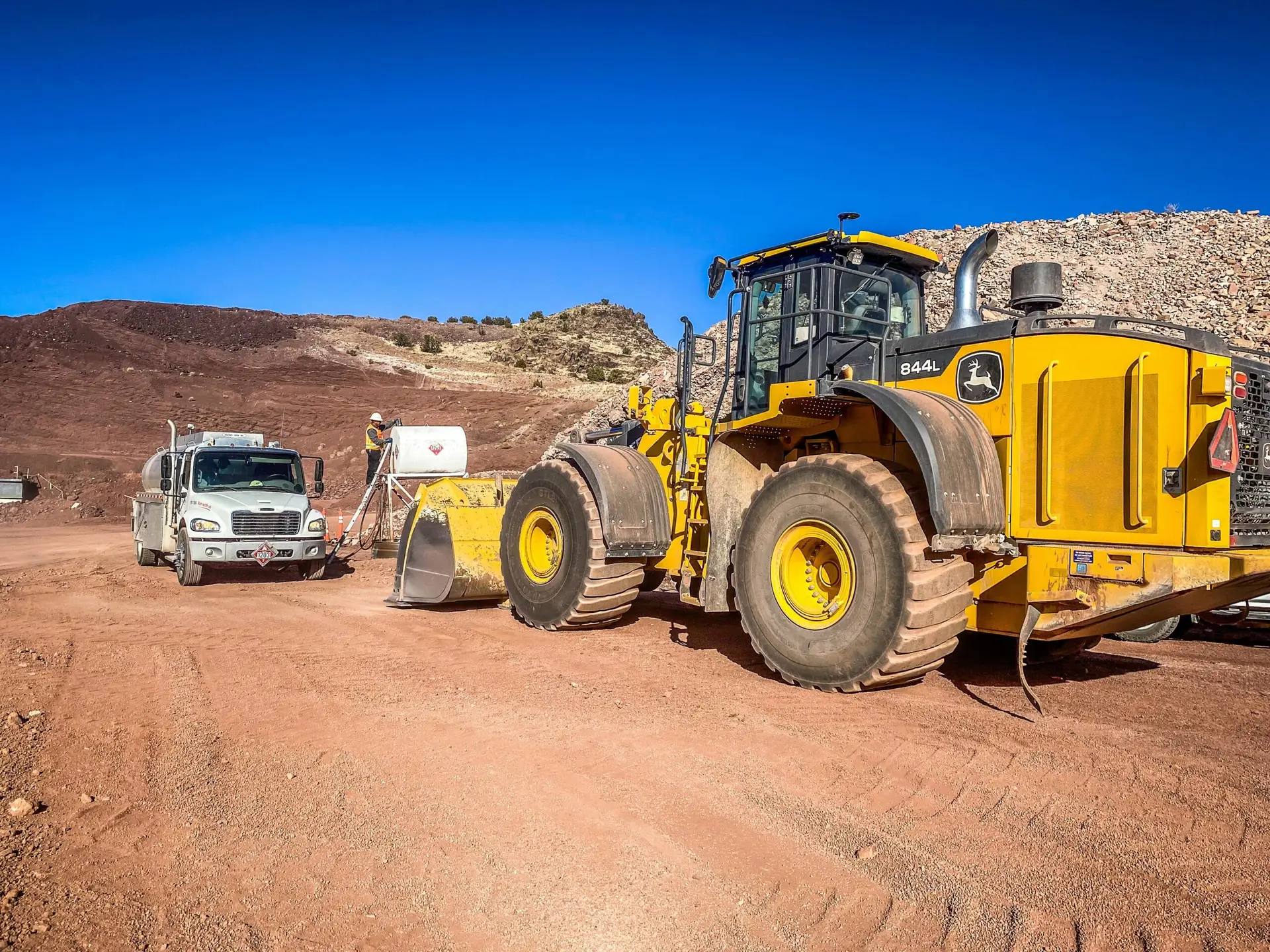

The Role of Lubrication Management
Effective lubrication management is a critical component of successful equipment maintenance programs. Even the most advanced machinery can experience premature failure when lubrication practices are inadequate or inconsistent.
Routine lubrication checks help protect equipment from damage caused by contamination, moisture, and fluid degradation. Oil analysis programs are also a valuable tool for assessing equipment health by identifying wear metals, oxidation levels, and overall fluid condition.
Well-designed lubrication schedules ensure that critical components receive protection at the appropriate intervals. However, excessive lubrication can be just as harmful as insufficient lubrication, making technician training and consistency essential to maintaining system reliability.
Lubrication also plays an important role in preventive maintenance by reducing wear-related failures. Whether in bearings, gears, hydraulic systems, or engines, clean, high-quality lubricants are essential for maintaining optimal performance.
Regular monitoring and documentation support accountability and allow maintenance teams to identify performance trends before failures occur.
Ultimately, lubrication is more than a routine maintenance task—it is a proactive asset management strategy that preserves equipment value and contributes directly to long-term operational success.
How Environmental Conditions Impact Lubricant Performance
The effectiveness of lubricants is significantly influenced by environmental conditions. Temperature extremes, humidity, dust, and contamination can all impact lubricant performance and overall equipment reliability.
In cold weather, lubricants can thicken, making it more difficult for fluids to circulate during engine start-up. Conversely, excessive heat accelerates oxidation, which can reduce lubricant lifespan. As a result, outdoor equipment is continuously exposed to challenging operating conditions throughout the year.
Dust and airborne contaminants present additional challenges. Equipment operating in construction sites, mining operations, and agricultural environments is often exposed to abrasive particles that can enter lubrication systems and contribute to accelerated wear.
Water contamination is another major concern. Moisture intrusion can reduce lubricant effectiveness, promote corrosion, and damage sensitive components. These risks can be minimized through proper storage practices, careful handling, and effective filtration systems.
Industrial lubricants are formulated with advanced additives designed to improve resistance to environmental stress. These high-performance products help maintain reliable operation in demanding conditions while reducing wear and protecting equipment from corrosion.
Enhancing Equipment Reliability Through Fluid Contamination Control
Clean Fluid Solutions are a critical component of modern equipment management programs. While selecting the right lubricant is essential, maintaining fluid cleanliness is equally important for ensuring long-term equipment reliability.
Lubricants are vulnerable to contamination from dirt, water, metal particles, and oxidation by-products, all of which can significantly reduce their effectiveness. Even small levels of contamination can accelerate wear and negatively impact overall equipment performance.
Clean Fluid Solutions focus on filtration, contamination control, fluid monitoring, and proper storage practices. Together, these processes help preserve lubricant integrity throughout its service life while protecting critical system components.
Advanced filtration systems remove harmful particles before they can circulate through equipment and cause damage. In addition, fluid analysis programs help identify early signs of contamination and provide timely alerts to potential issues.
Many organizations have found that improvements in fluid cleanliness deliver greater reliability gains than simply switching lubricant brands. Clean fluids help reduce friction, improve hydraulic system efficiency, and extend component lifespan.
Fleet Maintenance Practices
Recreational transportation equipment includes a wide range of vehicles such as RVs, off-road machines, and utility vehicles, each requiring specific lubrication strategies due to varying operating conditions.
Unlike industrial equipment that runs continuously, recreational vehicles often experience seasonal use, changing loads, and diverse weather conditions, which create unique lubrication challenges.
Engine oils must provide protection during long storage periods while still performing effectively during intermittent use. Lubricants are also required for hydraulic systems, transmissions, and driveline components that operate less frequently but still demand reliable protection.
