
Choosing the Right Fueling Equipment for Your Operation
Fuel management is essential for any business that relies on vehicles, heavy equipment, or standby power generation. Whether operating gas stations, managing a fleet, running farm equipment, or supporting government transit, having the right fueling equipment makes a measurable difference in efficiency, cost savings, and reliability. From fuel pumps to bulk fueling systems, every component plays a vital role in keeping operations running smoothly. This article outlines the key factors business owners should consider when investing in fueling equipment and how those decisions support long-term business objectives.
The Role of Fueling Equipment in Business Operations
Fueling equipment is not just a tool—it is the lifeline of a company’s energy supply. Every time a tractor, truck, or other machinery is fueled, the reliability of that system determines how efficiently and accurately the job is completed. Businesses that overlook the importance of fueling systems often face higher repair costs, unexpected downtime, or fuel contamination. Precision dispensing equipment, for example, provides accurate and efficient fueling that reduces spillage and waste. Likewise, commercial-grade fuel pumps enable large fleets to refuel quickly without unnecessary delays. For operations that depend on uptime, investing in high-performance, heavy-duty fueling equipment is not optional—it is essential. Understanding how each piece of equipment supports your workflow is the foundation for smarter, more cost-effective investments.
Things to Consider Before Buying Fueling Equipment
Before purchasing new fueling equipment, companies must evaluate a wide range of factors that directly impact efficiency and safety. The size and nature of the operation are critical starting points. A small farm may only need a single pump and storage tank, while a government fleet requires bulk systems capable of fueling large volumes daily. The type of fuel is another key consideration—diesel, gasoline, biodiesel, or DEF (diesel exhaust fluid) each require compatible equipment to ensure proper handling and prevent contamination. Proper fuel tank accessories, such as spill containment systems, automatic shut-off valves, and leak detection sensors, help maintain safe and efficient operations. Additionally, businesses should account for long-term operating costs, including fuel use, energy demands, and replacement parts, before making an investment.
High Volume Bulk Fueling Systems
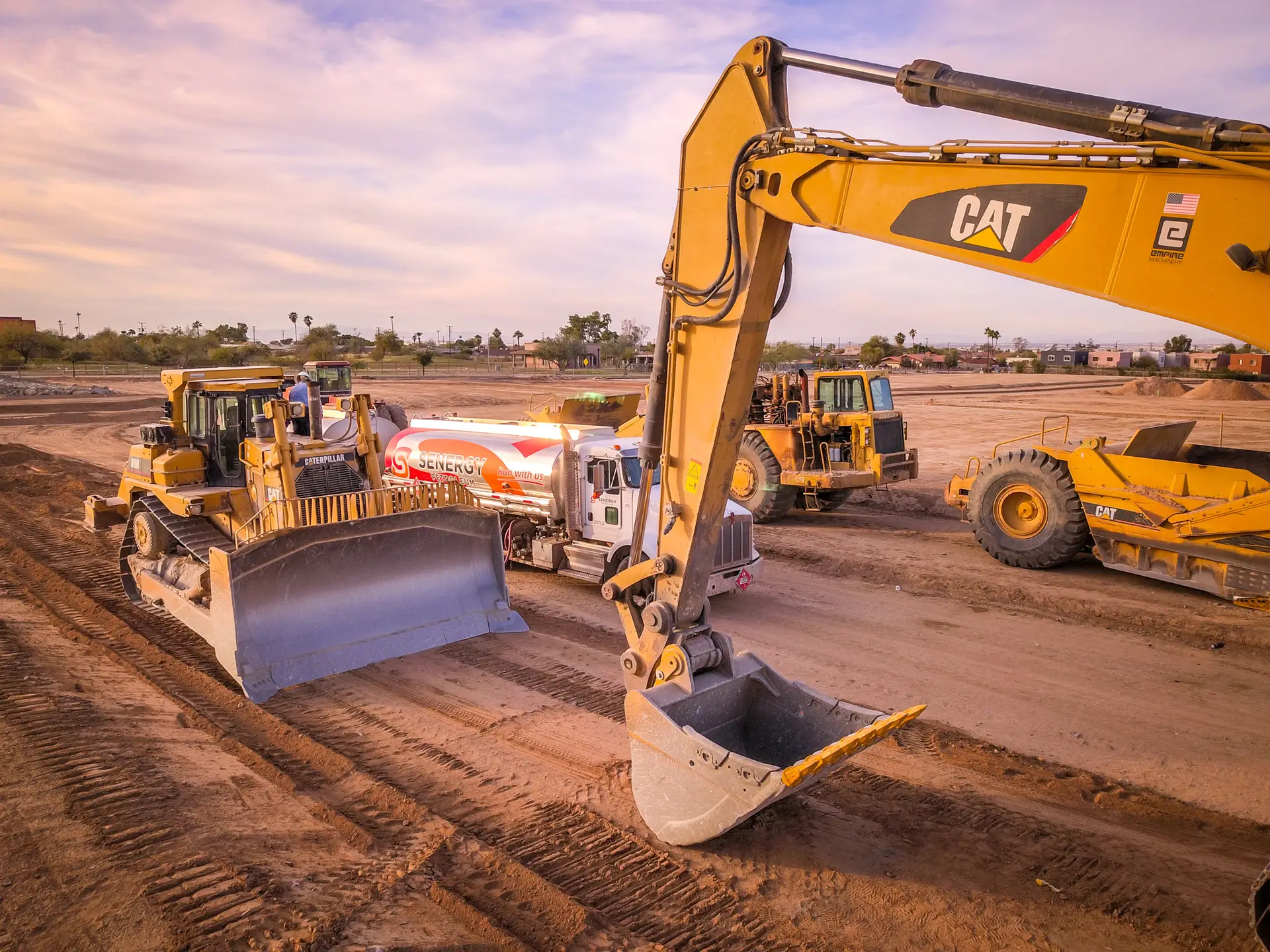
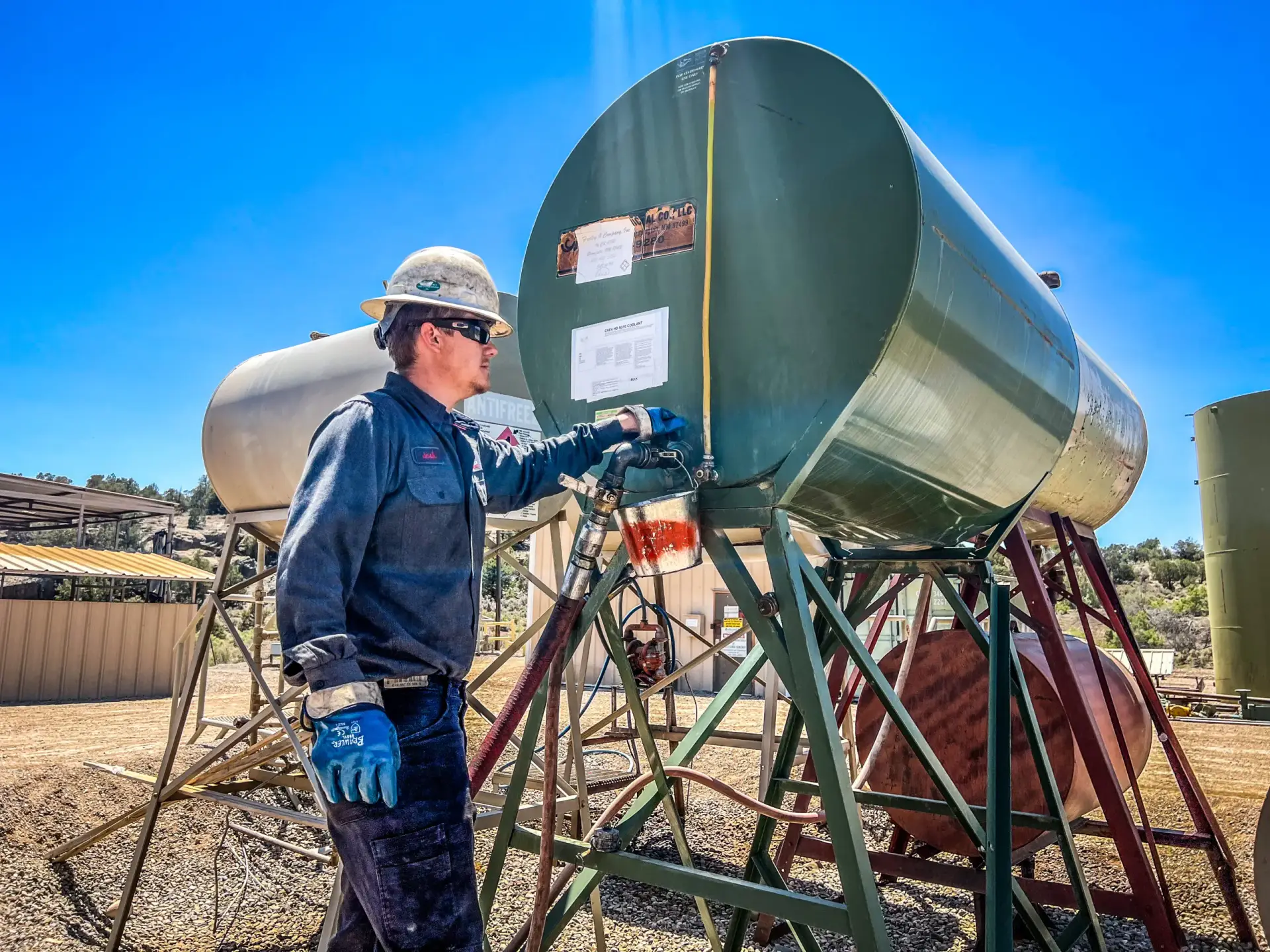
For businesses with high daily fuel consumption, bulk fuel systems are a necessary investment. These systems allow companies to store and dispense large volumes of fuel on-site, reducing reliance on off-site facilities and lowering per-gallon costs. Bulk fuel systems also give operators greater control, with the ability to track inventory levels, monitor usage, and implement security measures against theft. Farming operations, construction contractors, and government fleets benefit significantly from these systems, as equipment can be fueled directly on-site without the downtime of traveling for refills. When paired with advanced monitoring tools, bulk fueling systems also provide valuable data on consumption patterns, helping companies maximize their budgets. Proper planning, permits, and safety infrastructure are required to install such systems, and tanks must be built to meet regulatory standards. Essential accessories, including venting systems and overfill protection devices, are critical to ensuring safe and compliant operation.
Choosing the Right Commercial Fuel Pumps for Efficiency
Commercial fuel pumps are the backbone of any fueling station or fleet yard. A slow pump leads to longer fill times, reduced productivity, and frustration for drivers. In contrast, high-flow commercial pumps allow trucks, tractors, and buses to refuel quickly and efficiently. When selecting pumps, businesses must consider flow rate, fuel type compatibility, reliability, and energy efficiency. Pumps should also integrate seamlessly with dispensing equipment to ensure accurate and consistent fueling. Features such as automatic shut-off, digital gauges, and tamper-evident card readers add further value by reducing loss, streamlining operations, and enhancing accountability in high-volume fueling environments.
Improving Safety and Compliance with Fuel Tank Accessories
Fuel tank accessories may not get the spotlight like pumps or dispensers, but they are essential for safety, efficiency, and operational reliability. Fuel gauges, leak detection systems, vent caps, and spill containment basins are just a few of the components that keep fueling systems running smoothly. For businesses handling large volumes of fuel, these accessories are not optional—they are critical safeguards against costly downtime and maintenance issues. High-quality accessories help reduce operational disruptions, lower maintenance expenses, and extend the life of fueling equipment. For business owners, investing in the right accessories is just as important as selecting the pumps and tanks themselves.
Leveraging Technology for Smarter Fuel Management
Technology has transformed fueling operations. Modern fueling equipment incorporates automation, digital monitoring, and data tracking to provide business owners with complete control and visibility. Fuel dispensers now feature smart meters that track every gallon dispensed, reducing errors and simplifying fuel budget management. Many bulk fueling systems integrate with fuel management software, allowing operators to monitor tank levels in real-time, detect leaks, and schedule automatic top-offs. Secure card-reader terminals and access controls ensure only authorized personnel can refuel, reducing theft and misuse. Remote monitoring capabilities further enable managers to oversee multiple fueling sites from a single location. By leveraging these advanced technologies, businesses improve operational efficiency while gaining actionable insights for long-term planning and cost savings.
Maximizing Efficiency with the Right Fueling Investments
Investing in the right fueling equipment may require upfront capital, but the long-term benefits—less downtime, higher efficiency, and extended equipment life—are significant. Proper pumps, tanks, and accessories reduce fuel waste, prevent equipment failure, and protect your bottom line. Regularly maintained bulk systems and commercial fuel pumps, paired with the right tank accessories, safeguard operations and ensure smooth performance. For fuel-dependent businesses, making these investments today is a critical step toward cost control and operational reliability. Run With Senergy and secure the efficiency and protection your operation deserves.
