Chemical Solutions That Optimize Equipment Longevity
Industrial operations rely on advanced chemical technologies to support equipment performance and extend machinery life. Equipment failures can interrupt production, increase maintenance costs, and reduce operational efficiency. As a result, many manufacturers continue to invest in high-quality industrial chemicals designed to improve equipment protection and maintain consistent system performance. From hydraulic systems to manufacturing lines, modern chemical formulations play an important role in wear prevention, corrosion control, and contamination reduction.
Industrial machinery operates under constant exposure to heat, pressure, friction, moisture, and chemical stress. Without proper protection, these conditions can contribute to mechanical wear and premature equipment failure. Performance fluids and fluid additives help stabilize lubricants, maintain viscosity, and protect critical components from excessive wear. Advanced fluid maintenance strategies can help reduce downtime, lower repair costs, and improve overall operational productivity.
Research across the lubrication and industrial maintenance industries continues to show the importance of contamination control and proper fluid management in maintaining equipment reliability. Modern maintenance programs have shifted from reactive repairs to more predictive maintenance strategies supported by engineered fluids and additives. These technologies help create protective barriers between moving components, reduce friction, and improve thermal stability throughout industrial systems.
The Role of Advanced Lubrication in Equipment Performance
Lubrication plays a critical role in equipment durability and long-term machine performance. Industrial machinery generates constant friction and heat during operation, which can lead to increased wear, equipment failures, and costly repairs without proper lubrication.
Modern lubricants are engineered with advanced additives that improve thermal stability, corrosion protection, and wear resistance. Anti-wear additives help reduce metal-to-metal contact, while detergents and dispersants help control deposits and sludge buildup.
High-performance synthetic fluids are also designed to maintain stable viscosity across a wide temperature range, helping equipment operate consistently in demanding conditions while protecting bearings, gears, pumps, and hydraulic systems from premature wear.
How Fluid Additives Improve Industrial Maintenance Programs
Fluid additives are an important part of modern industrial maintenance programs because they improve the performance of lubricants and operational fluids. While base oils provide primary lubrication, additives enhance fluid performance and help support demanding industrial applications.
Anti-wear additives are commonly used to protect equipment operating under high pressure and friction. These additives create microscopic protective layers that help reduce metal-to-metal contact, minimizing surface damage and extending component life. This level of protection is especially important in hydraulic and gear systems where equipment operates continuously under heavy loads.
Oxidation inhibitors are another critical category of fluid additives. Exposure to oxygen and heat can cause industrial fluids to degrade over time, leading to sludge formation, varnish buildup, and acidic compounds. Oxidation inhibitors help slow this degradation process and extend fluid service life. As a result, maintenance intervals can become more manageable while helping reduce operational costs.
Corrosion inhibitors also play an important role in machinery protection. Industrial systems are often exposed to moisture and harsh operating conditions that can contribute to rust and corrosion within valves, pumps, and pipelines. Corrosion control additives help create protective barriers on metal surfaces, reducing the risk of corrosion-related damage and supporting long-term equipment reliability.
Why Hydraulic Fluid Management Matters for Equipment Reliability
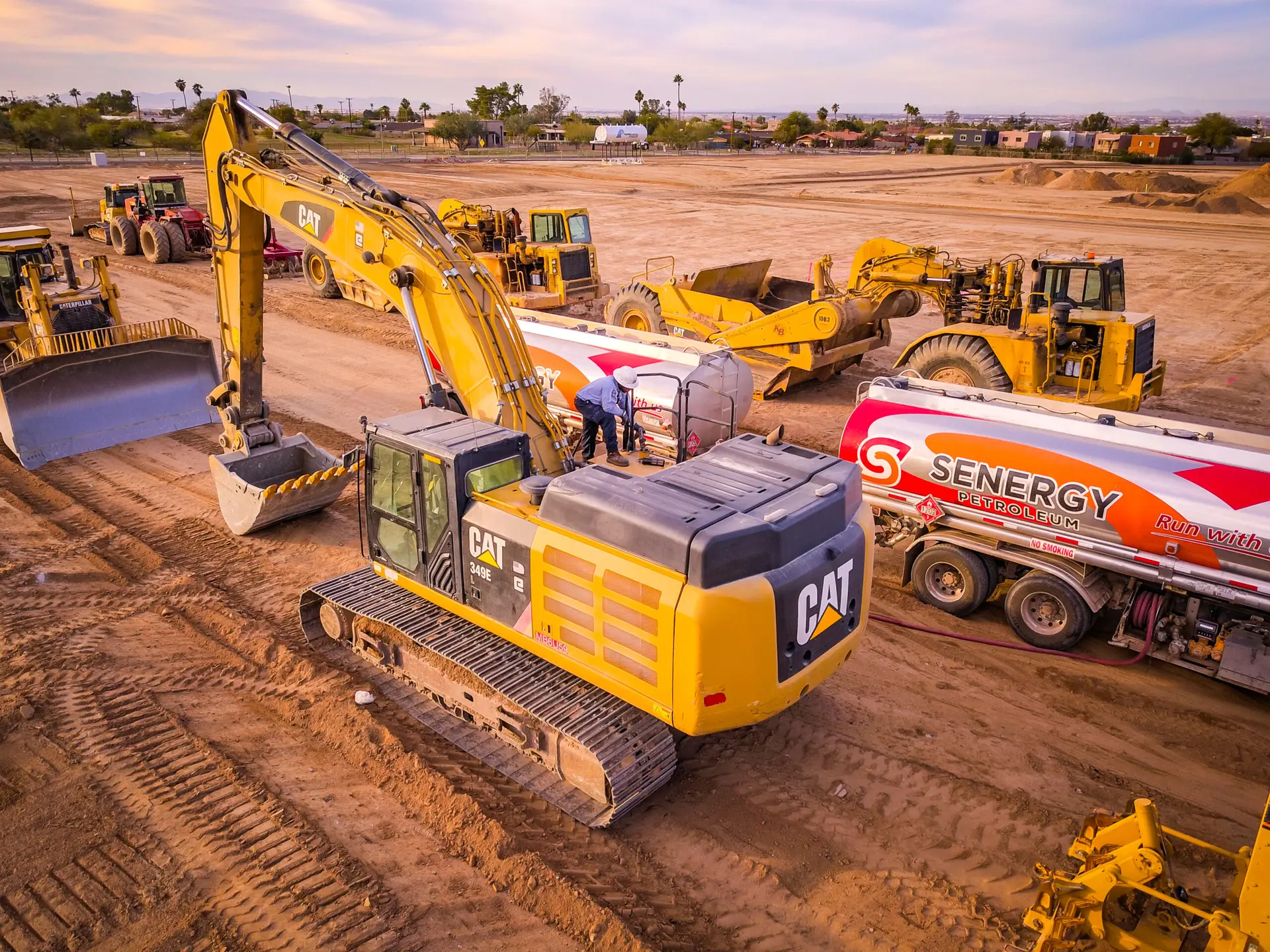
Hydraulic systems are among the most critical components used in construction, mining, manufacturing, transportation, and energy production equipment. These systems rely heavily on specialized performance fluids to maintain pressure stability, lubrication, and thermal control. Without proper fluid management, equipment reliability can decline quickly, leading to increased maintenance demands and reduced operational efficiency.
Hydraulic fluids serve multiple functions beyond power transmission. They help lubricate internal components, transfer heat, protect against corrosion, and assist in keeping systems clean. Because hydraulic fluids support several critical system functions simultaneously, fluid quality plays a major role in overall equipment life and performance.
One of the most important considerations in hydraulic fluid selection is viscosity. Fluids that are too thin may not provide sufficient component protection, while fluids that are too thick can reduce system efficiency and increase energy consumption. Modern industrial fluid technologies are designed to maintain stable viscosity across a broad temperature range, helping hydraulic systems perform consistently in both high- and low-temperature operating conditions.
Contamination control is another major factor affecting hydraulic equipment life. Dust, water, metal particles, and worn fluid contaminants can damage pumps, valves, seals, and other system components. Advanced fluid additives help suspend contaminants within the fluid and support filtration systems designed to maintain fluid cleanliness. Many industrial maintenance programs now include routine fluid analysis to identify contamination and fluid degradation early, helping prevent more serious equipment issues before they occur.
The Importance of Contamination Control
Contamination is one of the leading causes of industrial equipment failure. Dirt, water, metal particles, and chemical contaminants entering lubrication or hydraulic systems can significantly damage machinery and reduce operational reliability. Effective contamination control strategies supported by advanced industrial chemicals are essential for protecting equipment and extending service life.
Even small particles can create serious problems within mechanical systems. Contaminants can increase friction, accelerate component wear, clog filters, and reduce lubrication efficiency. Water contamination is especially damaging because it can contribute to rust formation and fluid degradation. As a result, many industrial operations continue to prioritize clean fluid management programs as part of their maintenance strategies.
Advanced fluid additives play an important role in contamination control by helping stabilize fluids and suspend harmful particles until they can be removed through filtration systems. Detergent and dispersant additives help prevent sludge buildup, while anti-foam additives support consistent fluid performance during operation.
Synthetic Performance Fluids for Extreme Operating Conditions
Industrial equipment often operates in conditions that are too demanding for conventional lubricants. High temperatures, heavy loads, moisture exposure, and continuous operation require advanced synthetic performance fluids designed for durability and stability. Synthetic fluids are chemically engineered to provide greater molecular uniformity than traditional mineral oils, helping improve thermal stability, oxidation resistance, and viscosity control. As a result, synthetic industrial fluids are able to maintain performance in demanding operating conditions for extended periods.
Synthetic formulations are especially beneficial in high-temperature applications. Conventional oils can begin to break down under excessive heat, leading to sludge formation, increased friction, and reduced fluid performance. Synthetic fluids are designed to resist thermal breakdown, helping equipment operate more consistently while extending fluid service life and reducing the frequency of fluid changes.
Improving Equipment Reliability
Equipment reliability plays a major role in industrial profitability. Downtime, emergency repairs, and production interruptions can lead to significant operational costs. Advanced chemical maintenance programs help reduce these risks by improving equipment performance and supporting long-term reliability.
High-quality industrial chemicals help reduce wear, extend fluid life, and minimize unexpected mechanical failures. Proper lubrication also improves operational efficiency by reducing friction and mechanical resistance, helping equipment run more consistently.
Many maintenance programs now include routine fluid analysis to identify contamination, monitor fluid condition, and detect potential equipment issues before failures occur. This proactive approach helps improve uptime, reduce repair costs, and support safer, more reliable operations.