Cardlock vs. Retail Fueling: Which Is Better for Fleet Operations?
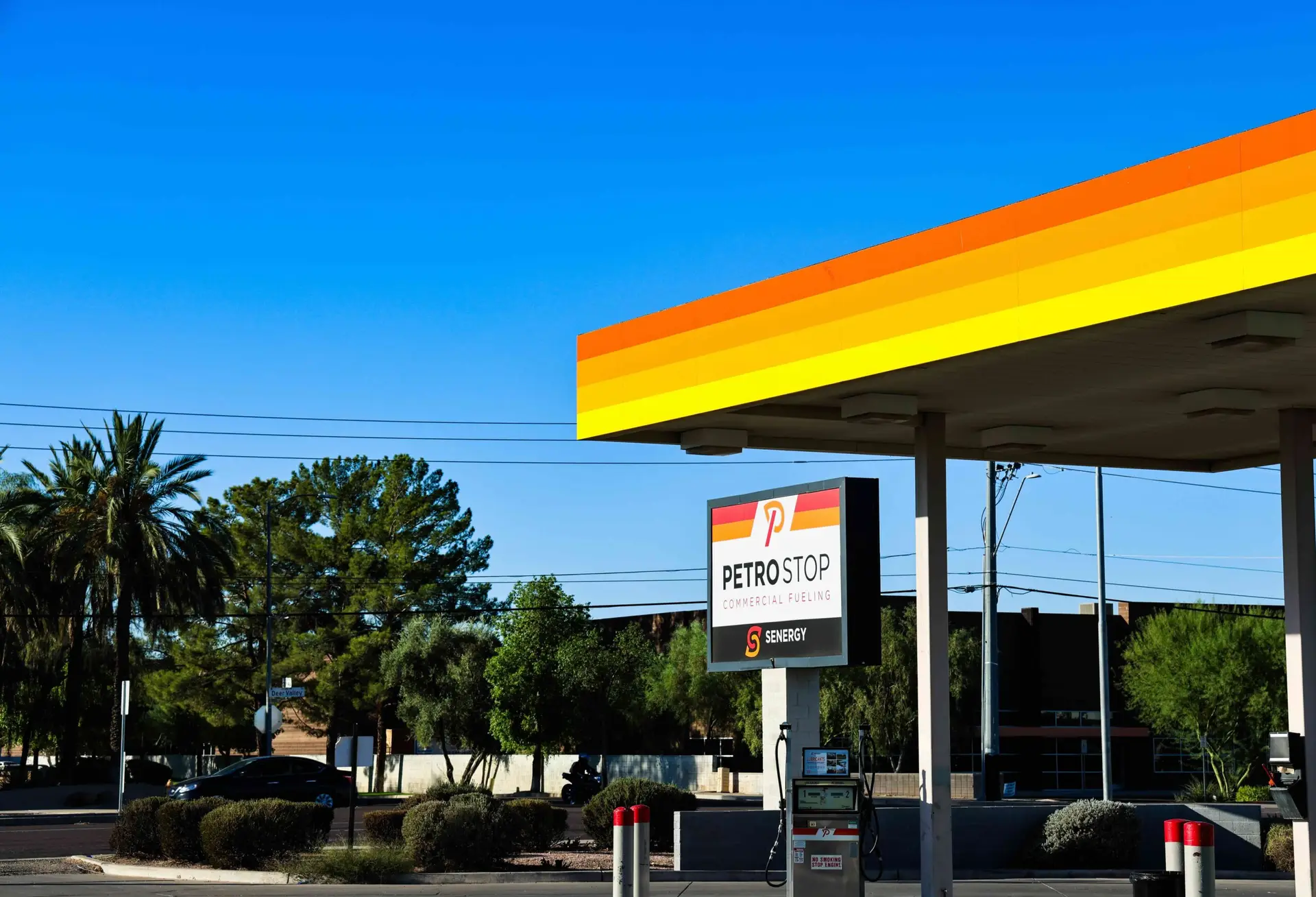
Cardlock fueling is a commercial fueling solution designed specifically for fleet operations. Businesses are issued account-linked fuel cards that provide access to unattended fueling sites built to accommodate commercial and high-capacity vehicles.
Unlike traditional retail fuel stations that serve the general public, cardlock locations are engineered for speed, reliability, and efficiency. These sites feature high-flow pumps, wide lanes for larger vehicles, and 24/7 access to keep operations moving without delay.
Fleet cards are typically PIN-enabled and can be customized with specific controls, including product restrictions (diesel or gasoline), gallon limits, time-of-day access, and geographic boundaries. These controls help fleet managers strengthen operational oversight and reduce unauthorized usage.
Cardlock fueling also integrates directly with modern fleet fuel management systems. Transaction data flows into dashboards and reporting platforms, making reconciliation more efficient and allowing managers to quickly identify discrepancies or unusual activity.
Strategically positioned along major transportation corridors and within commercial zones, cardlock stations help minimize downtime for both long-haul and local fleets. Most programs operate on net terms and often utilize cost-plus or negotiated pricing structures rather than standard pump pricing. This pricing model provides greater predictability, making cardlock fueling a smart solution for fleets focused on cost control and operational consistency.
Retail Fueling: A Strategic Option for Mixed Fleet Operations
Retail fueling includes traditional branded or independent stations that serve the general public. Widely available in urban and suburban areas, these locations are convenient for last-mile deliveries, short routes, and light-duty vehicles.
Retail stations accept standard payment methods and many commercial fuel cards, making them useful where cardlock access is limited. However, they typically offer fewer purchase controls and are subject to pump price fluctuations, which can complicate long-term cost management for high-mileage fleets.
For mixed fleets, retail fueling works best as a complement to a broader strategy, providing flexibility for city routes and off-corridor stops.
Why Cardlock Offers Greater Cost Control
The key difference between cardlock and retail fueling is pricing and cost control. Cardlock programs typically use negotiated or cost-plus pricing tied to rack or wholesale indexes, often resulting in lower per-gallon costs for high-volume fleets.
They also provide stronger purchase controls, consolidated billing, and detailed reporting through fleet management platforms—helping identify irregular usage and improve oversight.
Retail fueling, by contrast, is subject to pump price fluctuations and offers fewer controls, making forecasting and reconciliation more challenging. For fleets prioritizing predictable fuel spend, cardlock delivers greater structure and control.
How Cardlock Data Strengthens Fleet Oversight and Control
Modern fleet fuel management depends on detailed transaction visibility. Cardlock fueling captures line-item data—driver, vehicle, location, product, gallons, and timestamp—which feeds directly into management platforms for real-time oversight.
This enables automated audits, anomaly detection, MPG monitoring, and performance alerts. Product-specific restrictions and per-transaction limits further reduce misuse.
Retail fueling typically offers less detailed reporting, making reconciliation and cost allocation more labor-intensive. For fleets prioritizing compliance and operational transparency, cardlock reporting provides clear advantages.

Balancing Speed and Accessibility in Fleet Fueling
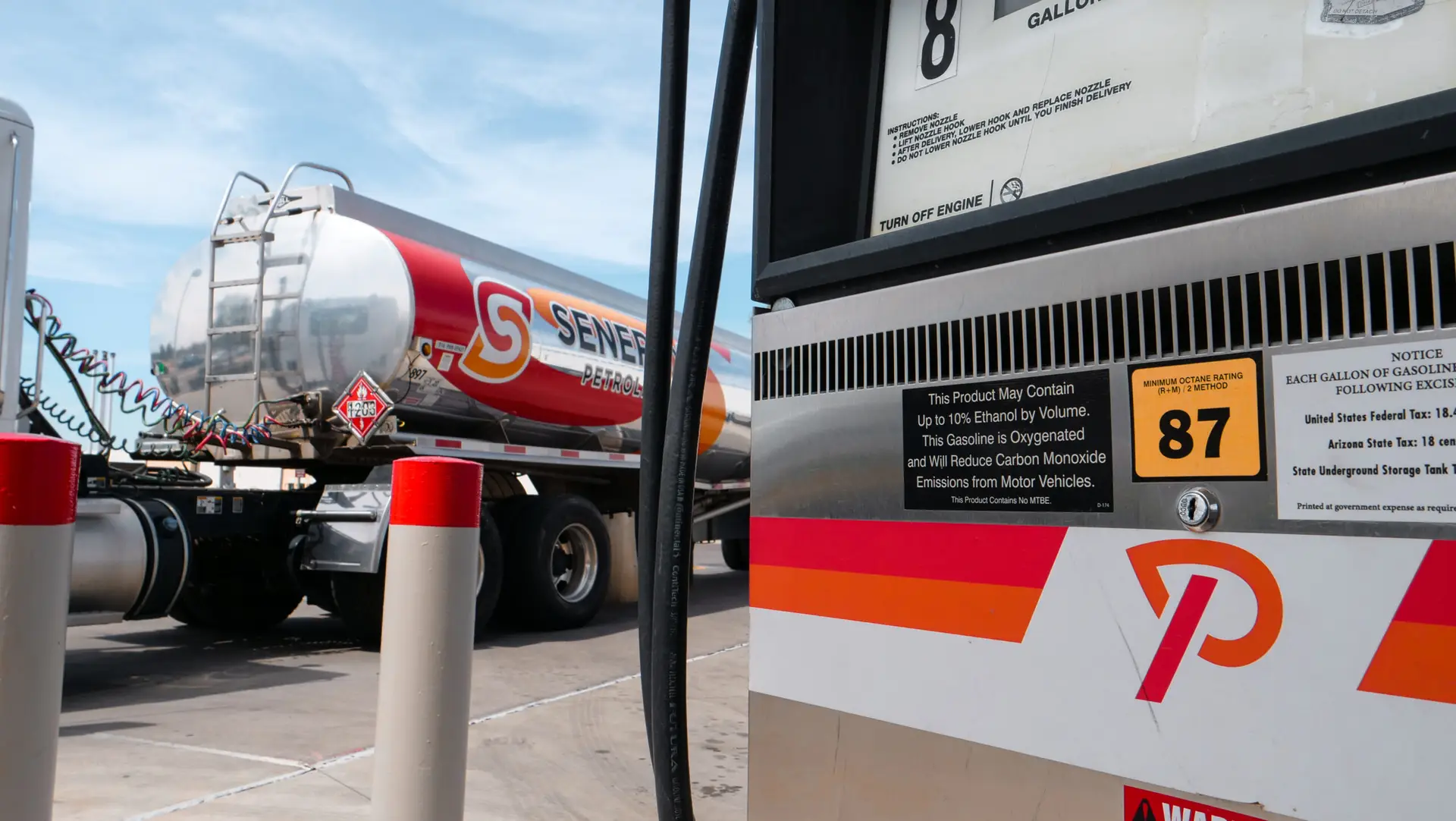
Cardlock locations are operationally designed to support commercial vehicles and high-volume fueling. These sites typically feature high-flow diesel dispensers, wide lanes for trailer maneuverability, and streamlined layouts that minimize congestion. With 24/7 access and faster fueling times, drivers can reduce idle time and maintain tighter delivery schedules.
In contrast, retail stations may offer greater convenience for fleets operating within dense urban grids or managing frequent short-distance routes. Their proximity to delivery points and city hubs can make them a practical option for localized operations or unexpected fuel needs.
When evaluating the driver experience, fleets often consider pump speed, network coverage, hours of operation, and ease of transaction reconciliation. A balanced fueling strategy frequently delivers the best results.
Many fleets adopt a hybrid approach—utilizing cardlock fueling for scheduled long-haul routes and high-volume usage, while leveraging retail locations for local or emergency stops. This strategy supports driver efficiency without sacrificing cost control or operational performance.
How to Choose the Best Fueling Strategy
There is no one-size-fits-all fueling solution. The right strategy depends on fleet size, routes, vehicle types, and operational priorities. Long-haul and high-volume fleets often gain greater cost control and reporting advantages with cardlock fueling, while retail stations offer flexibility for urban and last-mile operations.
Many fleets benefit from a hybrid model—using cardlock for predictable, high-volume fueling and retail for convenience when needed.
When evaluating providers, prioritize network coverage, reporting capabilities, product controls (diesel, gasoline, DEF), and transparent pricing. Start with a small rollout, measure performance and billing accuracy, and expand based on clear ROI.