Cardlock vs. Retail Fueling: Which Is Better for Fleet Operations?
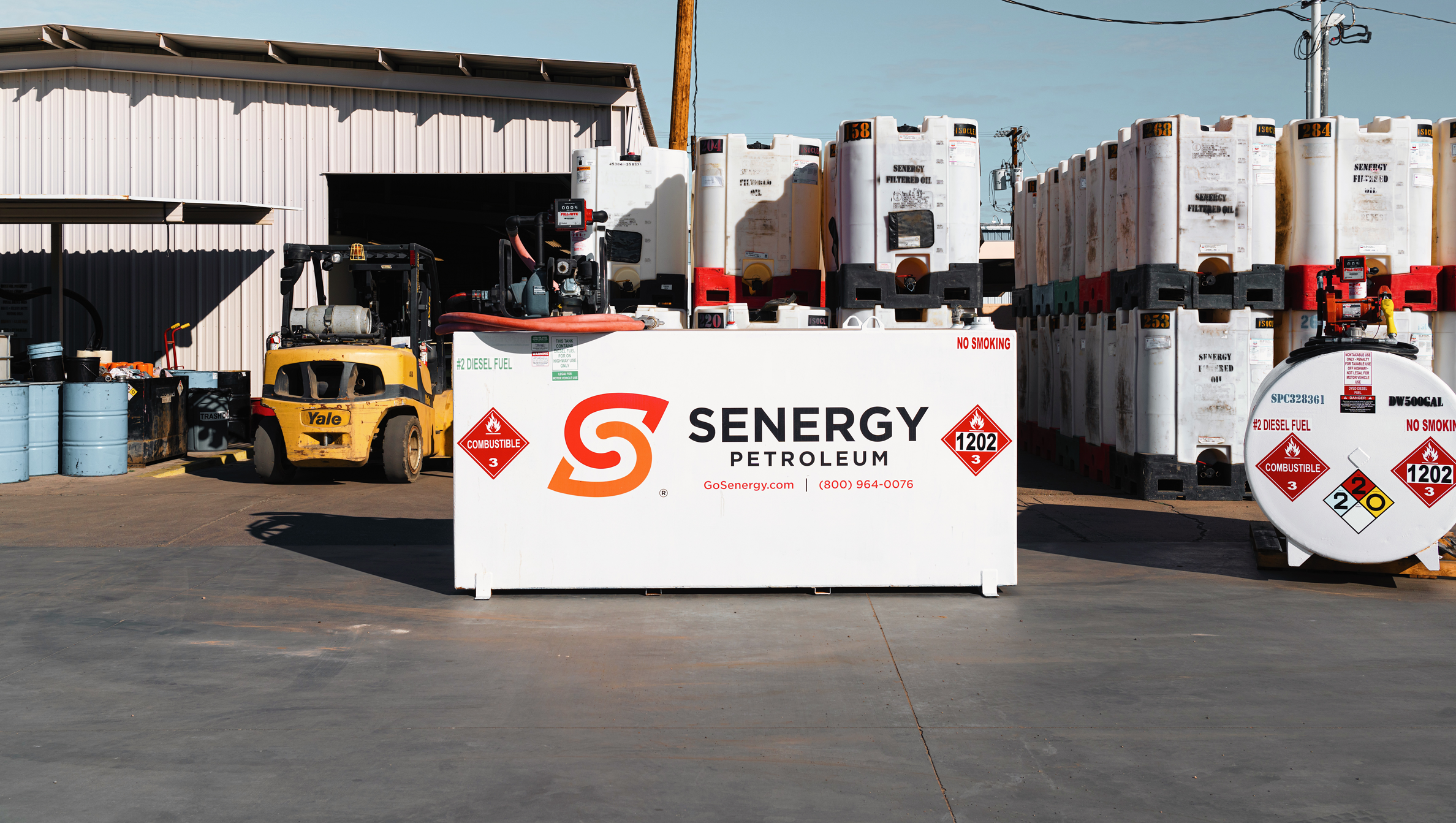
Cardlock fueling is a type of business fueling whereby the fleets are issued with account related playing cards where they access unattended fueling web sites specifically built to handle vehicles and business vehicles. In contrast to the retail fuel line stations, which cater to the general populace, cardlock web sites are aware of the high-speed, dependable access to, high- float pumps, and 24/7 access. Fleet cards are usually pin-enabled and can be restricted by way of means of product (diesel vs. fuel), gallon restriction, time restriction and geographic area which contribute in tightening the operation controls. To fleet managers, cardlock fueling becomes a core aspect of management that contributes to the current fleet gasoline control systems: the records of transactions are directed into dashboards and reporting software, and it becomes easier to reconcile and identify anomalies. The stations reduce downtimes of long-haul and local fleets since they are situated along the majority of key delivery routes and within business areas. Cardlock packages are commonly charged on internet phrases and may employ price-plus or negotiated pricing which is not consistent with pump pricing; a structural motive fleets are drawn to direction towards cardlock responses to foreseeable cost planning.
The working of the retail fueling and the places where it still prevails
Retail fueling is the traditional branded or unbiased fuel stations which are used by the general population. Retail stations are everywhere, including comfort shops and provider attendants, and often seat down in urban/suburban locations that may be convenient in delivering last-mile deliveries or short routes nearby. Retail networks can also be victorious in terms of comfort and wide geographic reach in fleets that operate regularly within towns or that need ad-hoc fueling of small vehicles. Retail pumps also receive customer credit/debit and many business gasoline playing cards based upon emblem networks, and this can be useful when cardlock recognition is in the offing. Nonetheless, retail fueling typically has significantly fewer granular buy controls (e.g., product controls and gallon/kind controls) and more publicity to pump fee volatility and makes long-duration fuel cost management complicated to high-mileage operations. Nevertheless, combined fleets that desire to access occasionally the most crucial truck paths or drivers who terminate a course in a metropolis hub like it is valuable to have retail.
Fuel price control: cardlocks purchase and pricing benefits
The difference in the structure of pricing and price management is one of the most conspicuous variations between cardlock fueling and retail fueling. The negotiated or price-plus rates offered via cardlock applications are often based on rack or wholesale indexes versus the published pump rate; that form often results in reduction in per-gallon charges to large-scale clients. Fleet managers are able to establish purchase rules and limits at the cardboard or car level and access consolidated bills, which saves time with the administration and makes reporting tax/exemption straightforward. These controls are inflated with information analytics in fleet fuel management frameworks to highlight outliers and route inefficiency to enable focused interventions that reduce burn rates. Comparatively, retail fueling exposes fleets to two unbiased price points and necessitates a higher amount of guide reconciliation and additional vulnerability to local pump variability which makes gasoline price less manageable with poor reporting and contractual agreement bargaining. In the case of fleets that seek good margins, cardlock most often serves as the more predictable gasoline price managing device.
Fleet gasoline control: reporting, fraud prevention and information
Contemporary fleet gasoline management is based on transaction granularity. Cardlock fueling systems are typically built in such a way that they feed line-object transaction data that drives force ID, automobile number, pump location, type of gasoline, gallons and timestamp directly into fleet control systems. This data allows the use of computerized audits and identification of anomalies (e.g. the purchase of gasoline off-course or unusual gallonage), and can be combined with telematics to monitor the MPG and the presence of protection triggers. Limiting purchases to specific products (no more fuel purchase on diesel accounts) and limiting purchases to a specific number in a transaction can also be implemented with cardlock playing cards in order to reduce theft. Retail transactions often provide significantly less element until the retail society is a component of a branded gasoline card application that has reporting facilities. To comply, reclaim tax, and allocate prices across all gadgets or jobs, cardlock-enabled reporting is widely used to save guide work and enhance accuracy is a win-win activity on both accounting and operations.

Operational performance and motive force feast
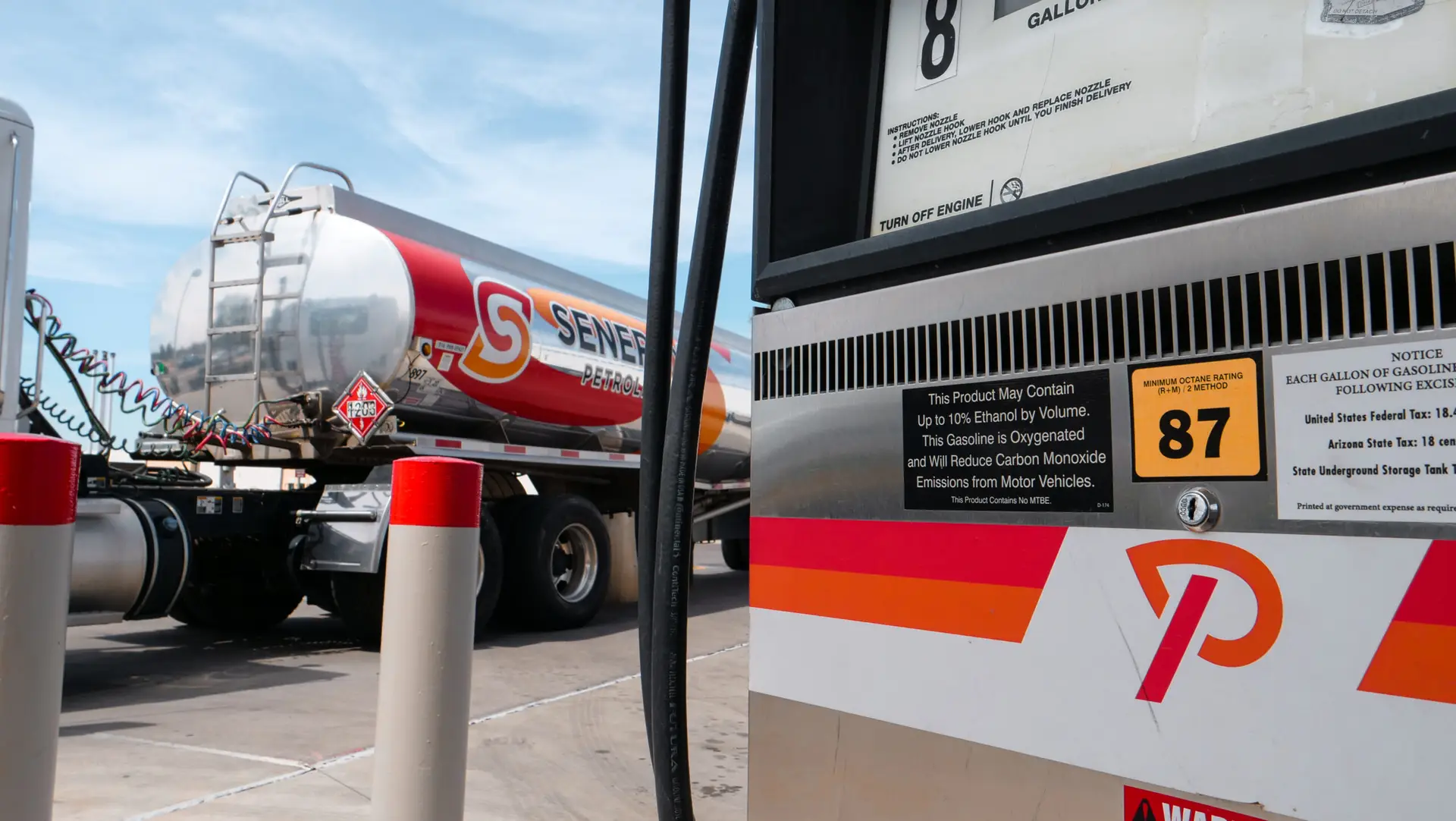
Cardlock web sites are operationally built to provide the speed and the access of the trucks: the higher-waft diesel dispensers, the space where the trailers can move around, the minimal distractions on the webpages. Faster fueling among drivers and 24/7 access to lessen idle time and help fleets to make schedules. However, although drivers operate on the grid of a busy city or deliver a lot of short-distance routes, retail stations near the points of paths can be even more convenient. The ideal balance in the perfect revel in is the velocity of the pump, reputation footprint, number of hours in action and ease of reconcile receipts. Most fleets find that scheduled long-haul or large quantity routes that are coupled with cardlock fueling and local and emergency stops using retail instead provide the satisfactory real global motive force to revel in at the same time as it does not compromise its fee management and performance.
Selecting the appropriate strategy: natural cardlock, natural retail or hybrid
One does not always have a universal solution. The choice consists of fleet size, path geography, automobile types, and chance tolerance. Massive local and long fleet typically benefit maximum out of cardlock fueling owing to gas worth manage, efficiency, and small fleet gas management reporting. Retail admission can also be convenient in city fleets and contractors who have numerous city stops. The nice stability of value manage and motive force convenience is frequently provided by a hybrid model the use of cardlock since the spine provides predictable, high-extent fueling and retail provides flexibility and last-mile wants. Community density and center routes, reporting and API capabilities to support telematics, product controls (diesel vs. gasoline, DEF), and self-evident pricing models are all higher in priority when choosing companies to work with or designing an application. Test this system on a limited roll of vehicles, in degrees of gallons per vehicle based on mile and bill reconciliation growth, then primarily judged totally on quantifiable ROI.