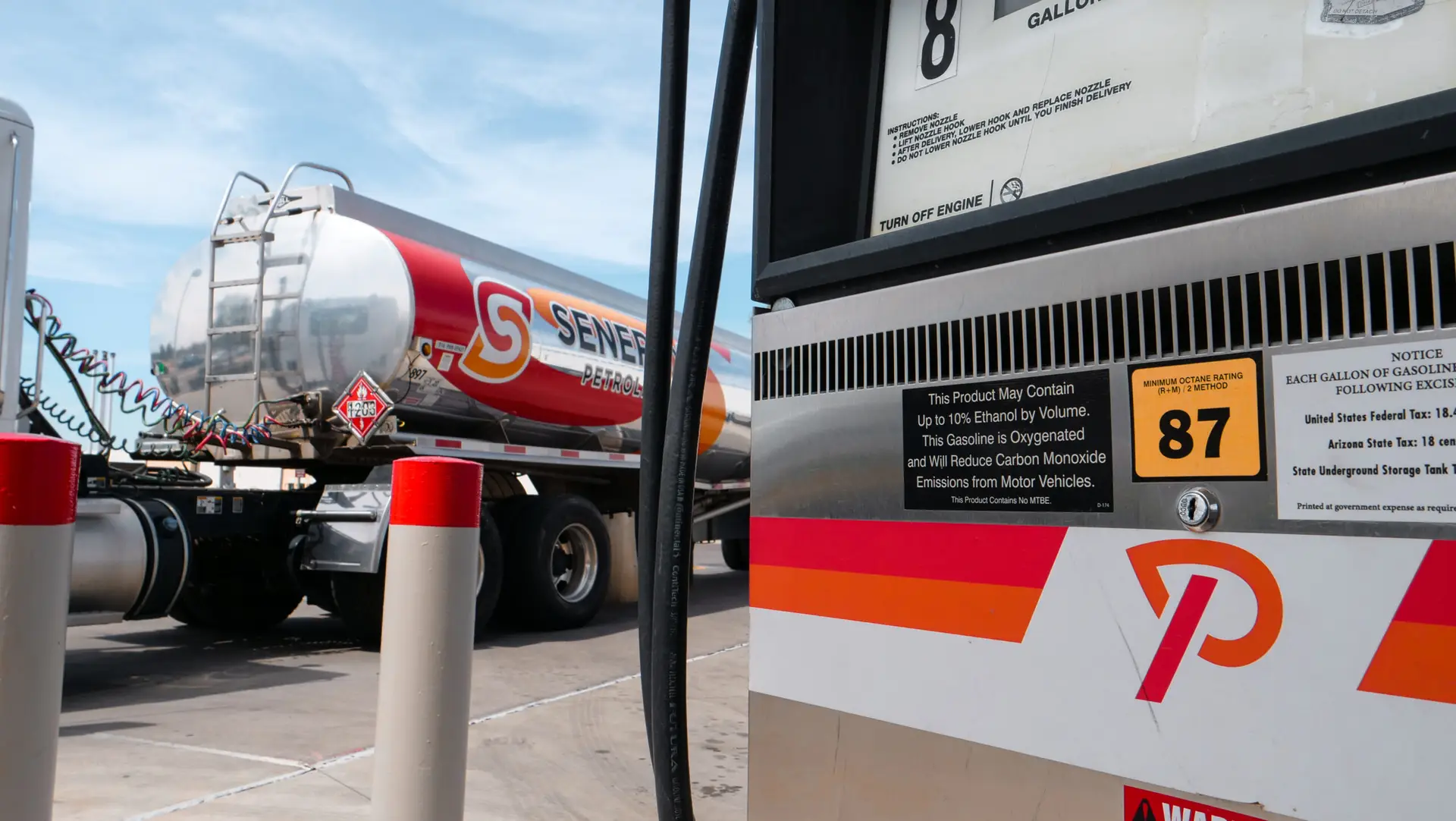
Cardlock Fueling: How It Saves Your Fleet Time & Money
Cardlock fueling is a specialized fleet fueling system designed for commercial use. These sites are not open to the public; instead, access is restricted to authorized users through a membership-based model. Drivers are issued secure cardlock fuel cards that are linked directly to a company account, creating a controlled and efficient fueling process.
To refuel, the driver swipes the card, enters a PIN or vehicle code, and activates the pump. Key data points—such as fuel type, volume, location, and time—are automatically recorded. Most cardlock locations operate 24/7 and are strategically positioned near major roadways, industrial areas, and distribution centers, supporting efficient fueling for fleets operating on tight schedules.
A defining advantage of cardlock fueling is the level of automation and control it provides. Fleet managers can monitor fueling activity in real time, set usage parameters, and analyze fueling patterns without the need to manage paper receipts. This structured approach enhances operational visibility and simplifies oversight.
Cardlock fueling delivers a streamlined, secure, and data-driven solution for fleet operations. It transforms fueling into a more efficient process while supporting improved cost control and operational consistency.
The Need for a More Efficient Fleet Fueling System
Fueling is one of the highest operational costs for fleet-based companies. Traditional fueling methods—such as retail fuel stations or driver reimbursements—create inefficiencies, waste time, and increase expenses.
Retail fueling locations do not accommodate fleets well. Larger vehicles struggle to maneuver, fueling takes longer, and diesel access is sometimes limited. These challenges disrupt operations and complicate fleet management.
Limited visibility also creates common issues. Without centralized fuel tracking, monitoring consumption becomes more difficult and increases the risk of waste, misuse, or unauthorized transactions. Cardlock fuel cards solve these challenges by providing a controlled fueling environment. All transactions flow through a single platform, which improves transparency and simplifies expense management.
Fleet operations rely on speed and reliability. Inefficient fueling processes delay schedules and reduce productivity. Cardlock fueling improves operational efficiency by offering high-speed pumps and dedicated fueling lanes that support faster turnaround times.
A structured, data-driven fueling approach helps companies move beyond traditional methods and implement systems that improve efficiency, strengthen oversight, and support cost control.
Saving Time with Cardlock Fueling
Time directly impacts productivity in fleet operations, and cardlock fueling is designed to minimize delays. One of its primary advantages is the elimination of long queues commonly found at retail fuel stations. Cardlock sites are built for commercial vehicles, with wider lanes and high-speed pumps that enable faster, more efficient fueling.
Continuous availability is another key benefit. Cardlock locations operate 24/7, allowing fleets to refuel at any time, including during overnight and early-morning shifts. This flexibility supports uninterrupted operations and better scheduling.
Cardlock fueling also reduces unnecessary downtime. With limited on-site amenities, drivers can remain focused on fueling and returning to their routes. Additionally, cardlock networks are strategically positioned along major transportation corridors, reducing the need for detours and helping fleets stay on schedule.
By reducing time spent at fueling stops, cardlock systems support greater productivity, faster delivery timelines, and more efficient use of fleet assets.
Fuel Costs and Controlled Fueling
Fuel represents a significant expense for fleet operators, making cost control a priority. Cardlock fueling provides multiple opportunities to reduce overall fuel-related spending while improving financial oversight.
One of the primary advantages is access to wholesale-based pricing. Cardlock providers typically offer contracted fuel rates that are more stable and often lower than retail pricing, helping fleets better manage fuel costs over time.
Control measures also play a critical role in cost savings. Cardlock fuel cards can be configured with specific restrictions, including fuel type, transaction limits, and approved fueling locations. These controls help ensure that purchases align with company policies and reduce the risk of unauthorized use.
Enhanced reporting capabilities further support cost management. Detailed transaction data allows fleet managers to monitor consumption, identify inefficiencies, and track higher-usage vehicles. This level of visibility enables more informed decision-making and improved fuel management strategies.
Administrative efficiency is another benefit. Automated invoicing and consolidated reporting reduce the time and resources required for accounting and expense reconciliation.
Additionally, faster fueling contributes to indirect savings by minimizing downtime. Increased vehicle uptime supports higher productivity and improved revenue potential.
By combining competitive pricing, controlled usage, and data-driven insights, cardlock fueling delivers measurable cost savings and strengthens overall fleet profitability.
Improved Security with Cardlock Fuel Cards
Security is a critical component of fleet fueling, as unauthorized use and fuel theft can lead to significant financial losses. Cardlock fueling systems incorporate advanced security features designed to protect businesses and maintain control over fueling activity.
Cardlock fuel cards are assigned to specific drivers or vehicles, creating full traceability for every transaction. Administrators can implement strict controls, including fuel type restrictions, transaction limits, and approved fueling times, ensuring that all activity aligns with company policies.
Real-time monitoring further strengthens security. Fleet managers can receive alerts for unusual activity, such as transactions in unexpected locations or attempts to exceed preset limits. This visibility enables quick response and helps reduce the risk of misuse.
By eliminating the need for cash or traditional credit cards, cardlock systems reduce exposure to loss or unauthorized spending. In addition, access-controlled fueling locations help ensure that only approved users can dispense fuel.
With enhanced controls, monitoring, and restricted access, cardlock fueling provides a secure and reliable solution for managing fleet fuel usage.
Turning Fuel Data into Smarter Fleet Decisions
One of the most valuable advantages of cardlock fueling is the level of data visibility it provides. Every fueling transaction is recorded, creating a comprehensive view of fleet fueling activity. This data typically includes fuel volume, transaction time, location, and driver or vehicle identification.
Access to detailed information enables fleet managers to identify trends and uncover opportunities for improvement. It becomes easier to pinpoint high-consumption vehicles, evaluate route efficiency, and detect irregular usage patterns. These insights support more informed decision-making and operational optimization.
Integrated reporting tools further enhance efficiency by simplifying financial processes. Fueling data can be aligned with accounting systems, improving accuracy and reducing the time required for reconciliation and reporting.
Data insights also support long-term planning. By analyzing usage patterns, companies can better forecast fuel expenses, negotiate more favorable pricing, and refine operational strategies.
In a competitive operating environment, access to reliable data is a key advantage. Cardlock fueling transforms routine transactions into actionable insights that strengthen fleet management and overall performance.
Why Cardlock Fueling Outperforms Traditional Fleet Fueling Methods
Cardlock fueling delivers greater efficiency, control, and cost management compared to traditional fueling methods. Public fuel stations are often time-consuming and not designed for commercial fleet vehicles. Limited access, congestion, and tight maneuvering space for larger trucks can lead to delays and potential safety concerns.
In contrast, cardlock fueling sites are designed specifically for commercial use. These facilities offer faster service, dedicated fueling lanes, and improved accessibility, all of which support the operational demands of fleet vehicles.
Operational control is also significantly improved. Traditional fueling methods often rely on paper receipts and manual tracking, which can introduce errors and inefficiencies. Cardlock systems replace these processes with automated, real-time transaction data, improving accuracy and oversight.
Cost control is another key advantage. Retail fuel pricing can fluctuate and often includes additional markups, whereas cardlock programs typically offer more consistent, contracted pricing structures.
Security is strengthened through controlled access and detailed transaction tracking, helping reduce the risk of unauthorized use or fuel theft.
Overall, cardlock fueling provides a more efficient, secure, and cost-effective alternative to traditional fueling methods, delivering measurable benefits for fleet operations.
Building a Smarter Fleet Fueling Strategy
Developing an effective fleet fueling strategy requires planning and the right technology. Cardlock fueling serves as a foundation for a scalable and cost-efficient approach.
Fleet operators should first assess key needs such as vehicle types, routes, and fuel usage to select the most suitable network. Clear fueling policies—covering limits, locations, and driver guidelines—can then be implemented and enforced through cardlock fuel card controls.
Integration with fleet management systems enhances real-time tracking and reporting, improving visibility and efficiency. Regular analysis of fuel data also helps identify inefficiencies and reduce costs.
Partnering with a reliable cardlock provider ensures consistent service, stronger control, and long-term operational support.