Bulk Fuel Supply: Pros and Cons for Businesses
Businesses that depend on fuel every day, including trucking companies, construction firms, farms, manufacturers, and emergency operations, need a dependable way to keep equipment moving. Bulk fuel purchasing has become a practical option for organizations that require steady access to diesel, gasoline, and other fuel products without relying only on retail stations. A well-planned fuel strategy can improve operations, reduce interruptions, and provide better control over fuel expenses.
Choosing the right fuel approach requires understanding both the advantages and challenges involved. Bulk Fuel Supply can offer convenience through scheduled deliveries, on-site storage, and improved inventory management. However, businesses must also consider storage requirements, fuel quality monitoring, safety practices, and compliance responsibilities before making a decision.
Overview
- Bulk fuel supply can help businesses reduce fueling trips, improve inventory control, and maintain fuel availability through on-site storage and scheduled deliveries.
- It can support fleets, construction companies, agricultural operations, and industrial businesses by making fuel access more convenient and reducing fueling-related interruptions.
- Challenges include storage costs, fuel contamination risks, maintenance needs, and compliance responsibilities.
- Choosing the right supplier requires evaluating fuel quality, delivery reliability, monitoring systems, and support services.
- Proper fuel management helps protect engines, improve performance, and support long-term business operations.
What Is Bulk Fuel Supply and How Does It Work?
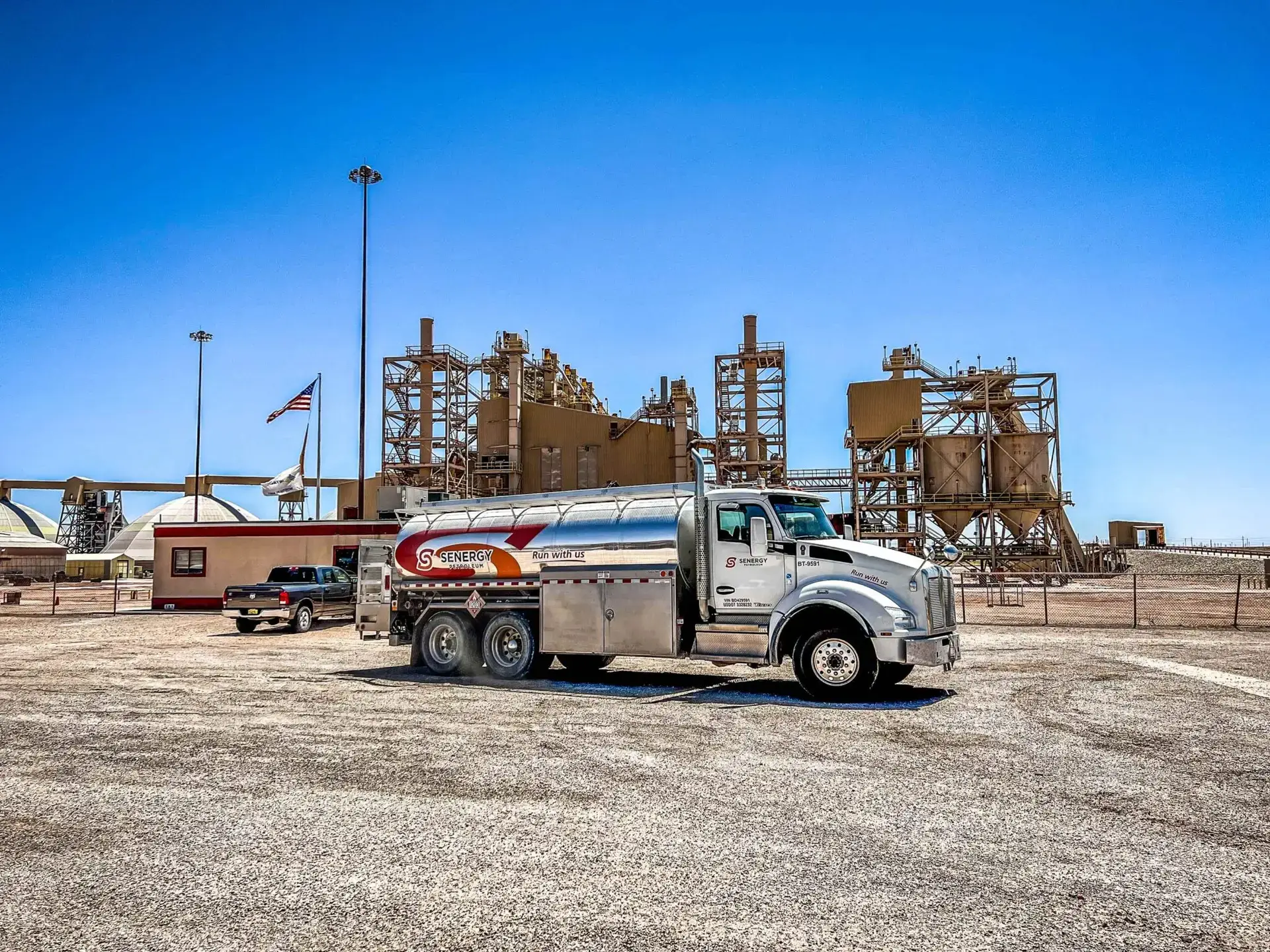
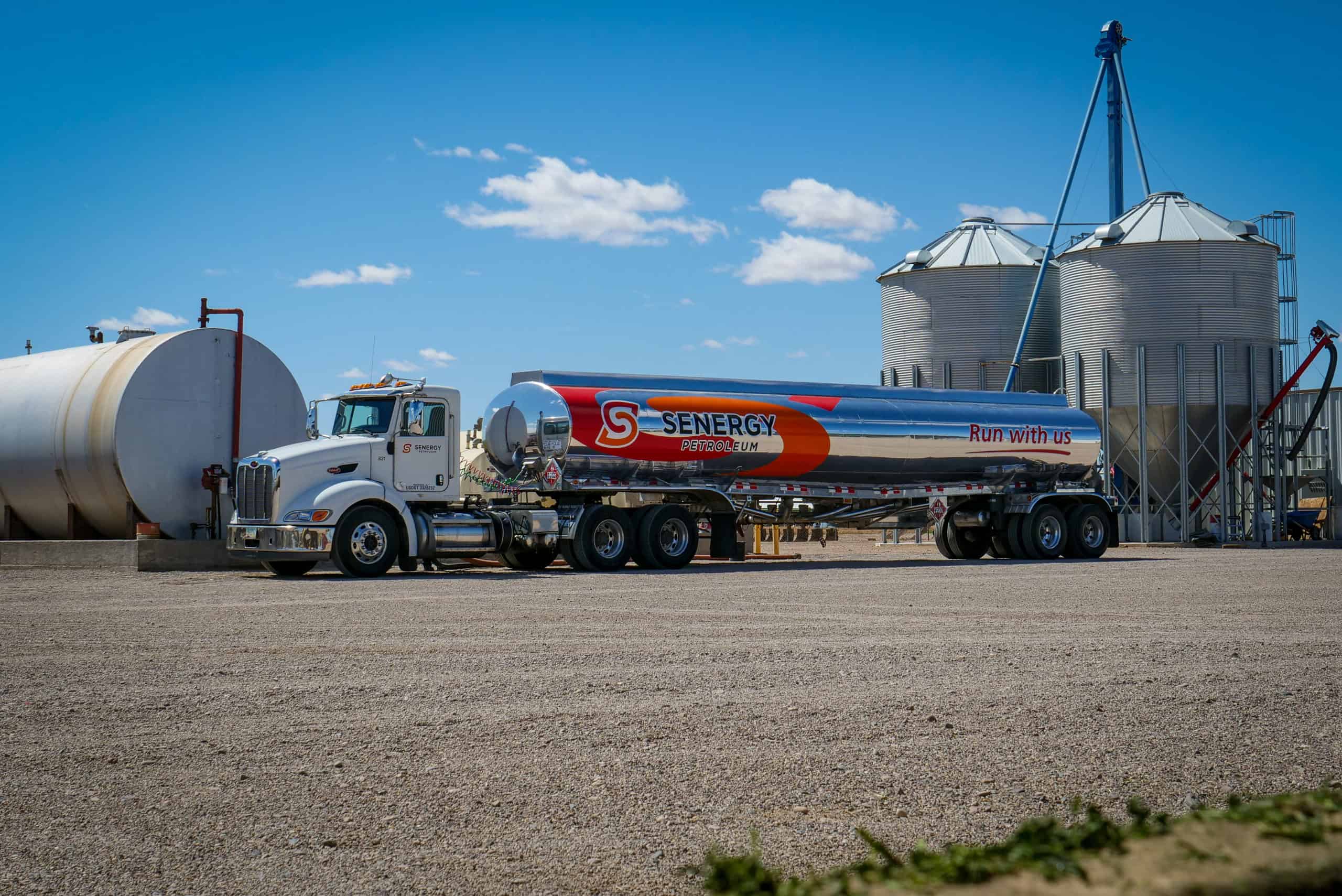
Bulk Fuel Supply refers to purchasing and storing large quantities of fuel directly for business operations instead of buying smaller amounts from public fueling locations. This method is commonly used by commercial fleets, agricultural businesses, construction companies, warehouses, and industrial facilities that consume significant amounts of fuel. Businesses typically work with a fuel distributor that delivers diesel, gasoline, renewable diesel, biodiesel, or other approved fuel types directly to their location.
The process usually involves selecting the proper fuel storage tank, determining delivery schedules, and managing fuel inventory levels. On-site fueling allows companies to refuel trucks, generators, heavy machinery, and other equipment without sending workers away from the job location. This can support faster equipment turnaround and reduce operational delays.
Fuel quality is another important part of the process. Businesses need to monitor issues such as water contamination, sediment, microbial growth, and fuel degradation. Proper filtration, tank maintenance, and fuel testing help protect components such as fuel injectors, fuel pumps, and filters while supporting reliable engine performance.
Key Benefits of Bulk Fuel Supply for Businesses
One of the biggest advantages of Bulk Fuel Supply is improved control over fuel purchasing. Companies that buy fuel in larger volumes may have access to different pricing structures or contract options, depending on the supplier, volume, and market conditions. This can be valuable for businesses that operate large fleets or use fuel-intensive equipment throughout the year.
Another benefit is convenience. With Commercial Fuel Delivery, companies can receive fuel directly at their workplace, construction site, farm, or industrial facility. This reduces the need for drivers and operators to make additional trips for refueling. For businesses managing tight schedules, having fuel available on-site can help reduce downtime and keep daily operations running smoothly.
Bulk fueling also supports better fleet management. Many suppliers offer fuel monitoring systems that track consumption, inventory levels, and usage patterns. These tools can help businesses identify unusual consumption, monitor inventory, and make more informed purchasing and budgeting decisions. Maintaining clean, properly specified fuel can help protect fuel-system components and reduce the risk of contamination-related problems.
Potential Disadvantages and Challenges of Bulk Fuel Supply
Although bulk fueling provides many operational benefits, it also comes with responsibilities. Businesses must invest in suitable fuel storage tanks, pumps, monitoring equipment, and safety measures. Storage capacity must match fuel demand while avoiding long storage periods that may increase the risk of fuel degradation.
Fuel contamination is another concern. Stored fuels can be affected by water, sediment, rust, and other contamination. Diesel fuel can also support microbial growth when water is present. Poor fuel quality may lead to injector clogging, filter plugging, rough idling, reduced power output, and increased engine wear. Regular inspections and proper storage practices are necessary to maintain fuel performance.
Companies must also follow environmental and safety requirements. Fuel storage may be subject to federal, state, and local requirements involving tank installation, spill prevention, secondary containment, fire safety, environmental protection, and permitting. The specific requirements depend on factors such as fuel type, storage capacity, tank configuration, and location.
Bulk Fuel Supply vs Retail Fueling and Fuel Cards
Businesses often compare bulk fueling with retail fueling options and fuel card programs. Retail fueling provides flexibility because vehicles can refuel at many locations, but it may create challenges for companies that operate large fleets or remote equipment. Frequent trips to fueling stations can increase labor costs and reduce productivity.
Fuel cards provide payment control, purchase tracking, and access to fuel networks. They can be useful for mobile fleets that travel across different regions. However, companies that consume large fuel volumes may prefer having fuel stored on-site for easier access and faster refueling.
Some businesses may use a combination of bulk fuel delivery, on-site fueling, and fuel cards based on where and how their vehicles and equipment operate. The right choice depends on factors such as fuel consumption, equipment location, storage availability, and business goals.
Understanding Fuel Quality and Engine Performance
Fuel quality directly affects engine operation, efficiency, and maintenance requirements. Different fuel properties influence how engines perform under various conditions. For gasoline engines, octane rating, anti-knock index, and volatility are important factors related to combustion performance. Gasoline should meet the octane rating and other fuel specifications recommended by the vehicle or equipment manufacturer. Using fuel with insufficient octane can contribute to engine knock in applications that require a higher rating.
Diesel fuel properties such as cetane number, viscosity, lubricity, cleanliness, sulfur content, and cold-flow characteristics can affect fuel-system operation and combustion performance. These factors influence combustion efficiency, startup performance, and fuel system protection. Contaminated, degraded, or off-specification diesel can contribute to fuel-system problems and poor engine operation.
Businesses may also use additives, detergents, and specialty products to support fuel system cleanliness. Regular fuel testing and maintenance programs help prevent problems before they affect productivity.
How Businesses Can Choose the Right Fuel Supplier
Selecting a fuel supplier requires more than comparing prices. Companies should evaluate delivery reliability, product quality, storage support, emergency response options, and experience serving similar industries. A supplier that understands commercial fleets, construction equipment, agriculture operations, or industrial applications can provide solutions that match specific fuel demands.
Businesses should also review supplier capabilities related to fuel monitoring, inventory management, and compliance support. Businesses should consider whether a supplier offers the delivery scheduling, product documentation, monitoring options, and other services their operation requires.
The future of business fueling continues to change as companies explore renewable diesel, biodiesel, biofuel options, and alternative energy sources. However, diesel and gasoline remain essential for many commercial operations across the United States. By understanding fuel requirements, storage challenges, and operational priorities, businesses can create a fueling strategy that supports efficiency and long-term performance.