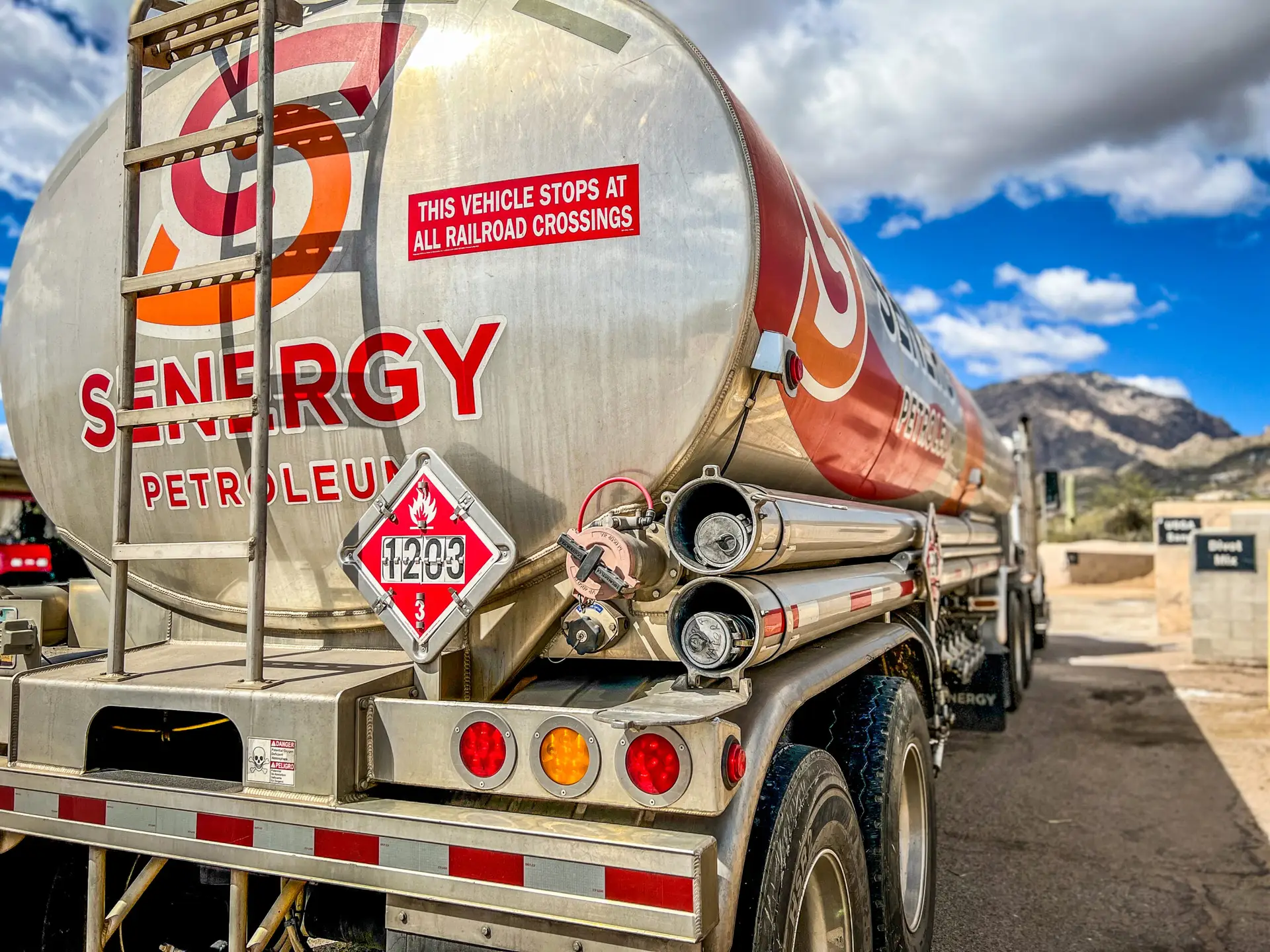
Bulk Fuel Essentials for Industrial Operations
Industrial bulk fuel serves as more than a stored energy source; it functions as a strategic asset that supports entire operational systems. From manufacturing facilities and mining operations to logistics hubs, bulk fuel ensures that machinery, generators, and transport fleets operate without interruption.
In today’s industrial landscape, energy demand is continuous and often difficult to predict. As a result, bulk fuel storage is a critical operational requirement rather than a convenience. By maintaining on-site fuel reserves, organizations reduce exposure to supply chain disruptions and fuel market fluctuations.
Industrial bulk fuel systems typically consist of storage tanks, delivery infrastructure, monitoring technology, and integrated safety controls. Together, these components ensure fuel is available precisely when it is needed. This coordinated system supports efficient fuel logistics and helps maintain consistent operational performance.
Scalability is another key advantage. As operations grow, bulk fuel systems can be expanded or adapted to meet increasing demand without requiring a complete system replacement. This flexibility supports long-term operational continuity and business growth.
Ultimately, industrial bulk fuel plays a vital role in sustaining productivity. It enables organizations to maintain focus on core operations by ensuring dependable fuel availability, contributing directly to efficiency, reliability, and overall operational success.
The Role of Fuel Logistics in Reliable Industrial Operations
Fuel logistics plays a central role in keeping industrial operations running efficiently. It encompasses the planning, transportation, storage, and distribution of fuel across multiple operational sites. Without a well-structured logistics system, even highly equipped facilities can experience operational disruptions.
Timing is one of the primary challenges in fuel logistics. Fuel must be delivered to the right location at the right time to prevent shortages or excess inventory. Delays in delivery can lead to production downtime, while overstocking can increase storage risks and tie up operational capital.
Modern fuel logistics systems depend on coordinated planning and advanced forecasting. This includes route optimization, demand planning, and supplier coordination to ensure a consistent and reliable fuel supply across all operations.
Regulatory compliance is another critical component. The transportation and storage of fuel must meet strict safety and handling standards. Effective fuel logistics ensures these requirements are met, reducing operational and regulatory risk.
Fuel logistics also contributes to cost efficiency. By streamlining delivery schedules and reducing unnecessary transport activity, organizations can optimize operational spending and improve overall efficiency.
In essence, fuel logistics forms the backbone of industrial fuel management. It ensures energy resources are delivered efficiently and reliably, supporting uninterrupted operations and sustained productivity.
Best Practices for Effective Bulk Fuel Storage Systems
Bulk fuel storage systems are a critical component of industrial operations and must be designed with precision to ensure safety, efficiency, and reliability.
A primary consideration is tank selection. Tanks should be properly sized based on fuel consumption and operational demand. Oversized tanks can contribute to fuel quality issues over time, while undersized tanks may lead to frequent refills and operational downtime.
Placement is equally important. Storage tanks should be positioned in accessible locations for delivery while remaining safely distanced from high-traffic operational areas and potential ignition sources. Proper site layout supports efficient workflow and reduces operational risk.
Implementing secondary containment systems is also a standard best practice. These systems are designed to provide additional protection in the event of leaks or spills, helping maintain compliance with safety regulations and supporting responsible site management.
Routine inspection and maintenance are essential for system reliability. Regularly monitoring fuel levels, checking for leaks, and maintaining equipment integrity helps prevent unexpected failures and service interruptions.
Advanced storage systems may also include monitoring technology that provides real-time visibility into fuel levels and usage patterns. This enables more accurate planning and reduces the likelihood of supply shortages.
By following these best practices, organizations can maintain dependable bulk fuel storage systems that support continuous operations and improve overall efficiency.
Diesel Supply and Bulk Fuel Techniques
Operations uptime is a critical performance metric in industrial environments. Any disruption in fuel supply can result in halted production, missed deadlines, and significant financial impact.
Reliable bulk fuel systems play an essential role in maintaining uptime. By storing fuel on-site, businesses reduce reliance on external supply chains and ensure immediate fuel availability when needed.
On-site fuel delivery further strengthens operational reliability. Instead of depending on off-site refueling, fuel is delivered directly to the facility, reducing delays and minimizing operational interruptions.
Effective inventory management is another key factor. Maintaining optimal fuel levels ensures operations continue without interruption while avoiding issues related to overstocking or supply shortages.
Emergency preparedness is also a critical component of uptime strategy. Industrial facilities benefit from having contingency plans in place, including backup fuel reserves and alternative supply arrangements.
Technology further enhances uptime reliability. Real-time monitoring systems provide visibility into fuel levels and can support automated replenishment processes, helping ensure continuous availability.
Ultimately, maintaining operations uptime requires a combination of dependable supply, structured inventory management, and proactive planning. Industrial bulk fuel systems provide the operational foundation needed to support these outcomes.


Cost Efficiency and Financial Benefits of Bulk Fuel
Bulk fuel procurement provides significant cost advantages for industrial operations. One of the primary benefits is access to wholesale pricing, which is typically more cost-effective than retail fuel rates.
By purchasing fuel in large volumes, organizations can reduce per-unit costs and improve overall budget predictability. Establishing long-term supply agreements can also help stabilize pricing and reduce exposure to market fluctuations.
Reduced transportation costs are another important advantage. On-site fuel storage eliminates the need for frequent off-site refueling trips, saving both time and operational resources.
Operational efficiency further contributes to cost savings. A consistent and reliable fuel supply helps prevent downtime, supporting uninterrupted productivity and reducing the financial impact of delays.
Bulk fuel systems also help reduce administrative workload. Automated monitoring and reporting tools streamline fuel tracking and management, minimizing manual processes and improving accuracy.
Maintenance costs can be reduced as well. Proper fuel storage and handling practices help prevent contamination and equipment issues, lowering the likelihood of costly repairs and service interruptions.
In summary, industrial bulk fuel systems offer a cost-effective approach to energy management. By optimizing procurement, storage, and consumption, organizations can achieve meaningful financial efficiencies while maintaining consistent operational performance.
Technology and Innovation in Fuel Management
Technology has significantly transformed the way industrial bulk fuel is managed. Modern systems now provide real-time visibility into fuel usage, storage levels, and delivery scheduling.
One of the most impactful advancements is remote monitoring. Sensors installed in storage tanks track fuel levels continuously and notify managers when replenishment is required. This proactive approach helps reduce the risk of fuel shortages and improves operational efficiency.
Data analytics is another important development. By evaluating fuel consumption patterns, organizations can identify inefficiencies and optimize overall usage.
Automation also plays a key role in improving fuel management. Automated delivery scheduling ensures fuel is replenished at the appropriate time, reducing the need for manual coordination and minimizing operational delays.
In fuel logistics, IoT-enabled systems enhance visibility by allowing real-time tracking of fuel shipments. This improves delivery accuracy and supports better planning across operations.
Digital reporting tools further streamline fuel management by providing detailed insights into consumption, costs, and system performance.
Overall, these technological advancements improve efficiency, strengthen reliability, and support more informed decision-making. By integrating modern tools, industrial operations can achieve more precise and dependable fuel management.
Safety and Compliance in Industrial Bulk Fuel Management
Safety and compliance are essential components of industrial bulk fuel management. The handling of large fuel volumes involves inherent risks, including spills, fire hazards, and operational incidents.
Regulatory compliance ensures that fuel storage and transportation systems meet required safety standards. This includes proper tank design, leak detection systems, and scheduled inspections to maintain system integrity.
Proper training for personnel is critical. Employees must be fully trained on safety procedures, handling protocols, and emergency response measures to ensure fuel is managed safely and consistently.
Routine maintenance and monitoring further support safe operations. Regular inspections help identify potential issues early, reducing the likelihood of equipment failure or safety incidents.
Strong operational procedures and oversight are also key to maintaining compliance. Clear processes for fuel handling, storage, and transfer help reduce risk and improve consistency across operations.
By prioritizing safety and compliance, industrial operations can protect personnel, maintain regulatory adherence, and ensure reliable fuel management.
Building a Resilient Bulk Fuel Strategy
A resilient bulk fuel strategy is essential for long-term industrial success. It combines storage, logistics, technology, and safety into a unified system that supports consistent operations.
It begins with understanding operational fuel needs and partnering with reliable suppliers to ensure steady delivery and continuity. Advanced monitoring systems improve visibility and support more informed decision-making.
Regular evaluation helps identify inefficiencies and keep operations optimized as demands change. Emergency planning, including backup reserves and contingency measures, further strengthens reliability during disruptions.
Overall, a well-structured bulk fuel strategy improves efficiency, supports cost control, and ensures dependable performance across industrial operations.