Choosing the Right Fueling Strategy for Your Business
Fuel expenses are one of the largest ongoing operating costs for companies that rely on commercial vehicles or heavy equipment. Whether you manage a construction fleet, oversee agricultural operations, run municipal services, or coordinate deliveries, choosing the right fueling strategy directly affects productivity, operating costs, and long-term business performance. While retail fueling has been the traditional option for many organizations, more businesses are evaluating whether commercial fueling through scheduled on-site deliveries can provide greater value.
The decision goes beyond comparing the price at the pump. Companies must consider labor, driver productivity, vehicle downtime, fuel availability, inventory control, and future growth. A well-planned fuel management strategy helps reduce unnecessary expenses while ensuring equipment and vehicles remain ready for daily operations. Understanding how each fueling method works is the first step toward selecting the option that best fits your organization’s needs.
Understanding the Difference Between Bulk Fuel Delivery and Retail Fueling
At its core, retail fueling requires drivers or equipment operators to visit public fuel stations whenever vehicles need refueling. Many businesses use fleet fuel cards to simplify purchases and monitor spending, making this approach practical for organizations with only a few vehicles or those operating across wide geographic areas. Since there is no need to install storage equipment, the upfront investment remains relatively low. However, the convenience of retail stations often comes with indirect costs that accumulate over time.
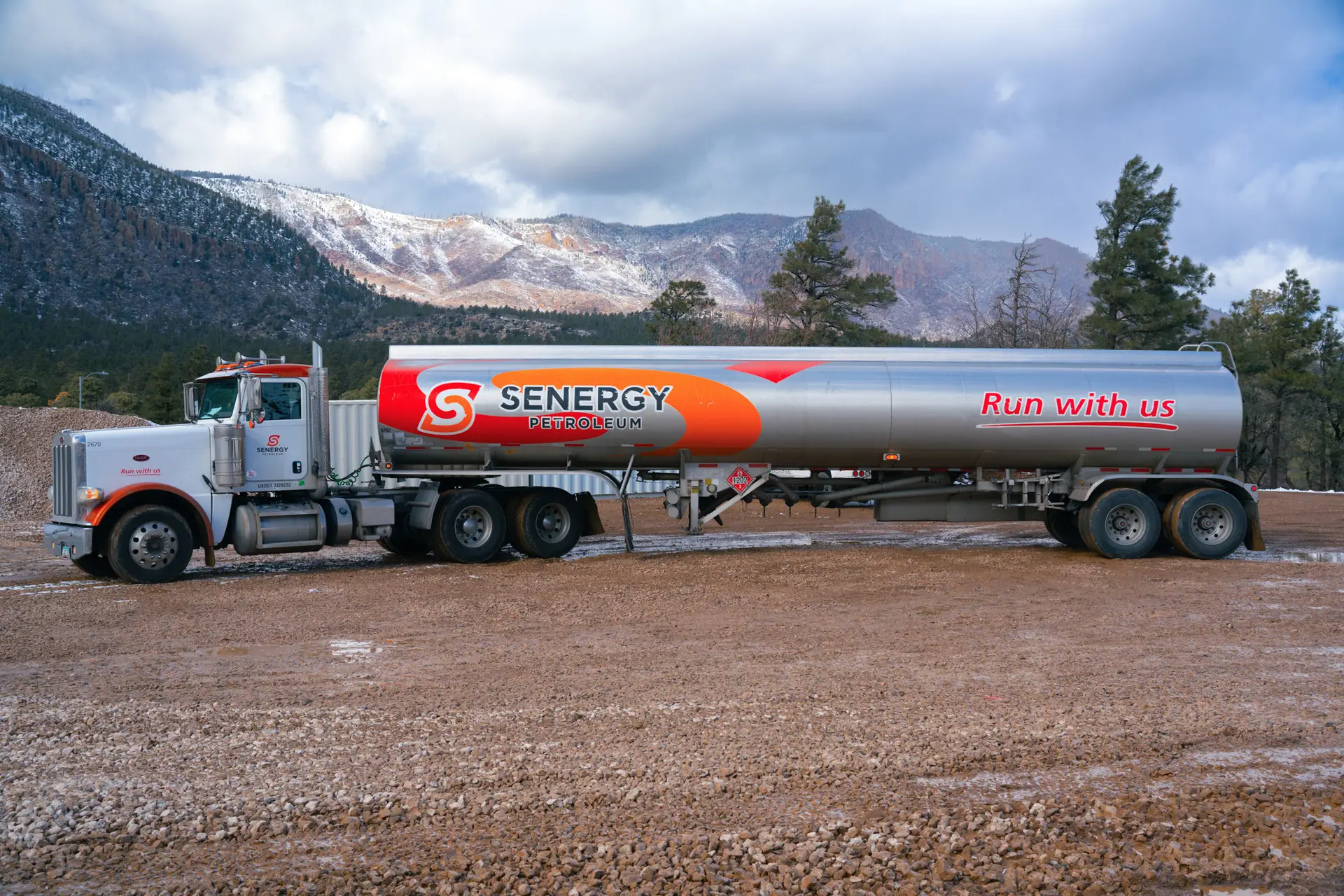
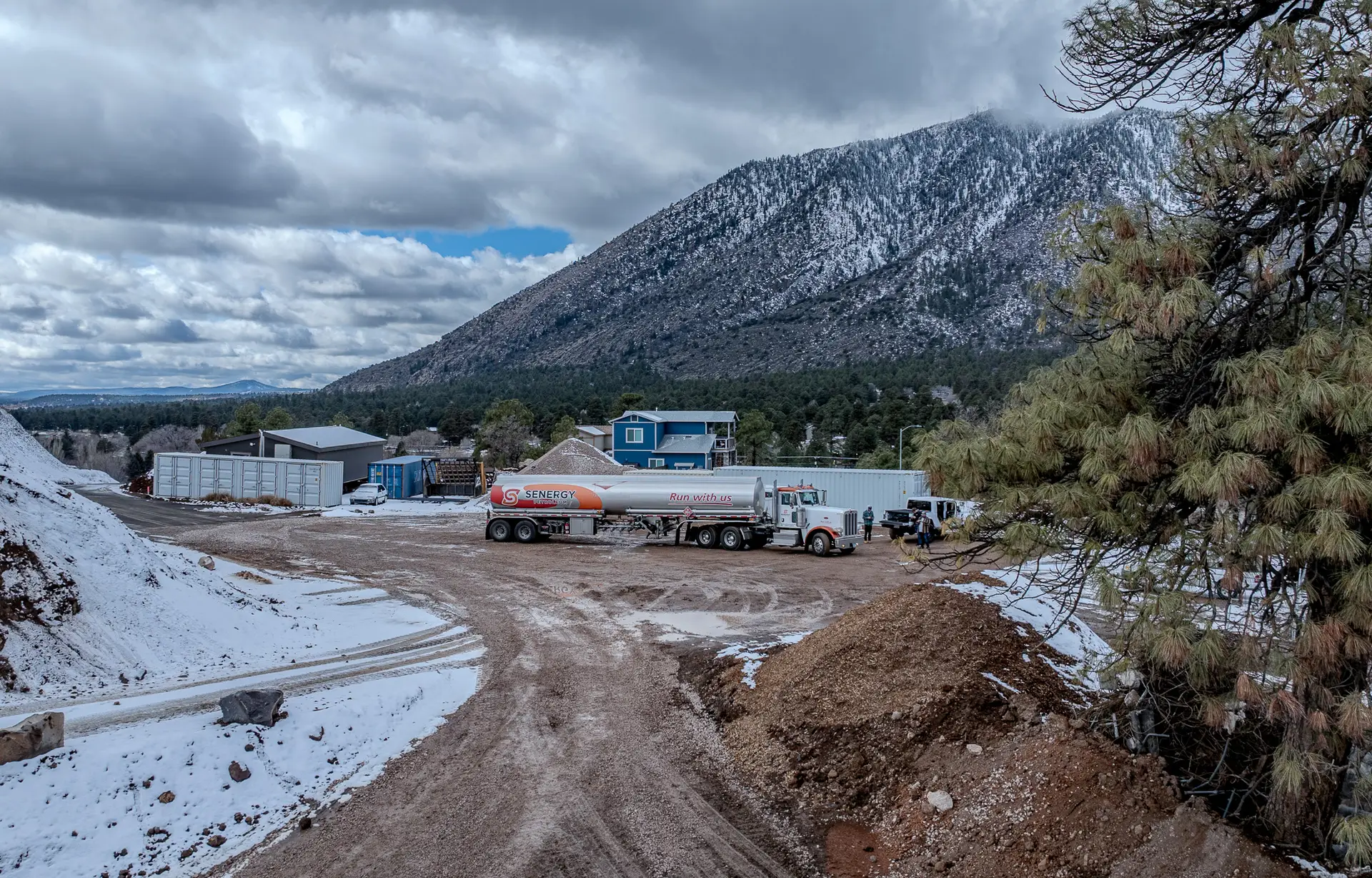
A scheduled bulk fuel delivery program works differently. Fuel suppliers deliver diesel fuel, gasoline, renewable diesel, or biodiesel directly to an on-site storage tank based on planned usage or inventory levels. Businesses gain immediate access to fuel whenever it is needed without sending drivers away from the jobsite. Remote tank monitoring, automated inventory tracking, and fuel monitoring systems allow organizations to maintain accurate fuel inventory while reducing the risk of unexpected shortages. For operations with consistent fuel consumption, this approach creates a more predictable and efficient fueling process.
Comparing Costs Beyond the Price Per Gallon
Many businesses initially compare wholesale pricing with retail pricing, assuming the lowest price per gallon determines the better option. While fuel pricing is important, it represents only one part of the overall financial picture. Retail fueling includes additional expenses that are often overlooked, including employee travel time, vehicle idling, route deviations, administrative oversight, and lost productivity while drivers wait in line at fuel stations. Over months or years, these indirect expenses can significantly increase total operating costs.
A comprehensive cost comparison should also include transportation costs, labor, maintenance, equipment utilization, fuel taxes, and the total cost of ownership associated with each fueling method. Organizations using on-site fuel storage often gain better visibility into consumption patterns, allowing managers to improve budgeting and forecast future demand more accurately. Businesses with larger fleets frequently discover that consistent delivery schedules help stabilize fuel expenses while supporting stronger long-term planning. Calculating return on investment instead of focusing solely on pump prices provides a clearer understanding of which solution delivers greater value.

Operational Efficiency and Fuel Management for Growing Businesses
Operational efficiency often separates successful fleets from those struggling with unnecessary downtime. Every trip to a retail station removes drivers from productive work, whether they operate delivery trucks, construction equipment, utility vehicles, or agricultural machinery. These interruptions reduce fleet utilization, delay project schedules, and increase labor costs without contributing to business output. Even small daily delays can become substantial when multiplied across dozens of vehicles throughout the year.
An organized commercial fueling program strengthens daily operations by making fuel available where vehicles and equipment already work. Combined with effective fuel management, businesses can monitor inventory levels, schedule deliveries before supplies become critically low, and maintain continuous operations during periods of heavy demand. Modern technologies such as GPS fleet tracking, telematics, fuel analytics, and inventory management software provide managers with valuable insights into fuel consumption, driver behavior, and equipment performance. These tools also help reduce fuel waste, improve accountability, and support better decision-making as organizations continue to expand.
Fuel Security, Inventory Control, and Regulatory Compliance
Fuel security has become a growing concern for businesses that depend on reliable daily operations. Retail fueling offers limited control once drivers leave the jobsite, making it more difficult to monitor purchasing patterns, prevent unauthorized transactions, or identify fuel misuse. While fleet fuel cards provide spending reports, they cannot always detect every source of waste or inefficiency. As fleets grow, maintaining visibility over fuel consumption becomes increasingly challenging.
An on-site fueling system gives businesses greater control over inventory and access. Features such as cardlock systems, fuel meters, tank gauges, automated fuel management systems, and remote tank monitoring help track every gallon dispensed. This level of oversight supports inventory reconciliation, strengthens driver accountability, and discourages fuel theft. Companies must also comply with environmental requirements by following proper storage practices, maintaining spill prevention measures, and meeting EPA and OSHA regulations. Investing in secure fuel storage not only protects valuable resources but also helps reduce operational risks and supports long-term business continuity.
Which Industries Benefit Most from Each Fueling Method?
The right fueling approach depends largely on how and where a business operates. Retail fueling remains a practical solution for companies with a small number of vehicles, unpredictable travel routes, or employees working across multiple states. Organizations that do not consume large fuel volumes may find public fueling stations sufficient for their daily needs without investing in on-site infrastructure.
Businesses with higher fuel demand often realize greater value from scheduled delivery services. Construction companies, trucking operations, farms, manufacturing facilities, municipal fleets, utility companies, mining operations, emergency services, and oil and gas businesses typically benefit from keeping fuel readily available at their locations. Equipment fueling becomes more efficient, projects experience fewer interruptions, and managers gain better control over inventory. During severe weather or supply chain disruptions, dependable fuel logistics and emergency delivery services also provide added confidence that essential operations can continue without unnecessary delays.
Choosing the Right Fuel Strategy for Long-Term Business Success
There is no universal answer when comparing retail fueling with scheduled delivery because every business has different operating requirements. Companies should evaluate fleet size, annual fuel consumption, equipment usage, labor costs, geographic coverage, and future expansion plans before selecting a fueling strategy. Looking beyond immediate fuel prices and considering long-term operating efficiency provides a more complete picture of the financial impact.
For businesses experiencing steady growth, investing in a dependable fuel management strategy often delivers benefits that extend beyond fuel savings. Better inventory control, improved productivity, stronger forecasting, enhanced operational visibility, and more efficient resource allocation all contribute to higher profitability over time. Selecting a trusted fuel supplier that understands your industry’s needs allows your organization to build a fueling program that supports both current operations and future growth. By balancing cost, reliability, security, and operational efficiency, businesses can choose a solution that keeps vehicles moving, employees productive, and projects on schedule.