
Bulk Fuel Delivery for Businesses: A Practical Guide to Reliable Fuel Supply
Fuel is a daily operating requirement for thousands of businesses across the United States. Trucking companies need diesel for their fleets, construction crews depend on heavy equipment, farms use fuel for tractors and machinery, and commercial facilities may need fuel for backup generators. When employees have to make frequent trips to retail stations, those trips can add time, mileage, and labor to the workday.
Business Fuel Delivery gives companies a more convenient way to keep their vehicles, equipment, and facilities supplied. Fuel can be delivered directly to a business location, storage tank, fleet yard, construction site, farm, or other approved location. Depending on fuel consumption and operating needs, deliveries can be arranged on a regular schedule or requested when inventory reaches a certain level.
Overview
- Business fuel delivery brings fuel directly to commercial locations.
- Diesel and gasoline are common choices for fleets, equipment, and facilities.
- On-site delivery can reduce fueling trips and operational downtime.
- Construction and agricultural businesses can fuel equipment directly at their locations.
- Tank monitoring helps businesses track inventory and plan deliveries.
- Scheduled and automatic deliveries can help prevent fuel shortages.
- Businesses should compare delivered pricing, coverage, fuel options, reliability, and service.
- A well-planned fuel supply can make day-to-day operations easier to manage.

What Is Bulk Fuel Delivery?
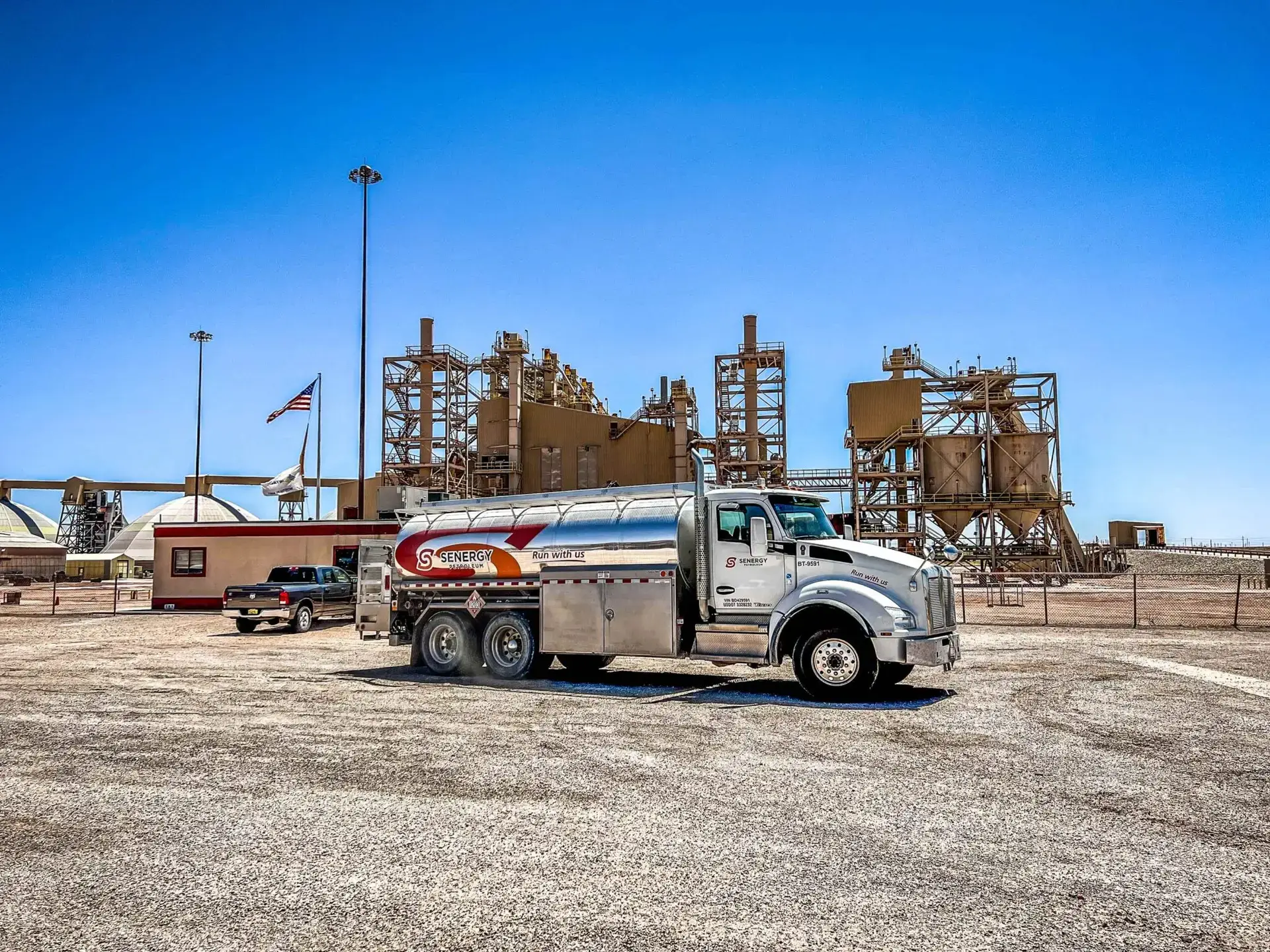
Bulk Fuel Delivery is the supply of larger quantities of fuel directly to a commercial customer instead of purchasing individual gallons at retail fueling stations. The fuel is transported to the customer’s location using a suitable delivery truck and transferred into an approved storage tank, vehicle, piece of equipment, or other designated fueling point.
The type of fuel required depends on the business and its equipment. A trucking company may primarily use commercial diesel, while a construction contractor may need both on-road and off-road diesel. Farms may require fuel for tractors and harvesting equipment, while warehouses, hospitals, and other facilities may keep diesel available for backup generators.
Fuel suppliers may offer diesel, gasoline, renewable diesel, biodiesel, DEF, lubricants, propane, kerosene, and other petroleum products. Delivery volumes can also vary considerably, from smaller commercial orders to large tanker loads. The appropriate delivery method depends on fuel demand, storage capacity, location, and access to the site.
Why Businesses Use Direct Fuel Delivery
Convenience is one of the main reasons businesses choose direct fuel service. Drivers and employees do not have to leave the property every time a vehicle or piece of equipment needs fuel. Instead, the supplier brings the fuel to the location where it will be used.
This can be especially useful for businesses with several vehicles or machines. A trucking company can have fleet vehicles fueled at its yard rather than sending drivers to different gas stations. Construction companies can arrange deliveries at active jobsites, reducing the need to move equipment simply to refuel.
The time savings can add up over the course of a year. Fewer fueling trips mean less time spent driving to and from stations, waiting for pumps, and returning to the workplace. For companies that operate on tight schedules, keeping equipment fueled can also help reduce avoidable downtime.
Fuel Options for Different Commercial Operations
Diesel is one of the most widely used commercial fuels in the United States. Businesses may use ultra-low sulfur diesel for highway vehicles and other applications or dyed diesel for qualifying off-road equipment. Construction, agriculture, transportation, and industrial customers can have different requirements depending on the equipment they operate and how it is used.
Gasoline is also common among commercial customers. Businesses may need regular, mid-grade, premium, or non-ethanol gasoline for vehicles, landscaping equipment, generators, and other machinery. The appropriate grade depends on the manufacturer’s requirements and the intended application.
Some commercial fuel suppliers also provide renewable diesel, biodiesel, DEF, lubricants, propane, kerosene, and other products. Purchasing several products through one supplier can simplify fuel management for businesses with mixed fleets or different types of equipment.
Businesses should confirm fuel specifications before ordering, particularly when using on-road and off-road products. Fuel requirements, taxes, and permitted uses can vary depending on the product and application.
Fuel Delivery for Fleets, Construction, and Agriculture
Commercial fleets are well suited to scheduled fuel service because their fuel consumption is often relatively predictable. Trucking companies, delivery fleets, logistics providers, contractors, and service businesses can estimate their weekly or monthly requirements and arrange deliveries around normal usage.
Construction companies often have a different challenge. Equipment may operate at jobsites where public fueling stations are several miles away. Excavators, loaders, bulldozers, cranes, backhoes, skid steers, and other machines can consume substantial amounts of fuel during a workday. Having fuel brought directly to the jobsite can reduce interruptions and keep equipment available for the crew.
Agricultural operations can also benefit from fuel delivered directly to the property. Tractors, combines, irrigation systems, and other farm equipment may require significant fuel during planting and harvesting seasons. Planning deliveries around seasonal demand can help farms maintain adequate inventory when equipment is operating for long hours.
The same concept applies to generators and other critical equipment. Facilities that depend on standby power may maintain fuel reserves so generators are ready when grid power is unavailable.
Managing Fuel Storage and Delivery Schedules
Businesses that use substantial quantities of fuel may keep an on-site storage tank. Depending on the application, this could include an above-ground tank, double-wall tank, portable fuel tank, or another approved storage solution. Tank size should reflect normal consumption, available space, delivery requirements, and applicable regulations.
Keeping track of fuel levels is just as important as having adequate storage. Manual inspections may work for smaller operations, but companies with higher consumption or multiple locations may benefit from tank monitoring. Remote monitoring systems can provide information about fuel levels and send alerts when inventory reaches a predetermined threshold.
Delivery schedules can then be built around actual consumption. A company with steady fuel use may choose recurring deliveries, while another business may prefer a will-call arrangement. Some suppliers also offer automatic or keep-full programs that help maintain inventory without requiring employees to place every order manually.
Good inventory management can reduce the risk of running out of fuel while avoiding unnecessary deliveries. Reviewing historical consumption, seasonal demand, tank capacity, and emergency requirements gives businesses a better basis for setting reorder levels.
Choosing the Right Commercial Fuel Supplier
Fuel price is important, but it should not be the only consideration when comparing suppliers. Businesses should look at delivery coverage, available fuel products, minimum order quantities, scheduling options, response times, equipment, and customer service. A reliable Bulk Fuel Delivery provider should be able to match its service to the company’s fuel demand and operating schedule.
It is also important to understand the actual delivered cost. Fuel pricing can be affected by market conditions, fuel type, order volume, transportation distance, and other factors. Comparing the complete cost of getting fuel to the business location provides a more useful picture than looking at a retail pump price alone.
Reliability should receive equal attention. A missed delivery can affect trucks, construction equipment, generators, and production schedules. Businesses should choose a supplier that can provide dependable deliveries and clear communication when schedules change.
Fuel storage and handling should also follow applicable federal, state, and local requirements. Companies should review the requirements that apply to their tanks, fueling equipment, spill prevention procedures, and fuel products.
For businesses that consume fuel regularly, a well-planned delivery program can simplify daily operations and improve fuel management. Whether the operation involves a trucking fleet, construction equipment, agricultural machinery, generators, or a commercial facility, having fuel delivered directly to the location can reduce unnecessary trips and make inventory easier to manage.
The right setup depends on the company’s fuel consumption, location, storage capacity, equipment, and delivery frequency. By evaluating these factors and working with a dependable commercial fuel supplier, businesses can maintain a reliable fuel supply while spending less time dealing with routine fueling needs.
