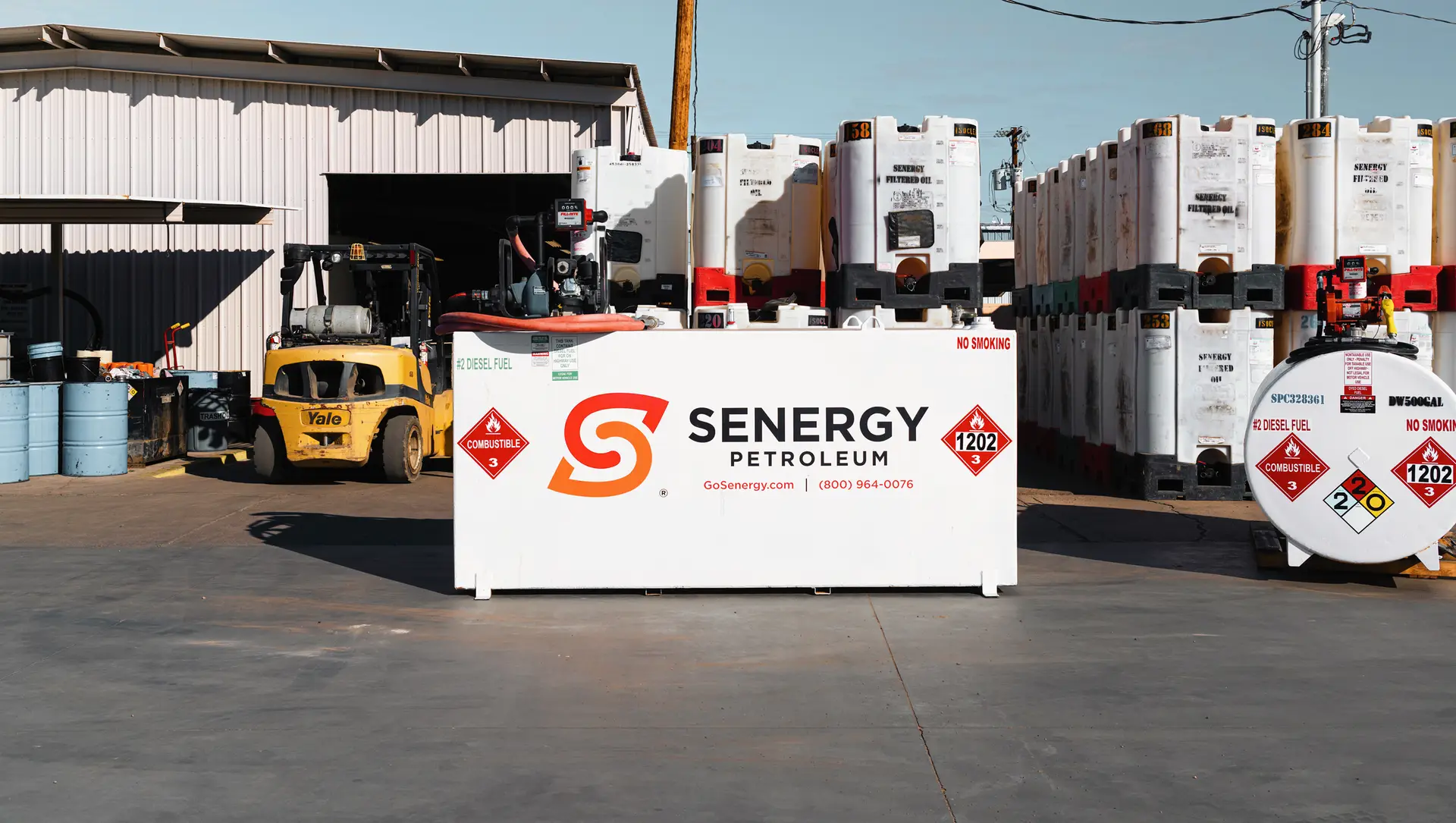
Bobtail vs. Full Transport Fuel Delivery: Which Fits Your Operation?
Fuel is a daily operating requirement for businesses that depend on trucks, heavy equipment, generators, and industrial machinery, as well as agricultural operations. Choosing the right delivery method can affect storage, scheduling, operating costs, and the risk of running out of fuel. Two common options are bobtail trucks and full transport tankers, and each serves a different purpose.
The right choice depends on several factors, including fuel consumption, storage capacity, site access, delivery frequency, and the type of operation. A smaller site may benefit from flexible deliveries, while a high-volume facility may need larger shipments to keep its storage tanks filled. Understanding these differences can help businesses select a commercial fuel delivery approach that fits their day-to-day requirements.
Overview
- Bobtail fuel delivery: Best for smaller loads and tighter sites.
- Bulk fuel transport: Better for high-volume operations and large storage tanks.
- Consider fuel demand, tank capacity, site access, and delivery frequency.
- The right commercial fuel delivery plan can reduce downtime and unnecessary costs.

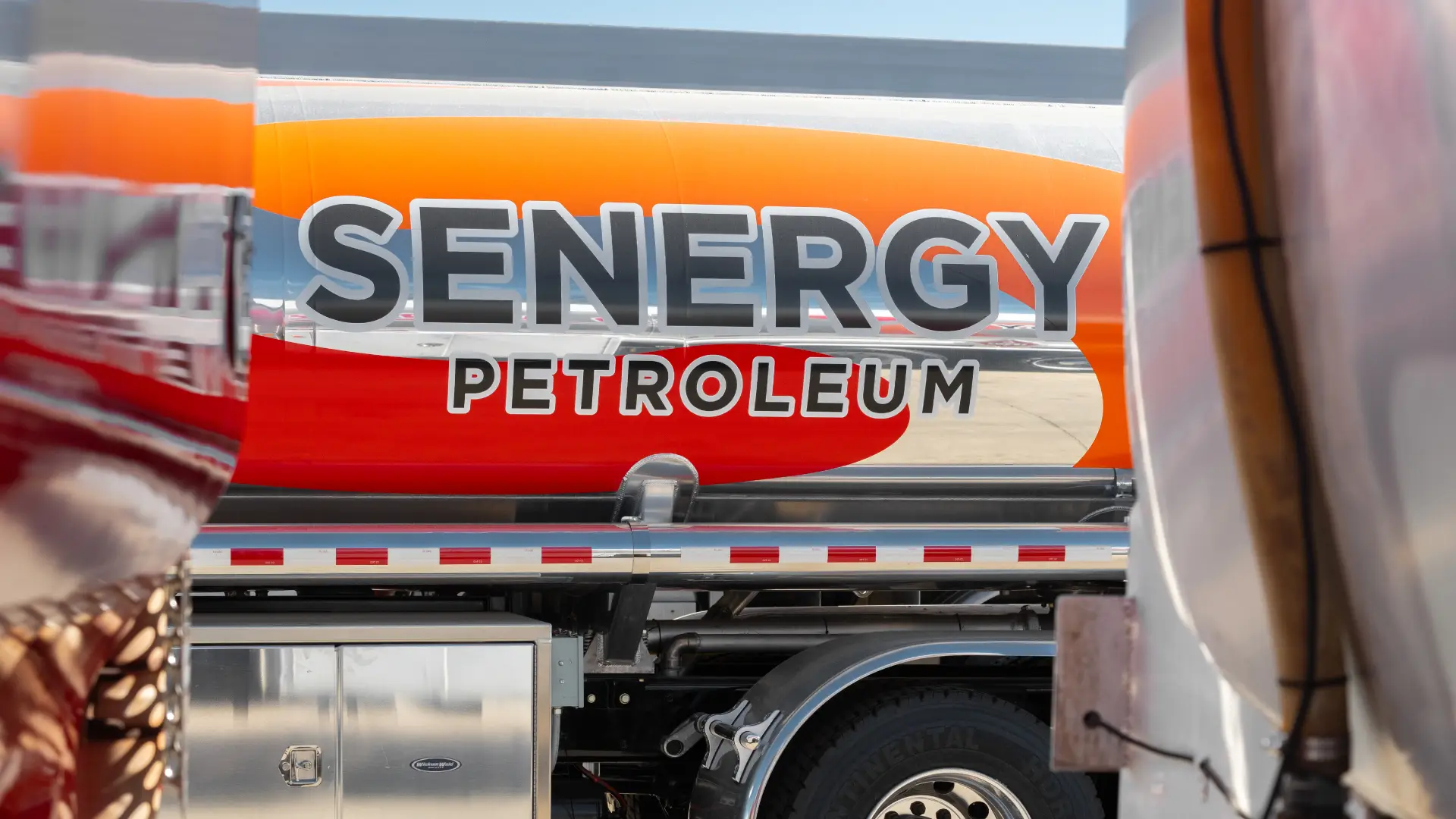
Understanding Bobtail Fuel Delivery
A bobtail is a single-unit fuel delivery truck with its tank mounted directly on the truck chassis, rather than on a separate trailer. Unlike a tractor-trailer tanker, the tank is mounted on the truck itself. This smaller configuration generally makes bobtail trucks easier to maneuver around construction sites, farms, equipment yards, service facilities, and other locations where space may be limited.
Bobtail fuel delivery is often a practical choice for businesses that do not need a full tanker load at every delivery. It can work well for smaller storage tanks, changing fuel demand, and locations that require more frequent replenishment. A construction company, for example, may need diesel delivered to a temporary jobsite where equipment consumption changes throughout the project.
Access is another important advantage. Narrow roads, tight turns, temporary site layouts, and limited unloading areas can make large tankers difficult to position. A bobtail truck can provide more flexibility in these situations while still delivering fuel directly to the storage tank or designated fueling point.
When Full Transport Makes More Sense
A full transport tanker is designed to move substantially larger quantities of fuel than a typical bobtail truck in a single trip. It is generally suited to operations with high fuel consumption, large storage tanks, and predictable demand. Transportation fleets, large construction projects, industrial facilities, mining operations, fuel stations, and other high-volume users may benefit from larger deliveries.
Bulk fuel transport can reduce the number of trips required to replenish a large storage tank. This can make sense when a facility has enough storage space and consumes fuel consistently. Fewer deliveries can also simplify scheduling and reduce the time spent coordinating replenishment.
However, a full tanker is not automatically the better choice. The delivery location needs suitable road access, adequate turning space, and a safe unloading area. The receiving tank must also have enough available capacity for the shipment. Ordering a load that exceeds the site’s storage or consumption needs can create unnecessary costs and reduce flexibility.
Comparing Volume, Access, and Delivery Costs
Fuel volume is one of the first factors to consider, but it should not be the only one. Businesses should look at how much fuel they actually consume, how much their tanks can hold, and how often they need deliveries. A company with moderate demand may find that smaller, scheduled deliveries are more practical than receiving a large shipment.
Site access can have an equally important impact. A fuel truck may need to travel through narrow entrances, uneven terrain, crowded yards, or temporary construction areas before reaching the storage tank. Businesses should consider road width, turning radius, overhead clearance, ground conditions, and the distance between the truck and the tank.
Cost should also be evaluated beyond the price of fuel. Delivery charges, transportation expenses, labor, storage, equipment downtime, and emergency deliveries can all affect the total cost of keeping a site supplied. In some cases, bulk fuel transport may offer better delivery economics for high-volume operations. In other situations, smaller deliveries may help businesses avoid excess inventory and better match their available storage capacity.
Choosing the Right Option for Different Operations
Different industries have different fuel requirements. Construction companies may need deliveries to temporary jobsites where excavators, loaders, bulldozers, cranes, generators, and other heavy equipment operate. Because these locations can change throughout a project, flexibility and site access may be important considerations.
Farms and agricultural operations may have storage tanks located away from main roads or in areas where maneuverability is limited. Bobtail fuel delivery can be useful when the delivery point has restricted access or the operation requires smaller, more frequent replenishment. Fleet operators, on the other hand, may have consistent fuel consumption and larger storage tanks, making larger deliveries more attractive.
Industrial facilities, warehouses, manufacturing plants, and data centers may also require fuel for backup generators. For these operations, reliability can be just as important as delivery volume. Running out of fuel during a power outage can interrupt critical operations, so scheduled deliveries and tank monitoring can help maintain an adequate supply.
Businesses operating across multiple locations do not necessarily need to use the same delivery method everywhere. A company may use larger deliveries at its main facility while relying on smaller trucks for remote sites, temporary projects, or locations with limited storage.
Using Tank Monitoring to Improve Fuel Planning
Knowing how much fuel remains in a storage tank can make delivery planning much easier. Manual tank checks can work for smaller operations, but businesses with multiple locations may benefit from remote tank monitoring and fuel management technology.
Tank monitoring systems can track fuel levels and provide alerts when inventory reaches a preset threshold. This gives managers more time to arrange a delivery before supplies become critically low. It can also reduce unnecessary emergency deliveries and help businesses plan fuel purchases around actual consumption.
Fuel management technology can provide additional information, including delivery records, usage trends, inventory levels, and fuel consumption. When this information is combined with a regular delivery schedule, businesses can develop a more predictable fueling process.
This is particularly useful for fleets and companies with several storage locations. Instead of waiting for a tank to become nearly empty, managers can use available data to plan deliveries before fuel becomes a problem. A reliable commercial fuel delivery program can then be built around actual consumption rather than guesswork.
How to Choose the Right Fuel Delivery Method
Start by looking at your operation’s actual fuel requirements. Determine how much fuel is consumed each week or month, how large the storage tanks are, and how frequently they need to be replenished. Then consider whether a large tanker can safely reach the delivery location.
A bobtail is generally a good fit when a business needs smaller or more flexible deliveries, has limited storage, or operates at locations with restricted access. Bobtail fuel delivery can also be a practical option for businesses that serve multiple smaller locations or need fuel delivered directly to equipment and jobsites.
Full transport is usually more suitable for high-volume operations with large storage tanks and predictable fuel demand. Bulk fuel transport can help these businesses replenish large tanks efficiently while reducing the number of individual deliveries required.
Before selecting a supplier, ask about available truck sizes, delivery schedules, service areas, emergency support, tank monitoring, fuel products, and delivery requirements. A supplier with multiple delivery options can provide greater flexibility as an operation grows or its fuel requirements change.
The goal of commercial fuel delivery is to keep the right amount of fuel available at the right location and at the right time. By evaluating consumption, storage capacity, site access, and delivery costs, businesses can determine whether bobtail service, full transport, or a combination of both best supports their operation.
A well-planned delivery program helps maintain dependable fuel supplies, improve inventory control, and reduce avoidable downtime as business needs change.