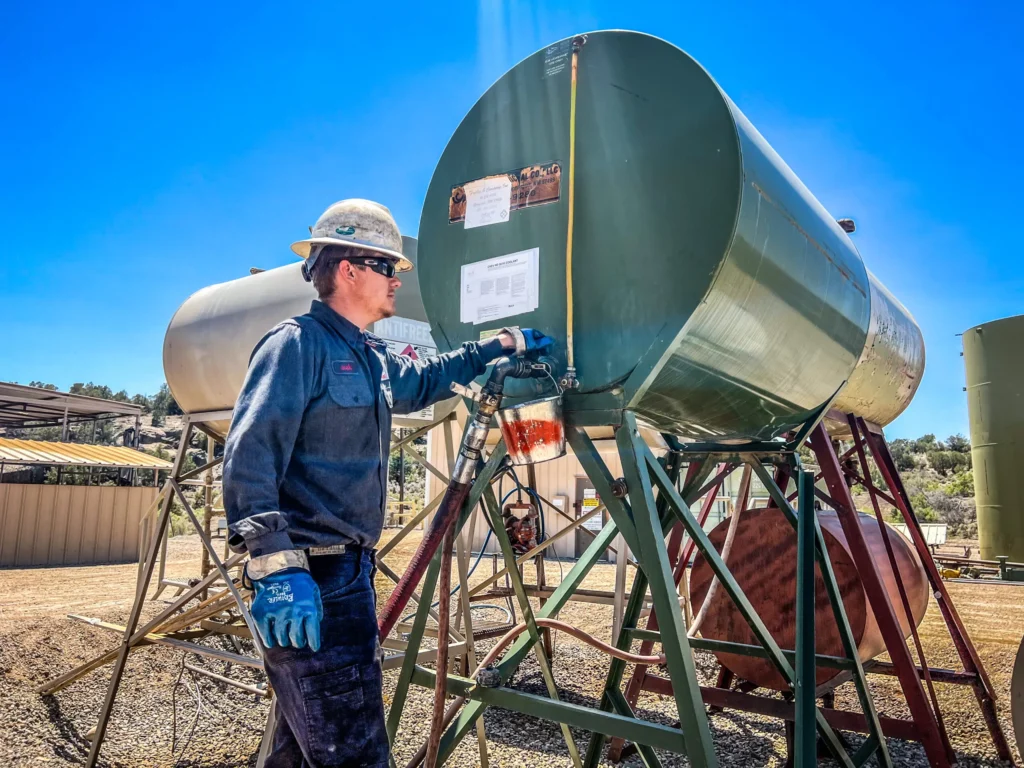
In the competitive and fast-paced world of the oil and gas industry, selecting the right products is essential for keeping operations running smoothly, safely, and efficiently. Whether managing fleets, heavy machinery, or remote oilfields, the right tools can cut costs, reduce downtime, and boost productivity. This article will dive into the best products that can help you take your operations to the next level—tailored specifically for commercial fuel buyers in the Southwest and Rockies region.
Fuel additives are often overlooked, but they can have a huge impact on your bottom line. These products boost fuel performance, enhance engine efficiency, and protect your equipment.
Fuel additives play a crucial role in maintaining the performance of diesel and gasoline engines. They help prevent fuel system corrosion, reduce emissions, and improve combustion efficiency. In harsh climates like those in the Southwest and Rockies, additives can also help with issues like fuel gelling in cold temperatures.
For those managing fleets of trucks or heavy machinery, fuel additives can make a real difference. They help maintain engine health, improve fuel efficiency, and ensure smoother operations in harsh environments. The investment in quality additives could result in fewer breakdowns, less downtime, and lower maintenance costs.
Heavy machinery, whether it’s used for drilling or construction, needs the right lubricant to keep it running smoothly. Lubricants help reduce friction between moving parts, preventing wear and tear and improving operational efficiency.
Lubricants play a major role in the oil and gas industry, especially when dealing with high-performing, heavy-duty equipment. Without proper lubrication, machinery parts can overheat and fail, leading to costly repairs and unexpected downtime.
The right lubricant depends on the specific needs of your machinery and the working environment. In the Southwest and Rockies, oils for extreme heat and cold ensure year-round performance.
High-quality lubricants save money by extending equipment life and cutting maintenance costs. With the right lubricants, you can also reduce your environmental footprint by improving fuel efficiency and reducing emissions.
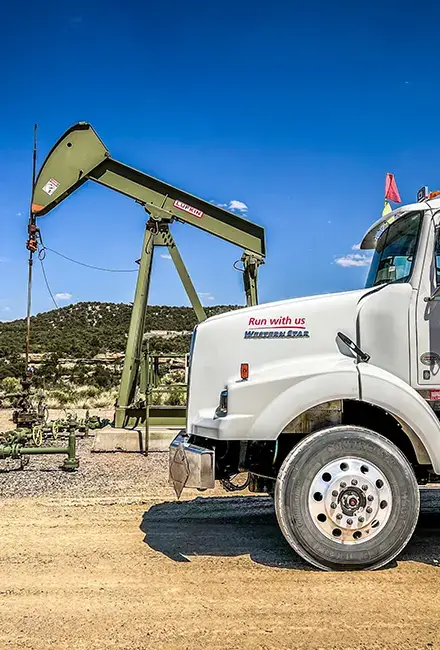

In the oil and gas industry, drilling fluids (also known as drilling mud) are essential for keeping operations running efficiently. These fluids help cool down drilling equipment, reduce friction, and carry debris away from the drill bit. They also stabilize the wellbore and prevent the collapse of the well walls.
When it comes to drilling fluids, selecting the right one for the job can be the difference between smooth operations and costly delays. Using advanced fluids designed for high-pressure conditions can help prevent issues like wellbore instability and increase drilling efficiency, saving both time and money.
Managing fuel tanks can be a logistical challenge, but with the right tank monitoring system, you can keep track of fuel levels in real time, avoid overflows, and reduce the risk of theft or spoilage.
Why Accurate Monitoring Matters
Fuel theft is a significant concern for many oil and gas operations, especially in remote locations. Real-time monitoring systems help track fuel levels, ensuring that you always know how much fuel you have on hand and when you need to restock.
Best Tank Gauging Products
Benefits for Fuel Management
Investing in a tank gauging system can lead to significant savings by reducing fuel loss, preventing overfills, and helping you plan fuel deliveries more efficiently. Real-time data also helps streamline operations and ensure you have fuel when you need it, reducing downtime for both vehicles and equipment.
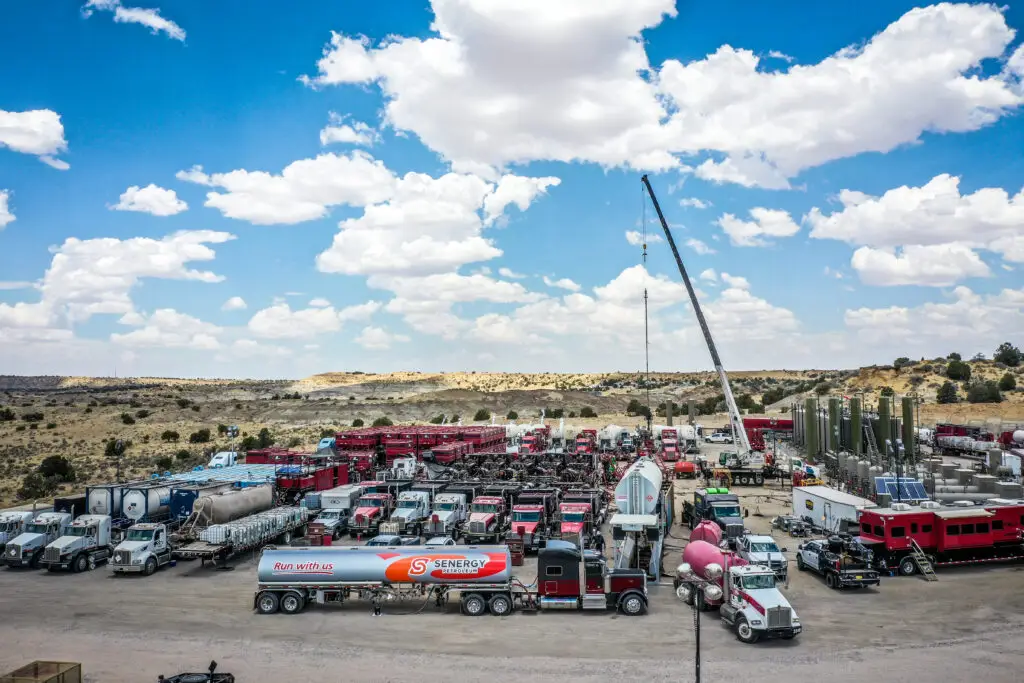
Gas compressors play a vital role in oil and gas operations, enabling efficient transportation and storage of natural gas.
Role of Gas Compressors
Compressors increase gas pressure for smooth flow through pipelines or storage in tanks, reducing bottlenecks and enhancing throughput.
Types of Gas Compressors
Optimizing Performance
Selecting the right compressor ensures efficient gas handling, steady flow rates, and cost-effective operations while minimizing disruptions.
Flow meters are critical for measuring the flow of liquids and gases. They ensure accurate records for fuel deliveries and help maintain operational efficiency.
Flow Meters in the Oil & Gas Industry
Accurate measurements of liquids like fuel and oil, as well as gases like natural gas, are essential for proper inventory control and smooth operations.
Types of Flow Meters
Ultrasonic Flow Meters: These non-invasive meters use sound waves to measure liquid flow. They provide high accuracy and have no moving parts.
Turbine Flow Meters: These meters use a turbine to measure fluid velocity. They deliver precise readings in a variety of environments.
Coriolis Mass Flow Meters: These meters measure mass flow. They offer exact data for high-volume liquid or gas applications.
Benefits for Commercial Buyers
Accurate flow measurement prevents product loss and ensures fair billing in fuel transactions. Whether managing a fleet or a fuel storage facility, reliable flow meters help keep operations transparent and efficient.
The oil and gas industry relies on many products to keep operations running smoothly, from fuel additives and lubricants to tank monitoring systems and gas compressors. By investing in high-quality products tailored to your specific needs, you can improve operational efficiency, reduce downtime, and protect your equipment.
Whether you’re working in the Southwest or Rockies, choosing the best products ensures you’re prepared for whatever challenges the oil and gas industry throws your way. Reach out to us today to learn more about the right products for your operations and keep your business running smoothly.