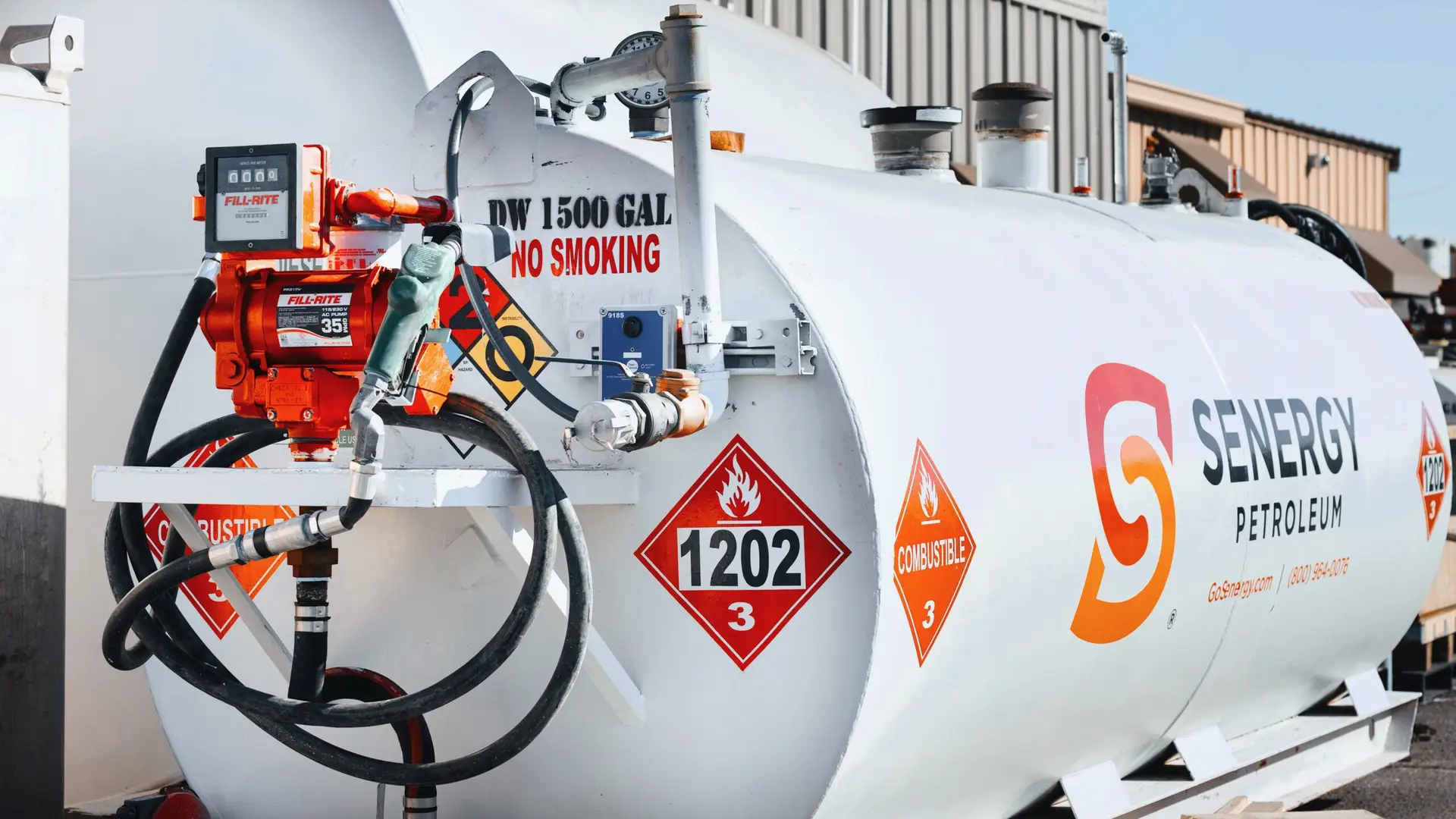
Best Practices for Storing Bulk Fuel Safely
Fuel keeps industries moving—powering vehicles, equipment, and entire worksites. But when stored in large quantities, it requires careful management and accountability. Bulk fuel storage is about more than convenience; it’s about ensuring safety, efficiency, and reliability. When handled correctly, it helps prevent accidents, reduce waste, and maintain uninterrupted operations.
From trucking fleets and construction sites to agricultural operations, proper fuel storage and handling play a critical role in protecting productivity and profitability. Here’s a practical look at what safe fuel storage entails and how to ensure it’s done right.
How Safe Fuel Storage Keeps Your Operations Running Smoothly
Fuel is both valuable and volatile. A single mistake—a leaking hose, a faulty seal, or an ignition source near a tank—can cause serious damage and costly setbacks. Even minor spills or leaks can interrupt operations and require extensive cleanup.
Safety isn’t just about preventing accidents; it’s also about improving performance. Properly maintained storage systems help fuel burn cleaner, support longer engine life, and keep equipment running at peak efficiency. Simple steps, such as maintaining tanks regularly and labeling containers clearly, can minimize downtime and protect productivity. Safe storage safeguards your team, your assets, and your business.
Building the Right Fuel Storage Setup
Every safe fuel system begins with a strong foundation. Tanks should be installed on solid, level ground to prevent shifting or damage over time. They should also be positioned away from buildings, drains, and electrical panels, leaving adequate space for ventilation and safe access.
Selecting the right tank is just as important. Above-ground tanks allow for easier inspection and maintenance, while underground tanks offer protection from temperature changes and sunlight. Each option has its advantages, but what matters most is compliance with local safety standards and the use of approved materials such as coated steel or fiberglass.
Clear labeling is another key to safe operation. Mark each tank with the fuel type, storage date, hazard classification, and safety instructions. This minimizes the risk of mix-ups during refueling—especially when multiple fuel types are stored on-site.
Finally, don’t overlook security. Proper fencing, locks, and lighting help prevent theft and vandalism, both of which remain common concerns at unattended or remote fuel sites.
Safe Fuel Handling in Everyday Operations
Even the most durable tanks can’t compensate for poor fuel handling. The daily procedures make the biggest difference. Always use equipment specifically designed for fuel transfer—proper hoses, grounded pumps, and secure seals.
Before each use, inspect all components carefully. Check for cracks, leaks, or corrosion around fittings. Never leave a running pump unattended, and avoid filling a tank completely to the top. Because fuel expands with heat, maintaining extra space helps prevent overflow. After refueling, close all caps securely to prevent vapor loss. Keep spill kits accessible and ensure every team member knows how to use them effectively. In the event of a spill, respond immediately: contain it, absorb it, and clean the area before resuming operations.
Workers should wear appropriate protective gear—gloves, goggles, and fire-resistant clothing—when handling or transferring fuel. A few minutes of preparation can prevent injuries and protect productivity. At Senergy, we believe fuel handling should be a disciplined routine, not an afterthought.
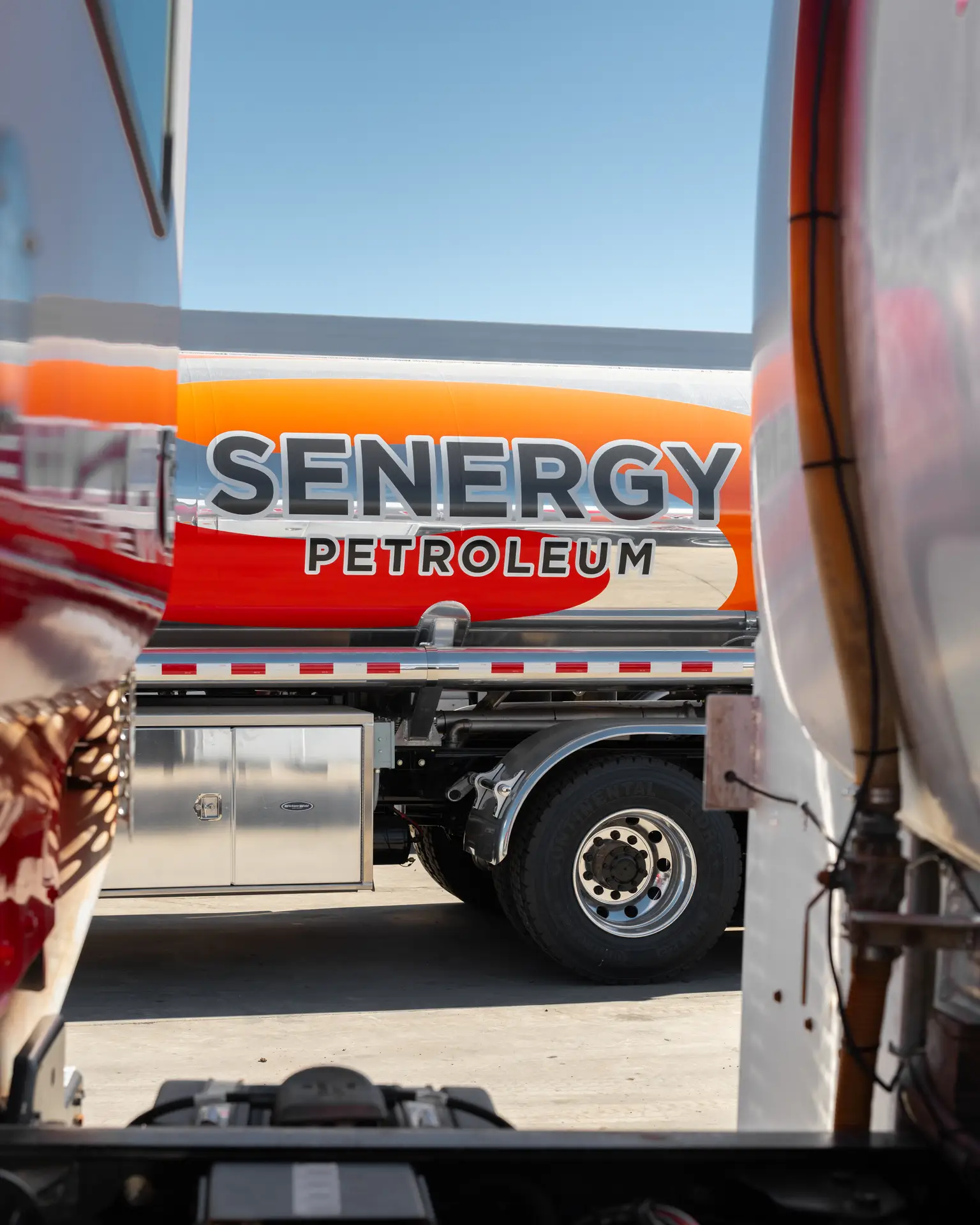
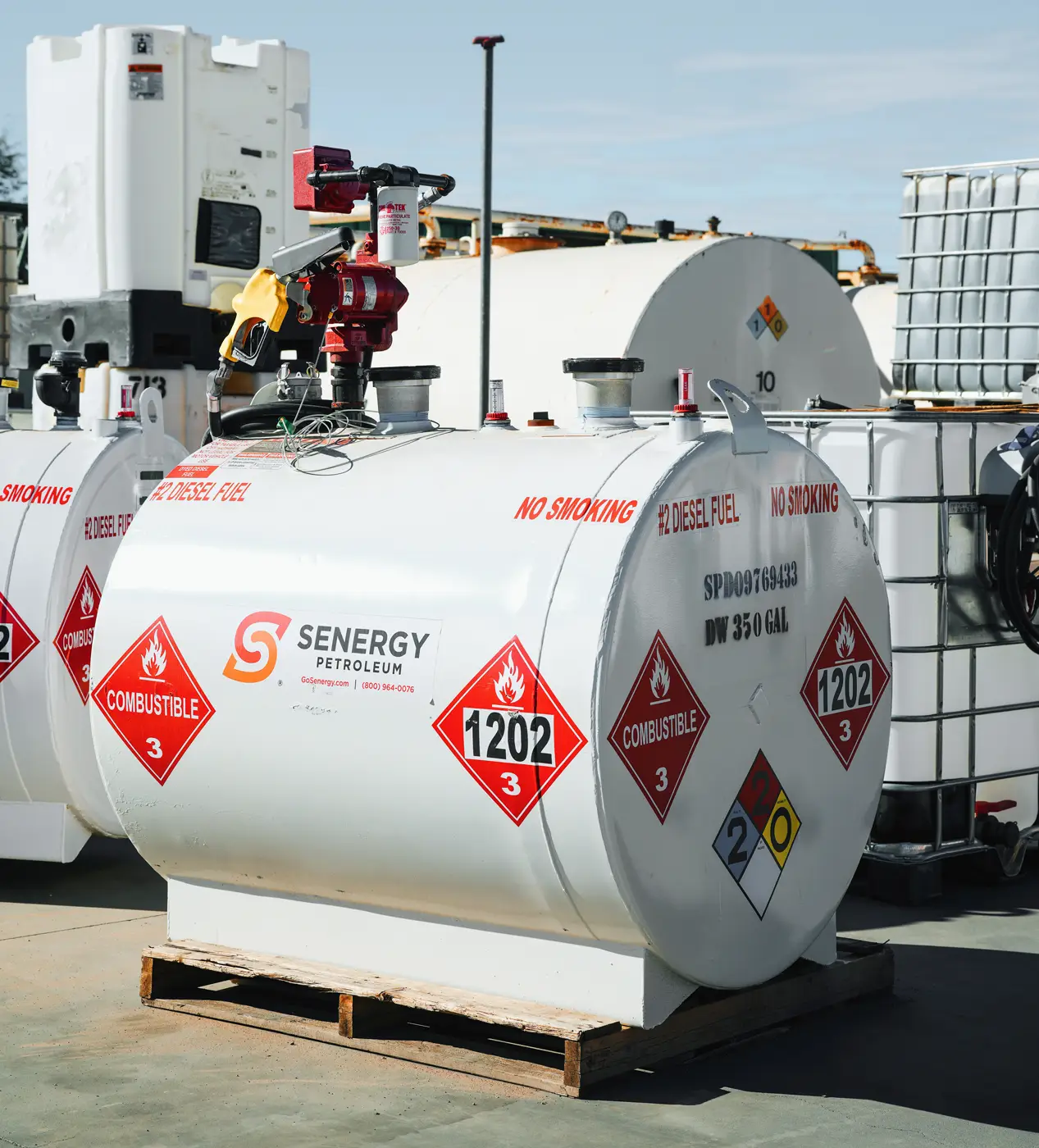
Preventing Contamination and Keeping Fuel Clean
Contamination is one of the most common and costly issues in bulk fuel storage. Dirt, water, and microbial growth can quickly degrade fuel quality and lead to clogged filters, reduced performance, and equipment downtime.
Water is often the primary source of contamination. It can enter through condensation, rain intrusion, or delivery lines. When water settles at the bottom of a tank, it creates ideal conditions for microbial growth that forms sludge, corrodes metal, and disrupts fuel flow. To prevent this, keep tanks as full as possible to minimize air space, drain any accumulated water regularly, and inspect vents and seals for cracks or damage.
Maintaining a clean fueling area is equally important. Dust and debris stirred up by vehicles can enter tanks during refueling. Keep the area clear, and always wipe nozzles before use. If contamination occurs, take immediate action: remove the compromised fuel, clean the tank, and filter all new fuel before refilling. Prevention is far more efficient and cost-effective than repair.
Maintenance and Inspections
Routine maintenance is at the core of safe and efficient fuel storage. Over time, tanks age, hoses wear, and seals loosen. A consistent inspection schedule helps identify small issues before they become costly problems. Look for visible signs of rust, corrosion, or leaks, and regularly test valves and gauges to confirm they’re operating correctly. If sludge or sediment begins to accumulate inside the tank, it’s time for a thorough cleaning.
Tanks should be fully cleaned every one to two years, depending on usage. This process includes draining the tank, removing buildup, and flushing the system with approved cleaning products to maintain optimal performance.
Modern technology makes preventive maintenance even more efficient. Telemetry systems can monitor fuel levels, temperature changes, and potential leaks in real time. Alerts sent directly to your devices allow issues to be addressed before they impact operations. A clean tank means clean fuel—and clean fuel keeps your engines running at their best.
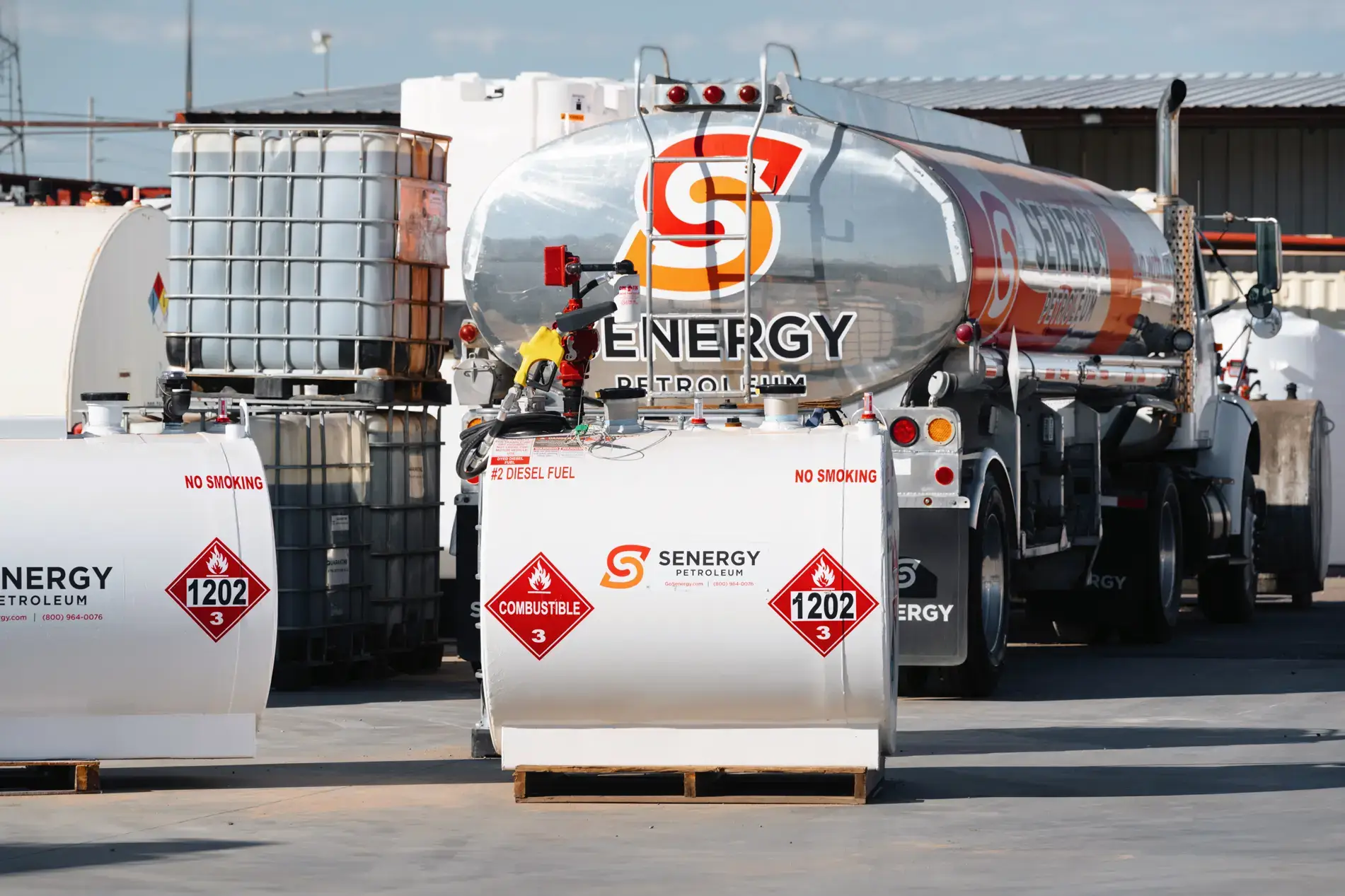
Managing Heat, Weather, and Fire Safety
Temperature has a direct impact on fuel quality and performance. In high heat, fuel can evaporate more quickly, leading to unnecessary product loss. In cold conditions, diesel may begin to gel, clogging filters and fuel lines.
Whenever possible, position tanks in shaded or temperature-controlled areas. In colder regions, consider using tank heaters or insulation to maintain steady fuel flow. Keeping fuel at a consistent temperature reduces condensation and helps preserve fuel integrity.
Fire safety is equally critical. Keep properly rated extinguishers on-site and ensure all personnel are trained to use them. Inspect extinguishers regularly, and keep combustible materials—such as weeds, trash, and debris—well away from storage tanks.
For added protection, use secondary containment systems such as spill berms or double-walled tanks. These measures help capture leaks or overflows before they spread, minimizing downtime and protecting your operation.
Following Safety Regulations and Standards
Fuel handling and storage regulations vary by region, but in the United States, agencies such as OSHA establish strict standards for how tanks are constructed, maintained, and monitored. These regulations are designed to prevent leaks and ensure the safety of personnel and property.
Above-ground tanks typically require secondary containment systems and annual inspections, while underground tanks must include corrosion protection and leak detection equipment. Meeting these standards isn’t just about compliance—it’s about maintaining a safe, professional, and reliable operation.
Accurate recordkeeping is essential. Maintain detailed logs of all inspections, cleanings, and repairs to demonstrate compliance and track the long-term condition of your equipment.
Finally, every site should have a clear, well-communicated emergency plan. All personnel should know how to respond to spills, fires, or leaks, including who to contact, which equipment to use, and where to evacuate if necessary. Preparation and awareness are the foundation of operational safety.
Training People and Creating a Safety Culture
Even with the most advanced tanks and technology, people remain at the core of a safe fuel operation. A well-trained team can prevent issues long before they occur.
Every employee involved in fuel handling should understand the associated risks, safety protocols, and response procedures. Training should never be a one-time event—it should be an ongoing part of daily operations. Regular refreshers, toolbox talks, and on-site guidance help reinforce best practices and maintain focus on safety.
Open communication is equally important. If an employee notices a leak, an unusual odor, or anything out of place, they should feel empowered to report it immediately. Early reporting can prevent costly downtime and protect valuable equipment. When safety awareness and contamination prevention become part of everyday habits, the entire operation benefits—with fewer disruptions, stronger performance, and greater confidence across the team.
Practices That Protect Your Operation
Safe bulk fuel storage requires more than quality equipment—it requires expertise. That’s where Senergy Petroleum stands apart. Our team helps businesses store, manage, and deliver fuel efficiently while upholding the highest standards of safety and reliability.
At Senergy, we understand that fuel quality, handling, and performance are all connected. Our practical, results-driven solutions help minimize risk, prevent contamination, and keep your operations running smoothly. Partnering with Senergy means gaining the confidence that every gallon of fuel is stored safely and ready when you need it most.