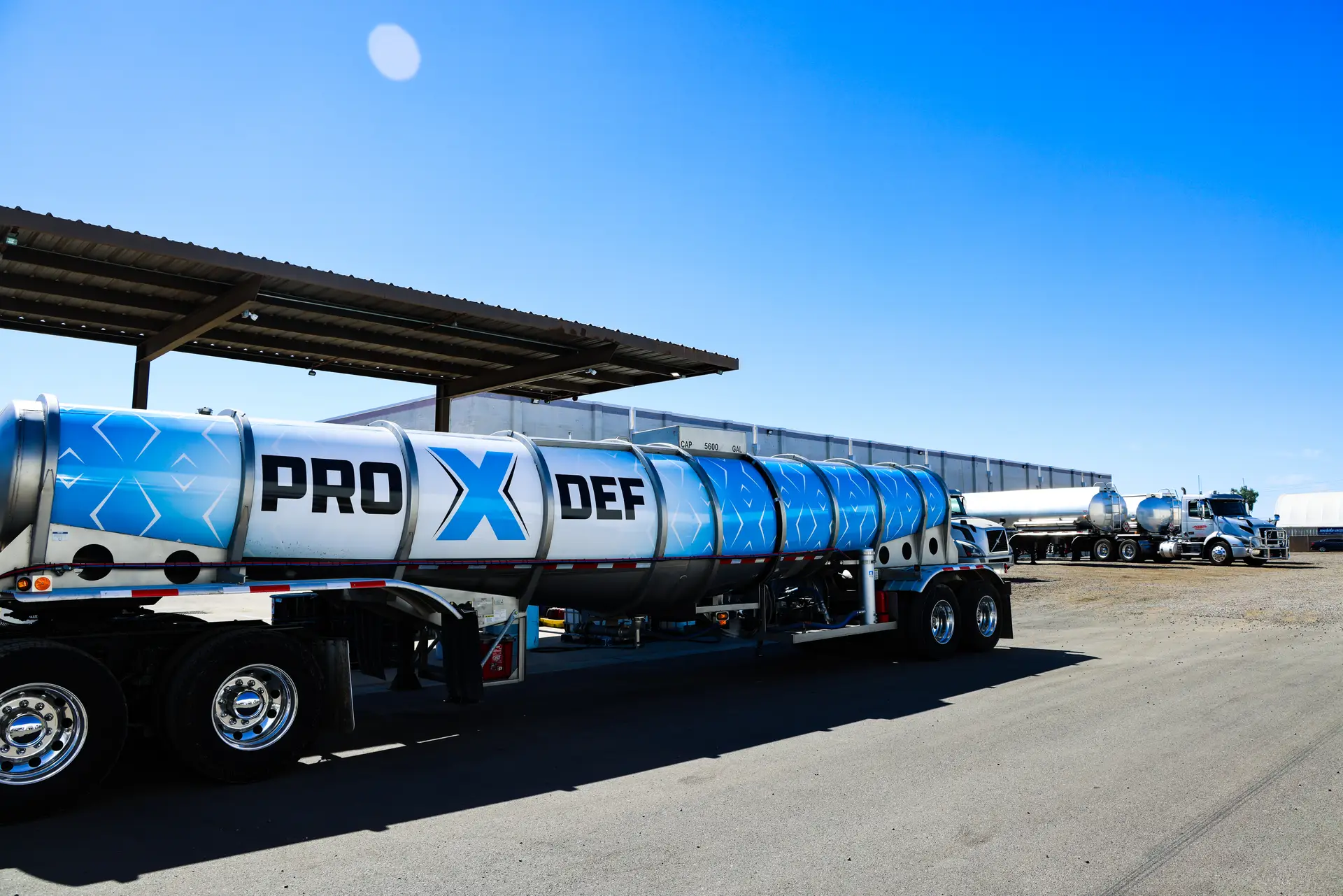
Best Practices for DEF Handling and Dispensing
Proper DEF handling is essential for maintaining modern diesel equipment and its emissions systems. Diesel engines equipped with Selective Catalytic Reduction (SCR) technology use DEF to help reduce nitrogen oxide (NOx) emissions in the exhaust. Although the fluid is straightforward to use, improper storage, transfer, or dispensing can affect its quality and create problems for the emissions system.
Keeping DEF clean from the point of storage to the vehicle tank should be part of a regular maintenance routine. Exposure to excessive heat, dirt, incompatible materials, fuel, or oil can compromise its quality. Simple practices such as using dedicated equipment, maintaining clean storage areas, and following the manufacturer’s recommendations can help reduce contamination and support dependable equipment operation.
Store DEF in a Clean and Suitable Environment
Storage conditions can affect DEF quality and shelf life. Keep containers and storage tanks in a clean, dry, shaded location away from direct sunlight and excessive heat. Prolonged exposure to high temperatures can shorten storage life, making temperature control particularly important when the fluid will not be used quickly.
DEF can be supplied in small containers, drums, totes, and bulk storage tanks. Whatever the container size, it should be specifically suitable for DEF and kept sealed when not in use. A first-in, first-out (FIFO) approach can help ensure older product is used before newer deliveries, reducing the chance of keeping DEF in storage longer than recommended.
Cold weather requires additional care because DEF freezes at approximately 12°F (-11°C) and expands as it freezes. Properly formulated DEF can generally be used after it thaws, but storage containers and tanks should have adequate room for expansion. Do not add antifreeze or other additives to prevent freezing, as unapproved chemicals can affect fluid quality and the SCR system.
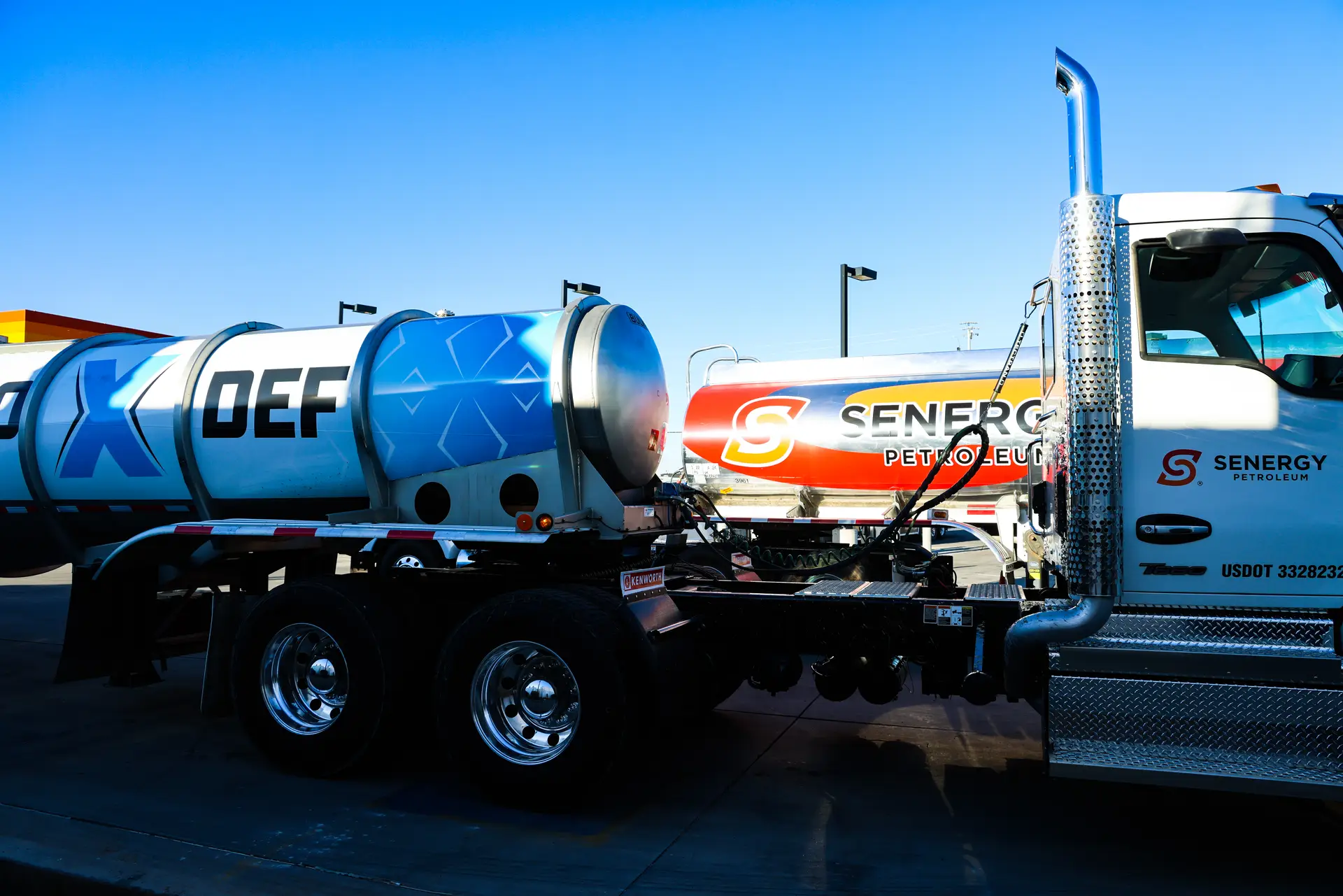
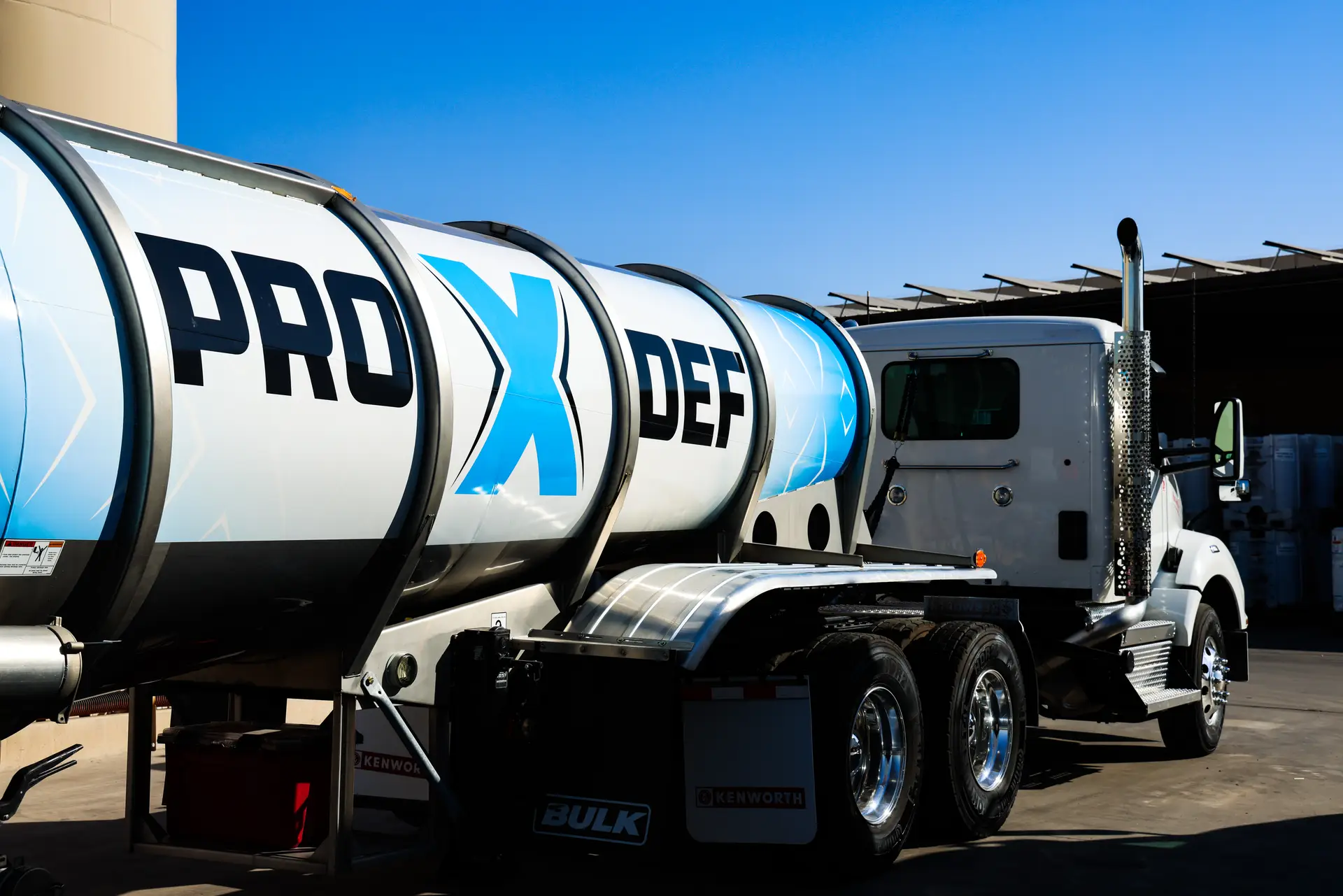
Use Dedicated Equipment for Dispensing
Dispensing equipment should be reserved for DEF and should not be shared with diesel fuel, engine oil, lubricants, or other fluids. Pumps, hoses, nozzles, funnels, and containers can retain small amounts of other products, even when they appear clean. Those residues can contaminate the fluid and potentially affect sensitive emissions components.
A typical DEF dispensing setup may include a dedicated storage tank, transfer pump, hose, nozzle, meter, and filter. Components that come into contact with DEF should be made from compatible materials. Common choices include suitable polyethylene and polypropylene plastics, stainless steel, and compatible EPDM components.
Dedicated equipment also reduces the possibility of accidental cross-contamination in busy service areas. Clearly labeling pumps, hoses, and containers as DEF-only equipment can help employees identify the correct tools before filling a vehicle or piece of equipment.
Closed dispensing systems can provide additional protection by limiting the fluid’s exposure to dust and other contaminants during transfer. This can be especially useful for outdoor fueling areas, construction sites, agricultural operations, and other locations where environmental exposure is difficult to avoid.
Prevent Contamination During Handling and Filling
Contamination is one of the most common concerns when handling DEF. Dirt, dust, fuel, oil, metals, and unsuitable water can affect fluid quality. Some contaminants may be easy to see, while others may remain unnoticed until problems develop within the DEF dosing system or SCR components.
Preventing contamination starts with simple handling habits. Keep containers closed when they are not being used, avoid placing nozzles or hoses on dirty surfaces, and use clean transfer equipment. Never use a funnel, pump, or container that has been used for fuel or lubricants unless it is specifically approved and properly prepared for DEF service.
Cleaning equipment also requires the correct type of water. Distilled or deionized water should be used when cleaning DEF-contact equipment because tap water can introduce minerals and other substances into the system. After cleaning, equipment can be rinsed with DEF according to the applicable equipment manufacturer’s guidance.
If contamination is suspected, do not simply mix questionable product with a fresh supply. Contaminated or off-specification fluid may cause problems with the DEF injector, filter, dosing system, or SCR components. Follow the manufacturer’s recommendations for testing, removal, and replacement when fluid quality is in doubt.
Choose Quality DEF That Meets Required Specifications
Proper handling begins with purchasing a quality product. Look for DEF that meets ISO 22241 requirements and follows the specifications established by the vehicle or equipment manufacturer. In the United States, the API DEF Certification Mark indicates that the marketer is licensed by API to display the mark on DEF that meets applicable ISO 22241 requirements.
DEF is made from 32.5% high-purity urea and 67.5% deionized water. However, urea concentration alone does not determine overall quality. Purity, water quality, and other characteristics also matter, which is why recognized specifications and certification programs are important when selecting a product.
Businesses using bulk supplies should maintain delivery records and may also request Certificates of Analysis (COAs) or other quality documentation from their supplier when appropriate. These records can help track product sources and support inventory management when larger quantities are stored on-site.
Quality should continue to be protected after the product is delivered. Even compliant DEF can become contaminated if it is transferred through dirty equipment, placed in an unsuitable storage tank, or exposed to foreign materials during dispensing. The entire handling process matters.
Protect DEF During Hot and Cold Weather
Weather can create different handling challenges throughout the United States. In hot conditions, storage tanks and containers should be protected from prolonged direct sunlight and excessive temperatures. Heat can reduce shelf life, so facilities should pay closer attention to inventory rotation when temperatures remain high.
Winter brings a different concern because DEF freezes at temperatures near 12°F. Since the fluid expands when frozen, tanks and containers should not be filled beyond their recommended capacity. Equipment operating in cold climates may also require suitable heating features to support reliable operation.
If DEF freezes, allow it to thaw according to the vehicle, equipment, or storage-system manufacturer’s recommendations. Do not add unapproved chemicals to accelerate thawing. There is no need to add chemicals designed for fuel systems or other fluids. Properly formulated DEF can generally be used after it has completely thawed, provided it has remained uncontaminated and within specification.
Seasonal planning can make storage easier to manage. Facilities can protect bulk tanks from extreme conditions, monitor product age, and maintain enough inventory for normal use without storing excessive quantities for long periods.
Make DEF Handling Part of Your Routine Maintenance Program
Good DEF handling does not require a complicated process. Start with a quality product that meets the appropriate specifications, then protect it through every stage of storage, transfer, and dispensing. Keep containers sealed, rotate inventory, avoid excessive heat and sunlight, and use storage equipment designed for diesel exhaust fluid.
Dedicated pumps, hoses, nozzles, tanks, and containers can significantly reduce the risk of cross-contamination. Keeping these components clean and inspecting them regularly provides another layer of protection. If product quality is questionable, it is better to investigate the issue than risk introducing contaminated fluid into an emissions system.
These practices support the proper operation of SCR technology and other emissions equipment used in modern diesel engines. Whether the fluid is being used in a truck, agricultural machine, construction vehicle, generator, or other diesel-powered equipment, careful handling can help protect sensitive components, reduce avoidable maintenance problems, and support reliable operation over time.