Best Fuel Strategies for Heavy-Duty Trucking Companies
Fuel reliability is critical for long-haul trucking, impacting both operational efficiency and profitability. Fuel represents one of the largest recurring expenses for any fleet, and even minor inefficiencies can accumulate quickly over thousands of miles. Seasonal price fluctuations, variable routes, and inconsistent fuel quality from suppliers further increase operational complexity.
Trucking companies can reduce costs by proactively managing fuel consumption—planning refueling schedules, selecting dependable diesel suppliers, and closely monitoring usage. In remote areas or along long routes between depots, a reliable fuel supply is essential. Running out of diesel or receiving substandard fuel can result in delays, higher maintenance costs, or immobilized vehicles.
Strategic fuel planning supports both cost control and risk mitigation. A comprehensive approach includes scheduling regular fuel deliveries, qualifying suppliers, forecasting fuel needs based on routes and load weights, and maintaining emergency fuel reserves for unforeseen circumstances. Treating fuel as a critical operational asset ensures fleets remain efficient, reliable, and prepared for any challenge.
Building a Reliable Diesel Delivery System for Heavy-Duty Fleets
A dependable diesel fuel delivery system forms the backbone of any trucking fuel strategy. Fuel quality, timely delivery, and accurate record-keeping directly impact fleet performance and maintenance costs. Heavy-duty fleets must carefully evaluate potential suppliers, considering fuel quality standards, handling practices, and storage protocols. Ideal suppliers provide diesel that meets recognized specifications and store it securely and cleanly prior to delivery.
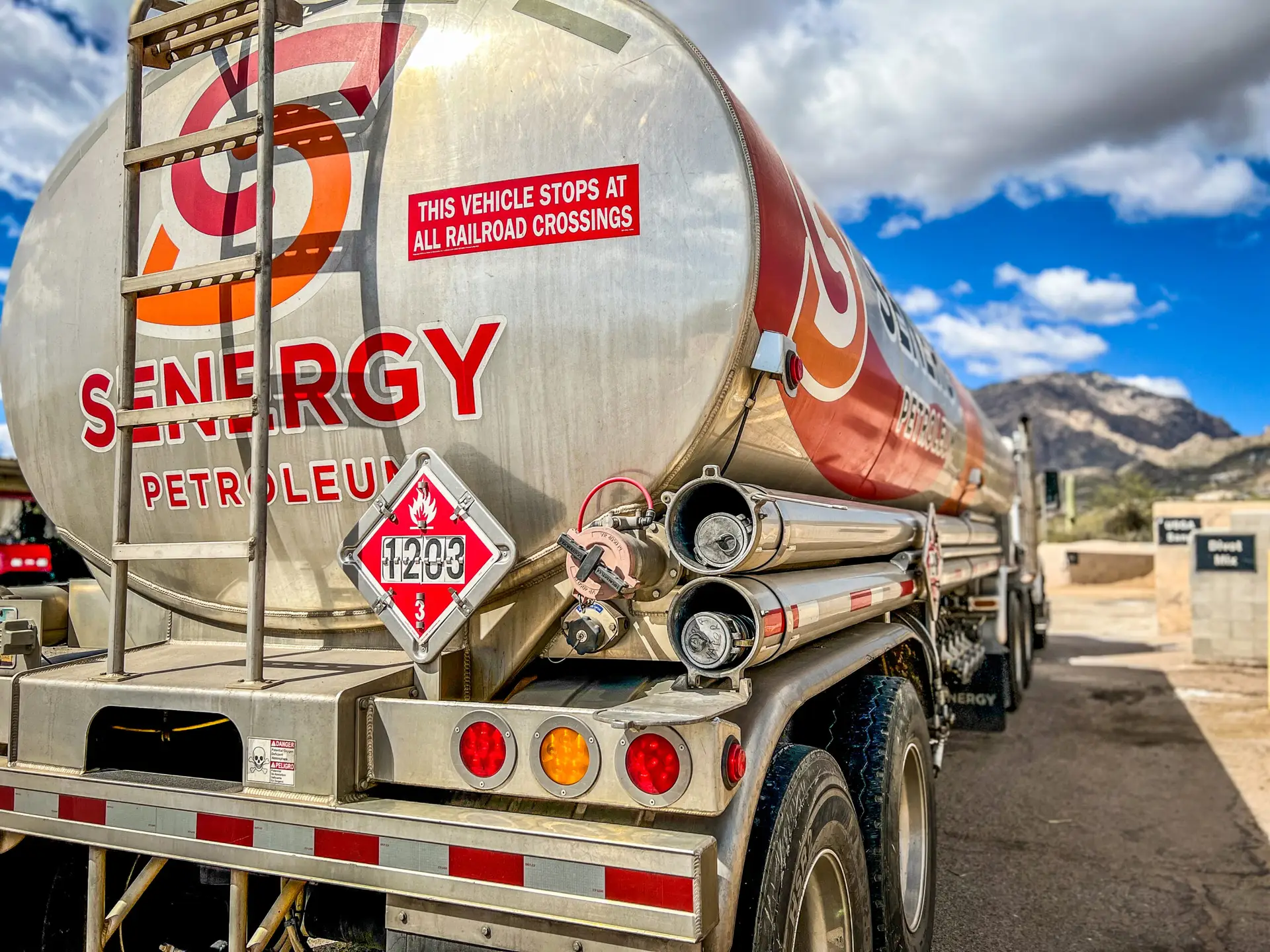
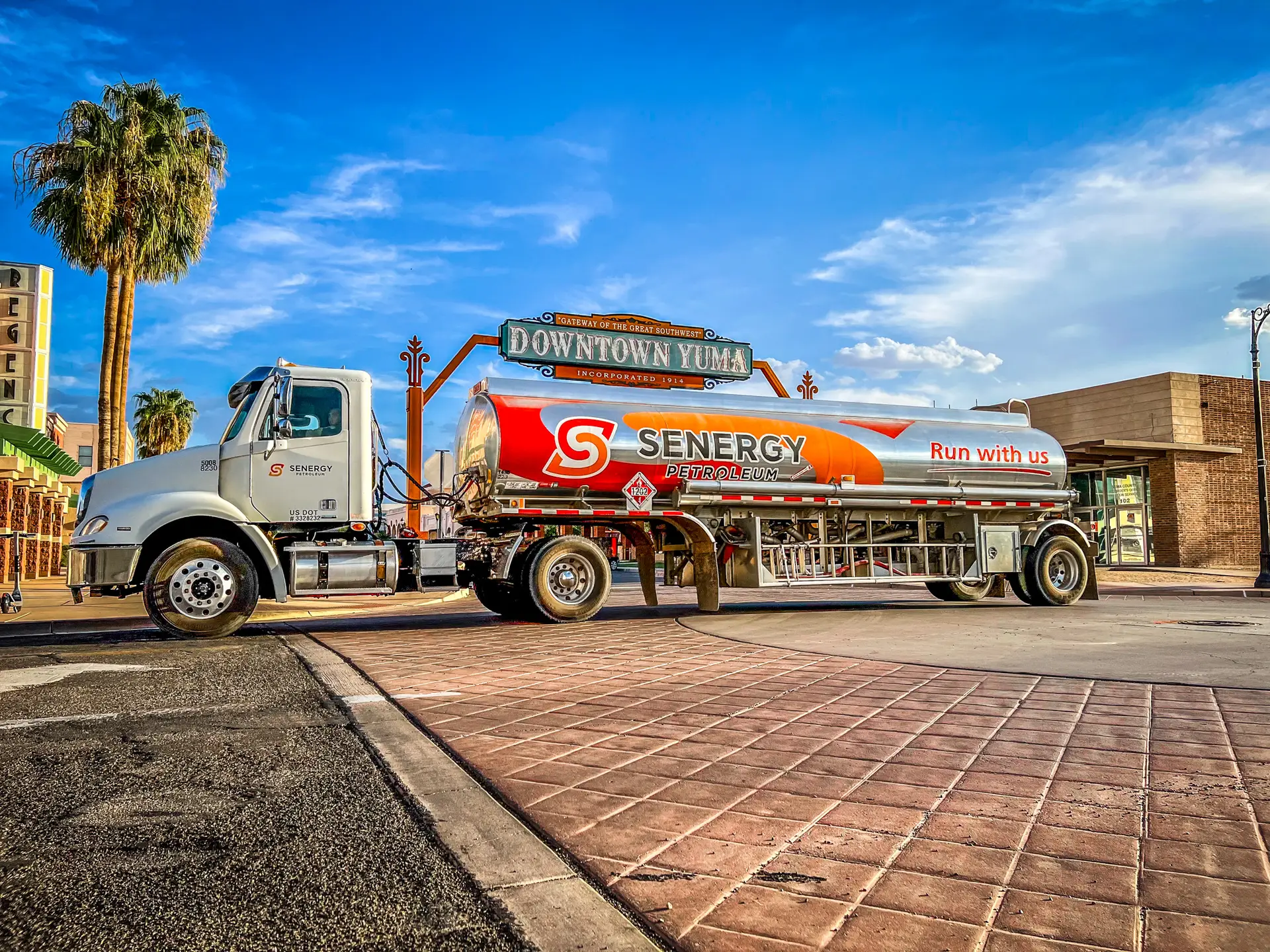
Logistics are equally critical. Suppliers must be capable of meeting long-haul schedules, servicing remote hubs or customer sites, and providing emergency refueling when needed. Fuel delivery contracts can help maintain price stability while guaranteeing supply. Some operations incorporate mobile fueling, utilizing tanker trucks along planned routes or refueling at strategically located terminals to minimize downtime.
Accurate record-keeping—including batch numbers, delivery times, quantities, and driver notes—ensures any fuel-related issues can be traced to their source. By selecting reliable diesel delivery channels and treating fuel acquisition as a strategic operational process rather than a simple commodity purchase, trucking companies can safeguard fleet reliability and efficiency.
Strategies to Maximize Fuel Efficiency in Long-Haul Fleets
After securing a reliable fuel supply, the next priority is maximizing fleet fuel efficiency. Fuel economy depends not only on price but also on truck performance and operational practices. Establishing clear driving policies is essential for heavy-duty, long-haul fleets. Drivers should maintain consistent speeds, minimize idling, and anticipate traffic to avoid sudden acceleration or braking.
Route optimization software can prevent unnecessary detours and reduce time spent in congested areas. Fuel consumption can also be lowered through aerodynamic enhancements, proper trailer maintenance, and avoiding overloading. Engines operate most efficiently with regular maintenance, as underinflated tires or poorly tuned injectors waste fuel. Routine inspection of air filters, tire pressure, and other key components further supports optimal fuel use.
High-quality diesel, combined with monitoring fuel consumption across drivers and routes, contributes to overall efficiency. Fleet managers can identify inefficiencies, reward effective driving, and provide targeted training. Implementing these strategies allows fleets to maximize each gallon of fuel, improving performance while controlling costs.
Fuel Storage and Management Strategies for Reliable Fleet Operations
For heavy-duty fleets operating over long distances or in regions with limited infrastructure, proper fuel storage is critical. Effective fuel management—both onboard and at depots—helps prevent contamination, waste, and theft. Fuel stored in tanks for extended periods can be vulnerable to water, microorganisms, and particulate contamination. Regular inspections of tanks, lids, and seals are essential. Tanks should remain tightly closed, vents screened, and elevated above damp surfaces to maintain fuel integrity.
Rotation schedules for long-stored fuel can reduce the risk of degradation. On-road equipment—including tanker hoses, refueling systems, and tanker integrity—must be regularly maintained. Worn seals or open containers can introduce contaminants, affecting fuel efficiency and engine performance. Monitoring fuel levels and sealing tanks after each fill-up ensures consistent fuel quality and operational reliability for vehicles with auxiliary capacities.
Accurate record-keeping of fuel usage, storage, and transportation adds traceability, aiding in diagnosing engine issues or resolving supplier disputes. By prioritizing on-road fuel management and storage with the same attention given to cargo security and driver safety, fleets can maintain fuel performance and fleet reliability.
Using Telematics to Optimize Fuel Efficiency in Heavy-Duty Fleets
Advances in fleet management software and vehicle telemetry provide new opportunities to control fuel costs and improve efficiency. Modern telematics captures data on fuel consumption, idling, engine load, routes, driver behavior, and vehicle maintenance status. Analyzing these data helps fleets identify patterns such as fuel-intensive routes, inefficient driving habits, and extended or unauthorized idling that drains diesel reserves.
Data-driven interventions can include retraining drivers, optimizing routes, and scheduling maintenance for fuel-wasting mechanical issues. Fuel delivery can also be optimized—planned refueling schedules reduce the need for costly emergency fills. Onboard diagnostics and mobile apps allow real-time monitoring of fuel consumption, while robust record-keeping integrates supply procurement with consumption tracking.
This technology-driven approach not only improves fuel efficiency over time but also supports strategic planning, accurate budgeting, bulk contract negotiations, and forecasting fuel needs for the season. By combining analytics with operational oversight, fleets can achieve measurable savings in an industry characterized by tight margins and fluctuating fuel costs.
Fuel Strategy That Drives Efficiency
A trucking company’s fuel strategy is most effective when results are tracked and continuously improved. Key metrics—such as miles per gallon, fuel cost per ton mile, idling time, and fuel-related maintenance—help fleets identify inefficiencies and optimize operations. Analyzing trends across routes and seasons enables targeted adjustments, while collaboration between drivers, operations, and procurement ensures the strategy evolves over time.
By combining supplier selection, reliable delivery, efficient driving, proper storage, technology-enabled tracking, and performance measurement, fleets can maximize fuel efficiency, control costs, and reduce risk. A well-executed fuel strategy transforms fuel management from a cost center into a strategic advantage for long-haul operations.