Benefits of On-Site Fueling for Commercial Fleets
Keeping a commercial fleet moving requires more than maintaining trucks and planning routes. Fueling is another daily task that can affect schedules, labor, operating expenses, and vehicle availability. When drivers have to leave their routes to visit a fuel station, even a routine stop can take valuable time away from the workday.
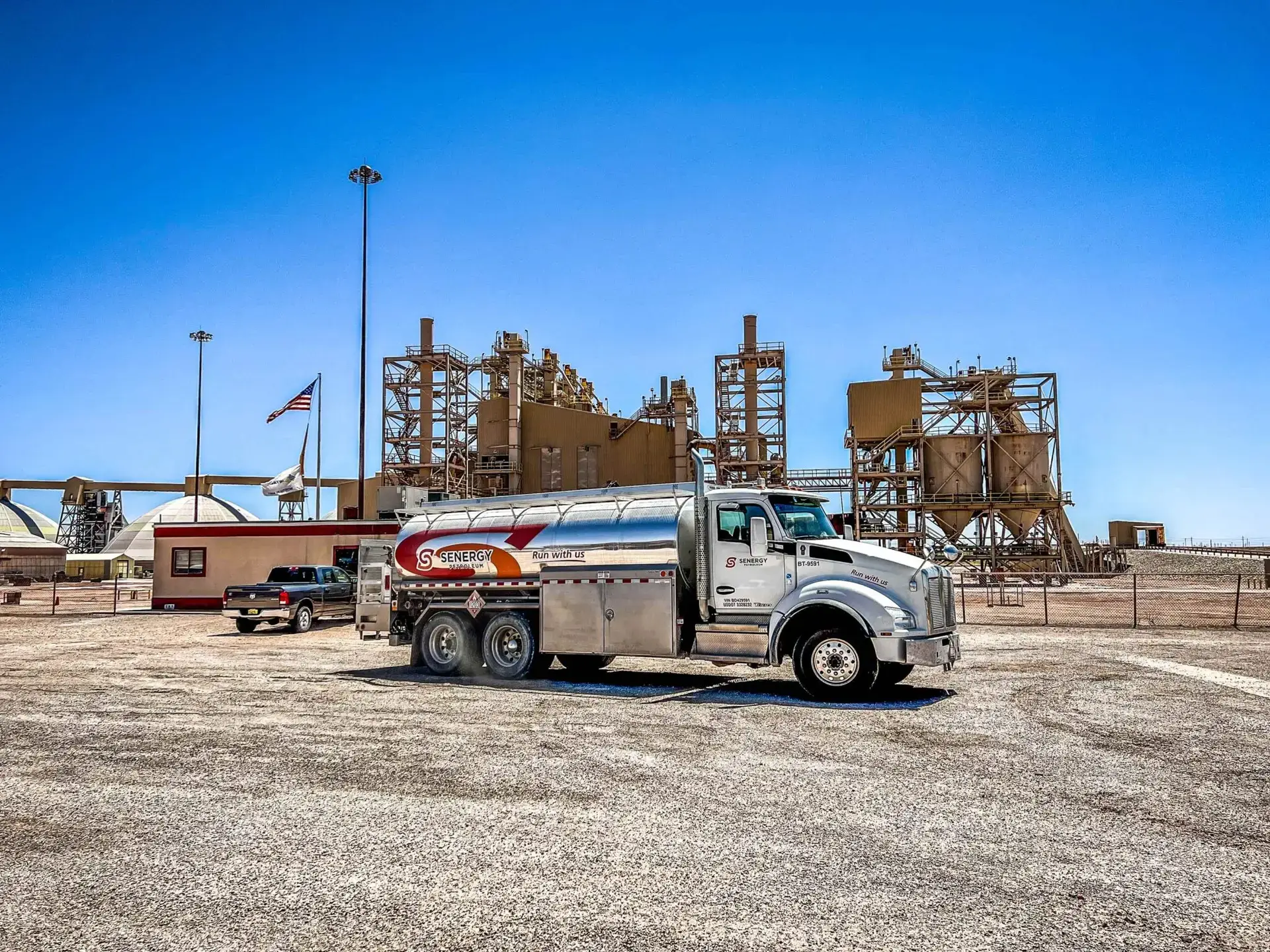
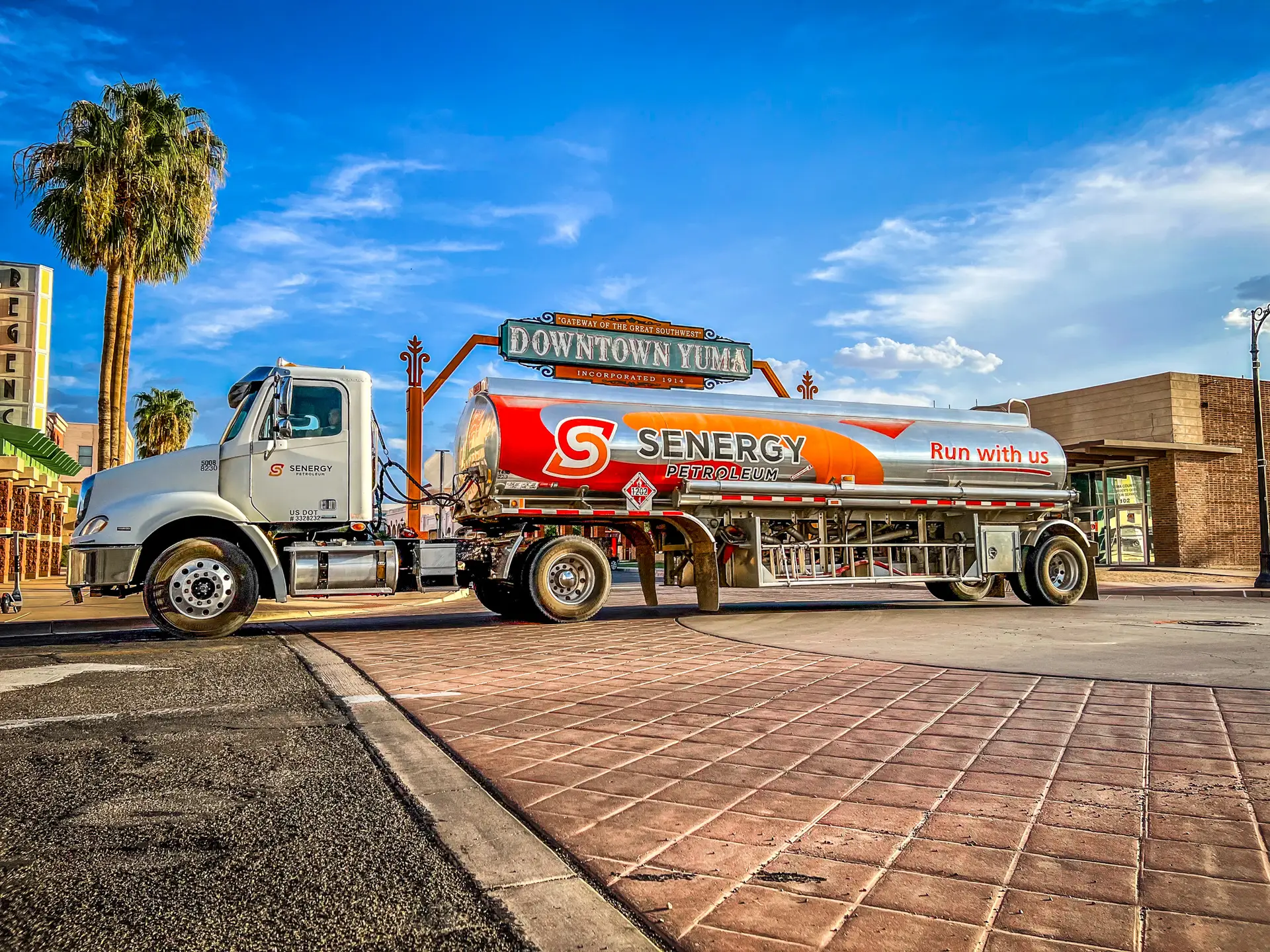
On-site fueling offers a simpler approach by bringing fuel directly to a fleet’s location. Instead of sending multiple vehicles to a station, businesses can arrange fuel delivery at a yard, terminal, warehouse, or job site. This gives fleet managers more control over when and where vehicles are refueled while helping drivers stay focused on their assigned routes.
For transportation companies, construction businesses, delivery operations, utilities, and other organizations that depend on commercial vehicles, this approach can provide several practical advantages.
Save Driver Time and Reduce Unnecessary Stops
A trip to the fuel station involves more than the time spent at the pump. Drivers may need to leave their route, travel to a station, wait for an available pump, refuel, and then return to their planned route. During busy periods, lines and traffic can make the process take even longer.
With on-site fueling, the fuel comes directly to the fleet. Vehicles can be refueled while they are parked at a company yard or facility, often during periods when drivers are not working. Overnight fueling, for example, can prepare vehicles for the next shift without adding another stop to the driver’s schedule.
The time saved can be particularly valuable for fleets operating on tight delivery windows. A driver who spends less time handling fuel stops has more time available for deliveries, service calls, pickups, and other productive work.
Improve Fleet Productivity and Vehicle Availability
Fleet productivity depends heavily on vehicle availability. When trucks and equipment have to interrupt scheduled work for fueling, productive operating time can be reduced. A planned fueling schedule can help reduce these interruptions and keep vehicles ready for their next assignment.
Mobile fueling can be arranged around the way a fleet already operates. Vehicles may be fueled during overnight hours, shift changes, breaks, or other scheduled periods of inactivity. This allows managers to build refueling into the operation instead of making drivers fit fuel stops into their routes.
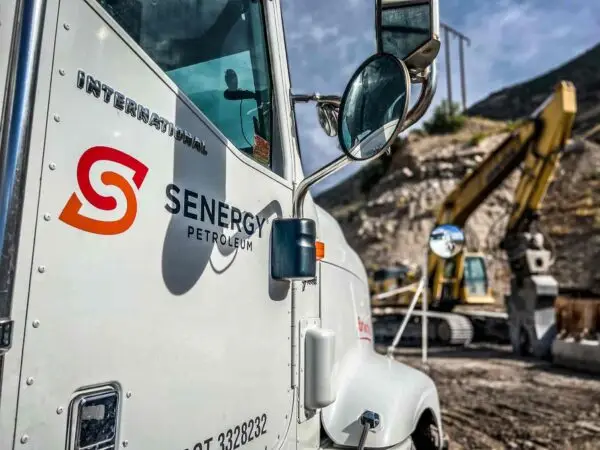
The same principle applies to equipment that cannot easily travel to a fuel station. Construction equipment, generators, dump trucks, loaders, and other heavy assets can remain at the job site while fuel is delivered to them. Keeping equipment fueled and available can help crews maintain their planned work schedule.
Reduce Out-of-Route Mileage and Operating Costs
Fuel station trips can add miles that have little value to the business. These out-of-route miles increase fuel consumption and contribute to normal vehicle wear. For a fleet with dozens or hundreds of vehicles, those extra trips can accumulate over time.
On-site fueling reduces the need for vehicles to travel specifically for fuel. A delivery truck can remain at its terminal, a service vehicle can stay at the company yard, and construction equipment can remain at the job site. The fuel delivery vehicle handles the trip instead.
On-site fueling may also reduce the amount of driver time spent traveling to and waiting at fuel stations. Drivers are paid for their working time, and time spent traveling to and waiting at fuel stations is time that cannot be spent serving customers or completing routes. Reducing those non-productive activities can improve how a fleet uses its workforce.
Fleet managers should look beyond the price of fuel when evaluating a fueling program. The total cost can include labor, out-of-route mileage, vehicle wear, fueling time, applicable card or transaction fees, and administrative work associated with managing fuel.
Gain Better Visibility Into Fuel Usage
Fuel management becomes easier when businesses have clear records of how much fuel is being delivered and where it is being used. Depending on the provider and service model, fleet fueling programs can include detailed delivery records and reporting.
Information such as gallons delivered, fuel type, delivery date, vehicle identification, and fueling frequency can help managers understand consumption patterns. These records can also make it easier to reconcile fuel expenses and identify unusual changes in usage.
Technology can add another layer of visibility. Some fleet services may offer digital reports, online dashboards, fuel monitoring, or integrations with fleet management systems. These tools can give managers a more organized view of fuel activity instead of relying entirely on individual receipts from different stations.
Better information also supports budgeting. When a company understands its typical fuel demand, it can plan deliveries around expected consumption and avoid unnecessary last-minute purchases.
Support Safer and More Organized Fleet Operations
A well-planned fueling program can make fuel handling more organized. Rather than having drivers use different stations along their routes, a company can establish a consistent fueling process at its own location.
Centralized fueling may also help businesses maintain better control over who receives fuel and how much is dispensed. Depending on the system used, vehicle identification, digital records, and transaction tracking can provide greater accountability.
Safety remains an important consideration. Fuel transportation, storage, and dispensing are subject to applicable federal, state, and local safety and environmental requirements. Fleet operators should also consider spill prevention, storage procedures, fueling equipment, and site conditions when setting up a fueling program.
For regulated commercial fleets, reducing unnecessary fueling stops may also simplify route and driver scheduling, while all applicable hours-of-service and other transportation requirements still apply.
Fit Fueling Around Your Fleet's Schedule
One of the biggest advantages of mobile fueling is flexibility. Every fleet has different vehicles, operating hours, fuel requirements, and locations. A long-haul trucking company may need regular diesel deliveries at a terminal, while a construction company may need fuel delivered directly to changing job sites.
Businesses may also require different fuel products. Diesel and gasoline are common requirements, while some fleets may also need Diesel Exhaust Fluid (DEF), renewable diesel, biodiesel, or other products. The right service should match the fleet’s actual fuel demand rather than forcing the operation into a fixed schedule.
Before choosing a provider, fleet managers should consider fleet size, average fuel consumption, delivery frequency, service area, operating hours, storage capacity, reporting options, and emergency needs. It is also worth comparing the full cost of the program with the current expense of station-based fueling.
A good fueling plan should make the daily operation easier, not create another complicated process for the fleet team.