
Avoiding Fuel Contamination with the Right Storage Solutions
Contamination can enter fuel systems through a variety of sources, and understanding these entry points helps companies prevent costly downtime. Water is often the most damaging contaminant, commonly introduced through condensation or improper seals. When water becomes emulsified in fuel, it promotes microbial growth, leading to sludge buildup and clogged filters. Rust, dust, and dirt are also frequent contributors, particularly on exposed surfaces of external tanks. Additionally, improper transfer handling—such as using open tanks or unclean hoses—further increases the risk of contamination. Even low levels of contaminants can reduce fuel quality, impair combustion efficiency, and accelerate engine wear. Companies using diesel, gasoline, or biodiesel should exercise heightened vigilance, as these fuels are especially prone to contamination. By addressing these root causes and implementing preventive measures, businesses can maintain cleaner fuel inventories and extend equipment life.
Clean Diesel Storage: Why It Matters
Clean diesel storage is essential for companies seeking peak performance and reliable operation. Diesel is particularly prone to contamination, as it can absorb water, creating an ideal environment for microbial growth. Microbial activity produces acid and sludge, which can corrode tank walls and damage fuel injectors. Contaminated diesel and clogged filters reduce performance and increase maintenance costs. For fleet managers, building operators, and farmers, downtime caused by poor-quality fuel directly impacts productivity and profitability. Properly stored diesel remains free of water, particulates, and biological growth, ensuring optimal performance. Investing in quality tanks, ventilation, and filtration systems keeps diesel contaminant-free, protects assets, and provides reliable power for ongoing operations.
Choosing the Right Fuel Tank for Reliable Operations
Fuel tanks vary in design, and improper selection can increase the risk of contamination. Companies must carefully evaluate fuel tank solutions to ensure safety, reliability, and long-term performance. Aboveground tanks are ideal for farms and fleets due to their ease of inspection and maintenance. Underground tanks offer a compact footprint but require advanced monitoring for leaks and infiltration. Tank materials are also critical: steel tanks are less durable, while fiberglass tanks resist corrosion, particularly when storing biodiesel blends. Secondary containment systems protect against spills and safeguard operations. For operations exposed to temperature extremes, climate-controlled or insulated tanks help reduce condensation, a common source of fuel contamination. Tanks equipped with integrated monitoring systems, filtration, and secure hatches further minimize risk. Well-designed storage solutions maintain fuel integrity, support operational safety, and ensure regulatory compliance.
Fuel Containment Systems and Compliance Regulations
Properly designed fuel containment systems are critical not only for efficiency but also for regulatory compliance. Fuel storage is subject to strict regulations, and noncompliance can result in fines, costly remediation, and damage to a company’s reputation. Double-walled tanks, spill basins, and secondary containment systems provide additional protection, reducing the risk of contamination and safeguarding operations in the event of an accident. Effective containment ensures smooth operations, accountability, and adherence to legal requirements. Fuel containment systems also enhance workplace safety by minimizing exposure to hazardous spills. By incorporating advanced containment technologies, companies can maintain secure operations, protect assets, and build trust with regulators and customers alike. Compliance is more than a legal obligation—it is a commitment to the long-term safety and reliability of operations.
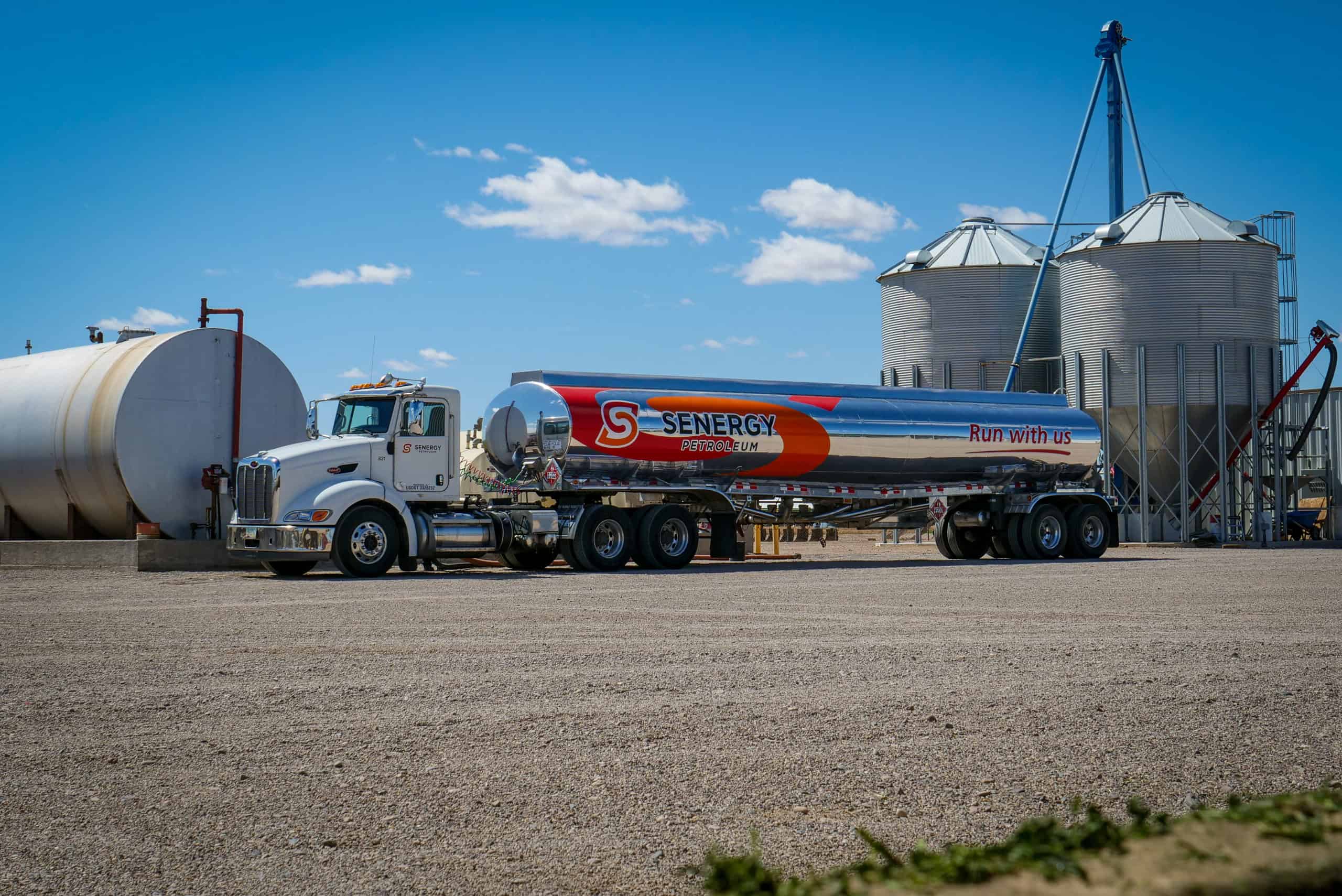

Maintenance Practices to Prevent Fuel Storage Contamination
Maintaining high-quality tanks and containment equipment requires consistent, proactive maintenance. Regular inspections for rust, cracks, or leaks prevent minor issues from escalating into serious contamination problems. Tanks should be cleaned routinely to remove sediment, microbial buildup, or water accumulation. Filtration systems ensure that fuel remains clean during dispensing and transfer, while regular fuel testing identifies impurities before they impact high-value equipment. Ventilation systems must also be monitored, as poor air circulation can lead to condensation inside tanks. Properly trained staff minimize human error, one of the leading causes of contamination. Operations in remote or challenging environments benefit from automated monitoring systems that track tank conditions in real time. A well-planned preventative maintenance program preserves fuel quality, extends storage system lifespan, and supports uninterrupted, profitable operations.
The Long-Term Value of Safe and Efficient Fuel Storage
While investing in containment equipment and fuel tank solutions can be costly initially, the long-term benefits far outweigh the expense. Contaminated fuel can lead to expensive equipment failures, increased downtime, and replacement of filters, injectors, and pumps. Proper maintenance and clean diesel fuel extend equipment life, reducing repair and replacement costs. Secure fuel storage also prevents spills and leaks, protecting operations and avoiding costly remediation. For gas station operators, clean fuel fosters customer trust and repeat business, while construction and agricultural companies benefit from uninterrupted productivity. By avoiding losses from fuel contamination, companies can focus on growth rather than crisis management. Additionally, efficient storage systems equipped with monitoring technologies allow managers to optimize fuel usage, reduce waste, and improve operational efficiency. The investment in safe and effective fuel storage provides significant long-term returns and supports sustained business success.
Cooperation with Fuel Specialists
Fuel storage requires expertise, and partnering with experienced professionals ensures tanks and containment systems perform at their best. Experts provide tailored solutions, regular inspections, and tank maintenance to protect fuel integrity and extend equipment life. By following this guidance, companies reduce risks, control costs, and focus on operations with confidence. For reliable fuel management and secure operations, Run With Senergy and rely on proven expertise.
